.webp&w=384&q=75)

Loading, please wait...
Loading, please wait...
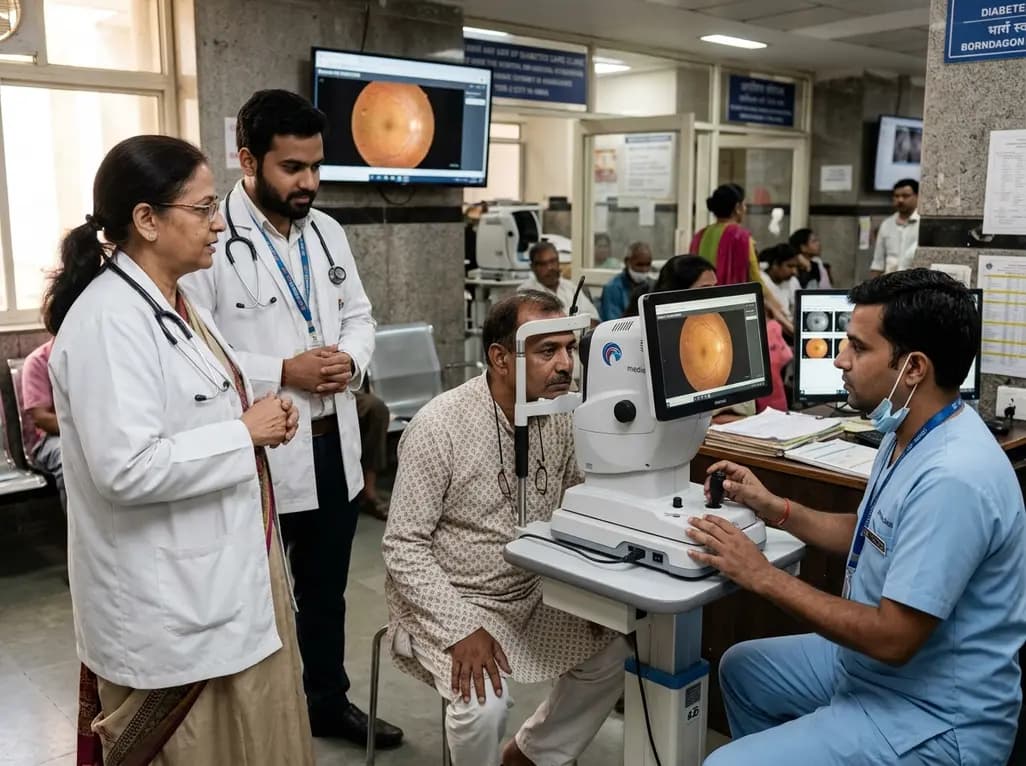
A multicentre Indian study evaluated tele-ophthalmology versus face-to-face retinal examination for diabetic retinopathy screening across 35 diabetes-care centres in 20 cities. More than 58,000 people with diabetes were screened. Retinal images captured at tele-screening sites were transmitted to retina specialists for central grading. Tele-screening detected sight-threatening diabetic retinopathy in a clinically meaningful proportion of participants and enabled specialist referral for patients with ungradable or concerning images. The study demonstrates that tele-ophthalmology can expand access to specialist retinal assessment without requiring every patient to attend a tertiary eye centre. For HCPs and health systems, the practical challenge is building a reliable pathway for image capture, grading, referral and follow-up rather than treating tele-screening as a substitute for comprehensive ophthalmic examination in every patient. The study is especially relevant to AIOC's comprehensive and community ophthalmology focus on rural screening, avoidable blindness and primary eye-care integration in India.

Read summarized clinical updates, watch expert medical content, and earn CME certifications right from your smartphone.
Open your smartphone camera to scan and install.





A multicentre Indian study evaluated tele-ophthalmology versus face-to-face retinal examination for diabetic retinopathy screening across 35 diabetes-care centres in 20 cities. More than 58,000 people with diabetes were screened. Retinal images captured at tele-screening sites were transmitted to retina specialists for central grading. Tele-screening detected sight-threatening diabetic retinopathy in a clinically meaningful proportion of participants and enabled specialist referral for patients with ungradable or concerning images. The study demonstrates that tele-ophthalmology can expand access to specialist retinal assessment without requiring every patient to attend a tertiary eye centre. For HCPs and health systems, the practical challenge is building a reliable pathway for image capture, grading, referral and follow-up rather than treating tele-screening as a substitute for comprehensive ophthalmic examination in every patient. The study is especially relevant to AIOC's comprehensive and community ophthalmology focus on rural screening, avoidable blindness and primary eye-care integration in India.
last month
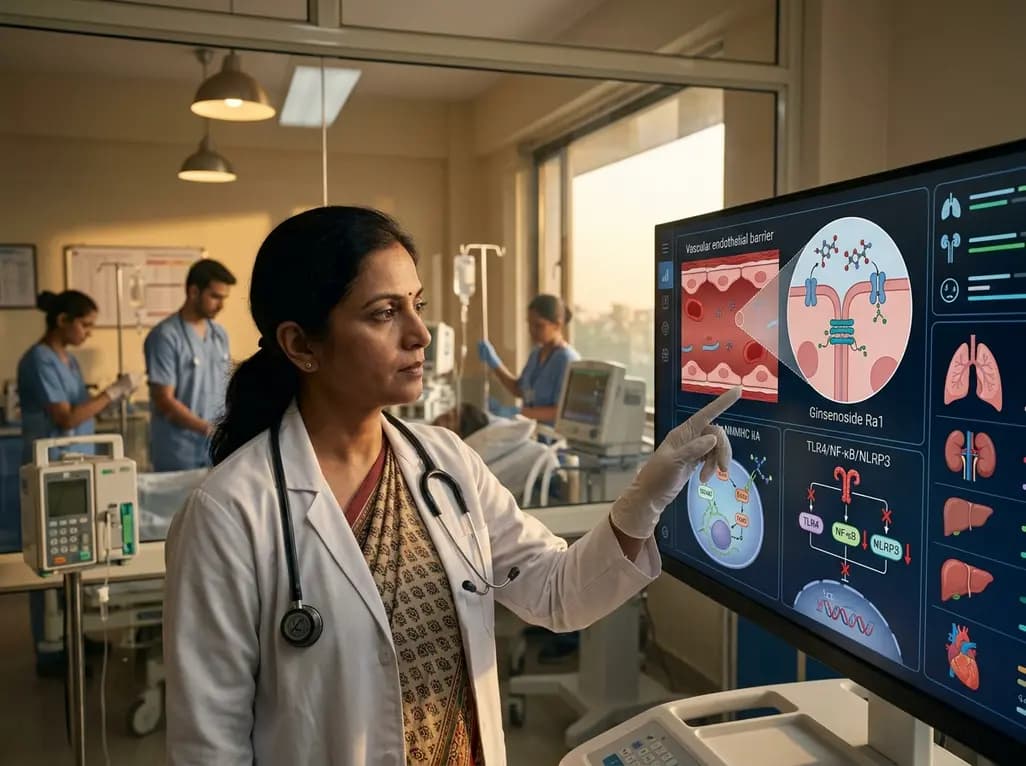
Preclinical findings demonstrate that ginsenoside Ra1 preserves vascular integrity and attenuates multi-organ injury during sepsis by targeting non-muscle myosin heavy chain IIA (NMMHC IIA) and dampening TLR4/NF-κB/NLRP3 inflammatory signaling.
2 days back
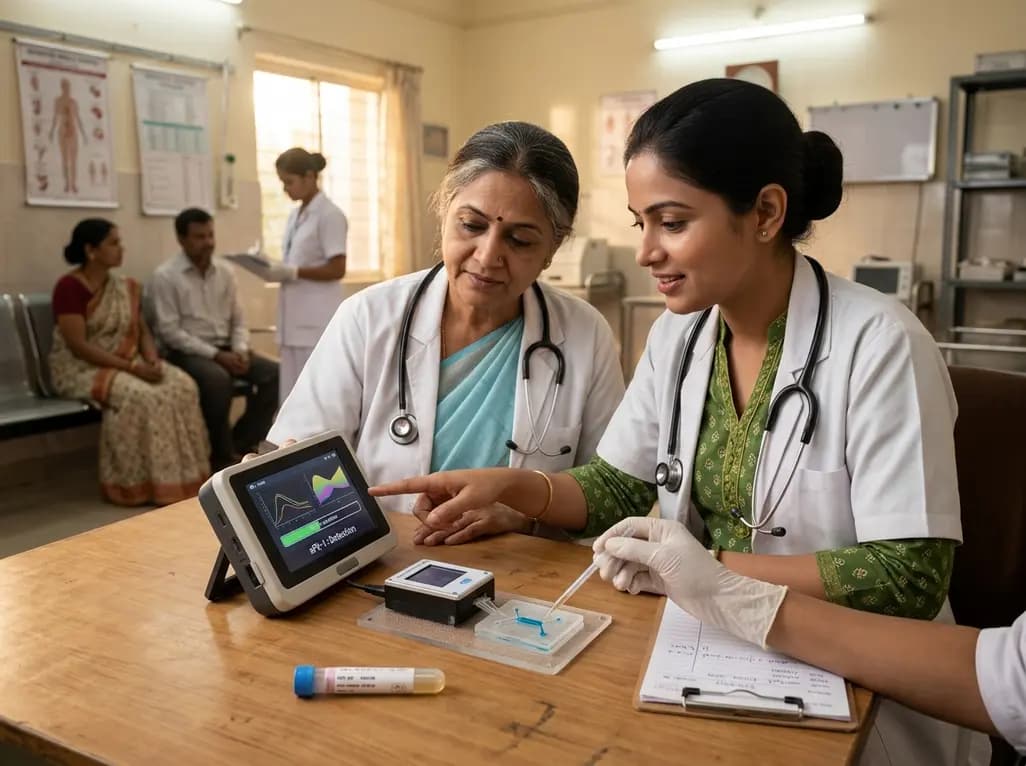
An all-printed immunosensing microchip detects urinary sFlt-1 in just 10 minutes with 3.61 pg/mL sensitivity. By leveraging photonic bandgap engineering, this low-cost, cleanroom-free platform provides non-invasive preeclampsia screening, offering substantial benefits for point-of-care obstetric triage.
3 days back
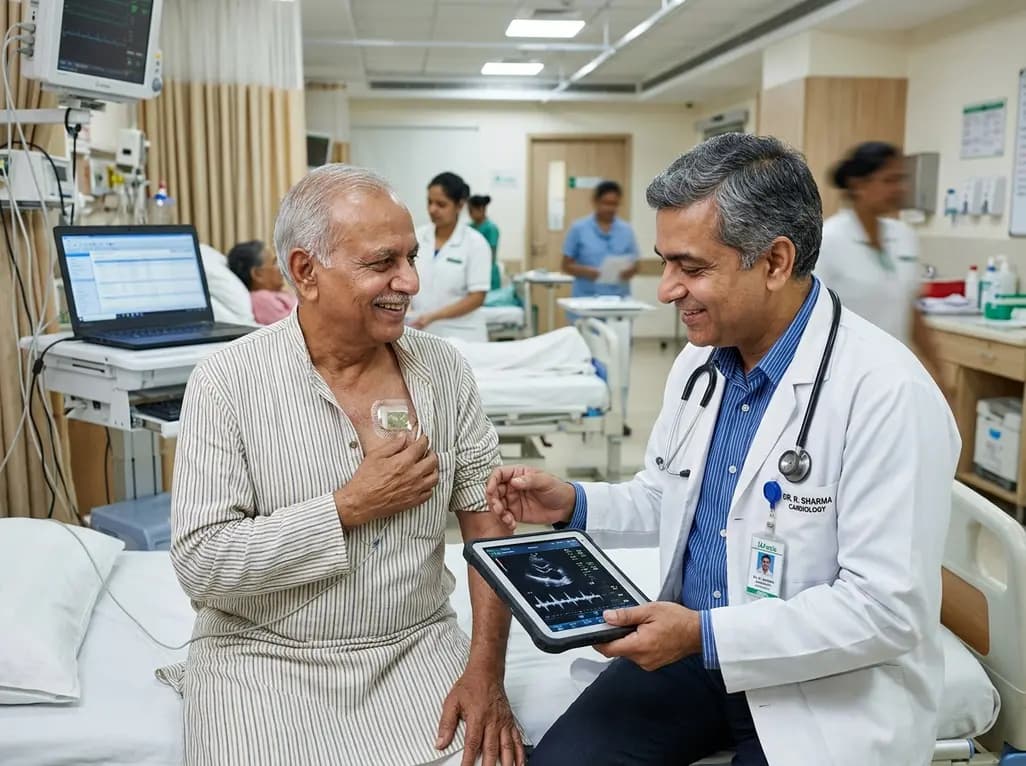
Wearable ultrasound patches are transforming healthcare by shifting medicine from episodic evaluations to continuous monitoring. Discover how flexible acoustic transducers advance cardiovascular tracking, musculoskeletal imaging, neuromodulation, and on-demand closed-loop theranostics.
3 days back
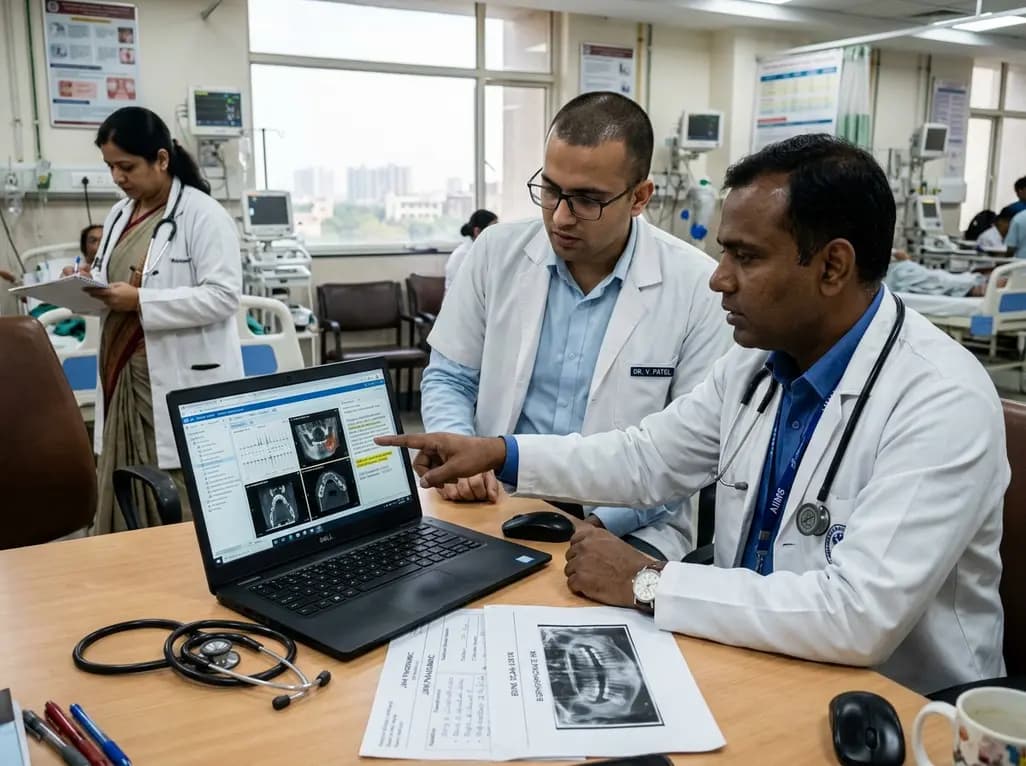
A breakthrough study leverages natural language processing to accurately identify incident medication-related osteonecrosis of the jaw and track antiresorptive drug holidays from clinical narratives in electronic health records, advancing osteoporosis pharmacovigilance and dental safety.
Last week
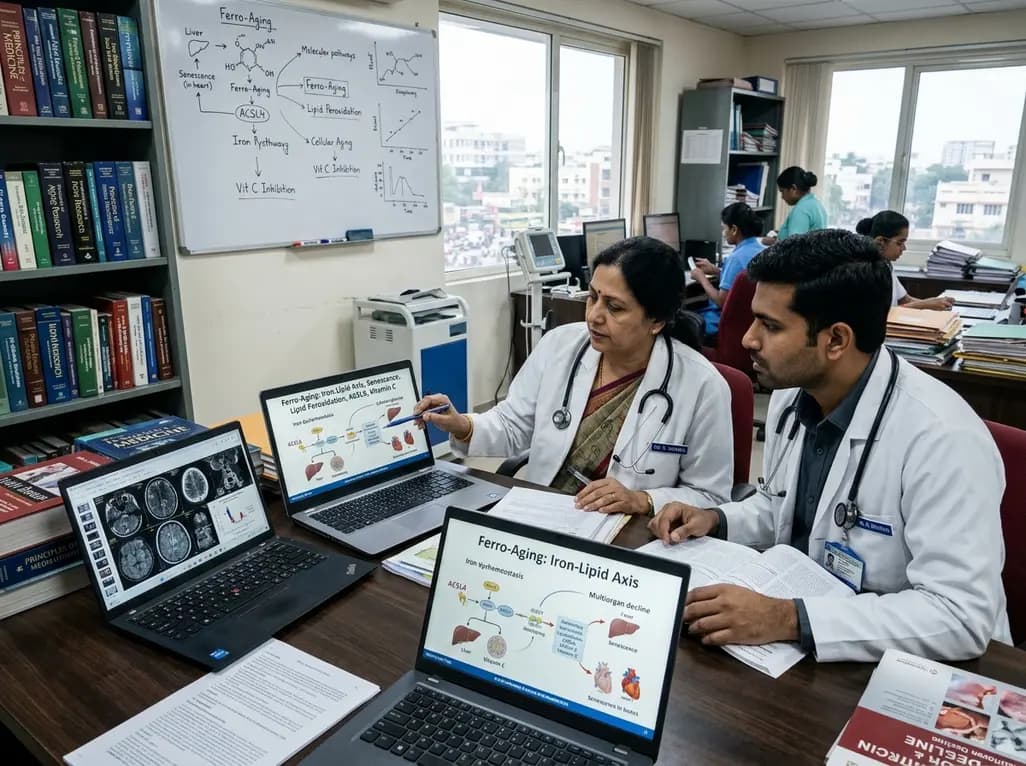
Recent research defines ferro-aging as a conserved iron-lipid axis driving organ decline across primates. Age-related iron dyshomeostasis stimulates ACSL4-mediated lipid peroxidation, promoting cellular senescence. Notably, vitamin C directly inhibits ACSL4, suppressing phospholipid oxidation and multi-organ decay.
Last week
