.webp&w=384&q=75)

Loading, please wait...
Loading, please wait...
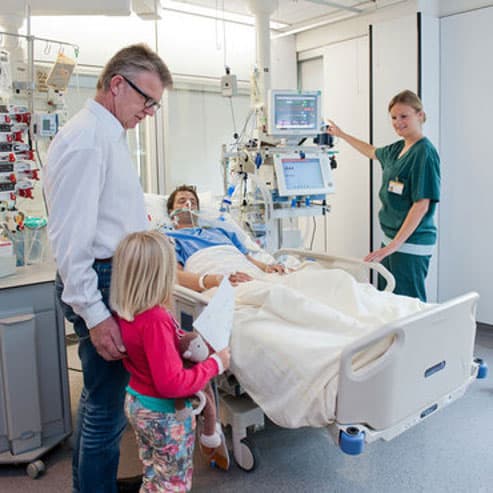
The PARTNER trial tested a multicomponent family-support intervention in ICUs caring for patients at high risk of death. Rather than focusing on a single communication tool, the intervention embedded structured support for surrogates within the interprofessional ICU team's routine practice. The study addressed an important but often under-measured problem: families can experience major psychological distress while trying to understand prognosis, treatment choices and uncertainty. High-quality communication is particularly important when decisions about life support and goals of care are being made. The trial found that a structured family-support approach improved aspects of communication and patient- and family-centred care, highlighting the value of making communication a reproducible clinical process rather than relying on individual clinician style. This fits CritiCARE 2026's explicit focus on humanisation, family presence, end-of-life decision-making, communication and dignity. For HCPs, the practical implication is that family support should include preparation, consistent information, opportunities for questions, acknowledgement of uncertainty and clear documentation of decisions. The study also reinforces that family-centred care is not separate from clinical quality; it is part of it. The intervention offers a useful model for ICU teams seeking to standardise communication while preserving compassion and individualisation.

Read summarized clinical updates, watch expert medical content, and earn CME certifications right from your smartphone.
Open your smartphone camera to scan and install.





The PARTNER trial tested a multicomponent family-support intervention in ICUs caring for patients at high risk of death. Rather than focusing on a single communication tool, the intervention embedded structured support for surrogates within the interprofessional ICU team's routine practice. The study addressed an important but often under-measured problem: families can experience major psychological distress while trying to understand prognosis, treatment choices and uncertainty. High-quality communication is particularly important when decisions about life support and goals of care are being made. The trial found that a structured family-support approach improved aspects of communication and patient- and family-centred care, highlighting the value of making communication a reproducible clinical process rather than relying on individual clinician style. This fits CritiCARE 2026's explicit focus on humanisation, family presence, end-of-life decision-making, communication and dignity. For HCPs, the practical implication is that family support should include preparation, consistent information, opportunities for questions, acknowledgement of uncertainty and clear documentation of decisions. The study also reinforces that family-centred care is not separate from clinical quality; it is part of it. The intervention offers a useful model for ICU teams seeking to standardise communication while preserving compassion and individualisation.
4 weeks back
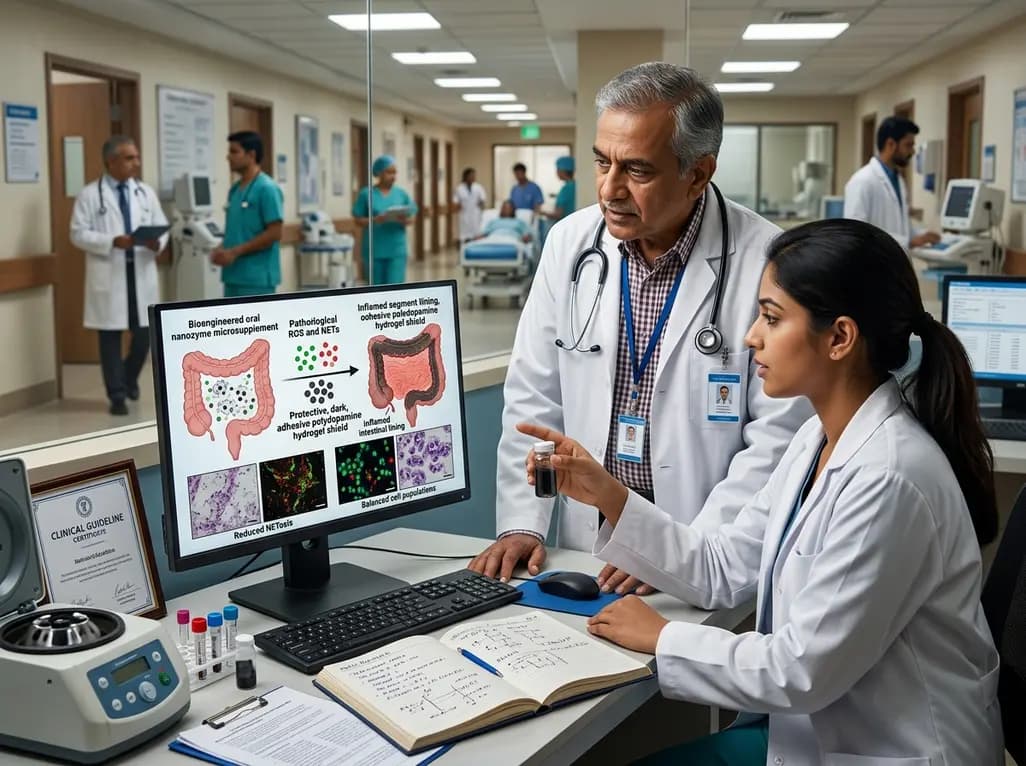
A bioengineered oral nanozyme microsupplement converts pathological ROS into a protective polydopamine hydrogel shield. By curbing neutrophil extracellular traps and balancing T cells, this platform outperforms standard 5-ASA in preclinical colitis models, opening new paths for sustained remission.
3 days back
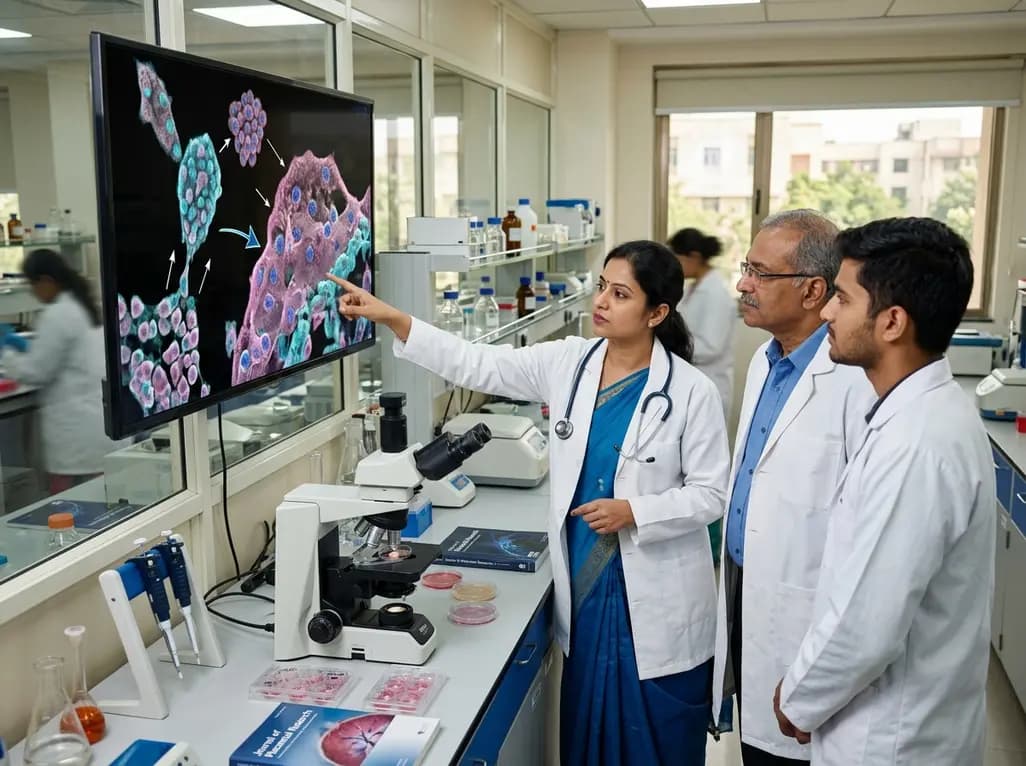
Recent research reveals that downregulating YAP1/TAZ-TEAD via Hippo signaling triggers spontaneous human trophoblast syncytialization in 3D cultures, illuminating placental biology and preeclampsia.
4 weeks back
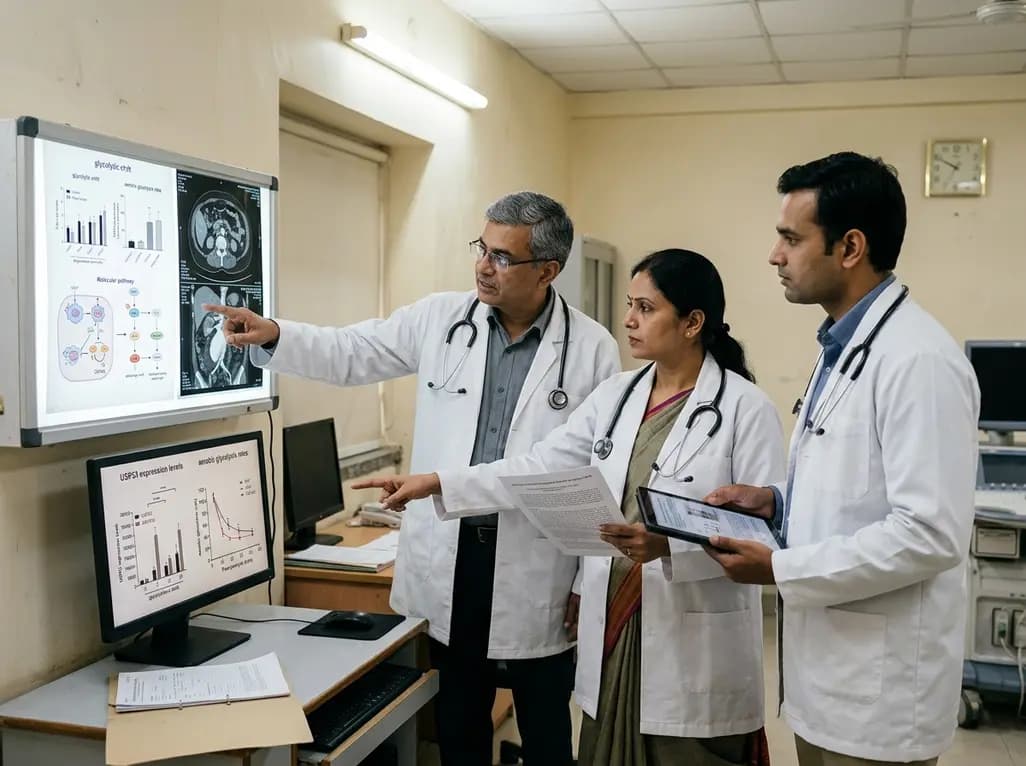
Abdominal aortic aneurysm rupture remains a catastrophic vascular emergency. Groundbreaking research reveals that USP53 accelerates aneurysm progression by reprogramming smooth muscle cell metabolism toward aerobic glycolysis, highlighting a promising target beyond conventional diameter-based surveillance.
4 days back
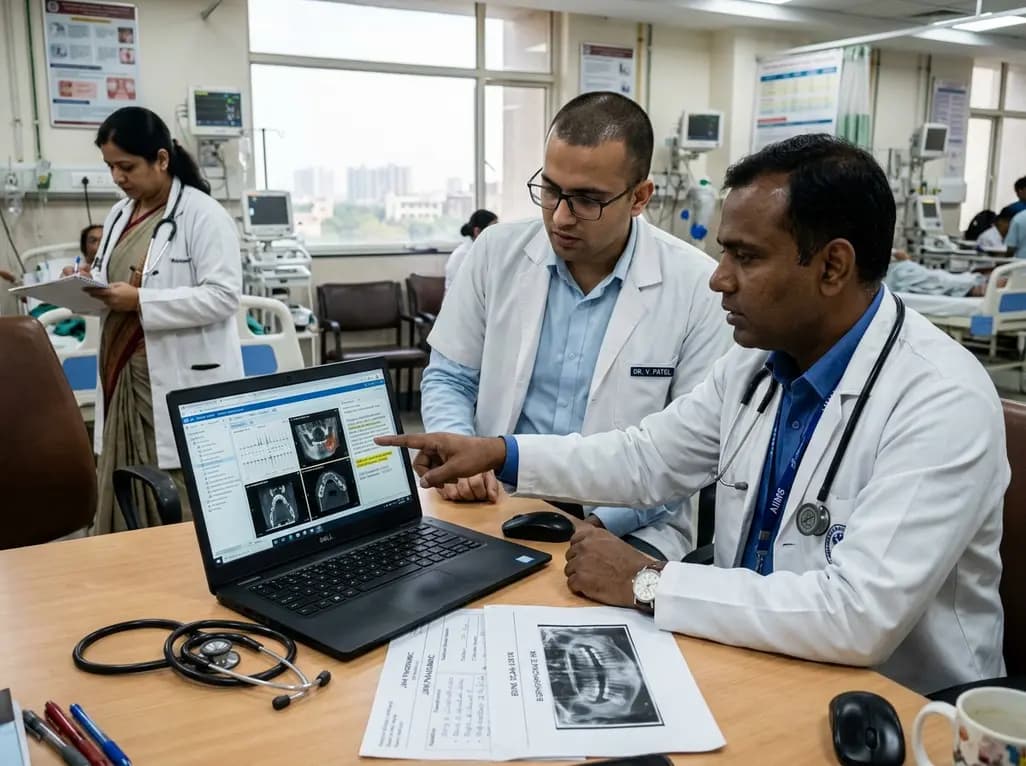
A breakthrough study leverages natural language processing to accurately identify incident medication-related osteonecrosis of the jaw and track antiresorptive drug holidays from clinical narratives in electronic health records, advancing osteoporosis pharmacovigilance and dental safety.
4 days back
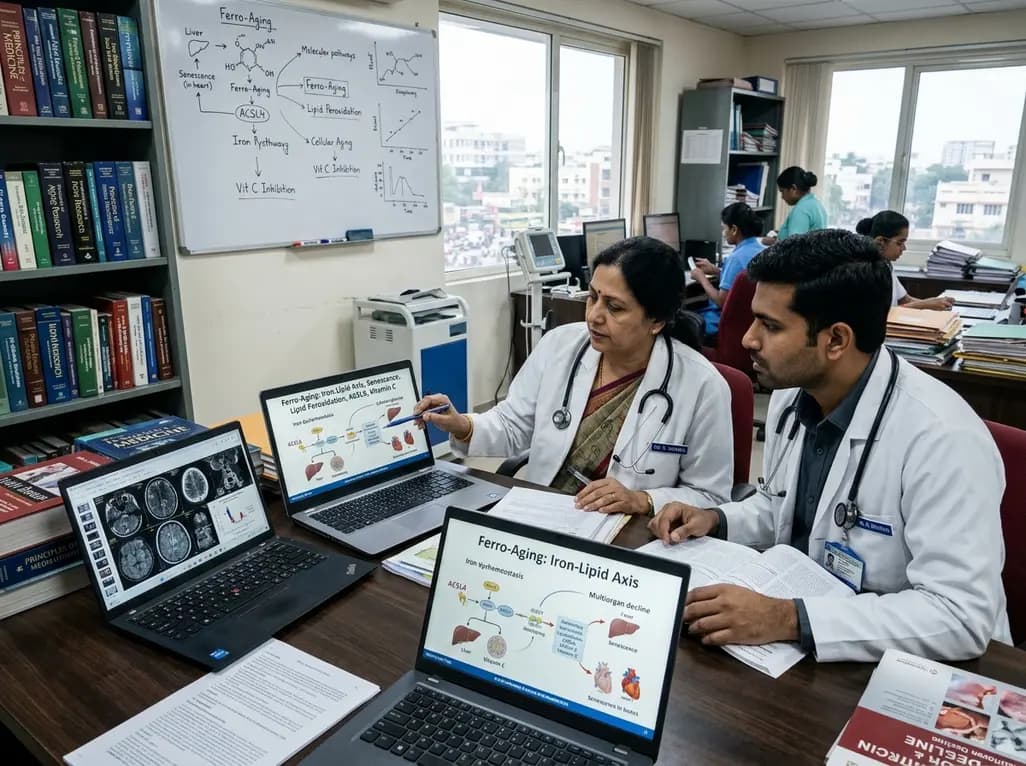
Recent research defines ferro-aging as a conserved iron-lipid axis driving organ decline across primates. Age-related iron dyshomeostasis stimulates ACSL4-mediated lipid peroxidation, promoting cellular senescence. Notably, vitamin C directly inhibits ACSL4, suppressing phospholipid oxidation and multi-organ decay.
5 days back
