.webp&w=384&q=75)

Loading, please wait...
Loading, please wait...
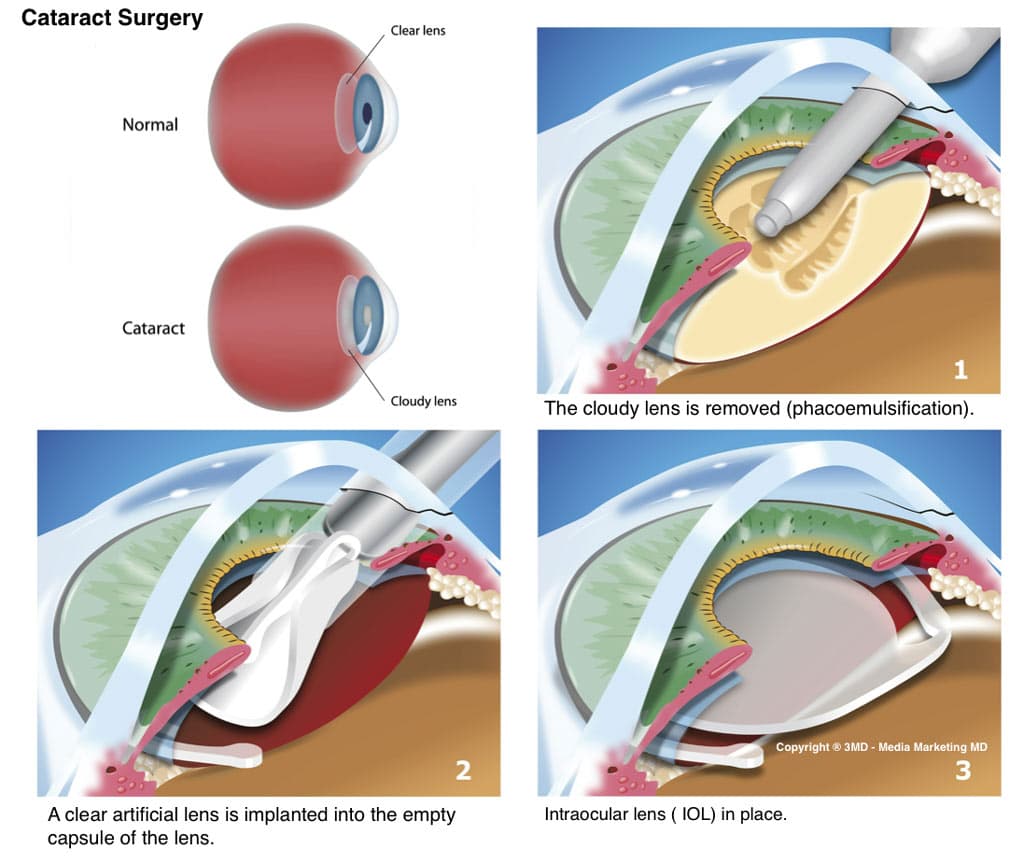
A small case series explored secondary intrascleral intraocular lens fixation in aphakic eyes with pseudoexfoliation syndrome after challenges with conventional capsular support. Three patients underwent a double-needle intrascleral fixation technique with preservation of the capsule where feasible. Good IOL fixation was achieved in all reported cases, and no serious complications such as retinal detachment or vitreous hemorrhage were observed during the reported follow-up. The value of this publication is less about proving superiority and more about illustrating a reconstructive option when zonular weakness prevents stable in-the-bag fixation. For surgeons encountering an aphakic eye after complicated cataract extraction, secondary IOL planning requires consideration of residual capsule, scleral integrity, iris anatomy, vitreous status, and surgeon familiarity with the fixation technique. Capsule-preserving strategies may help reduce vitreous prolapse and unwanted lens movement, but the authors appropriately emphasize that longer-term risks need further study. This makes the technique particularly relevant for advanced secondary-IOL instruction, where understanding decision pathways may be more important than memorizing a single fixation method.

Read summarized clinical updates, watch expert medical content, and earn CME certifications right from your smartphone.
Open your smartphone camera to scan and install.





A small case series explored secondary intrascleral intraocular lens fixation in aphakic eyes with pseudoexfoliation syndrome after challenges with conventional capsular support. Three patients underwent a double-needle intrascleral fixation technique with preservation of the capsule where feasible. Good IOL fixation was achieved in all reported cases, and no serious complications such as retinal detachment or vitreous hemorrhage were observed during the reported follow-up. The value of this publication is less about proving superiority and more about illustrating a reconstructive option when zonular weakness prevents stable in-the-bag fixation. For surgeons encountering an aphakic eye after complicated cataract extraction, secondary IOL planning requires consideration of residual capsule, scleral integrity, iris anatomy, vitreous status, and surgeon familiarity with the fixation technique. Capsule-preserving strategies may help reduce vitreous prolapse and unwanted lens movement, but the authors appropriately emphasize that longer-term risks need further study. This makes the technique particularly relevant for advanced secondary-IOL instruction, where understanding decision pathways may be more important than memorizing a single fixation method.
4 weeks back

A bioengineered oral nanozyme microsupplement converts pathological ROS into a protective polydopamine hydrogel shield. By curbing neutrophil extracellular traps and balancing T cells, this platform outperforms standard 5-ASA in preclinical colitis models, opening new paths for sustained remission.
4 days back
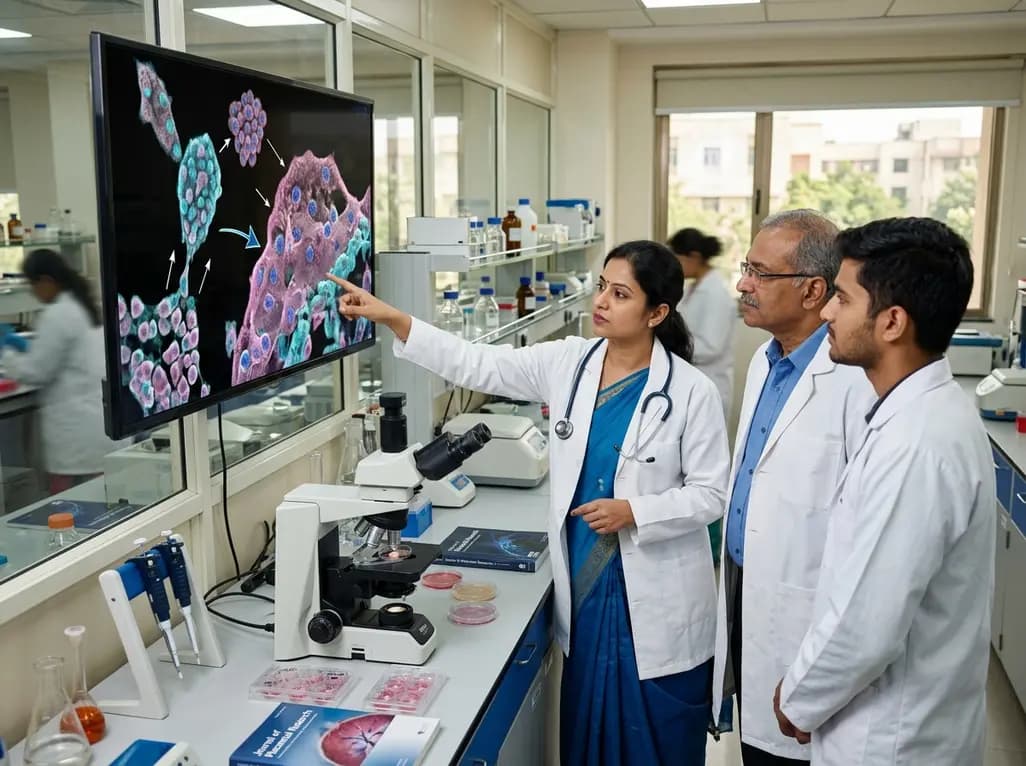
Recent research reveals that downregulating YAP1/TAZ-TEAD via Hippo signaling triggers spontaneous human trophoblast syncytialization in 3D cultures, illuminating placental biology and preeclampsia.
4 weeks back

Abdominal aortic aneurysm rupture remains a catastrophic vascular emergency. Groundbreaking research reveals that USP53 accelerates aneurysm progression by reprogramming smooth muscle cell metabolism toward aerobic glycolysis, highlighting a promising target beyond conventional diameter-based surveillance.
5 days back
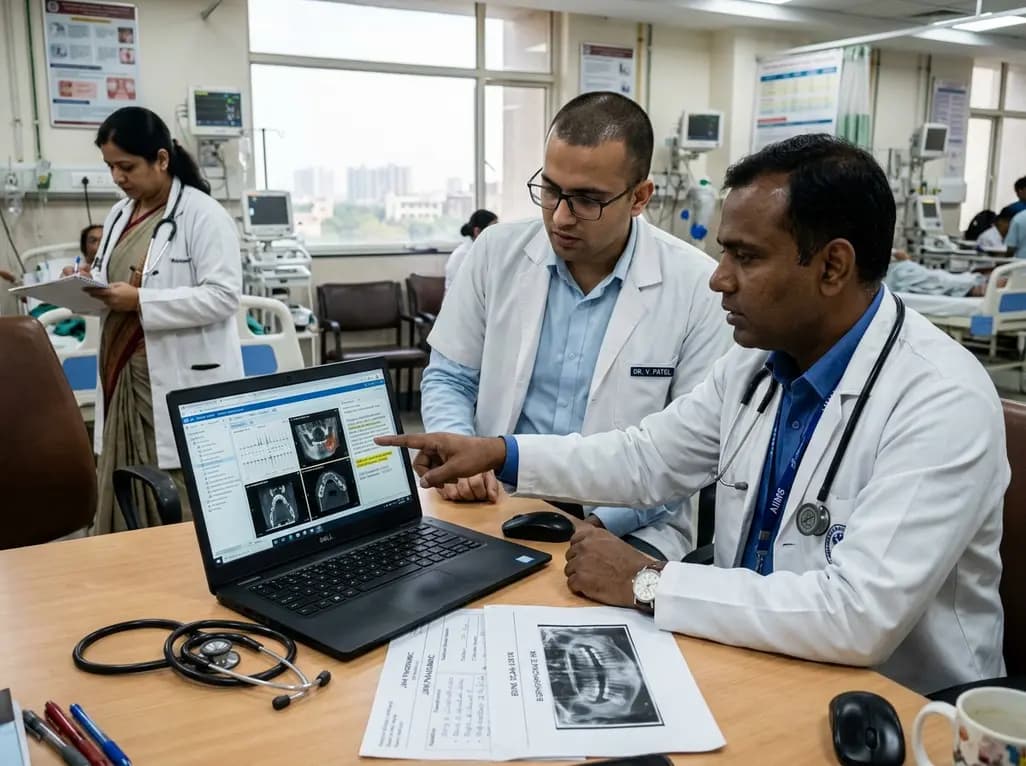
A breakthrough study leverages natural language processing to accurately identify incident medication-related osteonecrosis of the jaw and track antiresorptive drug holidays from clinical narratives in electronic health records, advancing osteoporosis pharmacovigilance and dental safety.
5 days back

Recent research defines ferro-aging as a conserved iron-lipid axis driving organ decline across primates. Age-related iron dyshomeostasis stimulates ACSL4-mediated lipid peroxidation, promoting cellular senescence. Notably, vitamin C directly inhibits ACSL4, suppressing phospholipid oxidation and multi-organ decay.
5 days back
