

Loading, please wait...
Loading, please wait...
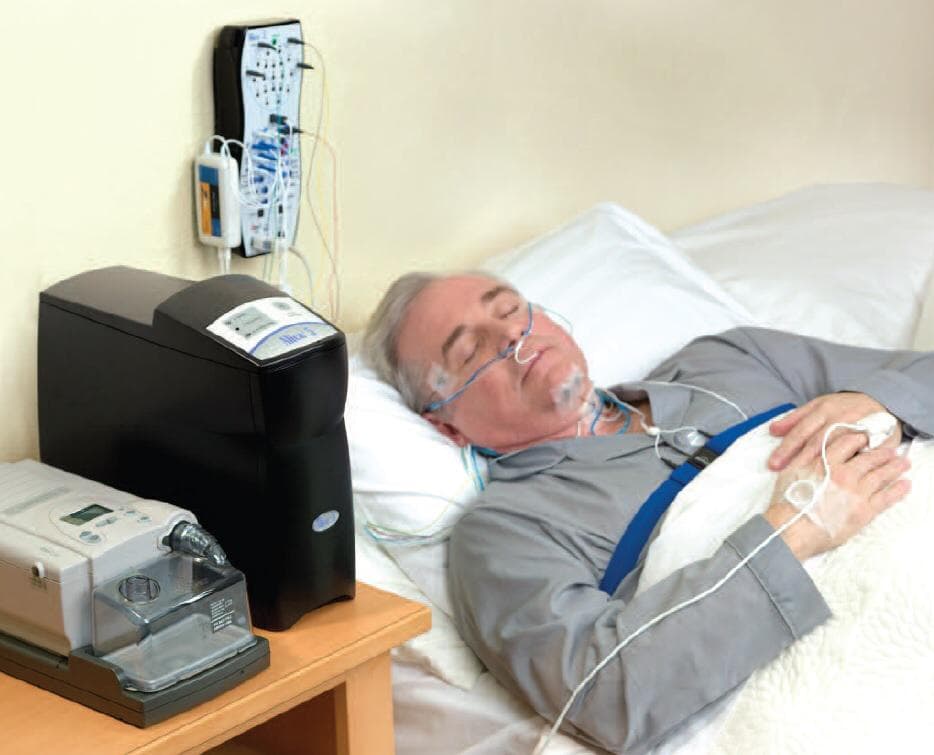
A randomized controlled trial tested a brief motivational-enhancement education program for people starting CPAP therapy for obstructive sleep apnea. The intervention combined a short educational video, a patient-centered interview and telephone follow-up, with an emphasis on improving knowledge, motivation and self-efficacy. Compared with usual care, participants receiving the intervention used CPAP substantially more and were more likely to meet a commonly used adherence threshold. Daytime sleepiness and treatment self-efficacy also improved. The paper is useful because it translates the abstract idea of “counselling” into a concrete behavioral intervention that can be delivered around the time CPAP is initiated. The results support early, structured engagement rather than assuming that patients will naturally adapt to a new device. In the NAPCON context, this complements the conference focus on counselling, adherence and diagnosis gaps in OSA. The trial also highlights an important caveat: it was a relatively small study with short follow-up, so the sustainability of the effect over years remains less certain. Still, the findings provide a practical evidence base for incorporating motivational and patient-centered support into CPAP initiation.

Read summarized clinical updates, watch expert medical content, and earn CME certifications right from your smartphone.
Open your smartphone camera to scan and install.





A randomized controlled trial tested a brief motivational-enhancement education program for people starting CPAP therapy for obstructive sleep apnea. The intervention combined a short educational video, a patient-centered interview and telephone follow-up, with an emphasis on improving knowledge, motivation and self-efficacy. Compared with usual care, participants receiving the intervention used CPAP substantially more and were more likely to meet a commonly used adherence threshold. Daytime sleepiness and treatment self-efficacy also improved. The paper is useful because it translates the abstract idea of “counselling” into a concrete behavioral intervention that can be delivered around the time CPAP is initiated. The results support early, structured engagement rather than assuming that patients will naturally adapt to a new device. In the NAPCON context, this complements the conference focus on counselling, adherence and diagnosis gaps in OSA. The trial also highlights an important caveat: it was a relatively small study with short follow-up, so the sustainability of the effect over years remains less certain. Still, the findings provide a practical evidence base for incorporating motivational and patient-centered support into CPAP initiation.
4 weeks back

A bioengineered oral nanozyme microsupplement converts pathological ROS into a protective polydopamine hydrogel shield. By curbing neutrophil extracellular traps and balancing T cells, this platform outperforms standard 5-ASA in preclinical colitis models, opening new paths for sustained remission.
3 days back
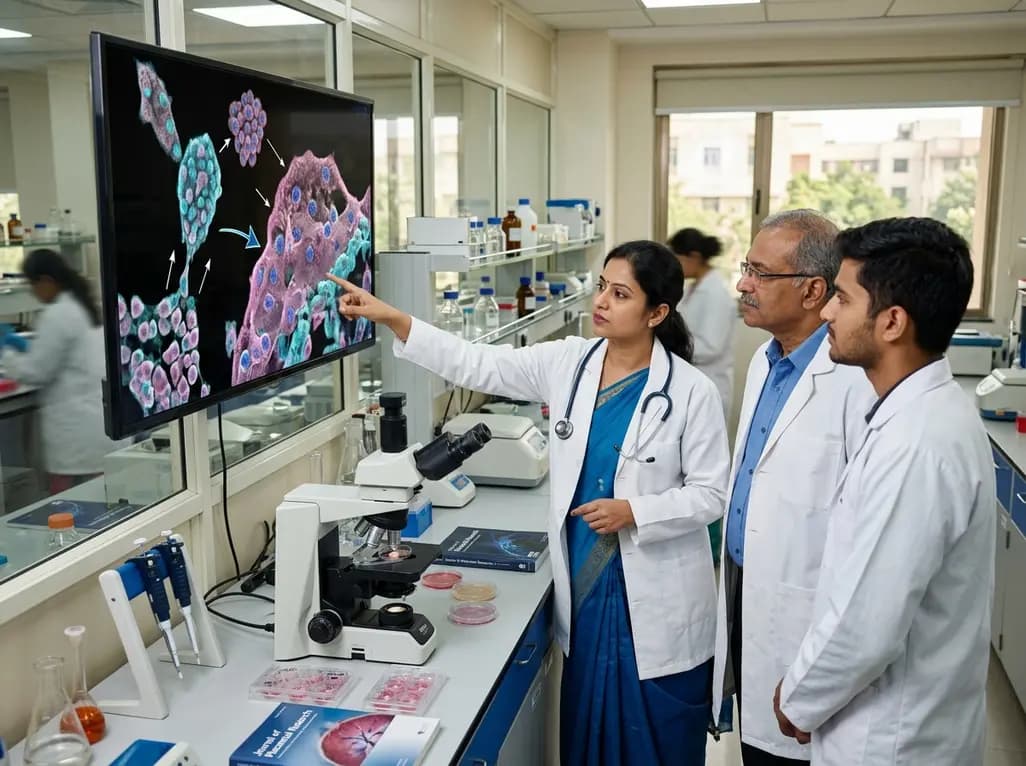
Recent research reveals that downregulating YAP1/TAZ-TEAD via Hippo signaling triggers spontaneous human trophoblast syncytialization in 3D cultures, illuminating placental biology and preeclampsia.
4 weeks back

Abdominal aortic aneurysm rupture remains a catastrophic vascular emergency. Groundbreaking research reveals that USP53 accelerates aneurysm progression by reprogramming smooth muscle cell metabolism toward aerobic glycolysis, highlighting a promising target beyond conventional diameter-based surveillance.
5 days back

A breakthrough study leverages natural language processing to accurately identify incident medication-related osteonecrosis of the jaw and track antiresorptive drug holidays from clinical narratives in electronic health records, advancing osteoporosis pharmacovigilance and dental safety.
4 days back

Recent research defines ferro-aging as a conserved iron-lipid axis driving organ decline across primates. Age-related iron dyshomeostasis stimulates ACSL4-mediated lipid peroxidation, promoting cellular senescence. Notably, vitamin C directly inhibits ACSL4, suppressing phospholipid oxidation and multi-organ decay.
5 days back
