.webp&w=384&q=75)

Loading, please wait...
Loading, please wait...
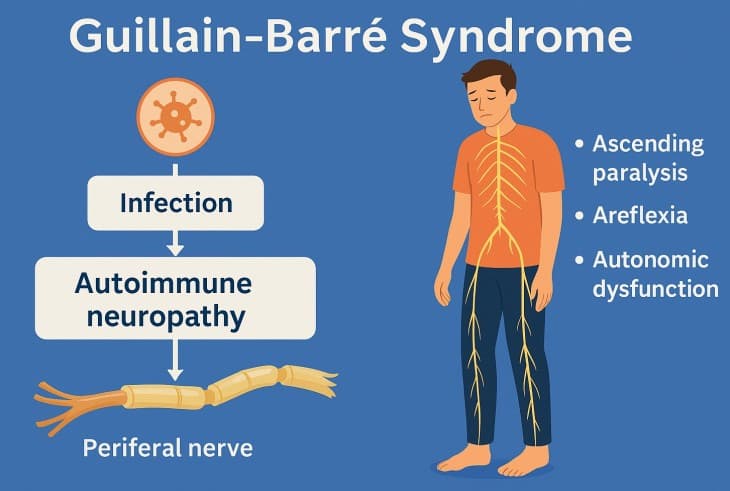
Both intravenous immunoglobulin and plasma exchange are established treatments for Guillain-Barré syndrome, and the choice often depends on availability, patient factors and local expertise. This systematic review compared the two strategies across the clinical literature. Overall, IVIG and plasma exchange produced broadly similar improvements in major GBS outcomes. The review suggested some practical advantages for IVIG, including easier delivery and fewer treatment discontinuations, while plasma exchange may have advantages in selected paediatric or treatment-specific contexts. The evidence base is heterogeneous, so small differences should not be interpreted as proof that one treatment is universally superior. For HCPs, the main clinical lesson is that treatment should be started promptly once significant GBS is recognised rather than delayed while debating which modality is theoretically best. Respiratory and autonomic monitoring remain essential because neurological deterioration can continue despite immunotherapy. Patient vascular access, haemodynamic stability, comorbidities and local resources can reasonably influence selection. The study is relevant to IANCON's focus on peripheral nervous system infections and inflammatory disorders, and it supports pragmatic treatment pathways for acute immune neuropathy.

Read summarized clinical updates, watch expert medical content, and earn CME certifications right from your smartphone.
Open your smartphone camera to scan and install.





Both intravenous immunoglobulin and plasma exchange are established treatments for Guillain-Barré syndrome, and the choice often depends on availability, patient factors and local expertise. This systematic review compared the two strategies across the clinical literature. Overall, IVIG and plasma exchange produced broadly similar improvements in major GBS outcomes. The review suggested some practical advantages for IVIG, including easier delivery and fewer treatment discontinuations, while plasma exchange may have advantages in selected paediatric or treatment-specific contexts. The evidence base is heterogeneous, so small differences should not be interpreted as proof that one treatment is universally superior. For HCPs, the main clinical lesson is that treatment should be started promptly once significant GBS is recognised rather than delayed while debating which modality is theoretically best. Respiratory and autonomic monitoring remain essential because neurological deterioration can continue despite immunotherapy. Patient vascular access, haemodynamic stability, comorbidities and local resources can reasonably influence selection. The study is relevant to IANCON's focus on peripheral nervous system infections and inflammatory disorders, and it supports pragmatic treatment pathways for acute immune neuropathy.
4 weeks back

Explore the therapeutic promise of TLR7 and TLR8 inhibitors in managing systemic lupus erythematosus and monogenic autoimmune diseases. Learn how targeting endolysosomal single-stranded RNA sensing and regulatory checkpoints like UNC93B1 and PLD4 offers precision treatment without broad immunosuppression.
Yesterday
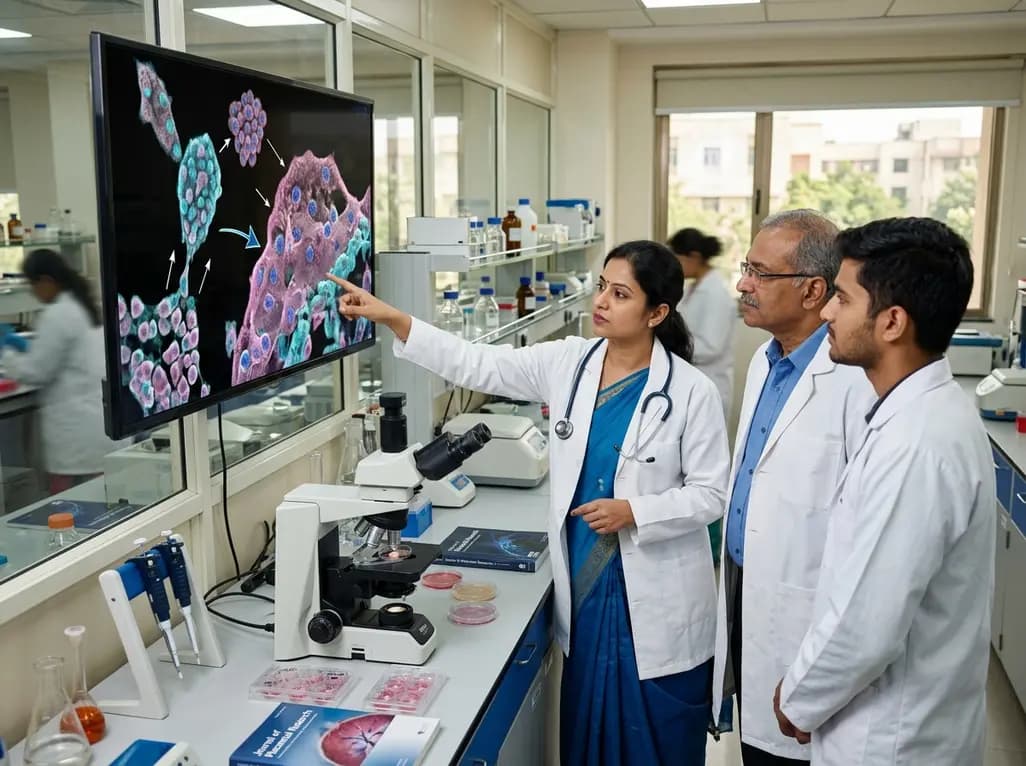
Recent research reveals that downregulating YAP1/TAZ-TEAD via Hippo signaling triggers spontaneous human trophoblast syncytialization in 3D cultures, illuminating placental biology and preeclampsia.
3 weeks back

Abdominal aortic aneurysm rupture remains a catastrophic vascular emergency. Groundbreaking research reveals that USP53 accelerates aneurysm progression by reprogramming smooth muscle cell metabolism toward aerobic glycolysis, highlighting a promising target beyond conventional diameter-based surveillance.
Yesterday
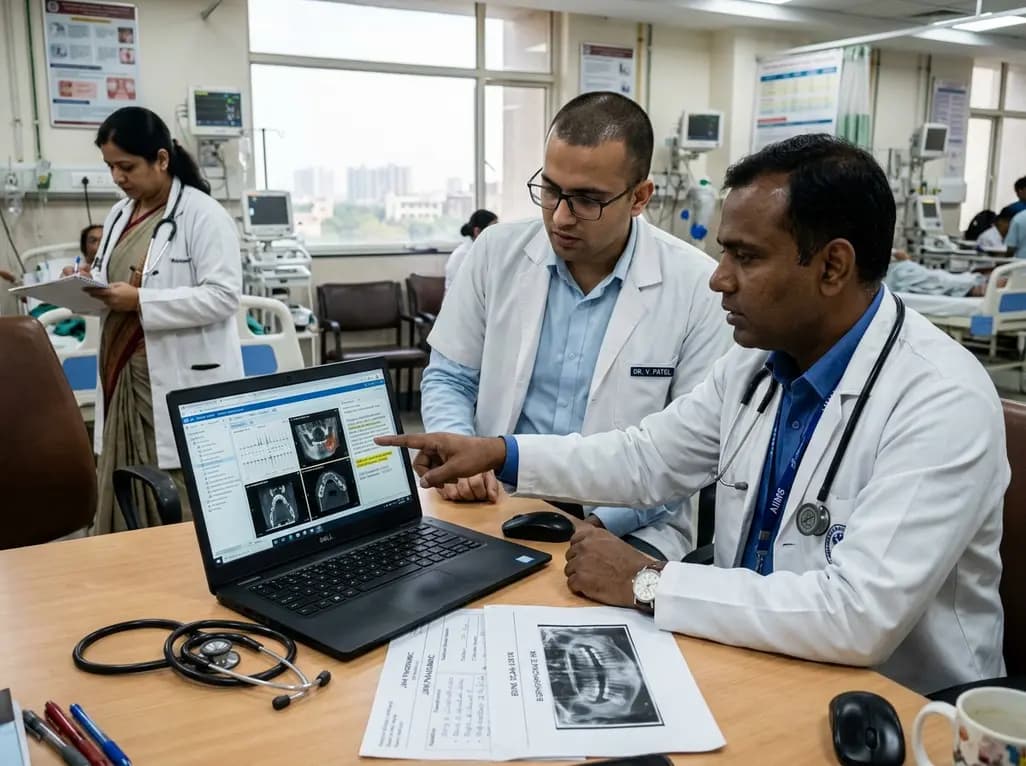
A breakthrough study leverages natural language processing to accurately identify incident medication-related osteonecrosis of the jaw and track antiresorptive drug holidays from clinical narratives in electronic health records, advancing osteoporosis pharmacovigilance and dental safety.
Yesterday
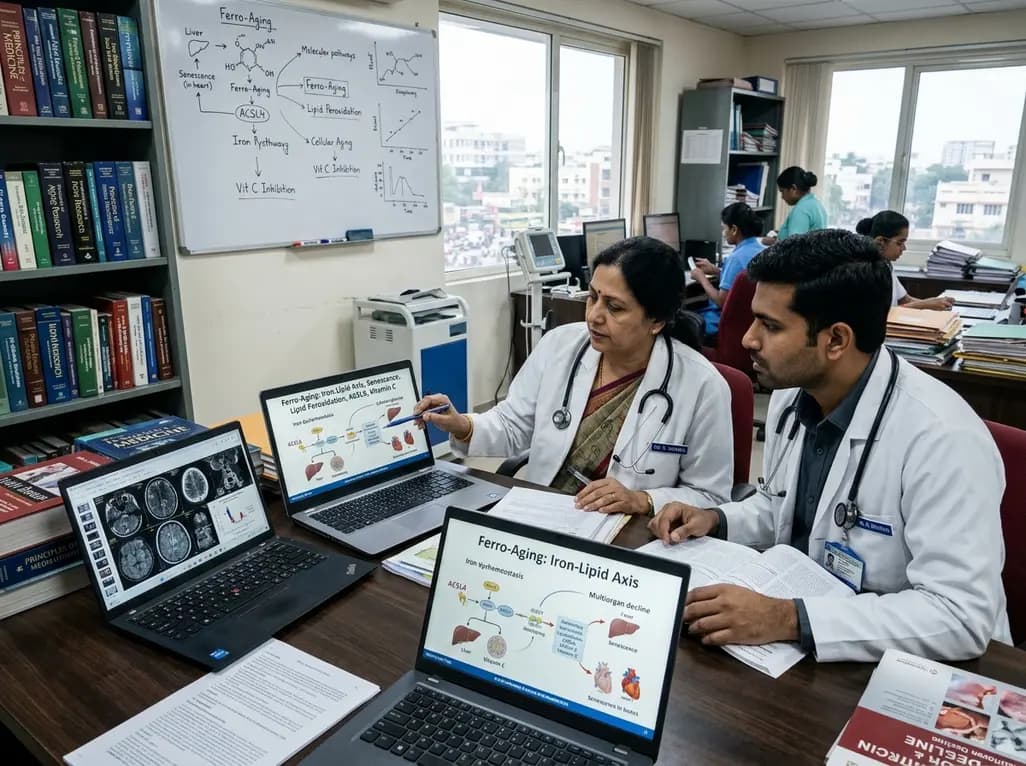
Recent research defines ferro-aging as a conserved iron-lipid axis driving organ decline across primates. Age-related iron dyshomeostasis stimulates ACSL4-mediated lipid peroxidation, promoting cellular senescence. Notably, vitamin C directly inhibits ACSL4, suppressing phospholipid oxidation and multi-organ decay.
Yesterday
