.webp&w=384&q=75)

Loading, please wait...
Loading, please wait...
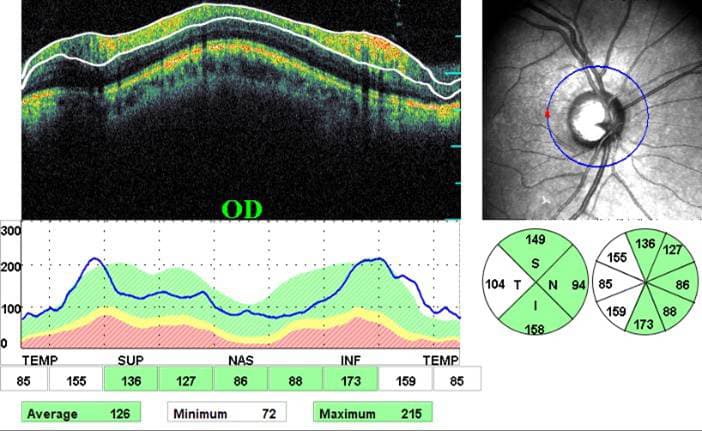
The COMPARE study directly compared standalone Hydrus Microstent with two iStent trabecular bypass devices in patients with open-angle glaucoma. The prospective multicenter randomized study found that Hydrus achieved a higher rate of complete surgical success at 12 months and produced greater reduction in glaucoma medication use. More patients in the Hydrus arm were medication-free at one year, while safety profiles were broadly similar. These findings illustrate that microinvasive glaucoma surgery is not a single homogeneous category: different devices have distinct mechanisms, implantation strategies, and pressure-lowering performance. For surgeons selecting MIGS, the practical question is not simply whether a device is minimally invasive but which trabecular pathway intervention is most appropriate for the eye and the intended treatment goal. The study also supports realistic counseling that medication reduction may be a more meaningful endpoint than dramatic IOP lowering in selected earlier-stage disease. Patient expectations, angle anatomy, cataract status, baseline medication burden, and reimbursement or access considerations remain relevant when integrating MIGS into an individualized glaucoma pathway.

Read summarized clinical updates, watch expert medical content, and earn CME certifications right from your smartphone.
Open your smartphone camera to scan and install.





The COMPARE study directly compared standalone Hydrus Microstent with two iStent trabecular bypass devices in patients with open-angle glaucoma. The prospective multicenter randomized study found that Hydrus achieved a higher rate of complete surgical success at 12 months and produced greater reduction in glaucoma medication use. More patients in the Hydrus arm were medication-free at one year, while safety profiles were broadly similar. These findings illustrate that microinvasive glaucoma surgery is not a single homogeneous category: different devices have distinct mechanisms, implantation strategies, and pressure-lowering performance. For surgeons selecting MIGS, the practical question is not simply whether a device is minimally invasive but which trabecular pathway intervention is most appropriate for the eye and the intended treatment goal. The study also supports realistic counseling that medication reduction may be a more meaningful endpoint than dramatic IOP lowering in selected earlier-stage disease. Patient expectations, angle anatomy, cataract status, baseline medication burden, and reimbursement or access considerations remain relevant when integrating MIGS into an individualized glaucoma pathway.
last month
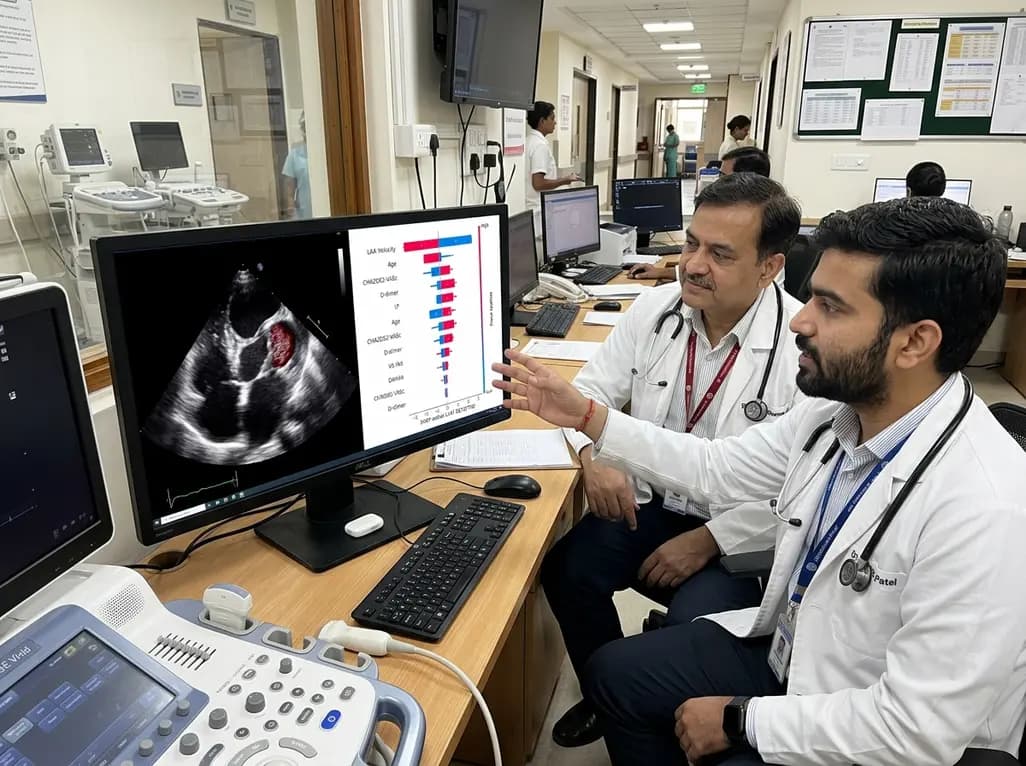
A study demonstrates an explainable machine learning framework integrating clinical and echocardiographic metrics to predict left atrial appendage thrombus in non-valvular atrial fibrillation, utilizing SHAP analysis for clinical interpretability.
2 days back
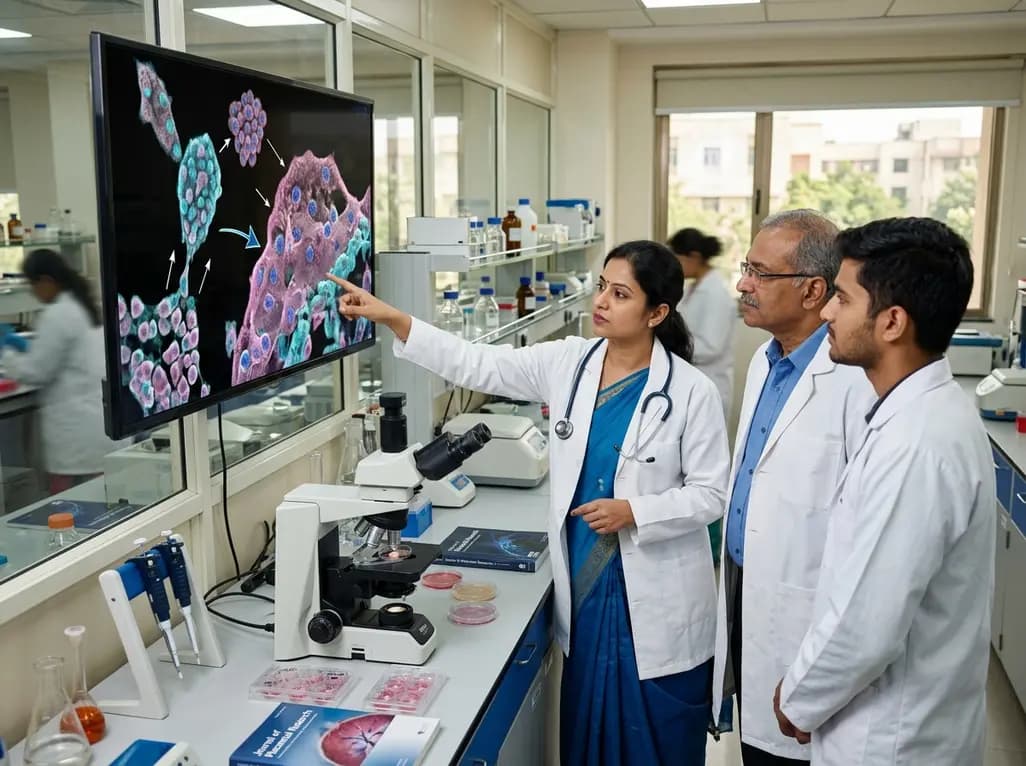
Recent research reveals that downregulating YAP1/TAZ-TEAD via Hippo signaling triggers spontaneous human trophoblast syncytialization in 3D cultures, illuminating placental biology and preeclampsia.
4 weeks back

Abdominal aortic aneurysm rupture remains a catastrophic vascular emergency. Groundbreaking research reveals that USP53 accelerates aneurysm progression by reprogramming smooth muscle cell metabolism toward aerobic glycolysis, highlighting a promising target beyond conventional diameter-based surveillance.
Last week

A breakthrough study leverages natural language processing to accurately identify incident medication-related osteonecrosis of the jaw and track antiresorptive drug holidays from clinical narratives in electronic health records, advancing osteoporosis pharmacovigilance and dental safety.
Last week

Recent research defines ferro-aging as a conserved iron-lipid axis driving organ decline across primates. Age-related iron dyshomeostasis stimulates ACSL4-mediated lipid peroxidation, promoting cellular senescence. Notably, vitamin C directly inhibits ACSL4, suppressing phospholipid oxidation and multi-organ decay.
Last week
