.webp&w=384&q=75)

Loading, please wait...
Loading, please wait...
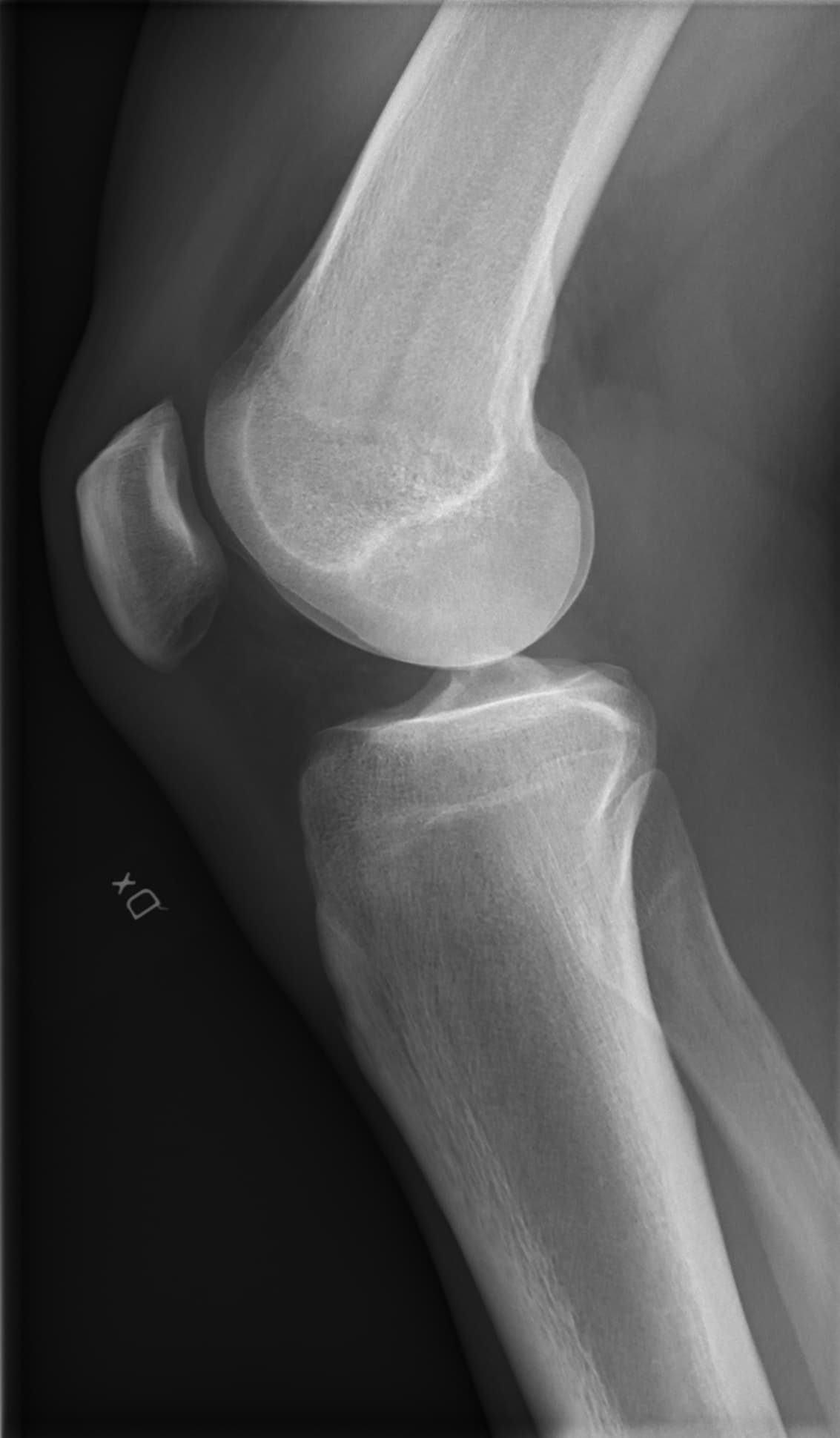
Degenerative meniscal tears often coexist with knee osteoarthritis, making it difficult to know whether symptoms are driven by the meniscus itself or the broader joint disease. The MeTeOR randomized trial compared arthroscopic partial meniscectomy followed by physical therapy with a standardized physical-therapy strategy in adults with mild-to-moderate osteoarthritis and a degenerative meniscal tear. In the intention-to-treat analysis, improvements in pain and function were similar between groups at the main follow-up point. Some patients assigned to physical therapy later crossed over to surgery, but the presence of a possible future operation did not mean that immediate arthroscopy was necessary for everyone. The trial therefore supports a stepwise approach in which a well-designed exercise and rehabilitation programme is considered before surgery for many patients with this clinical profile. The findings do not say that arthroscopy has no role; patients with persistent symptoms despite adequate nonoperative treatment may still undergo surgery. Rather, they challenge the assumption that imaging evidence of a degenerative meniscal tear automatically justifies arthroscopic intervention. For HCPs, the key practical message is to align treatment with symptoms, functional limitations and the osteoarthritic context, using physiotherapy as an active therapeutic strategy rather than a passive delay before surgery.

Read summarized clinical updates, watch expert medical content, and earn CME certifications right from your smartphone.
Open your smartphone camera to scan and install.





Degenerative meniscal tears often coexist with knee osteoarthritis, making it difficult to know whether symptoms are driven by the meniscus itself or the broader joint disease. The MeTeOR randomized trial compared arthroscopic partial meniscectomy followed by physical therapy with a standardized physical-therapy strategy in adults with mild-to-moderate osteoarthritis and a degenerative meniscal tear. In the intention-to-treat analysis, improvements in pain and function were similar between groups at the main follow-up point. Some patients assigned to physical therapy later crossed over to surgery, but the presence of a possible future operation did not mean that immediate arthroscopy was necessary for everyone. The trial therefore supports a stepwise approach in which a well-designed exercise and rehabilitation programme is considered before surgery for many patients with this clinical profile. The findings do not say that arthroscopy has no role; patients with persistent symptoms despite adequate nonoperative treatment may still undergo surgery. Rather, they challenge the assumption that imaging evidence of a degenerative meniscal tear automatically justifies arthroscopic intervention. For HCPs, the key practical message is to align treatment with symptoms, functional limitations and the osteoarthritic context, using physiotherapy as an active therapeutic strategy rather than a passive delay before surgery.
4 weeks back

A bioengineered oral nanozyme microsupplement converts pathological ROS into a protective polydopamine hydrogel shield. By curbing neutrophil extracellular traps and balancing T cells, this platform outperforms standard 5-ASA in preclinical colitis models, opening new paths for sustained remission.
4 days back

Recent research reveals that downregulating YAP1/TAZ-TEAD via Hippo signaling triggers spontaneous human trophoblast syncytialization in 3D cultures, illuminating placental biology and preeclampsia.
4 weeks back

Abdominal aortic aneurysm rupture remains a catastrophic vascular emergency. Groundbreaking research reveals that USP53 accelerates aneurysm progression by reprogramming smooth muscle cell metabolism toward aerobic glycolysis, highlighting a promising target beyond conventional diameter-based surveillance.
5 days back

A breakthrough study leverages natural language processing to accurately identify incident medication-related osteonecrosis of the jaw and track antiresorptive drug holidays from clinical narratives in electronic health records, advancing osteoporosis pharmacovigilance and dental safety.
4 days back

Recent research defines ferro-aging as a conserved iron-lipid axis driving organ decline across primates. Age-related iron dyshomeostasis stimulates ACSL4-mediated lipid peroxidation, promoting cellular senescence. Notably, vitamin C directly inhibits ACSL4, suppressing phospholipid oxidation and multi-organ decay.
5 days back
