.webp&w=384&q=75)

Loading, please wait...
Loading, please wait...
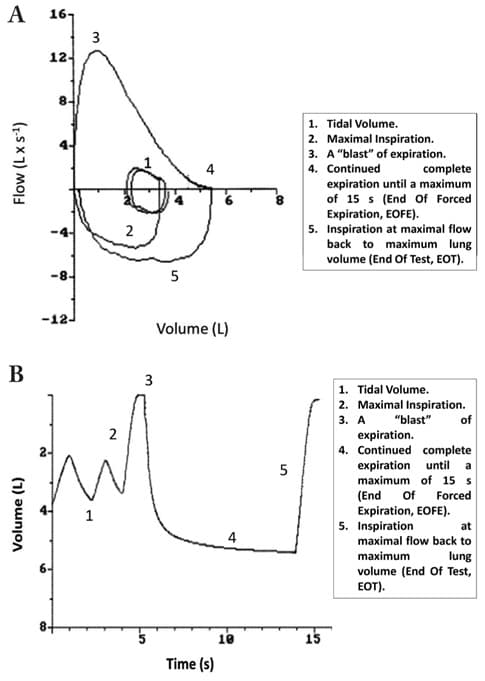
The 2022 ERS/ATS technical standard provides a modern framework for interpreting routine pulmonary function tests. It addresses how clinicians should assess spirometry, lung volumes and diffusing capacity rather than interpreting an isolated number in isolation. The document emphasizes use of appropriate reference equations, recognition of patterns and integration of multiple measurements with the clinical context. It also updates the approach to defining abnormality and supports standardized terminology for reporting lung-function results. The practical value is substantial because pulmonary function testing is often used to confirm or refine diagnoses, characterize severity and follow disease over time. An apparently abnormal FEV1/FVC ratio, restrictive-looking pattern or reduced DLCO should therefore trigger a structured interpretation rather than an automatic diagnostic label. The standard fits directly with the NAPCON PFT workshop and symposium, particularly the emphasis on lung volumes, DLCO and practical interpretation beyond FEV1/FVC. For HCPs, it reinforces a simple principle: reliable interpretation depends on technically sound testing, appropriate reference ranges and pattern recognition. This publication is especially useful as a foundation for multidisciplinary discussions involving pulmonology, radiology and other clinicians managing complex breathlessness.

Read summarized clinical updates, watch expert medical content, and earn CME certifications right from your smartphone.
Open your smartphone camera to scan and install.





The 2022 ERS/ATS technical standard provides a modern framework for interpreting routine pulmonary function tests. It addresses how clinicians should assess spirometry, lung volumes and diffusing capacity rather than interpreting an isolated number in isolation. The document emphasizes use of appropriate reference equations, recognition of patterns and integration of multiple measurements with the clinical context. It also updates the approach to defining abnormality and supports standardized terminology for reporting lung-function results. The practical value is substantial because pulmonary function testing is often used to confirm or refine diagnoses, characterize severity and follow disease over time. An apparently abnormal FEV1/FVC ratio, restrictive-looking pattern or reduced DLCO should therefore trigger a structured interpretation rather than an automatic diagnostic label. The standard fits directly with the NAPCON PFT workshop and symposium, particularly the emphasis on lung volumes, DLCO and practical interpretation beyond FEV1/FVC. For HCPs, it reinforces a simple principle: reliable interpretation depends on technically sound testing, appropriate reference ranges and pattern recognition. This publication is especially useful as a foundation for multidisciplinary discussions involving pulmonology, radiology and other clinicians managing complex breathlessness.
4 weeks back

Explore the therapeutic promise of TLR7 and TLR8 inhibitors in managing systemic lupus erythematosus and monogenic autoimmune diseases. Learn how targeting endolysosomal single-stranded RNA sensing and regulatory checkpoints like UNC93B1 and PLD4 offers precision treatment without broad immunosuppression.
2 days back

Recent research reveals that downregulating YAP1/TAZ-TEAD via Hippo signaling triggers spontaneous human trophoblast syncytialization in 3D cultures, illuminating placental biology and preeclampsia.
3 weeks back

Abdominal aortic aneurysm rupture remains a catastrophic vascular emergency. Groundbreaking research reveals that USP53 accelerates aneurysm progression by reprogramming smooth muscle cell metabolism toward aerobic glycolysis, highlighting a promising target beyond conventional diameter-based surveillance.
2 days back
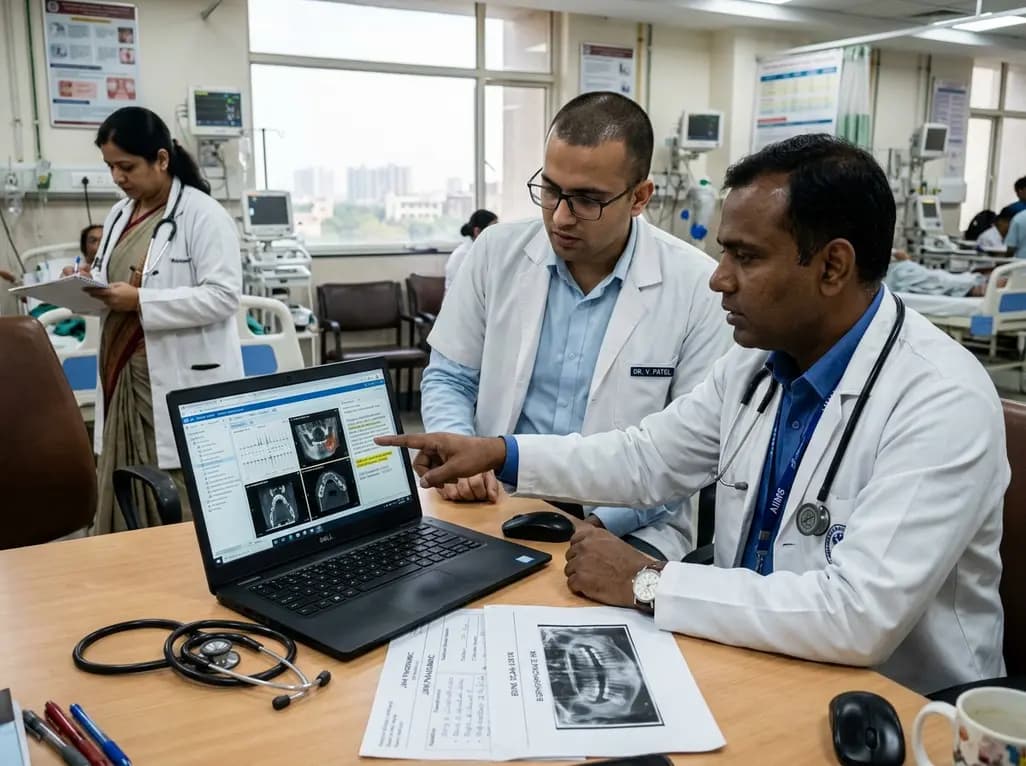
A breakthrough study leverages natural language processing to accurately identify incident medication-related osteonecrosis of the jaw and track antiresorptive drug holidays from clinical narratives in electronic health records, advancing osteoporosis pharmacovigilance and dental safety.
2 days back

Recent research defines ferro-aging as a conserved iron-lipid axis driving organ decline across primates. Age-related iron dyshomeostasis stimulates ACSL4-mediated lipid peroxidation, promoting cellular senescence. Notably, vitamin C directly inhibits ACSL4, suppressing phospholipid oxidation and multi-organ decay.
2 days back
