.webp&w=384&q=75)

Loading, please wait...
Loading, please wait...
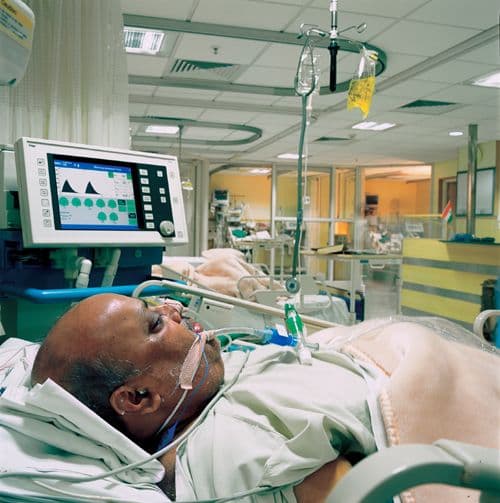
A randomized trial in mechanically ventilated, critically ill adults examined whether physical and occupational therapy could begin earlier than was traditional in the intensive-care setting. The intervention combined mobilization and functional activities while patients were still receiving critical support. Patients in the early-therapy group were more likely to regain functional independence at hospital discharge and had favorable changes in other clinically relevant recovery measures, including delirium and ventilator-free time. The study helped establish early mobilization as more than a rehabilitation concept; it is part of acute critical-care management. For HCPs, the important shift is to think about mobility from the beginning of the ICU stay rather than waiting until extubation or transfer. Assessment of sedation, cardiovascular stability, respiratory support, staffing, and safety criteria remains essential, but prolonged immobility should not be accepted as unavoidable. The findings map directly onto the conference session on early mobilisation in ventilated patients and reinforce a broader continuum of care from ventilation to recovery. In practice, respiratory teams can help identify when a patient is stable enough to progress from passive to active mobilization.

Read summarized clinical updates, watch expert medical content, and earn CME certifications right from your smartphone.
Open your smartphone camera to scan and install.





A randomized trial in mechanically ventilated, critically ill adults examined whether physical and occupational therapy could begin earlier than was traditional in the intensive-care setting. The intervention combined mobilization and functional activities while patients were still receiving critical support. Patients in the early-therapy group were more likely to regain functional independence at hospital discharge and had favorable changes in other clinically relevant recovery measures, including delirium and ventilator-free time. The study helped establish early mobilization as more than a rehabilitation concept; it is part of acute critical-care management. For HCPs, the important shift is to think about mobility from the beginning of the ICU stay rather than waiting until extubation or transfer. Assessment of sedation, cardiovascular stability, respiratory support, staffing, and safety criteria remains essential, but prolonged immobility should not be accepted as unavoidable. The findings map directly onto the conference session on early mobilisation in ventilated patients and reinforce a broader continuum of care from ventilation to recovery. In practice, respiratory teams can help identify when a patient is stable enough to progress from passive to active mobilization.
4 weeks back

A bioengineered oral nanozyme microsupplement converts pathological ROS into a protective polydopamine hydrogel shield. By curbing neutrophil extracellular traps and balancing T cells, this platform outperforms standard 5-ASA in preclinical colitis models, opening new paths for sustained remission.
3 days back
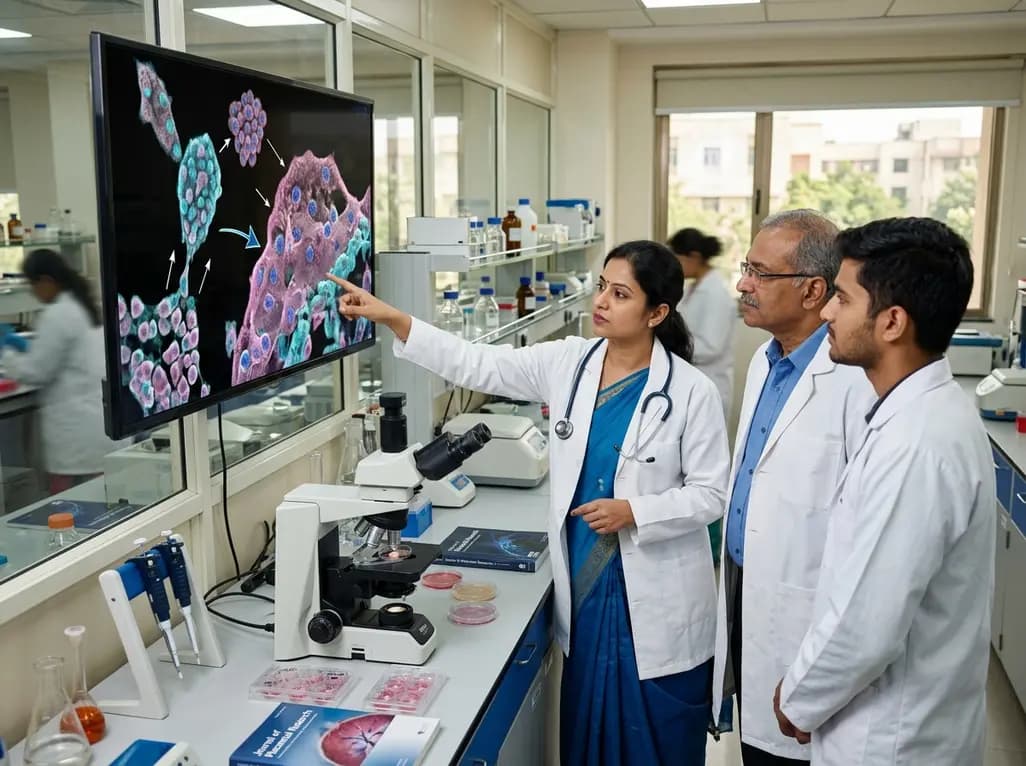
Recent research reveals that downregulating YAP1/TAZ-TEAD via Hippo signaling triggers spontaneous human trophoblast syncytialization in 3D cultures, illuminating placental biology and preeclampsia.
4 weeks back

Abdominal aortic aneurysm rupture remains a catastrophic vascular emergency. Groundbreaking research reveals that USP53 accelerates aneurysm progression by reprogramming smooth muscle cell metabolism toward aerobic glycolysis, highlighting a promising target beyond conventional diameter-based surveillance.
4 days back
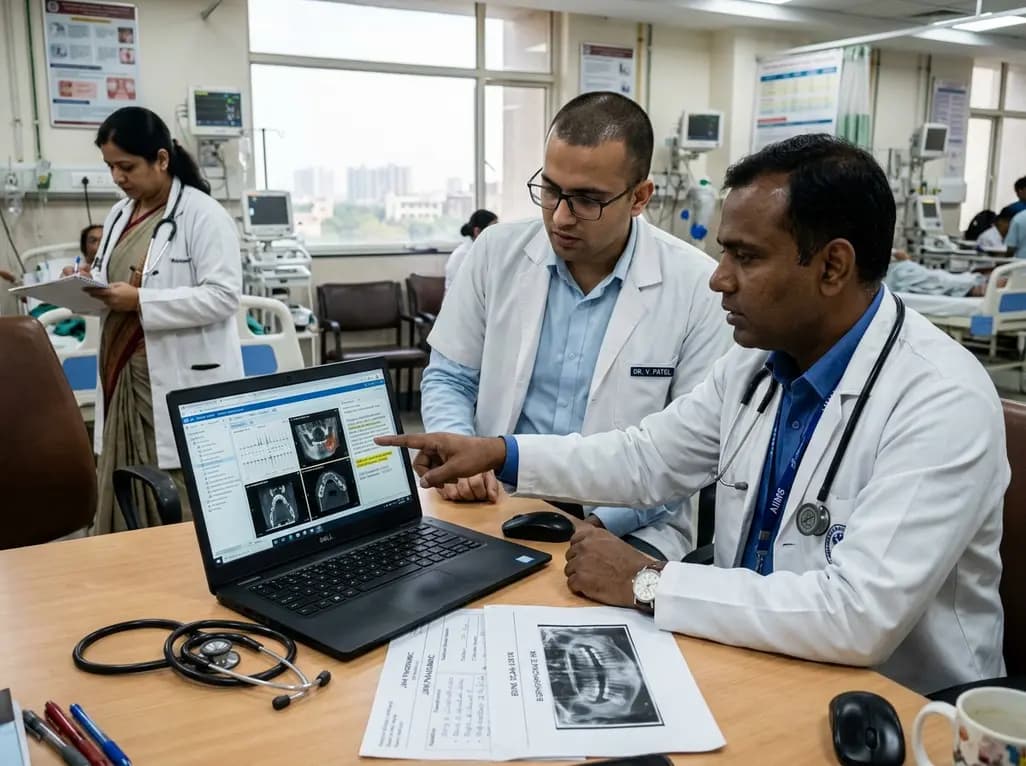
A breakthrough study leverages natural language processing to accurately identify incident medication-related osteonecrosis of the jaw and track antiresorptive drug holidays from clinical narratives in electronic health records, advancing osteoporosis pharmacovigilance and dental safety.
4 days back

Recent research defines ferro-aging as a conserved iron-lipid axis driving organ decline across primates. Age-related iron dyshomeostasis stimulates ACSL4-mediated lipid peroxidation, promoting cellular senescence. Notably, vitamin C directly inhibits ACSL4, suppressing phospholipid oxidation and multi-organ decay.
5 days back
