

Loading, please wait...
Loading, please wait...
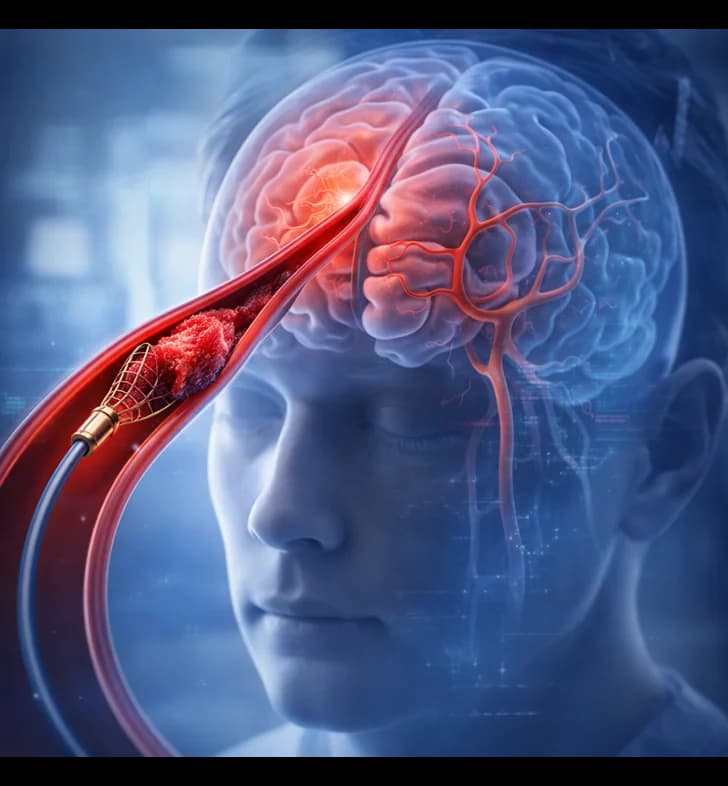
This phase 3, multicentre, double-blind, randomised, placebo-controlled trial evaluated whether early tirofiban infusion improved functional outcomes in patients with acute non-cardioembolic ischemic stroke who received intravenous thrombolysis within 4.5 hours of symptom onset and were ineligible for thrombectomy. A total of 832 patients from 38 centres in China were randomised to receive a 24-hour intravenous infusion of tirofiban (n=414) or placebo (n=418) within 60 minutes after thrombolysis; 75% received alteplase and 25% received tenecteplase. The primary endpoint was excellent functional outcome, defined as a modified Rankin Scale (mRS) score of 0–1 at 90 days. Excellent functional outcome occurred in 65.9% of patients receiving tirofiban versus 54.9% receiving placebo (risk ratio, 1.20; 95% CI, 1.07–1.34; p=0.001). Symptomatic intracranial haemorrhage within 36 hours occurred in 1.7% of the tirofiban group and none of the placebo group. Ninety-day mortality was similar between groups (4.1% vs 3.8%). The authors concluded that early tirofiban increased the likelihood of excellent functional recovery after thrombolysis, although the increased incidence of symptomatic intracranial haemorrhage highlights the need to balance potential benefit against bleeding risk.

Read summarized clinical updates, watch expert medical content, and earn CME certifications right from your smartphone.
Open your smartphone camera to scan and install.





This phase 3, multicentre, double-blind, randomised, placebo-controlled trial evaluated whether early tirofiban infusion improved functional outcomes in patients with acute non-cardioembolic ischemic stroke who received intravenous thrombolysis within 4.5 hours of symptom onset and were ineligible for thrombectomy. A total of 832 patients from 38 centres in China were randomised to receive a 24-hour intravenous infusion of tirofiban (n=414) or placebo (n=418) within 60 minutes after thrombolysis; 75% received alteplase and 25% received tenecteplase. The primary endpoint was excellent functional outcome, defined as a modified Rankin Scale (mRS) score of 0–1 at 90 days. Excellent functional outcome occurred in 65.9% of patients receiving tirofiban versus 54.9% receiving placebo (risk ratio, 1.20; 95% CI, 1.07–1.34; p=0.001). Symptomatic intracranial haemorrhage within 36 hours occurred in 1.7% of the tirofiban group and none of the placebo group. Ninety-day mortality was similar between groups (4.1% vs 3.8%). The authors concluded that early tirofiban increased the likelihood of excellent functional recovery after thrombolysis, although the increased incidence of symptomatic intracranial haemorrhage highlights the need to balance potential benefit against bleeding risk.
Today

A breakthrough study shows that oral intestinal ROS scavenging using black phosphorus nanosheets restores gut microbiota balance and increases kynurenic acid. This metabolite activates AhR signaling to correct Treg/Th17 dysregulation and alleviate rheumatoid arthritis progression.
Yesterday

An all-printed immunosensing microchip detects urinary sFlt-1 in just 10 minutes with 3.61 pg/mL sensitivity. By leveraging photonic bandgap engineering, this low-cost, cleanroom-free platform provides non-invasive preeclampsia screening, offering substantial benefits for point-of-care obstetric triage.
5 days back
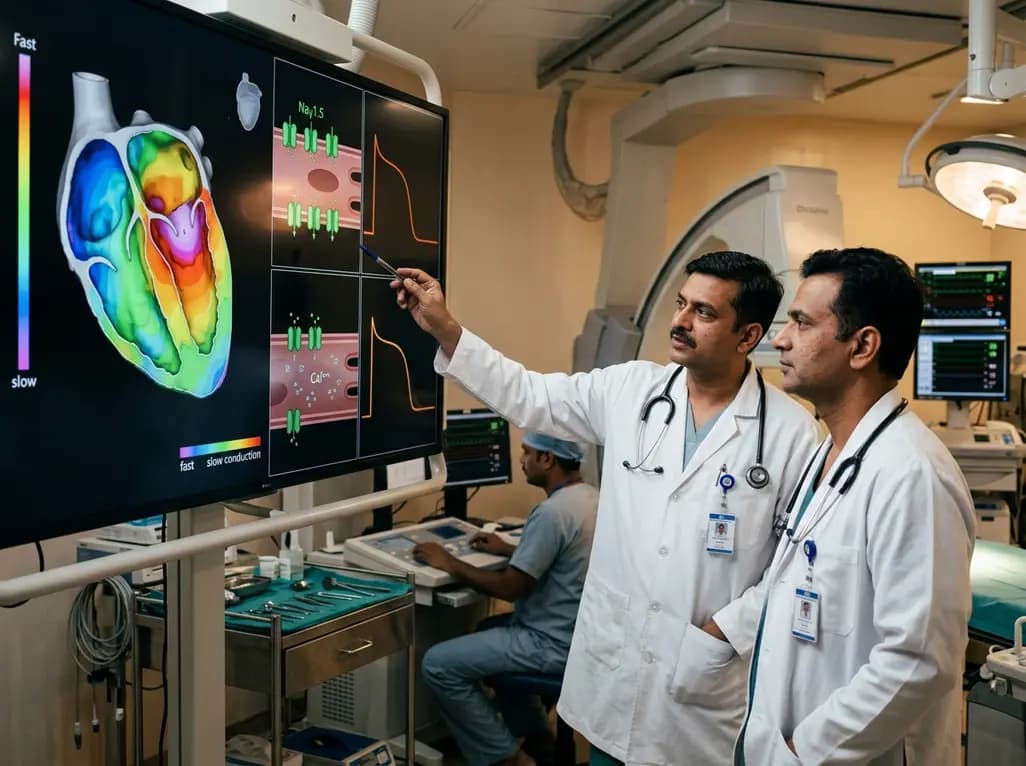
New research reveals that non-ablative radiotherapy suppresses ventricular tachycardia by increasing conduction velocity via NaV1.5 upregulation and action potential prolongation. However, sustained sodium current elevation and depressed calcium handling highlight the need for careful clinical translation.
2 days back
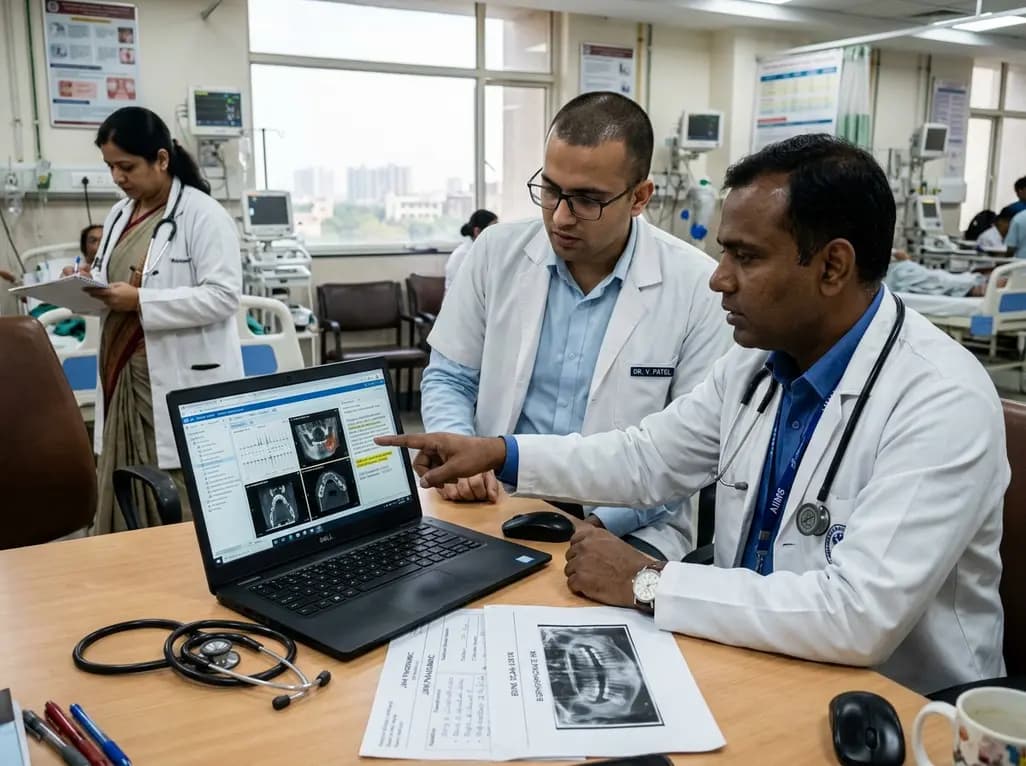
A breakthrough study leverages natural language processing to accurately identify incident medication-related osteonecrosis of the jaw and track antiresorptive drug holidays from clinical narratives in electronic health records, advancing osteoporosis pharmacovigilance and dental safety.
2 weeks back
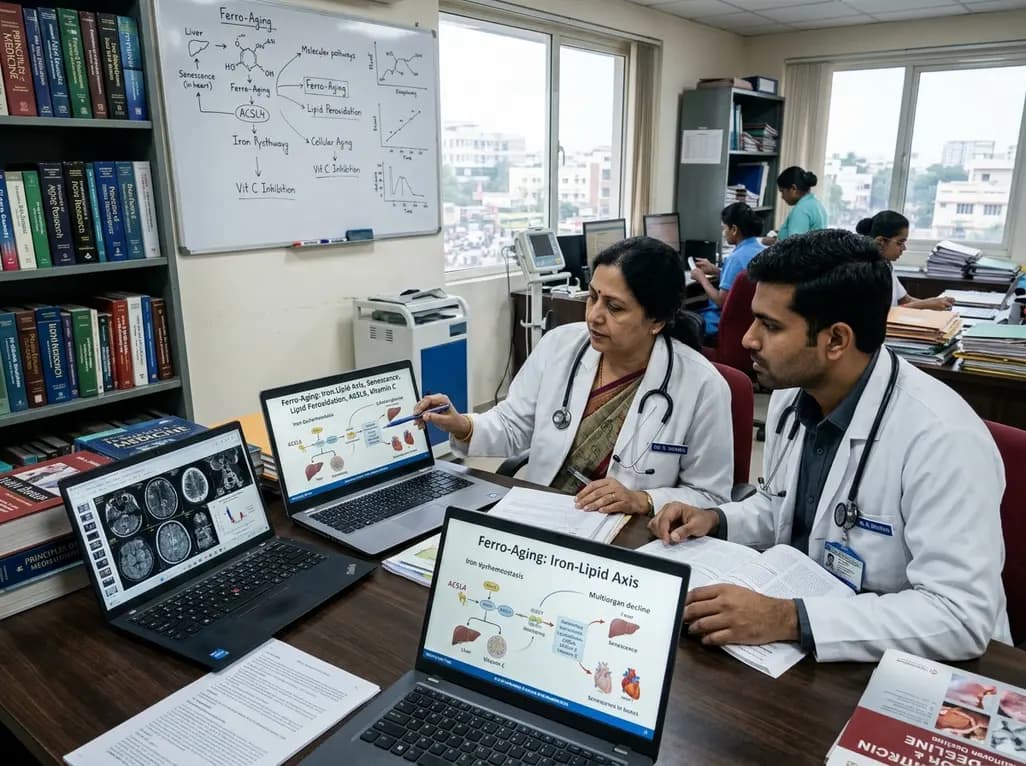
Recent research defines ferro-aging as a conserved iron-lipid axis driving organ decline across primates. Age-related iron dyshomeostasis stimulates ACSL4-mediated lipid peroxidation, promoting cellular senescence. Notably, vitamin C directly inhibits ACSL4, suppressing phospholipid oxidation and multi-organ decay.
2 weeks back
