.webp&w=384&q=75)

Loading, please wait...
Loading, please wait...
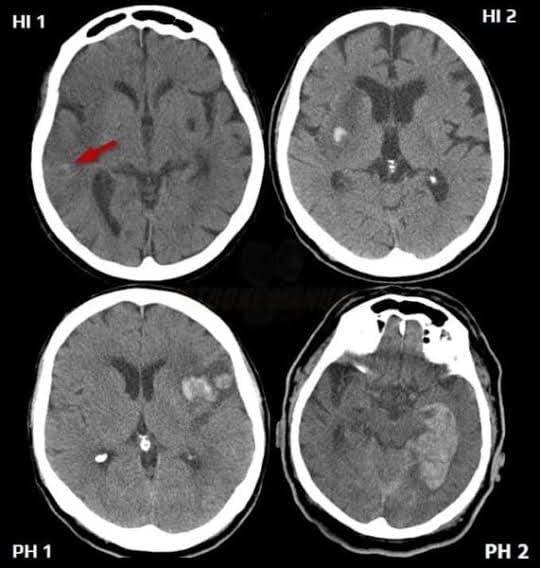
The ATAMIS randomized clinical trial investigated whether adding clopidogrel to aspirin reduced early neurological deterioration in patients with acute mild-to-moderate ischemic stroke compared with aspirin alone. Participants were assigned to dual antiplatelet therapy or aspirin monotherapy, with early neurological deterioration during the initial hospitalization serving as the primary outcome. The trial found that early neurological deterioration occurred less frequently with clopidogrel plus aspirin than with aspirin alone, demonstrating a statistically significant benefit for the primary endpoint. The study addressed an important treatment gap between minor stroke populations, for whom short-term dual antiplatelet therapy is established in selected circumstances, and patients with somewhat greater initial neurological deficits. The findings support a potential role for early dual antiplatelet therapy in reducing neurological worsening in appropriately selected patients; however, the treatment decision must also consider bleeding risk, stroke mechanism, treatment timing, and the applicability of the trial population. Exact event counts, adjusted effect estimates, confidence intervals, and safety outcomes should be transcribed from the full Results tables before using this snippet as a quantitative evidence summary.

Read summarized clinical updates, watch expert medical content, and earn CME certifications right from your smartphone.
Open your smartphone camera to scan and install.





The ATAMIS randomized clinical trial investigated whether adding clopidogrel to aspirin reduced early neurological deterioration in patients with acute mild-to-moderate ischemic stroke compared with aspirin alone. Participants were assigned to dual antiplatelet therapy or aspirin monotherapy, with early neurological deterioration during the initial hospitalization serving as the primary outcome. The trial found that early neurological deterioration occurred less frequently with clopidogrel plus aspirin than with aspirin alone, demonstrating a statistically significant benefit for the primary endpoint. The study addressed an important treatment gap between minor stroke populations, for whom short-term dual antiplatelet therapy is established in selected circumstances, and patients with somewhat greater initial neurological deficits. The findings support a potential role for early dual antiplatelet therapy in reducing neurological worsening in appropriately selected patients; however, the treatment decision must also consider bleeding risk, stroke mechanism, treatment timing, and the applicability of the trial population. Exact event counts, adjusted effect estimates, confidence intervals, and safety outcomes should be transcribed from the full Results tables before using this snippet as a quantitative evidence summary.
Today
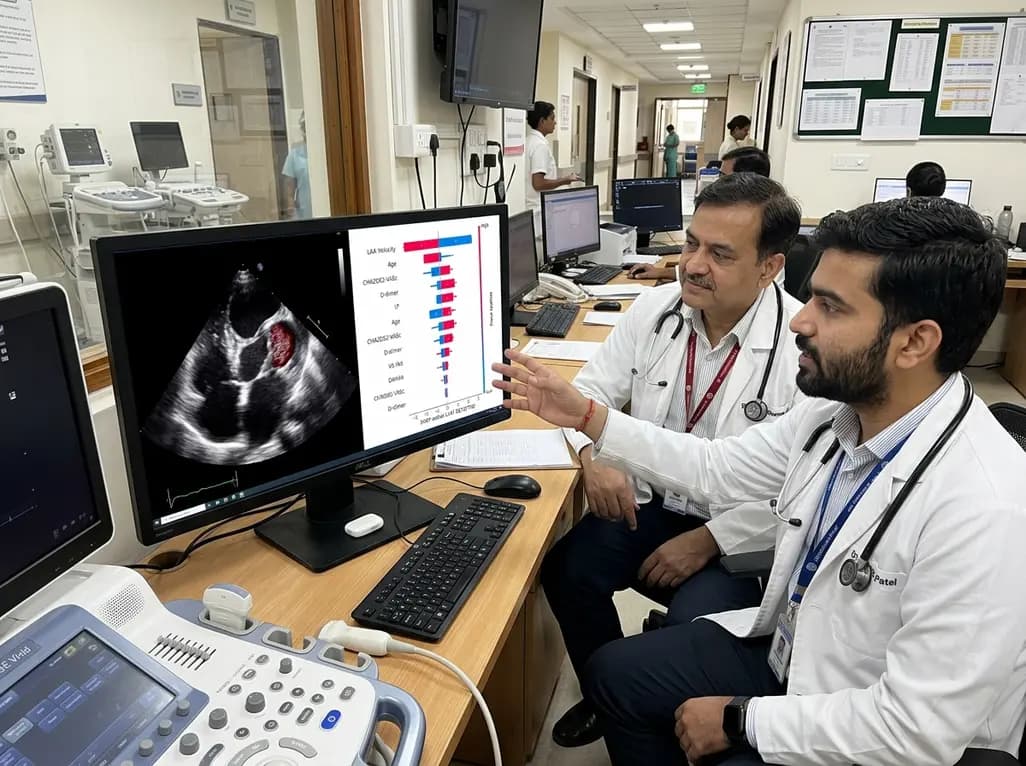
A study demonstrates an explainable machine learning framework integrating clinical and echocardiographic metrics to predict left atrial appendage thrombus in non-valvular atrial fibrillation, utilizing SHAP analysis for clinical interpretability.
2 days back

Recent research reveals that downregulating YAP1/TAZ-TEAD via Hippo signaling triggers spontaneous human trophoblast syncytialization in 3D cultures, illuminating placental biology and preeclampsia.
4 weeks back

Abdominal aortic aneurysm rupture remains a catastrophic vascular emergency. Groundbreaking research reveals that USP53 accelerates aneurysm progression by reprogramming smooth muscle cell metabolism toward aerobic glycolysis, highlighting a promising target beyond conventional diameter-based surveillance.
Last week

A breakthrough study leverages natural language processing to accurately identify incident medication-related osteonecrosis of the jaw and track antiresorptive drug holidays from clinical narratives in electronic health records, advancing osteoporosis pharmacovigilance and dental safety.
Last week

Recent research defines ferro-aging as a conserved iron-lipid axis driving organ decline across primates. Age-related iron dyshomeostasis stimulates ACSL4-mediated lipid peroxidation, promoting cellular senescence. Notably, vitamin C directly inhibits ACSL4, suppressing phospholipid oxidation and multi-organ decay.
Last week
