.webp&w=384&q=75)

Loading, please wait...
Loading, please wait...
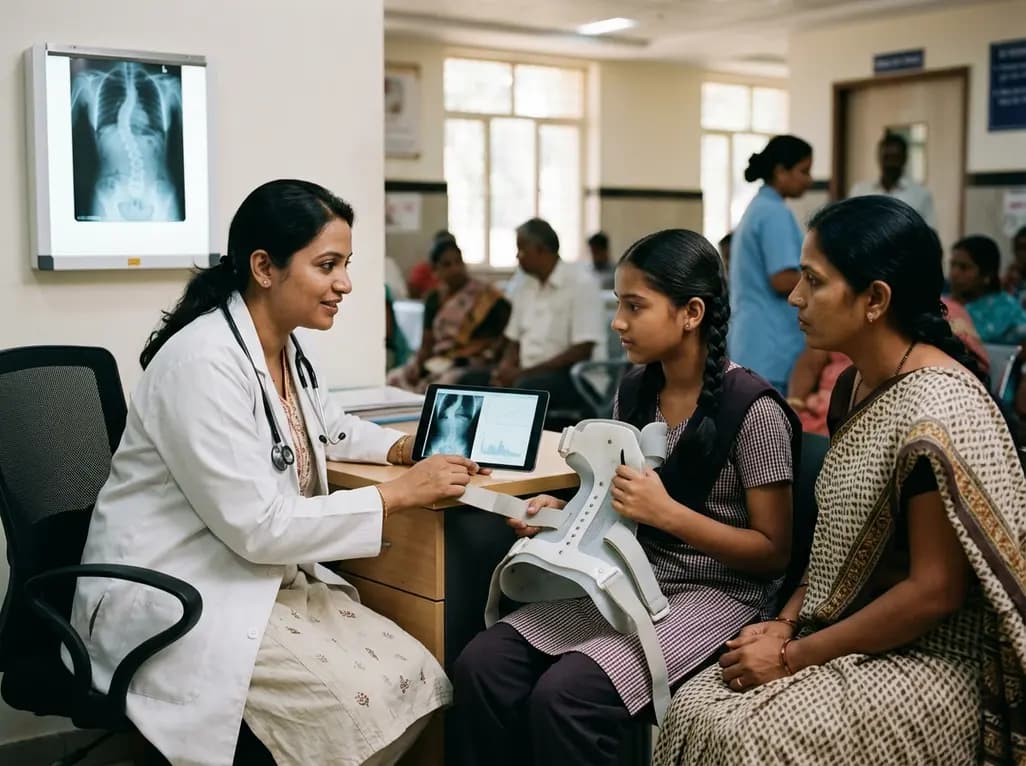
Adolescent idiopathic scoliosis can progress during growth, with larger curves creating a greater risk of surgery. The multicentre BRAIST trial compared bracing with observation in adolescents who met accepted criteria for a high risk of curve progression. The randomized component was stopped early because the efficacy signal favoured bracing. Across the combined randomized and preference cohorts, bracing substantially increased the probability of treatment success, defined as reaching skeletal maturity without progression to a curve magnitude associated with surgery. The benefit was related to the number of hours the brace was worn. For HCPs, the study established that bracing is an effective strategy for appropriately selected skeletally immature adolescents rather than a low-value holding measure. Adherence is central, and counselling should address comfort, body image, school activities and practical barriers. The trial also illustrates why early recognition matters: bracing is intended to prevent progression while substantial growth remains, not to reverse a mature deformity. Shared decision-making should integrate curve magnitude, skeletal maturity, expected progression risk and patient preferences.

Read summarized clinical updates, watch expert medical content, and earn CME certifications right from your smartphone.
Open your smartphone camera to scan and install.





Adolescent idiopathic scoliosis can progress during growth, with larger curves creating a greater risk of surgery. The multicentre BRAIST trial compared bracing with observation in adolescents who met accepted criteria for a high risk of curve progression. The randomized component was stopped early because the efficacy signal favoured bracing. Across the combined randomized and preference cohorts, bracing substantially increased the probability of treatment success, defined as reaching skeletal maturity without progression to a curve magnitude associated with surgery. The benefit was related to the number of hours the brace was worn. For HCPs, the study established that bracing is an effective strategy for appropriately selected skeletally immature adolescents rather than a low-value holding measure. Adherence is central, and counselling should address comfort, body image, school activities and practical barriers. The trial also illustrates why early recognition matters: bracing is intended to prevent progression while substantial growth remains, not to reverse a mature deformity. Shared decision-making should integrate curve magnitude, skeletal maturity, expected progression risk and patient preferences.
last month

Preclinical findings demonstrate that ginsenoside Ra1 preserves vascular integrity and attenuates multi-organ injury during sepsis by targeting non-muscle myosin heavy chain IIA (NMMHC IIA) and dampening TLR4/NF-κB/NLRP3 inflammatory signaling.
2 days back
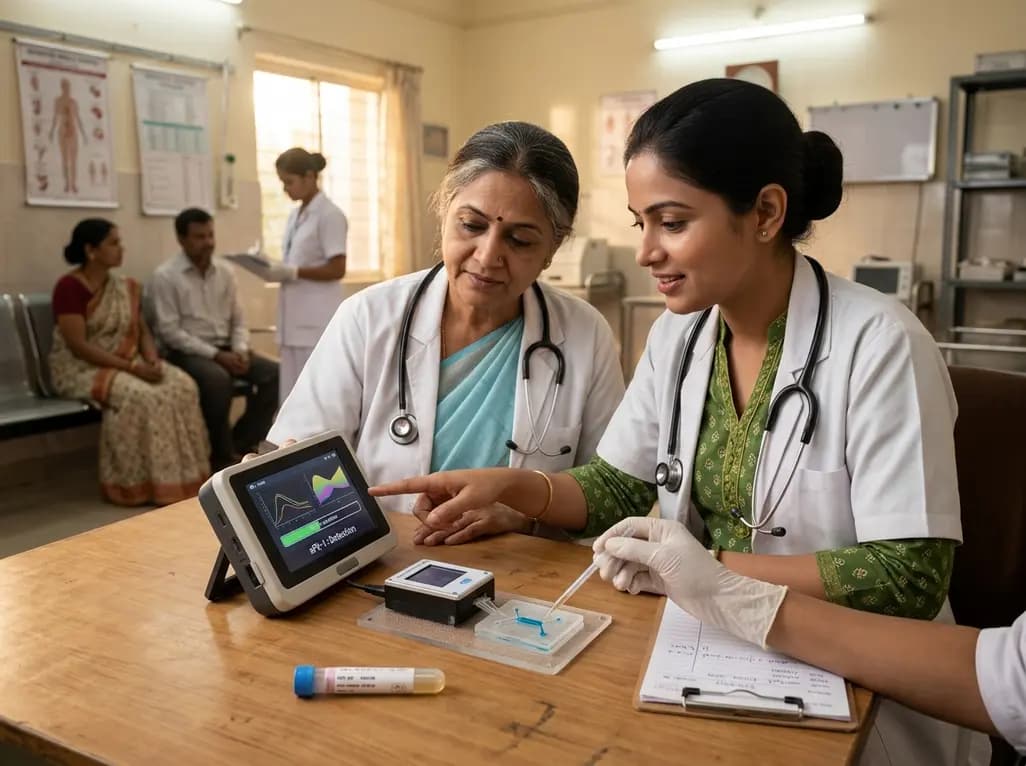
An all-printed immunosensing microchip detects urinary sFlt-1 in just 10 minutes with 3.61 pg/mL sensitivity. By leveraging photonic bandgap engineering, this low-cost, cleanroom-free platform provides non-invasive preeclampsia screening, offering substantial benefits for point-of-care obstetric triage.
3 days back

Wearable ultrasound patches are transforming healthcare by shifting medicine from episodic evaluations to continuous monitoring. Discover how flexible acoustic transducers advance cardiovascular tracking, musculoskeletal imaging, neuromodulation, and on-demand closed-loop theranostics.
3 days back
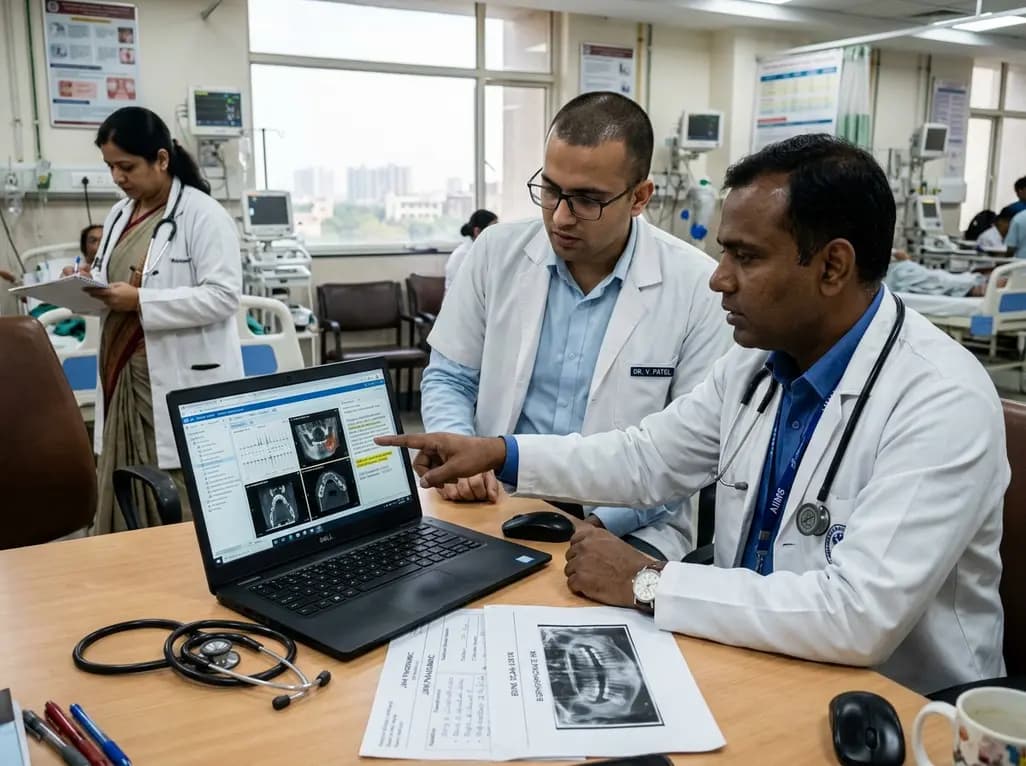
A breakthrough study leverages natural language processing to accurately identify incident medication-related osteonecrosis of the jaw and track antiresorptive drug holidays from clinical narratives in electronic health records, advancing osteoporosis pharmacovigilance and dental safety.
Last week
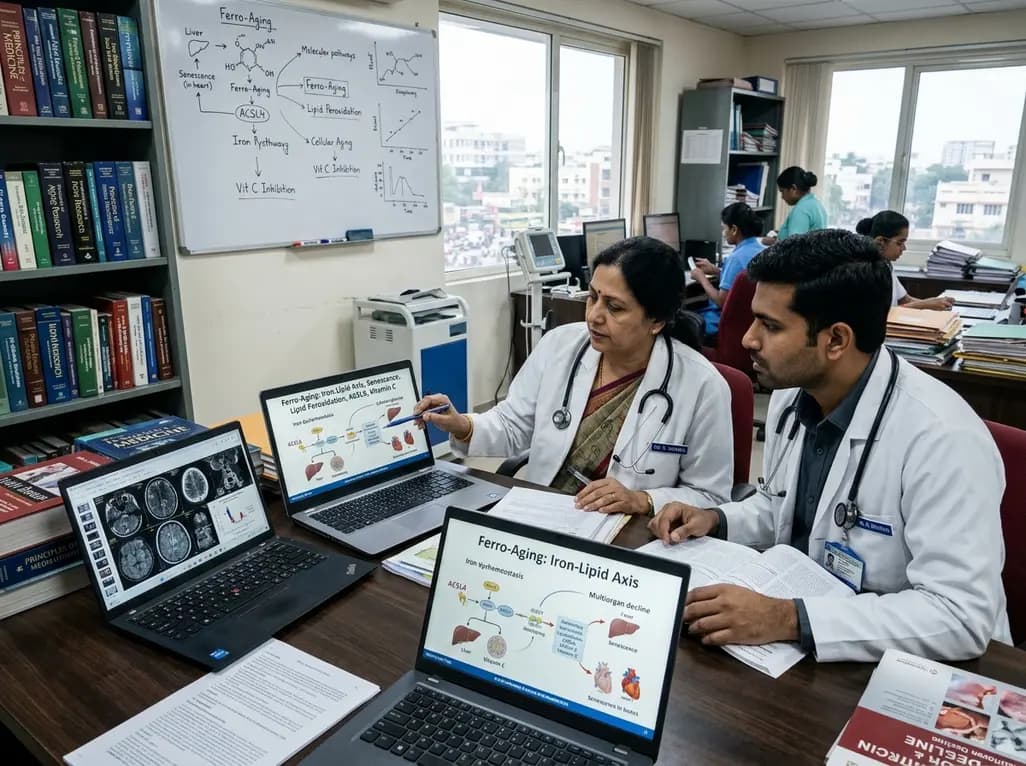
Recent research defines ferro-aging as a conserved iron-lipid axis driving organ decline across primates. Age-related iron dyshomeostasis stimulates ACSL4-mediated lipid peroxidation, promoting cellular senescence. Notably, vitamin C directly inhibits ACSL4, suppressing phospholipid oxidation and multi-organ decay.
Last week
