.webp&w=384&q=75)

Loading, please wait...
Loading, please wait...
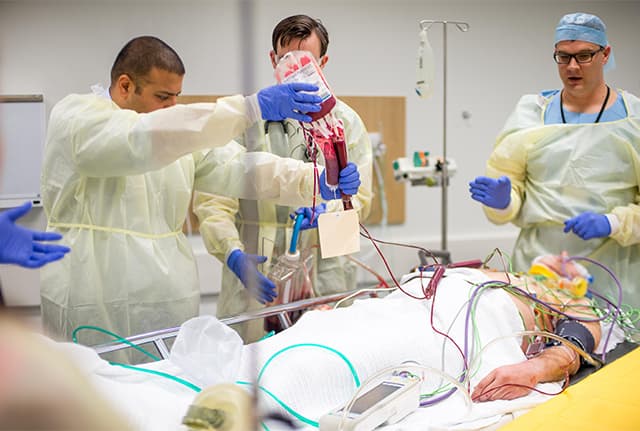
The PROPPR randomised clinical trial evaluated two massive-transfusion strategies in severely injured patients with major bleeding: a 1:1:1 ratio of plasma, platelets and red blood cells versus a 1:1:2 ratio. The study enrolled 680 patients at 12 North American level I trauma centres and addressed a central question in damage-control resuscitation: whether earlier balanced blood-component delivery improves outcomes. The trial did not demonstrate a statistically significant reduction in mortality at 24 hours or 30 days. However, the 1:1:1 strategy reduced death from exsanguination in the first 24 hours and increased the proportion of patients who achieved haemostasis. Importantly, it did not produce a significant increase in the prespecified complications measured in the trial. For HCPs, the practical message is that transfusion strategy should be judged on more than overall mortality. In actively bleeding trauma, rapid haemorrhage control and timely balanced component therapy may improve the ability to achieve haemostasis, while decisions must still account for available products, viscoelastic testing, surgical control and local protocols. The study fits CritiCARE's trauma sessions on coagulopathy, haemorrhage control and viscoelastic point-of-care testing.

Read summarized clinical updates, watch expert medical content, and earn CME certifications right from your smartphone.
Open your smartphone camera to scan and install.





The PROPPR randomised clinical trial evaluated two massive-transfusion strategies in severely injured patients with major bleeding: a 1:1:1 ratio of plasma, platelets and red blood cells versus a 1:1:2 ratio. The study enrolled 680 patients at 12 North American level I trauma centres and addressed a central question in damage-control resuscitation: whether earlier balanced blood-component delivery improves outcomes. The trial did not demonstrate a statistically significant reduction in mortality at 24 hours or 30 days. However, the 1:1:1 strategy reduced death from exsanguination in the first 24 hours and increased the proportion of patients who achieved haemostasis. Importantly, it did not produce a significant increase in the prespecified complications measured in the trial. For HCPs, the practical message is that transfusion strategy should be judged on more than overall mortality. In actively bleeding trauma, rapid haemorrhage control and timely balanced component therapy may improve the ability to achieve haemostasis, while decisions must still account for available products, viscoelastic testing, surgical control and local protocols. The study fits CritiCARE's trauma sessions on coagulopathy, haemorrhage control and viscoelastic point-of-care testing.
4 weeks back

A bioengineered oral nanozyme microsupplement converts pathological ROS into a protective polydopamine hydrogel shield. By curbing neutrophil extracellular traps and balancing T cells, this platform outperforms standard 5-ASA in preclinical colitis models, opening new paths for sustained remission.
2 days back
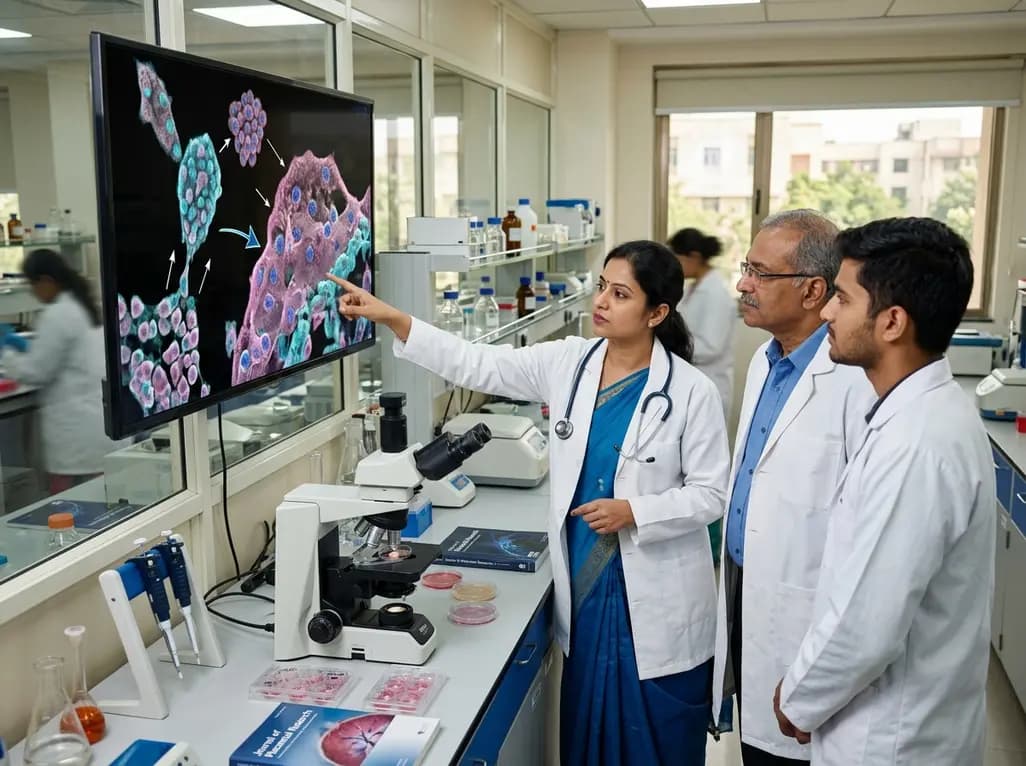
Recent research reveals that downregulating YAP1/TAZ-TEAD via Hippo signaling triggers spontaneous human trophoblast syncytialization in 3D cultures, illuminating placental biology and preeclampsia.
3 weeks back

Abdominal aortic aneurysm rupture remains a catastrophic vascular emergency. Groundbreaking research reveals that USP53 accelerates aneurysm progression by reprogramming smooth muscle cell metabolism toward aerobic glycolysis, highlighting a promising target beyond conventional diameter-based surveillance.
3 days back
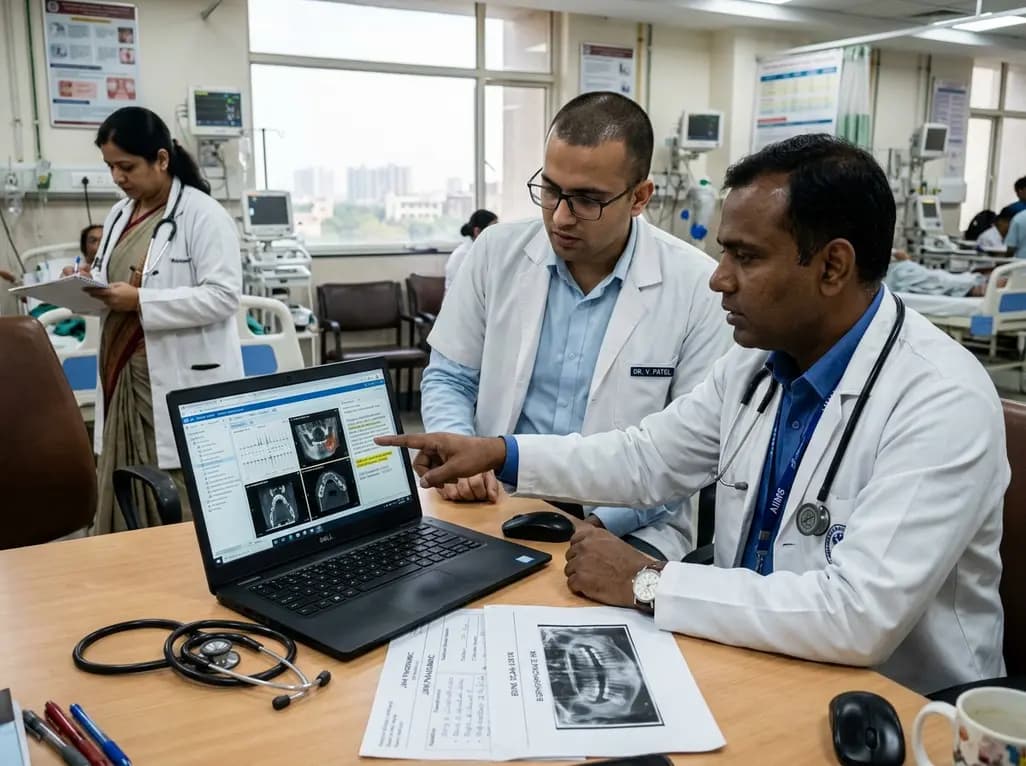
A breakthrough study leverages natural language processing to accurately identify incident medication-related osteonecrosis of the jaw and track antiresorptive drug holidays from clinical narratives in electronic health records, advancing osteoporosis pharmacovigilance and dental safety.
2 days back
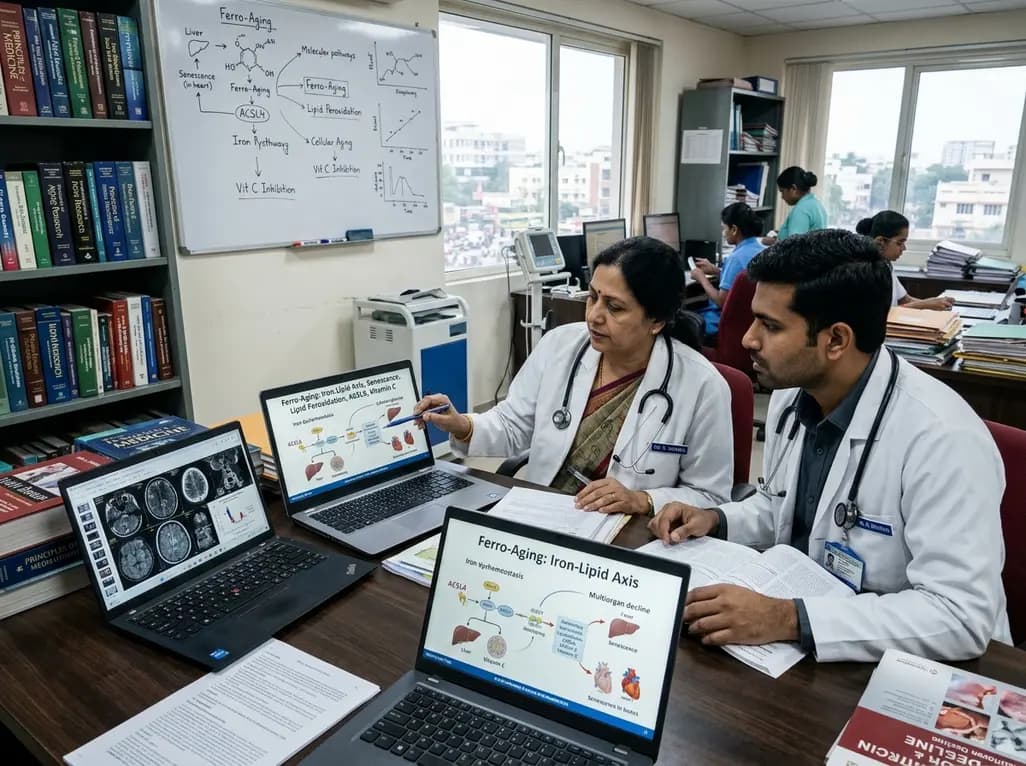
Recent research defines ferro-aging as a conserved iron-lipid axis driving organ decline across primates. Age-related iron dyshomeostasis stimulates ACSL4-mediated lipid peroxidation, promoting cellular senescence. Notably, vitamin C directly inhibits ACSL4, suppressing phospholipid oxidation and multi-organ decay.
3 days back
