.webp&w=384&q=75)

Loading, please wait...
Loading, please wait...
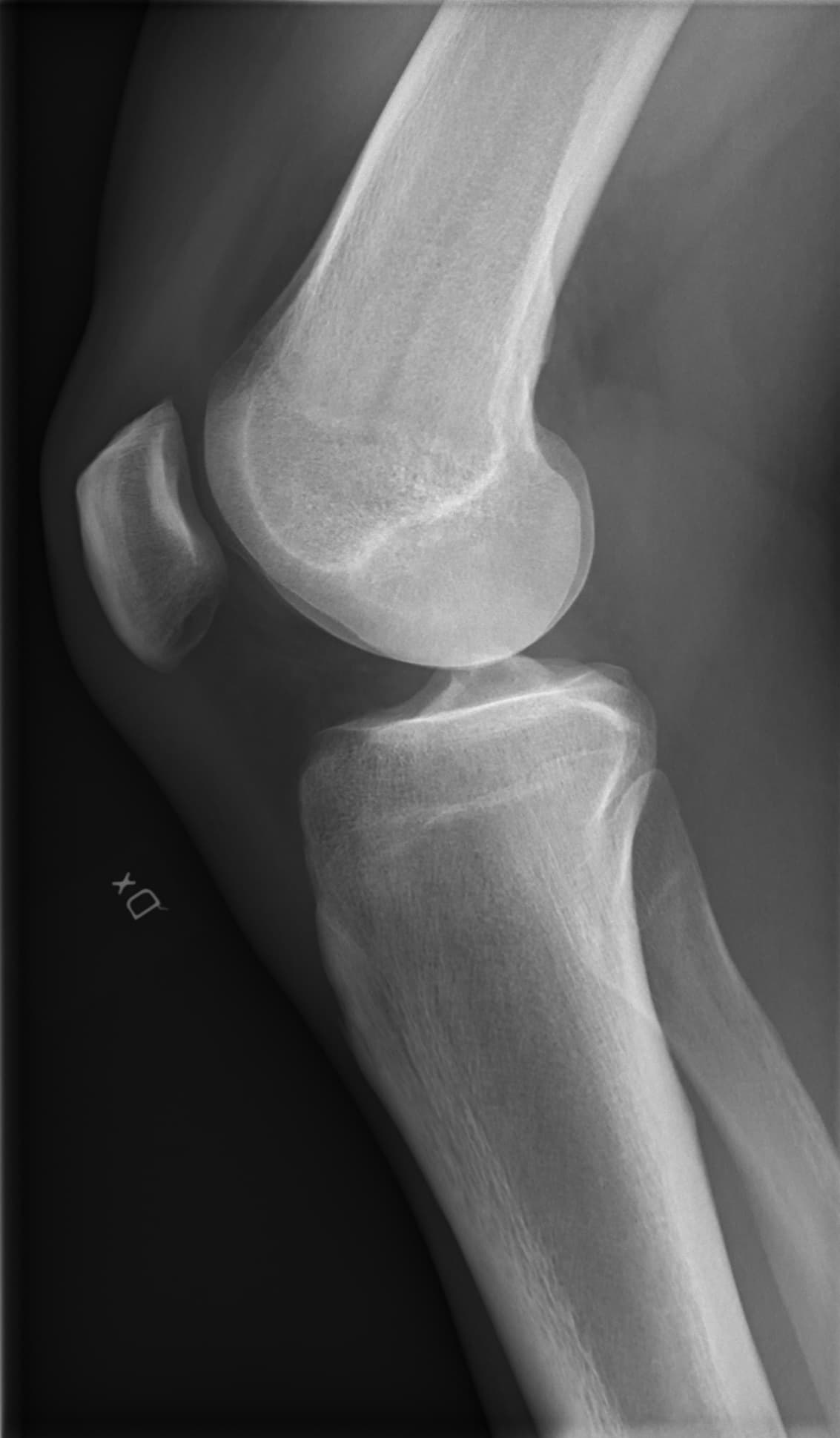
This randomized study compared sliding hip screws with intramedullary nails in 1,000 patients with trochanteric hip fractures and specifically explored whether fracture stability altered which implant performed better. The large sample and stratification by fracture type make the paper valuable for everyday decision-making. The study found broadly similar outcomes overall, with differences becoming more relevant in particular unstable patterns. This reinforces a central principle of hip fracture fixation: implant selection should be based on the mechanics of the fracture rather than on a universal belief that nails are superior. Stable two-part patterns remain well suited to controlled sliding constructs, while reverse-obliquity, subtrochanteric extension and other unstable configurations may favour intramedullary fixation. For surgeons, the practical focus should be obtaining anatomic or near-anatomic reduction, restoring medial support and ensuring the lag screw or helical blade sits in a safe position within the femoral head. For HCPs, the paper also highlights the importance of avoiding unnecessary operative complexity in older, medically vulnerable patients while ensuring sufficient construct stability for early mobilisation.

Read summarized clinical updates, watch expert medical content, and earn CME certifications right from your smartphone.
Open your smartphone camera to scan and install.





This randomized study compared sliding hip screws with intramedullary nails in 1,000 patients with trochanteric hip fractures and specifically explored whether fracture stability altered which implant performed better. The large sample and stratification by fracture type make the paper valuable for everyday decision-making. The study found broadly similar outcomes overall, with differences becoming more relevant in particular unstable patterns. This reinforces a central principle of hip fracture fixation: implant selection should be based on the mechanics of the fracture rather than on a universal belief that nails are superior. Stable two-part patterns remain well suited to controlled sliding constructs, while reverse-obliquity, subtrochanteric extension and other unstable configurations may favour intramedullary fixation. For surgeons, the practical focus should be obtaining anatomic or near-anatomic reduction, restoring medial support and ensuring the lag screw or helical blade sits in a safe position within the femoral head. For HCPs, the paper also highlights the importance of avoiding unnecessary operative complexity in older, medically vulnerable patients while ensuring sufficient construct stability for early mobilisation.
4 weeks back

A bioengineered oral nanozyme microsupplement converts pathological ROS into a protective polydopamine hydrogel shield. By curbing neutrophil extracellular traps and balancing T cells, this platform outperforms standard 5-ASA in preclinical colitis models, opening new paths for sustained remission.
4 days back

Recent research reveals that downregulating YAP1/TAZ-TEAD via Hippo signaling triggers spontaneous human trophoblast syncytialization in 3D cultures, illuminating placental biology and preeclampsia.
4 weeks back

Abdominal aortic aneurysm rupture remains a catastrophic vascular emergency. Groundbreaking research reveals that USP53 accelerates aneurysm progression by reprogramming smooth muscle cell metabolism toward aerobic glycolysis, highlighting a promising target beyond conventional diameter-based surveillance.
5 days back

A breakthrough study leverages natural language processing to accurately identify incident medication-related osteonecrosis of the jaw and track antiresorptive drug holidays from clinical narratives in electronic health records, advancing osteoporosis pharmacovigilance and dental safety.
5 days back

Recent research defines ferro-aging as a conserved iron-lipid axis driving organ decline across primates. Age-related iron dyshomeostasis stimulates ACSL4-mediated lipid peroxidation, promoting cellular senescence. Notably, vitamin C directly inhibits ACSL4, suppressing phospholipid oxidation and multi-organ decay.
5 days back
