.webp&w=384&q=75)

Loading, please wait...
Loading, please wait...
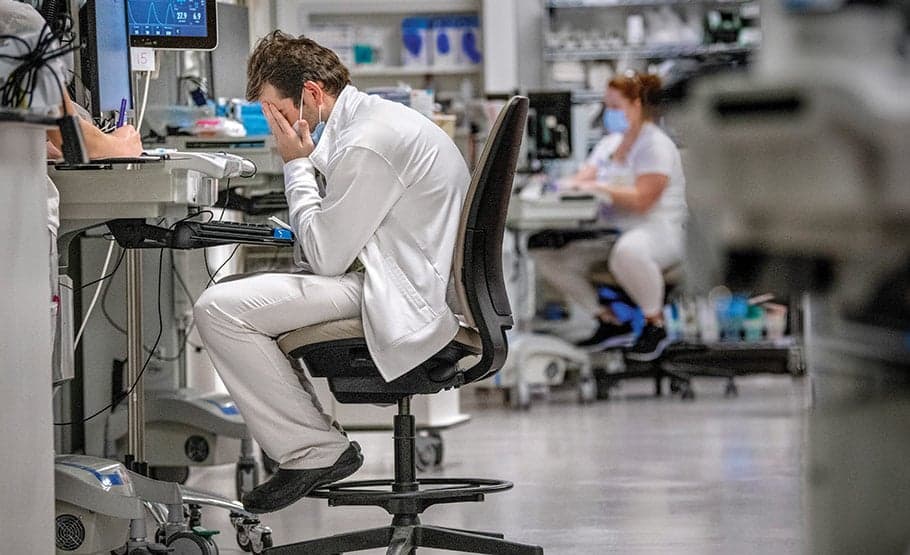
The HELLO cluster-randomised trial tested whether a simple, multicomponent workplace-culture intervention could reduce burnout among ICU healthcare professionals. The intervention promoted organisational support and positive team interactions through structured messages, email nudges, greetings during morning meetings, role modelling and positive feedback. The international trial involved 370 ICUs across 60 countries. Before the intervention, burnout was common among participating staff. After four weeks, burnout prevalence was lower in the intervention group than in the usual-care group, alongside improvements in measures of emotional exhaustion, depersonalisation, personal accomplishment, job satisfaction, workplace safety and perceived ethical climate. The finding is important because it shifts the discussion of clinician wellbeing from individual resilience alone toward team and system-level factors. The intervention did not require a new clinical technology or major infrastructure investment; it focused on how teams interact and support one another during routine work. This is closely aligned with CritiCARE 2026's humanisation theme and its dedicated sessions on burnout, workforce, communication and critical-care culture. For HCP leaders, the practical takeaway is that psychological safety and positive communication can be treated as operational quality-improvement targets rather than optional wellbeing activities.

Read summarized clinical updates, watch expert medical content, and earn CME certifications right from your smartphone.
Open your smartphone camera to scan and install.





The HELLO cluster-randomised trial tested whether a simple, multicomponent workplace-culture intervention could reduce burnout among ICU healthcare professionals. The intervention promoted organisational support and positive team interactions through structured messages, email nudges, greetings during morning meetings, role modelling and positive feedback. The international trial involved 370 ICUs across 60 countries. Before the intervention, burnout was common among participating staff. After four weeks, burnout prevalence was lower in the intervention group than in the usual-care group, alongside improvements in measures of emotional exhaustion, depersonalisation, personal accomplishment, job satisfaction, workplace safety and perceived ethical climate. The finding is important because it shifts the discussion of clinician wellbeing from individual resilience alone toward team and system-level factors. The intervention did not require a new clinical technology or major infrastructure investment; it focused on how teams interact and support one another during routine work. This is closely aligned with CritiCARE 2026's humanisation theme and its dedicated sessions on burnout, workforce, communication and critical-care culture. For HCP leaders, the practical takeaway is that psychological safety and positive communication can be treated as operational quality-improvement targets rather than optional wellbeing activities.
4 weeks back
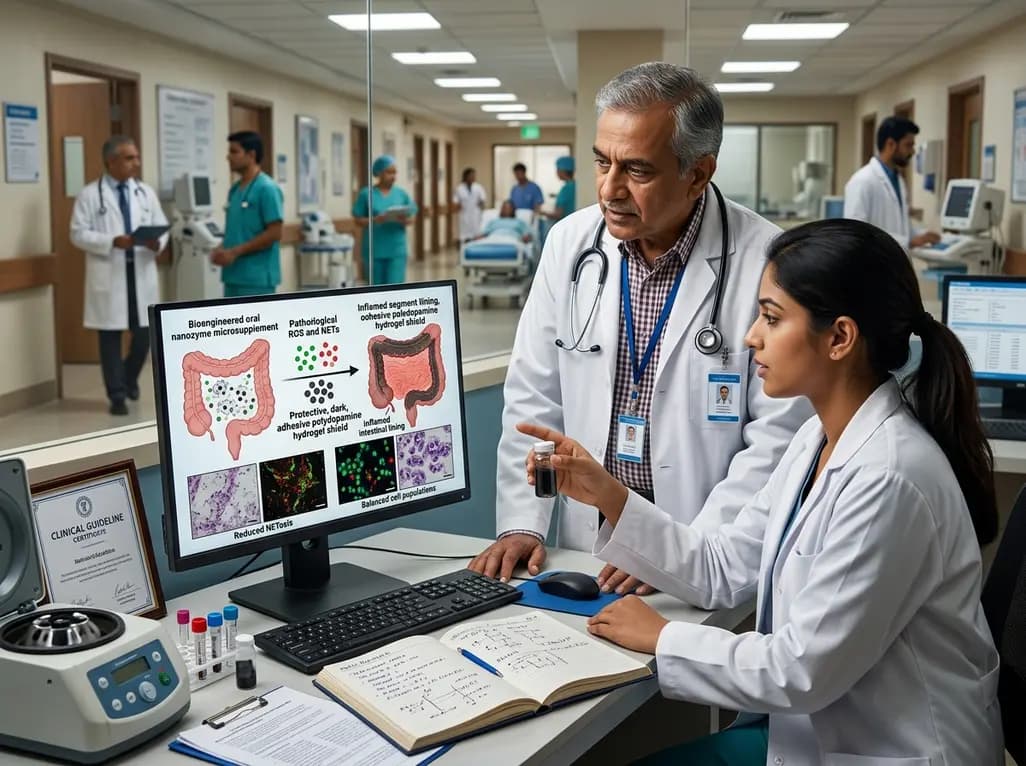
A bioengineered oral nanozyme microsupplement converts pathological ROS into a protective polydopamine hydrogel shield. By curbing neutrophil extracellular traps and balancing T cells, this platform outperforms standard 5-ASA in preclinical colitis models, opening new paths for sustained remission.
3 days back
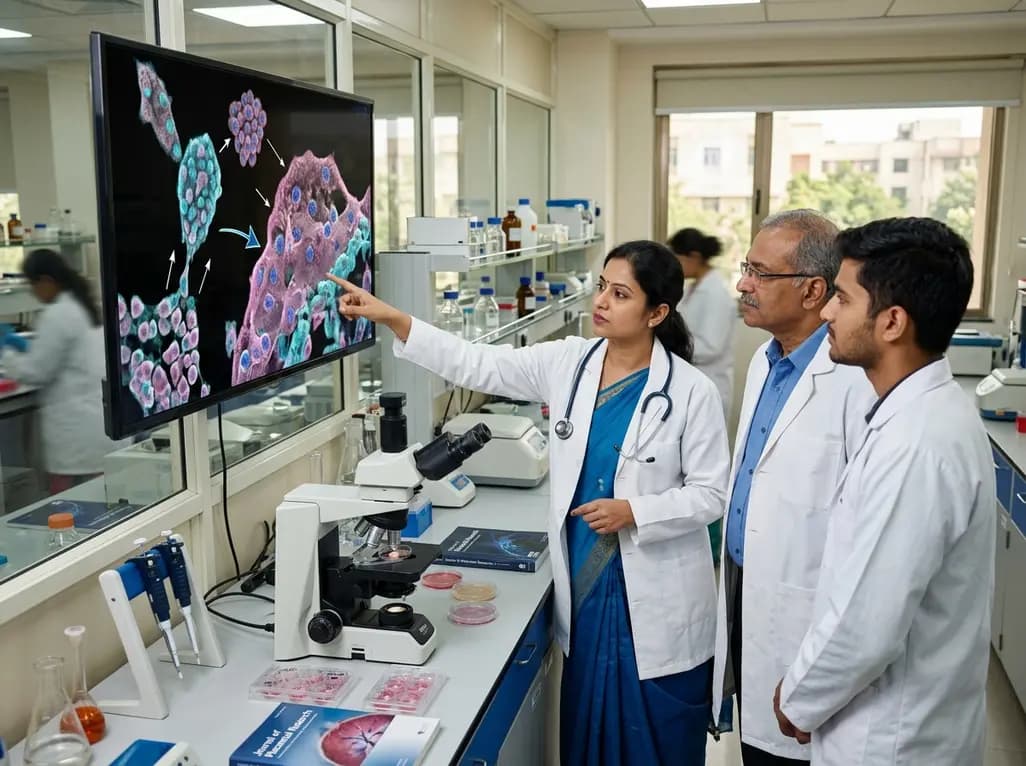
Recent research reveals that downregulating YAP1/TAZ-TEAD via Hippo signaling triggers spontaneous human trophoblast syncytialization in 3D cultures, illuminating placental biology and preeclampsia.
4 weeks back
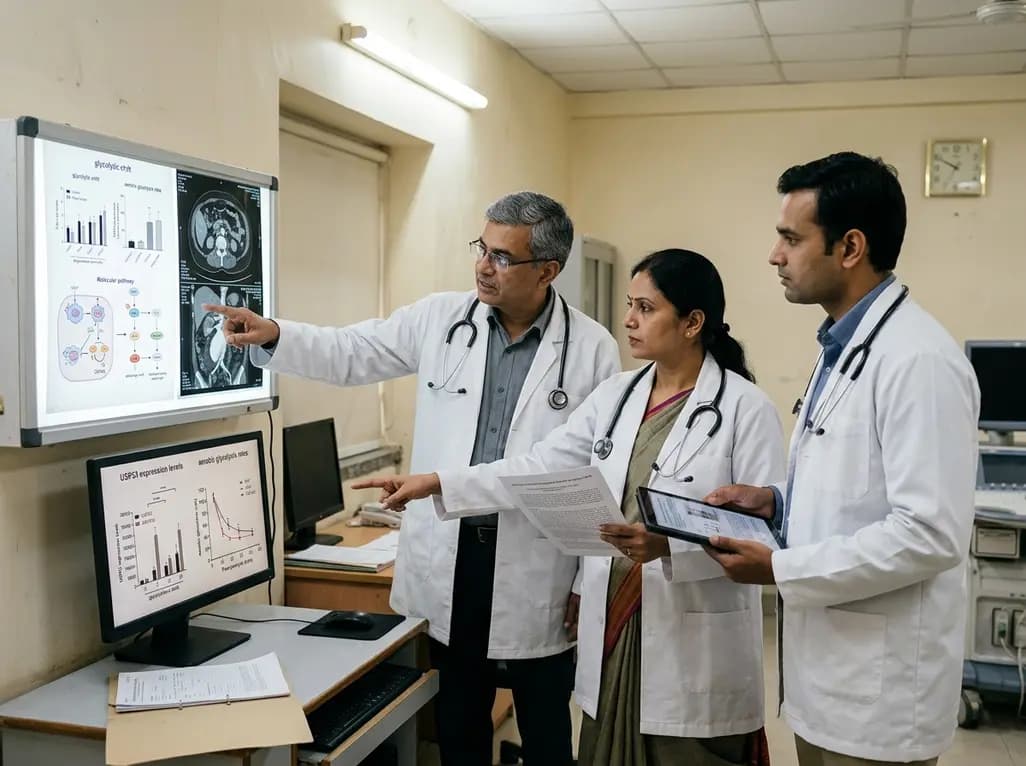
Abdominal aortic aneurysm rupture remains a catastrophic vascular emergency. Groundbreaking research reveals that USP53 accelerates aneurysm progression by reprogramming smooth muscle cell metabolism toward aerobic glycolysis, highlighting a promising target beyond conventional diameter-based surveillance.
5 days back
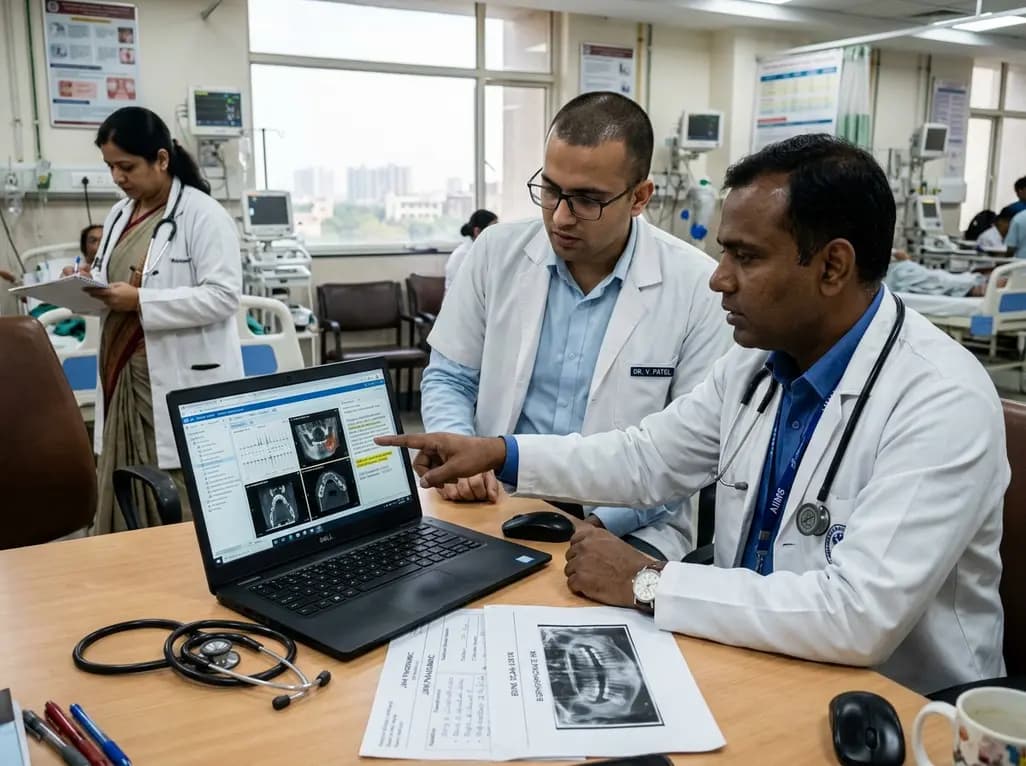
A breakthrough study leverages natural language processing to accurately identify incident medication-related osteonecrosis of the jaw and track antiresorptive drug holidays from clinical narratives in electronic health records, advancing osteoporosis pharmacovigilance and dental safety.
4 days back
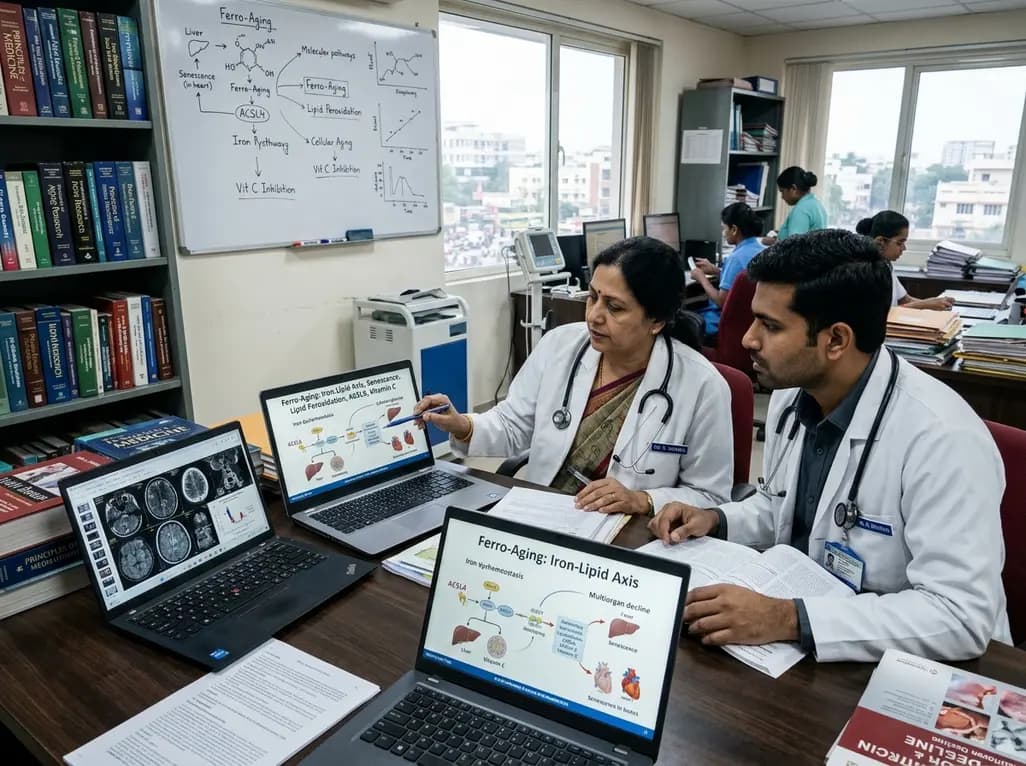
Recent research defines ferro-aging as a conserved iron-lipid axis driving organ decline across primates. Age-related iron dyshomeostasis stimulates ACSL4-mediated lipid peroxidation, promoting cellular senescence. Notably, vitamin C directly inhibits ACSL4, suppressing phospholipid oxidation and multi-organ decay.
5 days back
