.webp&w=384&q=75)

Loading, please wait...
Loading, please wait...
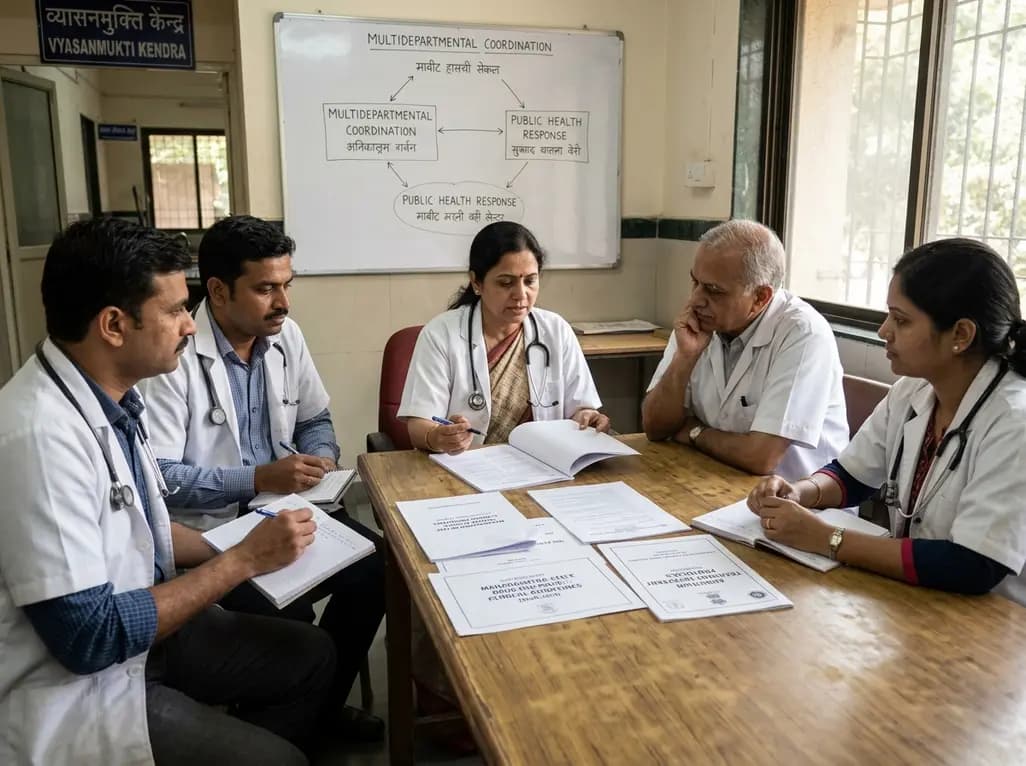
The state government has taken a decisive step toward public health security. The newly approved Maharashtra drug policy establishes an ambitious roadmap to eradicate illicit narcotics across the state by 2029. Consequently, Maharashtra has become the first Indian state to operationalize such a synchronized, inter-departmental campaign. This state-level initiative aligns directly with the national Nasha Mukt Bharat Abhiyan. Furthermore, the framework combines strict enforcement mechanisms with structured demand reduction and healthcare support. Substance use disorders present profound clinical and socioeconomic challenges throughout urban and rural communities. Therefore, medical professionals and public health administrators must understand the strategic pillars of this multi-agency intervention.
The state administration designed the campaign around an integrated Whole-of-Government approach. This administrative model ensures seamless coordination across all governance tiers, extending from village panchayats to ministerial departments. In addition, each administrative department must appoint a dedicated nodal officer of Deputy Secretary rank. These nodal officers will coordinate directly with the Anti-Narcotics Task Force to monitor ground execution. Consequently, the strategy removes traditional bureaucratic silos that often impede drug interdiction and rehabilitation efforts.
Furthermore, local self-government institutions hold direct accountability under the new policy. Rural development programs will award incentive points to panchayats through campaigns such as My Village, Healthy Village. Similarly, the Chief Minister's Prosperous Panchayati Raj Campaign will evaluate grassroots anti-narcotics performance. Annual performance reviews will assess districts from October 2 to April 30 each year. Subsequently, the state will honor the Best Drug-Free District on June 26, commemorating the International Day Against Drug Abuse. This structured oversight ensures consistent operational momentum across every administrative division.
The policy structure rests upon four mutually reinforcing strategic pillars. First, law enforcement agencies will execute stringent interdiction against illicit drug trafficking. Second, regulatory authorities will systematically curb the supply of illicit natural and synthetic substances. Third, educational and social departments will implement aggressive demand-reduction measures. Fourth, the public health ecosystem will expand de-addiction, clinical treatment, and psychosocial rehabilitation facilities.
Inter-departmental allocation defines clear operational boundaries for these four pillars. The Home Department, Transport Department, Ports, and Law and Judiciary oversee law enforcement operations. Meanwhile, the Revenue, Agriculture, and Forest departments will prevent illegal narcotic crop cultivation. In addition, the Food and Drug Administration coordinates with the Industries Department to monitor chemical precursors and synthetic drug manufacturing. This comprehensive division of labor addresses both traditional plant-based narcotics and modern synthetic compounds. Therefore, the state targets every stage of the illicit narcotics supply chain simultaneously.
Demand reduction strategies focus heavily on school students and young adults across Maharashtra. Starting in the 2027 academic year, school curricula will include mandatory drug awareness lessons from Class V onward. Consequently, children will receive age-appropriate education regarding the physiological and psychological perils of substance abuse. Moreover, schools will earn evaluation points under the Chief Minister's My School, Beautiful School initiative for anti-drug programs.
Similarly, the Higher and Technical Education Department will enforce strict drug-free protocols across collegiate campuses. University administrations must establish active surveillance systems and peer counseling networks within educational premises. The Sports, Skill Development, and Women and Child Development departments will support these youth-focused interventions. By coupling formal academic instruction with healthy community engagement, the state aims to build psychological resilience in adolescents. Ultimately, early educational intervention provides a vital preventive barrier against initial substance experimentation.
Healthcare professionals represent the cornerstone of the policy's fourth operational pillar. The Social Justice, Public Health, Medical Education, and Urban Development departments lead the de-addiction mandate. Therefore, state medical colleges and district hospitals will expand dedicated Addiction Treatment Facilities. These specialized centers provide standardized pharmacological detoxification alongside evidence-based psychiatric counseling. Physicians will manage complex acute withdrawal syndromes and comorbid psychiatric disorders commonly seen in substance dependence.
Furthermore, clinical protocols will emphasize long-term outpatient maintenance and relapse prevention strategies. Hospital teams must establish streamlined referral pathways to community-based rehabilitation centers and vocational training initiatives. Medical officers in primary health centers will receive specialized training to identify early signs of substance misuse during routine consultations. By expanding clinical infrastructure and reducing healthcare stigma, the state encourages voluntary treatment seeking among affected individuals. This comprehensive medical model ensures sustained recovery rather than temporary crisis management.
The rising prevalence of synthetic narcotics necessitates stringent regulatory oversight of pharmaceutical supply chains. Under the updated policy, the Food and Drug Administration will intensify surprise inspections across pharmaceutical manufacturing units and wholesale distributors. Authorities will monitor scheduled prescription drugs, including opioid analgesics, benzodiazepines, and synthetic stimulants, to prevent illicit diversion. Consequently, industrial chemical facilities must maintain rigorous audits of dual-use precursor chemicals.
In addition, hospital pharmacies and retail chemists must follow strict dispensing guidelines for controlled substances. Clinicians must adhere to rational prescribing protocols to prevent iatrogenic dependence in vulnerable patient cohorts. Digital tracking mechanisms and inter-agency data sharing will assist regulatory bodies in detecting unusual procurement patterns. Thus, robust pharmaceutical vigilance prevents legitimate therapeutic agents from entering illegal commercial pipelines.
Q1: What is the primary objective of the new Maharashtra drug eradication policy?
The policy establishes a comprehensive, multi-departmental framework to eliminate illicit drug trafficking, production, and consumption across Maharashtra by 2029. Operating under a Whole-of-Government model, the initiative integrates law enforcement, curricular education, community awareness, and expanded public health de-addiction infrastructure to reduce both drug supply and demand across all districts.
Q2: How does the policy incorporate substance abuse prevention into school education?
Beginning in the 2027 academic year, Maharashtra will introduce compulsory drug awareness lessons for students from Class V onward. In addition, educational institutions will earn credit points under state improvement schemes for maintaining drug-free campuses and organizing preventive community campaigns.
Q3: Which government departments oversee clinical de-addiction and rehabilitation services?
Clinical treatment, de-addiction, and psychosocial rehabilitation are managed jointly by the Public Health, Medical Education, Social Justice and Special Assistance, Urban Development, and Skill Development departments. These agencies collaborate to expand hospital-based addiction treatment facilities, ensure medical detoxification, and facilitate long-term vocational rehabilitation.
Disclaimer: This content is for informational and educational purposes only. It does not constitute medical advice or replace professional judgment. Refer to the latest local and national guidelines for clinical practice.
References

Read summarized clinical updates, watch expert medical content, and earn CME certifications right from your smartphone.
Open your smartphone camera to scan and install.





The Maharashtra Cabinet approved a landmark policy targeting complete drug eradication by 2029. Utilizing a Whole-of-Government framework, the initiative aligns with Nasha Mukt Bharat Abhiyan to integrate multi-departmental enforcement, school awareness programs, and robust public health de-addiction infrastructure.
Today
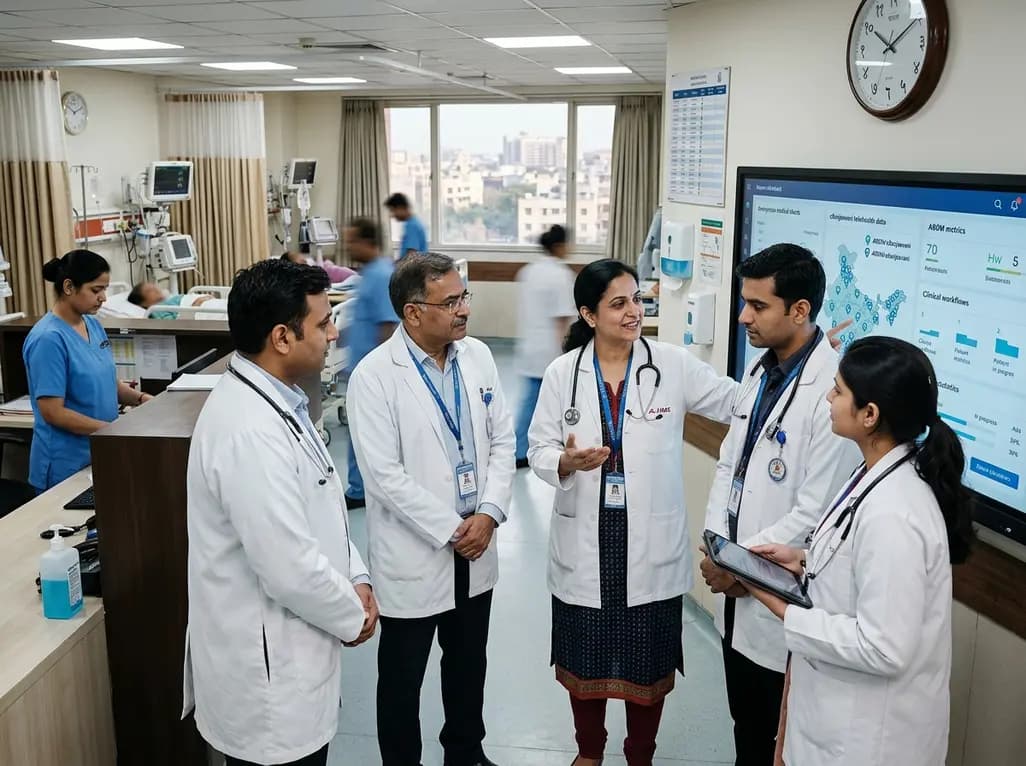
NHS England Chair Dr Penny Dash recently highlighted that Britain should learn from India's healthcare system. By pairing standardised processes with scalable digital frameworks like ABDM and eSanjeevani, India is democratising clinical access and driving down unit costs, establishing a powerful global model.
Today
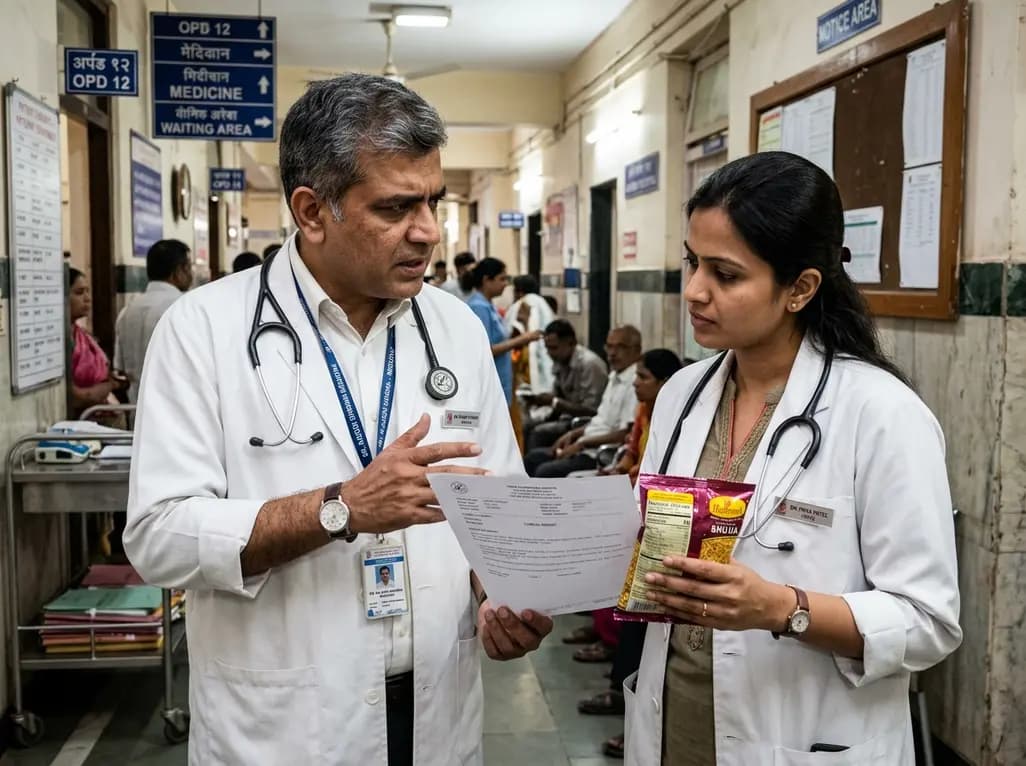
As India faces rising rates of obesity and cardiometabolic disorders, the FSSAI proposal for front-of-pack warning labels sparks fierce contestation. While public health advocates criticize the two-nutrient threshold, industry leaders challenge the rigid benchmarks, leaving clinicians at the center of prevention.
Today
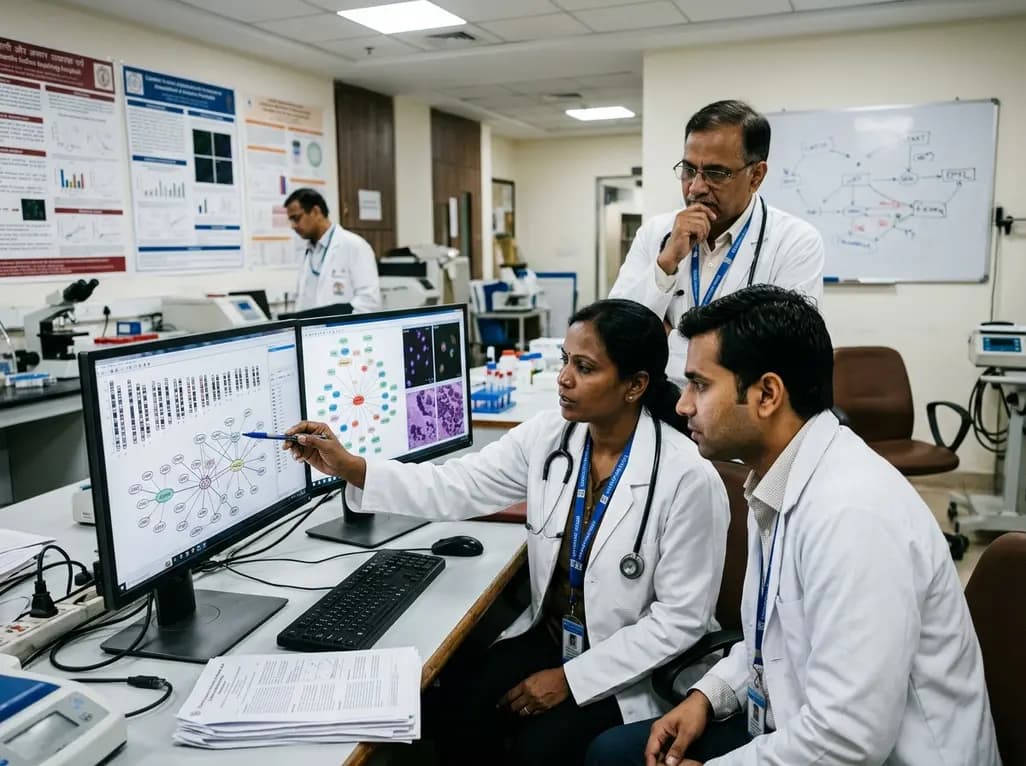
A landmark global genomic study has identified 36 risk genes shared between obsessive-compulsive disorder and chronic tic disorders. By uncovering converging neural network disruptions and shared synaptic pathways, these insights pave the way for mechanism-targeted psychiatric medications.
Today
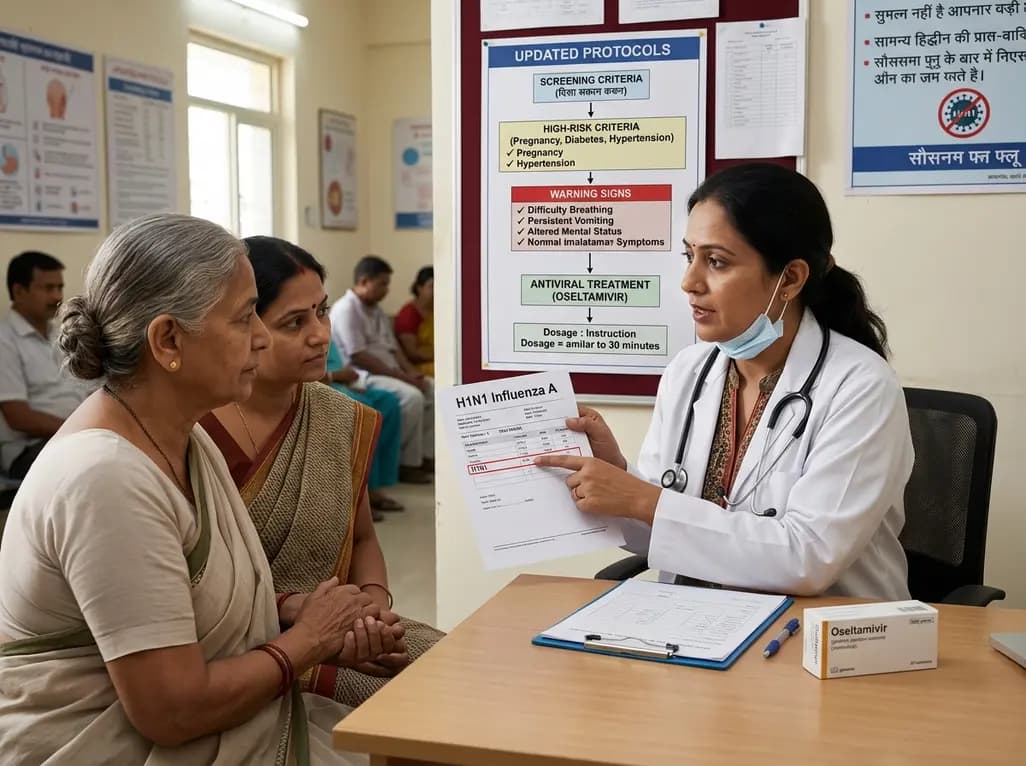
Uttar Pradesh has ordered free diagnostic testing for Influenza A (H1N1) across all government facilities while capping private lab fees. Explore updated MoHFW triage protocols, high-risk screening criteria, clinical warning signs in adults and children, and antiviral treatment strategies for Indian physicians.
Today
