.webp&w=384&q=75)

Loading, please wait...
Loading, please wait...
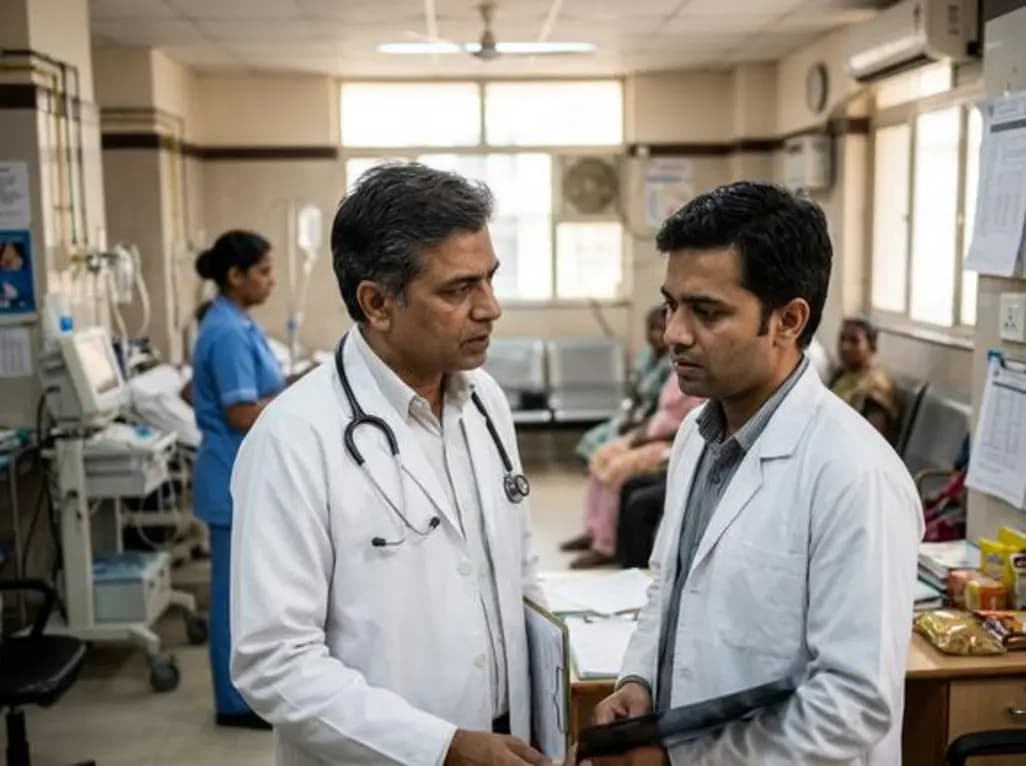
Recent trends show an alarming rise in cardiovascular incidents among younger demographics. Consequently, protecting young Indian heart health has become a critical priority for medical professionals nationwide. Renowned cardiac surgeon Dr. Ramakanta Panda recently raised concerns about this growing public health threat. Specifically, he highlighted how young professionals in their 30s and 40s represent an increasingly vulnerable group.
Indeed, lifestyle habits dictate overall cardiovascular risk. Modern work cultures demand long, irregular shifts and foster high-pressure environments. Consequently, young professionals, especially in the IT and finance sectors, experience chronic stress. This mental strain elevates blood pressure and damages blood vessels over time.
Additionally, poor dietary habits severely compromise arterial health. Young workers frequently consume processed, high-sodium foods late at night. For instance, many substitute fresh fruit with sugary fruit drinks, which behave similarly to soft drinks in the body. Consequently, these bad habits trigger obesity, diabetes, and hypertension.
Furthermore, inadequate rest accelerates cardiovascular decline. Dr. Panda notes that individuals rarely achieve the recommended seven to nine hours of quality sleep. Sleeping late also disrupts the biological clock, which actively harms metabolic pathways. Therefore, poor sleep hygiene remains as damaging as complete sleep deprivation.
Simultaneously, physical inactivity exacerbates these metabolic risks. Sedentary routines prevent proper blood circulation and lower cardiopulmonary fitness. However, maintaining a consistent exercise regime can drastically improve outcomes. Even for patients with a family history of heart disease, healthy lifestyle habits can delay onset by fifteen to twenty years.
Q1: Why are young professionals in the IT and finance sectors at higher risk?
These sectors often involve high-pressure environments, prolonged sitting, and irregular work hours. Consequently, employees frequently eat processed foods late at night and suffer from severe sleep deprivation.
Q2: How does late-night sleeping affect cardiac health?
Indeed, sleeping late disrupts the natural circadian rhythm. Even if a person sleeps for seven hours, late sleep fails to offer proper restorative benefits.
Q3: Can a healthy lifestyle overcome a strong family history of heart disease?
Yes, a positive lifestyle choice can counteract genetic risks. Specifically, adopting healthy habits can postpone cardiac symptoms by fifteen to twenty years.
Disclaimer: This content is for informational and educational purposes only. It does not constitute medical advice or replace professional judgment. Refer to the latest local and national guidelines for clinical practice.
References

Read summarized clinical updates, watch expert medical content, and earn CME certifications right from your smartphone.
Open your smartphone camera to scan and install.





An alarming rise in heart attacks among young Indians in their 30s and 40s is closely linked to chronic stress, poor sleep, and processed food consumption. Leading cardiac surgeon Dr. Ramakanta Panda highlights the high risk faced by professionals in IT and finance, offering crucial insights for prevention.
4 months ago

Kenya's confirmation of its eighth Ebola infection highlights the acute risk of secondary transmission in hospital environments. Clinicians must maintain high vigilance, enforce strict infection prevention protocols, and implement rapid triage mechanisms for viral hemorrhagic fevers across healthcare settings.
4 days back
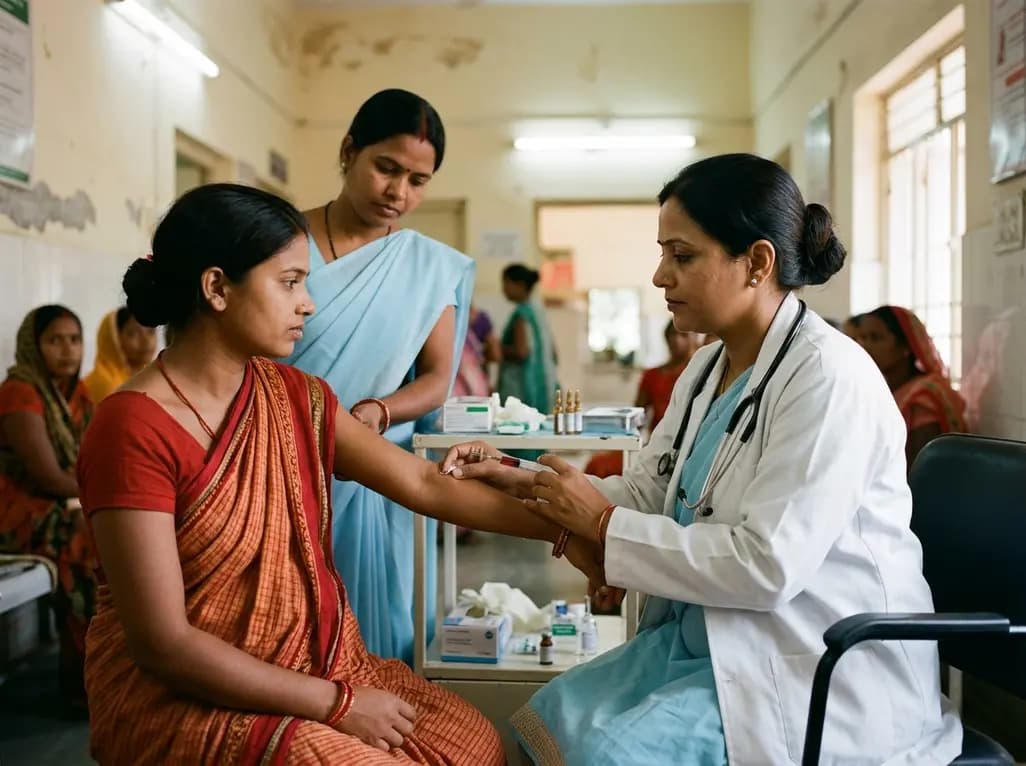
Maternal anaemia contributes to nearly half of pregnancy-related fatalities across India. To prevent complications, Uttar Pradesh has added single-dose parenteral iron to its essential medicines list. This clinical transition aims to restore haemoglobin rapidly and protect high-risk mothers across rural facilities.
Last week

India's food safety authority FSSAI has issued show-cause notices to Gemini Edibles, BigBasket, and Flipkart for unpermitted cardiovascular claims regarding Freedom Rice Bran Oil. This regulatory move highlights the strict enforcement of advertising standards and the clinical necessity of evidence-based lipid care.
6 days back

The state government is deploying helicopter emergency medical services across the Mumbai-Pune Expressway, Samruddhi Mahamarg, and Mumbai-Goa Highway. This initiative establishes unified standard operating procedures to enable rapid triage, advanced prehospital resuscitation, and seamless trauma care transfers.
Last week
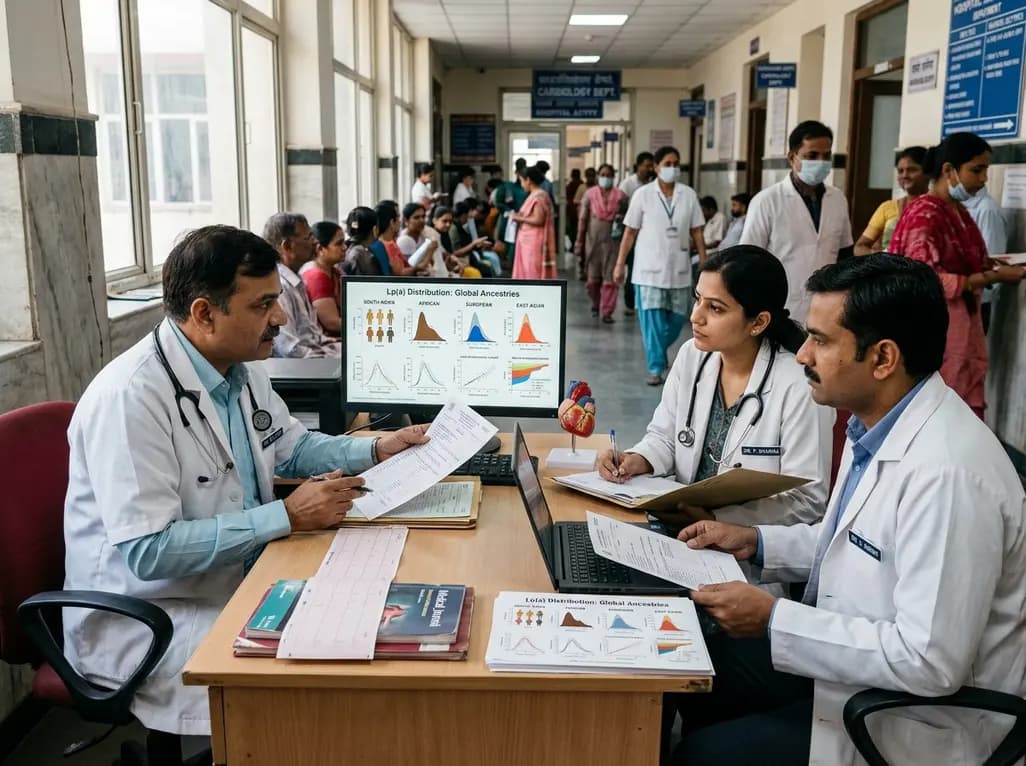
Atherosclerotic cardiovascular disease guidelines often rely on European-derived lipoprotein(a) cutoffs. However, baseline Lp(a) levels vary widely across ancestries, including South Asians and Africans. Clinicians must interpret Lp(a) values within overall absolute cardiovascular risk.
Last week
