

Loading, please wait...
Loading, please wait...

The National Medical Commission (NMC) is set to observe the 12th International Day of Yoga on Sunday, June 21, 2026, with a special emphasis on "Yoga for Healthy Aging." This significant event aims to promote wellness and encourage a healthy lifestyle among all its officers and staff. Therefore, participation in this program is mandatory, highlighting the NMC's commitment to employee well-being.
This year's theme, "Yoga for Healthy Aging," underscores the profound benefits of yoga in maintaining vitality throughout life. Indeed, regular yoga practice has been scientifically shown to enhance cellular aging, mobility, balance, mental health, and even prevent cognitive decline, particularly in older adults. Consequently, incorporating yoga into daily routines can be a cost-effective strategy to improve overall health outcomes and reduce medical costs, especially within an aging population.
The event will commence at 06:00 AM on June 21, 2026, at the National Medical Commission's premises in Pocket-14, Sector-8, Dwarka, New Delhi-110077. The carefully planned schedule ensures a holistic experience for all participants.
This structured program ensures that everyone, regardless of their prior experience with yoga, can comfortably participate and reap its benefits. Furthermore, adaptable yoga poses cater to diverse fitness levels and health conditions, ensuring accessibility for many older adults.
Beyond physical postures, yoga encompasses mindful breathing and meditation, which significantly reduce psychological stress, anxiety, and depressive symptoms. Moreover, studies indicate that long-term yoga practice can lead to improved functional brain connectivity in older adults and reduce chronic inflammation. Therefore, the NMC's initiative aligns with global efforts to promote healthier choices and lifestyle patterns that foster good health, supporting the goals of the WHO Decade of Healthy Ageing (2021–2030). Consequently, engaging in such practices contributes to promoting independence, reducing fall risk, and enhancing the quality of life.
Disclaimer: This content is for informational and educational purposes only... Refer to the latest local and national guidelines for clinical practice.
References

Read summarized clinical updates, watch expert medical content, and earn CME certifications right from your smartphone.
Open your smartphone camera to scan and install.





The National Medical Commission invites all officers and staff to celebrate the 12th International Day of Yoga on June 21, 2026, with the theme 'Yoga For Healthy Aging.' This event promotes physical and mental well-being within the medical community. Join for a refreshing yoga session, kit, and refreshments.
4 months ago

Kenya's confirmation of its eighth Ebola infection highlights the acute risk of secondary transmission in hospital environments. Clinicians must maintain high vigilance, enforce strict infection prevention protocols, and implement rapid triage mechanisms for viral hemorrhagic fevers across healthcare settings.
4 days back
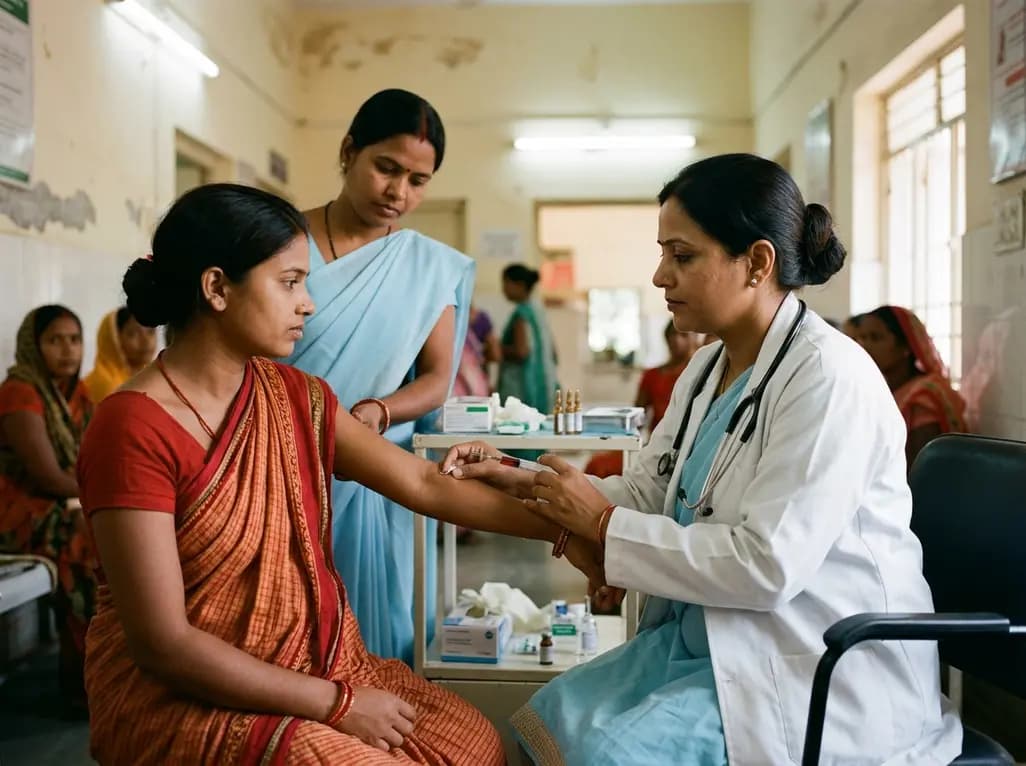
Maternal anaemia contributes to nearly half of pregnancy-related fatalities across India. To prevent complications, Uttar Pradesh has added single-dose parenteral iron to its essential medicines list. This clinical transition aims to restore haemoglobin rapidly and protect high-risk mothers across rural facilities.
Last week
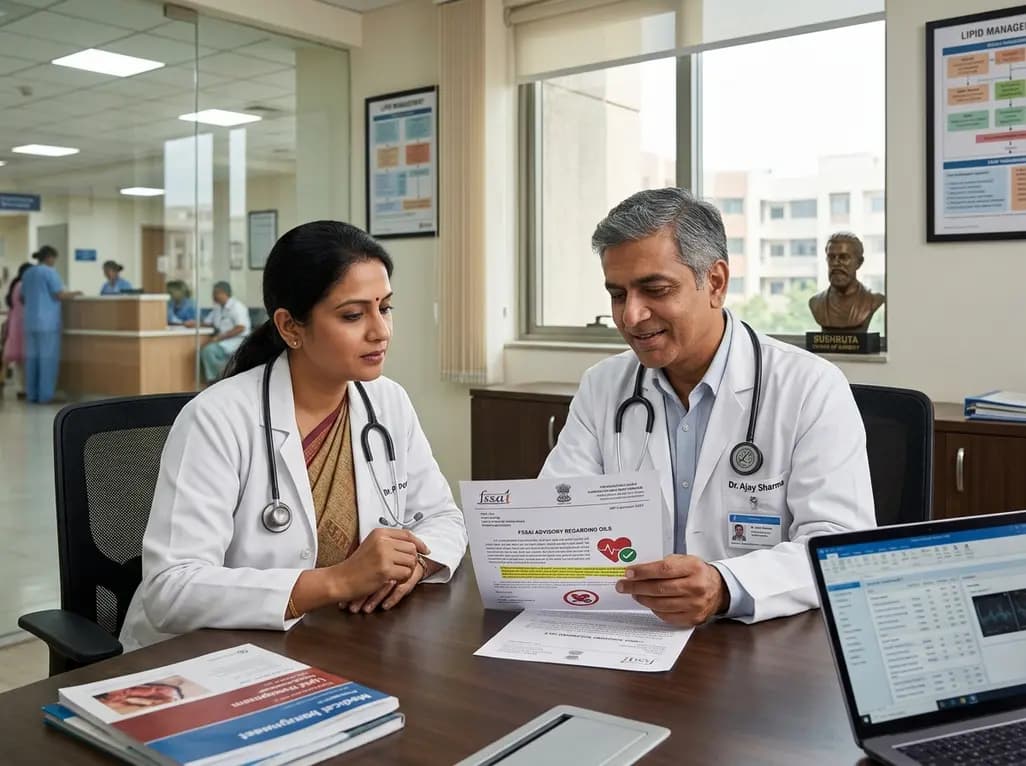
India's food safety authority FSSAI has issued show-cause notices to Gemini Edibles, BigBasket, and Flipkart for unpermitted cardiovascular claims regarding Freedom Rice Bran Oil. This regulatory move highlights the strict enforcement of advertising standards and the clinical necessity of evidence-based lipid care.
6 days back

The state government is deploying helicopter emergency medical services across the Mumbai-Pune Expressway, Samruddhi Mahamarg, and Mumbai-Goa Highway. This initiative establishes unified standard operating procedures to enable rapid triage, advanced prehospital resuscitation, and seamless trauma care transfers.
Last week
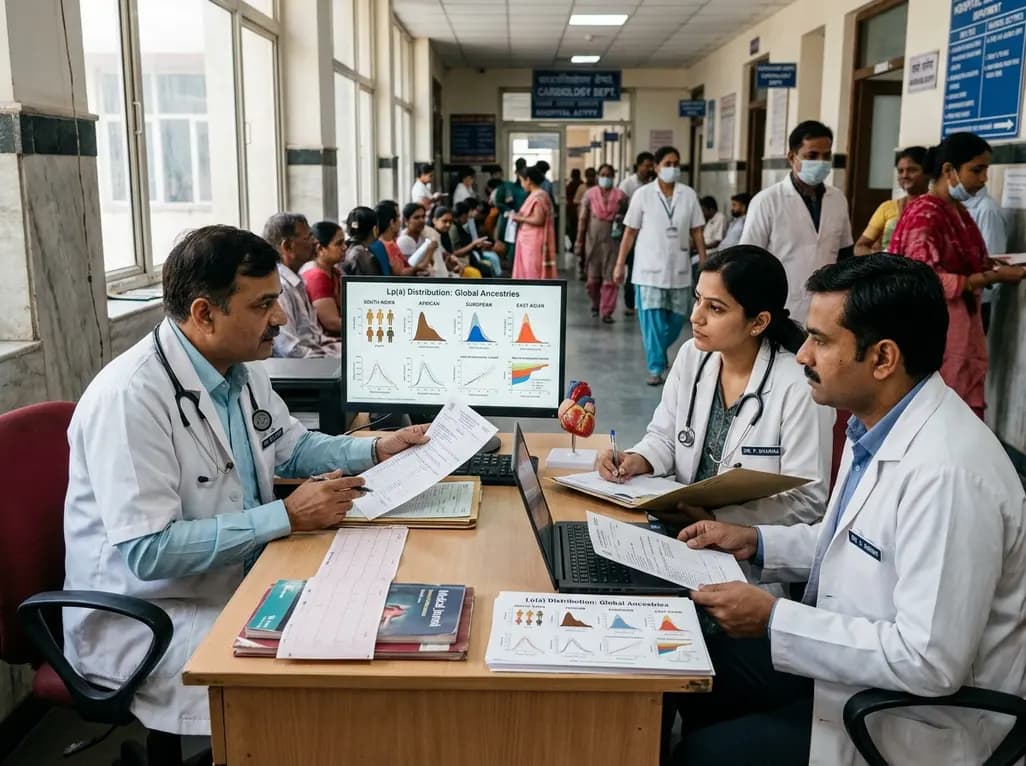
Atherosclerotic cardiovascular disease guidelines often rely on European-derived lipoprotein(a) cutoffs. However, baseline Lp(a) levels vary widely across ancestries, including South Asians and Africans. Clinicians must interpret Lp(a) values within overall absolute cardiovascular risk.
Last week
