.webp&w=384&q=75)

Loading, please wait...
Loading, please wait...

World leaders are facing intense pressure to establish a safer global health framework. Recently, the World Health Organization (WHO) chief, Dr. Tedros Adhanom Ghebreyesus, and Brazilian President Luiz Inácio Lula da Silva issued a powerful appeal. Specifically, they urged G7 nations to finalize the WHO Pandemic Agreement before upcoming deadlines. Therefore, global unity must drive efforts to prevent future health crises.
Although countries adopted the primary agreement last year, crucial details remain unresolved. In particular, negotiators have stalled over the Pathogen Access and Benefit-Sharing (PABS) mechanism. This vital framework dictates how nations share data regarding dangerous pathogens. Furthermore, it determines how developing countries will gain access to resulting vaccines and therapies. Currently, wealthy countries and developing nations disagree on governance and equity. Consequently, the treaty cannot take effect until negotiators officially resolve this specific annex.
Critics often view equitable sharing of medical countermeasures as an act of charity. However, Tedros and Lula argue that global health security is actually a strategic necessity. For instance, a pathogen left to spread unchecked anywhere ultimately threatens populations everywhere. Scientists estimate a near 25% chance of another major pandemic occurring within this decade. Meanwhile, rapid progress in biotechnology has unfortunately outpaced biosafety protocols, which heightens the risk of accidental releases. Additionally, the ongoing Ebola outbreak in Central Africa highlights that lethal threats persist without approved cures.
Negotiators will reconvene from July 6 to July 17 to address these stubborn divides. Specifically, Tedros and Lula urged leaders to treat July 17 as a strict deadline. They also warned that delayed agreements leave humanity highly vulnerable. Therefore, negotiators must enter the upcoming session fully prepared to compromise. Ultimately, resolving these issues is the only way to honor the millions of lives lost during the recent pandemic.
Q1: What is the main roadblock preventing the finalization of the WHO Pandemic Agreement?
The primary obstacle is the Pathogen Access and Benefit-Sharing (PABS) annex. Specifically, countries are deadlocked over how pathogen data and resulting benefits, such as vaccines, are shared and governed.
Q2: Why do Tedros and Lula emphasize that vaccine sharing is a strategy rather than charity?
They argue that pathogens spread globally regardless of borders. Consequently, failing to contain outbreaks anywhere eventually puts everyone at risk, making equitable access a collective safety strategy.
Q3: When are the upcoming negotiations scheduled to take place?
Negotiators are scheduled to meet from July 6 to 17. Furthermore, Lula and Tedros urged leaders to treat this final date as a strict deadline.
Disclaimer: This content is for informational and educational purposes only. It does not constitute medical advice or replace professional judgment. Refer to the latest local and national guidelines for clinical practice.
References

Read summarized clinical updates, watch expert medical content, and earn CME certifications right from your smartphone.
Open your smartphone camera to scan and install.





In a powerful joint appeal, the WHO Director-General and Brazil's President Lula have urged G7 leaders to finalize the outstanding Pathogen Access and Benefit-Sharing annex of the global pandemic treaty. They emphasize that international cooperation is vital for equitable vaccine access during future health threats.
4 months ago
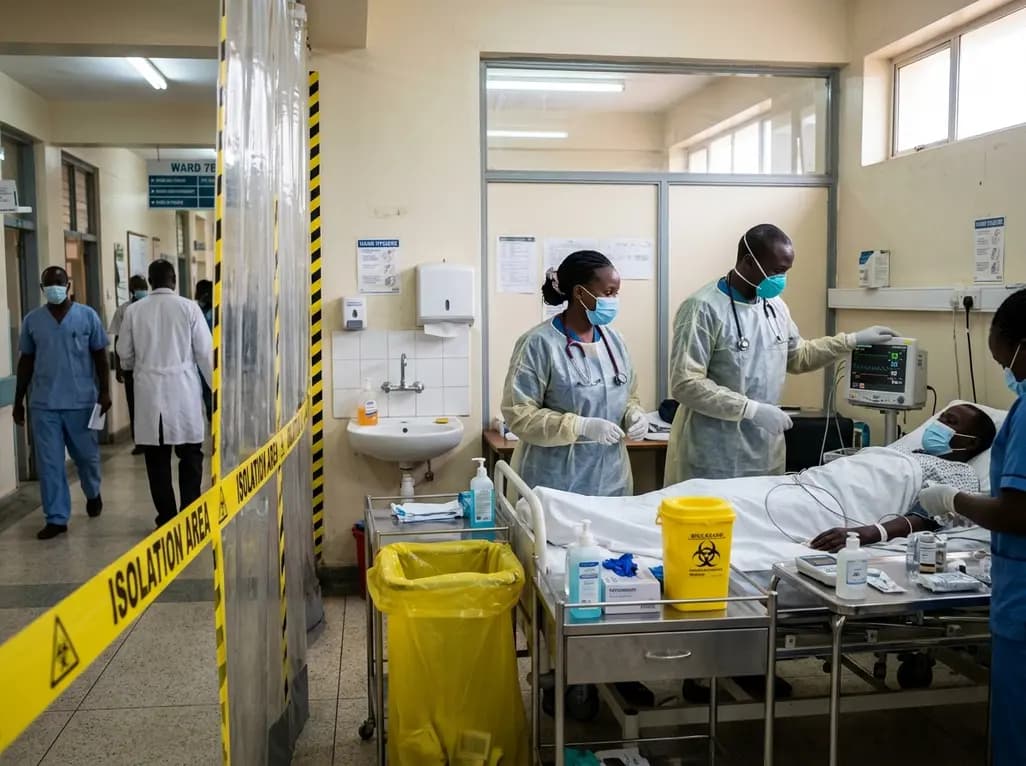
Kenya's confirmation of its eighth Ebola infection highlights the acute risk of secondary transmission in hospital environments. Clinicians must maintain high vigilance, enforce strict infection prevention protocols, and implement rapid triage mechanisms for viral hemorrhagic fevers across healthcare settings.
4 days back
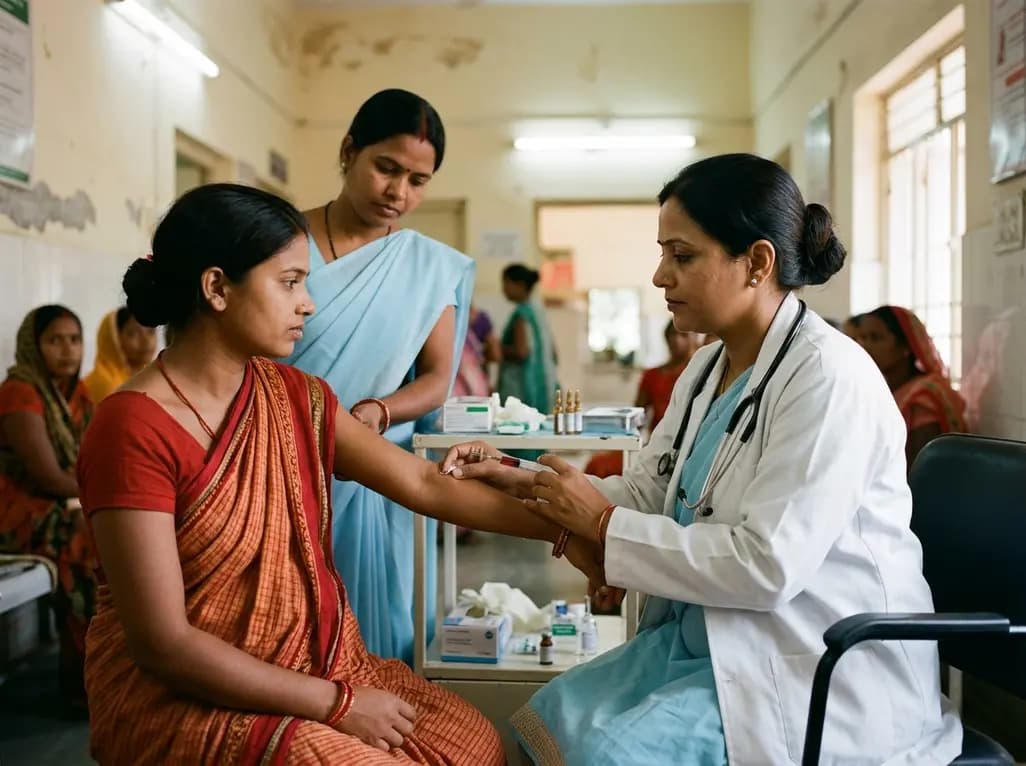
Maternal anaemia contributes to nearly half of pregnancy-related fatalities across India. To prevent complications, Uttar Pradesh has added single-dose parenteral iron to its essential medicines list. This clinical transition aims to restore haemoglobin rapidly and protect high-risk mothers across rural facilities.
Last week

India's food safety authority FSSAI has issued show-cause notices to Gemini Edibles, BigBasket, and Flipkart for unpermitted cardiovascular claims regarding Freedom Rice Bran Oil. This regulatory move highlights the strict enforcement of advertising standards and the clinical necessity of evidence-based lipid care.
6 days back
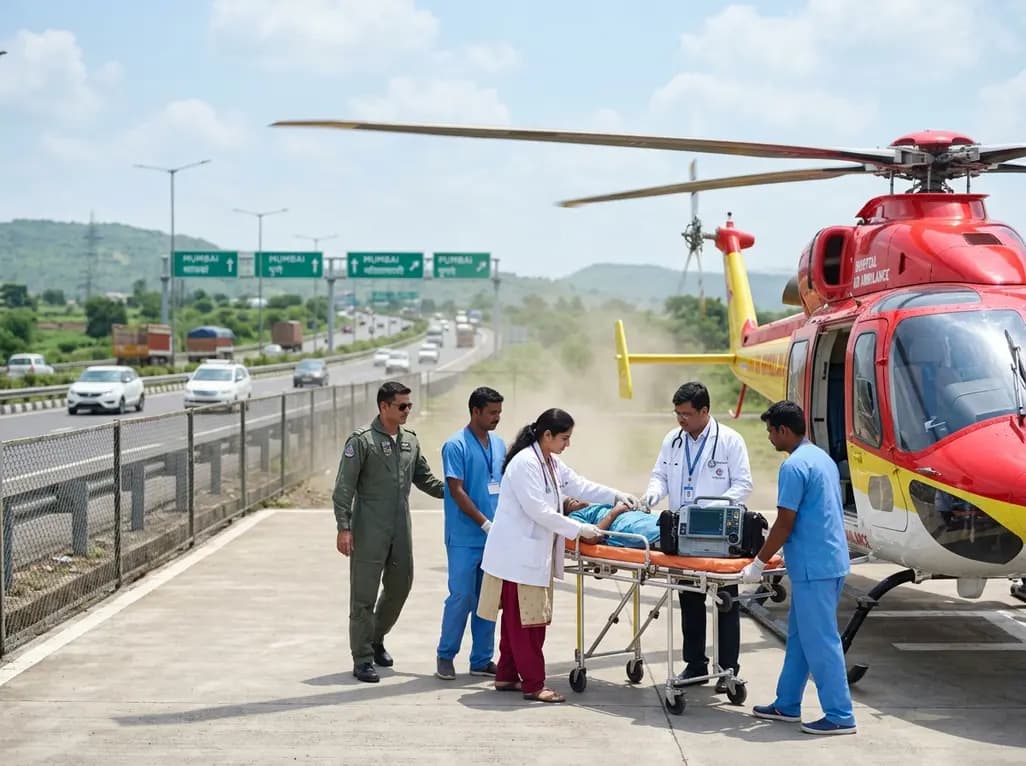
The state government is deploying helicopter emergency medical services across the Mumbai-Pune Expressway, Samruddhi Mahamarg, and Mumbai-Goa Highway. This initiative establishes unified standard operating procedures to enable rapid triage, advanced prehospital resuscitation, and seamless trauma care transfers.
Last week
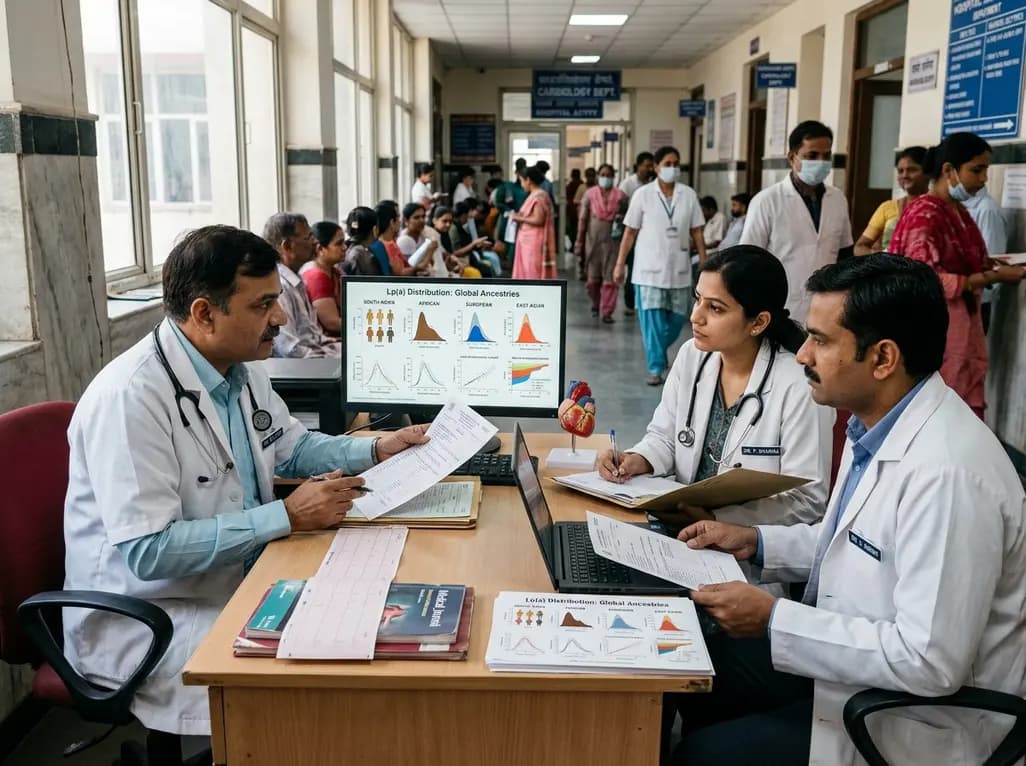
Atherosclerotic cardiovascular disease guidelines often rely on European-derived lipoprotein(a) cutoffs. However, baseline Lp(a) levels vary widely across ancestries, including South Asians and Africans. Clinicians must interpret Lp(a) values within overall absolute cardiovascular risk.
Last week
