.webp&w=384&q=75)

Loading, please wait...
Loading, please wait...
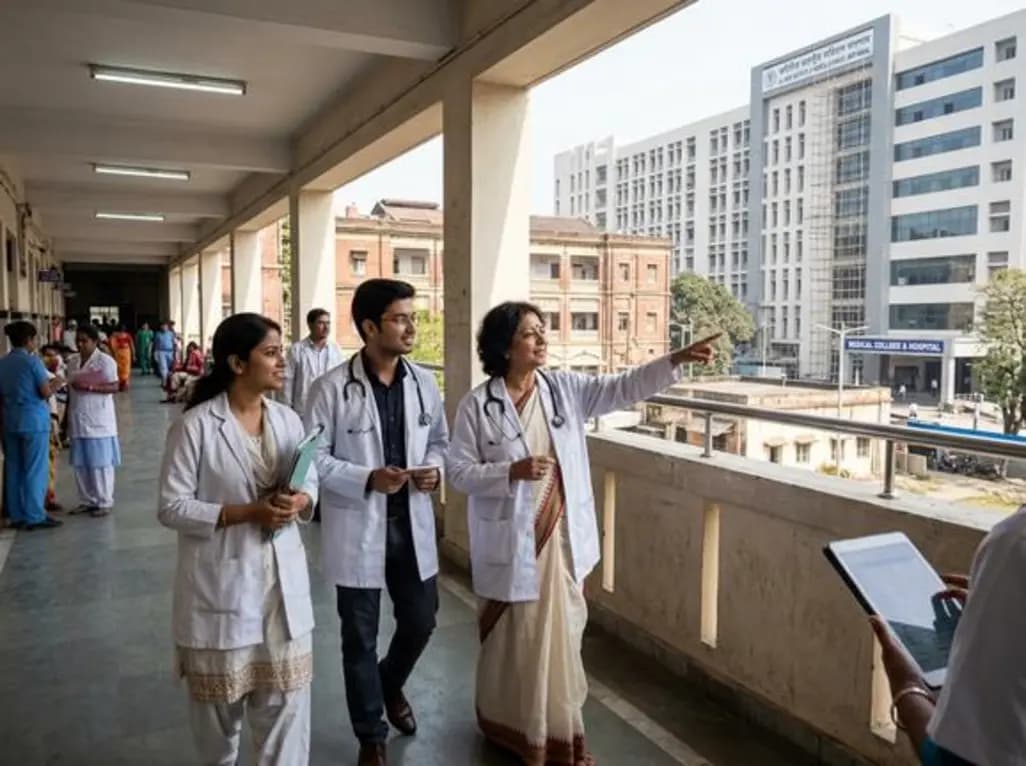
The newly presented West Bengal healthcare budget aims to completely transform the medical landscape of the state. Specifically, the government announced several major healthcare initiatives during the state budget presentation on Monday. Additionally, these plans focus heavily on expanding medical education and improving local infrastructure. Consequently, the state will see a significant rise in both undergraduate and postgraduate medical seats.
First, the government will establish a second AIIMS and a dedicated cancer specialty hospital in North Bengal. This initiative will bring advanced tertiary care to a region that historically lacked such facilities. Furthermore, the budget proposes four new medical colleges in Alipurduar, Kalimpong, West Burdwan, and South Dinajpur. Additionally, the existing Suri Superspecialty Hospital in Birbhum will upgrade to a full medical college. Therefore, medical aspirants will benefit from 650 new MBBS seats across 13 medical colleges. Moreover, the state will add over 450 postgraduate medical seats to strengthen specialized training.
First, the government plans several critical upgrades to improve rural medical care. Specifically, new super-specialty hospitals will come up in the Sundarbans, Purulia, and Darjeeling. In addition, existing healthcare facilities in Haripal, Bamangola, Farakka, Digha, Jhalda, and Manbazar will undergo massive upgrades. However, geography remains a major challenge in coastal areas like the Sundarbans. Consequently, the government will deploy specialized motorboat ambulances and island-based child delivery centres to address these terrains. Therefore, remote populations will receive much-needed emergency medical support.
Initially, the state is launching the Pradhan Mantri Bhartiya Janaushadhi Pariyojana to reduce patient costs. Consequently, patients can buy quality generic medicines at 50% to 80% lower prices through dedicated stores. Furthermore, AMRIT stores in all district and subdivisional hospitals will offer costly implants and life-saving drugs at steep discounts. Additionally, the government invites private organizations to build advanced hospitals to improve capacity. Specifically, private partners under this partnership model must offer 50% of their beds for free or at highly subsidized rates. Finally, the patient diet allowance in government hospitals will almost double from ₹56.6 to ₹110 per day.
Q1: Where will the new medical colleges be established under the new budget?
The four new medical colleges will be established in Alipurduar, Kalimpong, West Burdwan, and South Dinajpur, while the existing Suri Superspecialty Hospital in Birbhum will undergo an upgrade into a full medical college.
Q2: How many new medical seats will the West Bengal healthcare budget add?
The state budget adds 650 new MBBS seats across 13 medical colleges and over 450 postgraduate seats throughout the state.
Q3: What specialized services are being planned for the Sunderbans region?
Due to the difficult terrain, the government will deploy specialized motorboat ambulances and island-based child delivery centres in the Sunderbans.
Disclaimer: This content is for informational and educational purposes only. It does not constitute medical advice or replace professional judgment. Refer to the latest local and national guidelines for clinical practice.
References

Read summarized clinical updates, watch expert medical content, and earn CME certifications right from your smartphone.
Open your smartphone camera to scan and install.





The West Bengal government has proposed a major healthcare upgrade in its latest budget. Key plans include a second AIIMS and a cancer hospital in North Bengal, four new medical colleges, and 1,100 new medical seats, significantly boosting the state's clinical education and rural healthcare services.
3 months ago
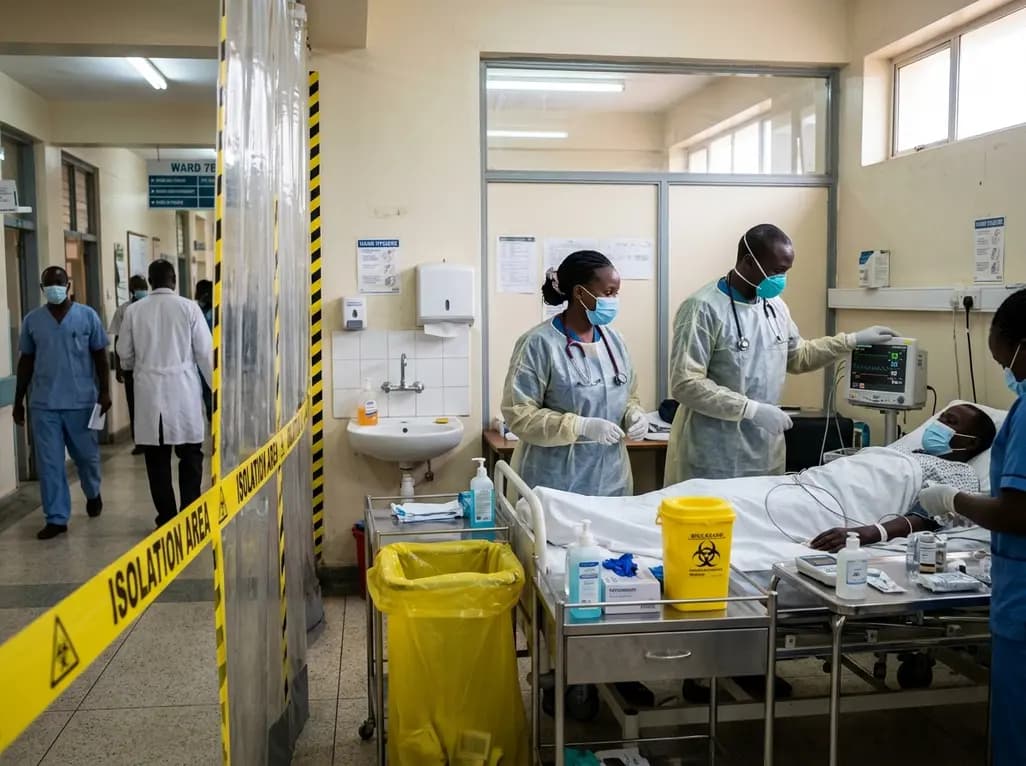
Kenya's confirmation of its eighth Ebola infection highlights the acute risk of secondary transmission in hospital environments. Clinicians must maintain high vigilance, enforce strict infection prevention protocols, and implement rapid triage mechanisms for viral hemorrhagic fevers across healthcare settings.
3 days back
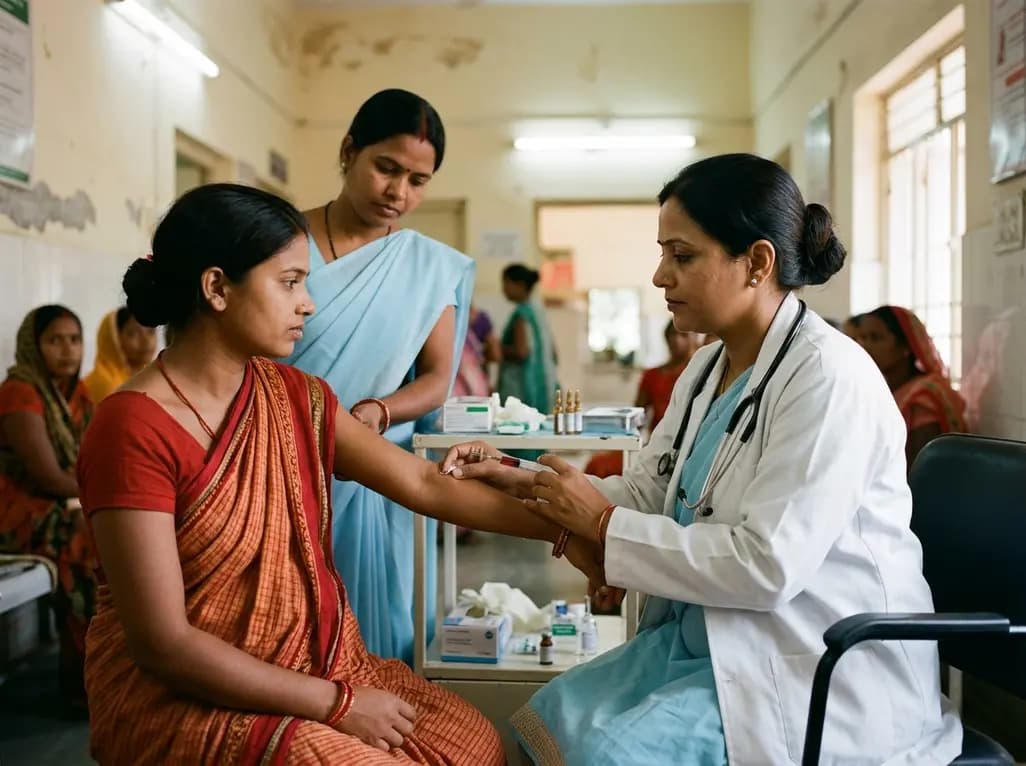
Maternal anaemia contributes to nearly half of pregnancy-related fatalities across India. To prevent complications, Uttar Pradesh has added single-dose parenteral iron to its essential medicines list. This clinical transition aims to restore haemoglobin rapidly and protect high-risk mothers across rural facilities.
Last week
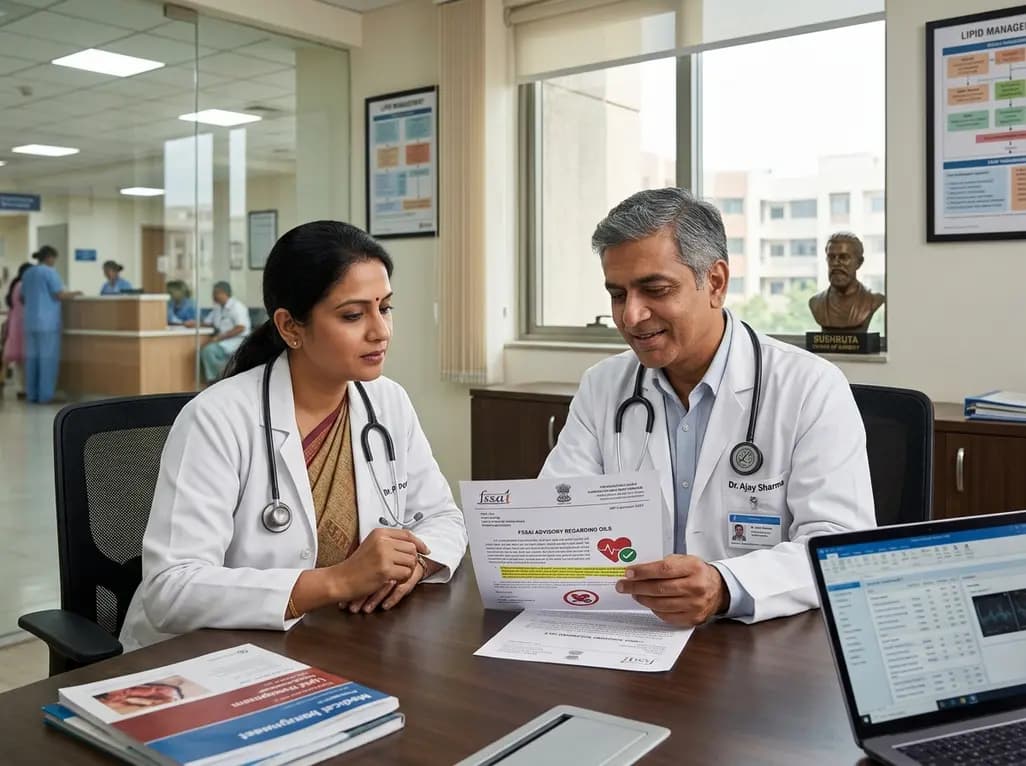
India's food safety authority FSSAI has issued show-cause notices to Gemini Edibles, BigBasket, and Flipkart for unpermitted cardiovascular claims regarding Freedom Rice Bran Oil. This regulatory move highlights the strict enforcement of advertising standards and the clinical necessity of evidence-based lipid care.
5 days back
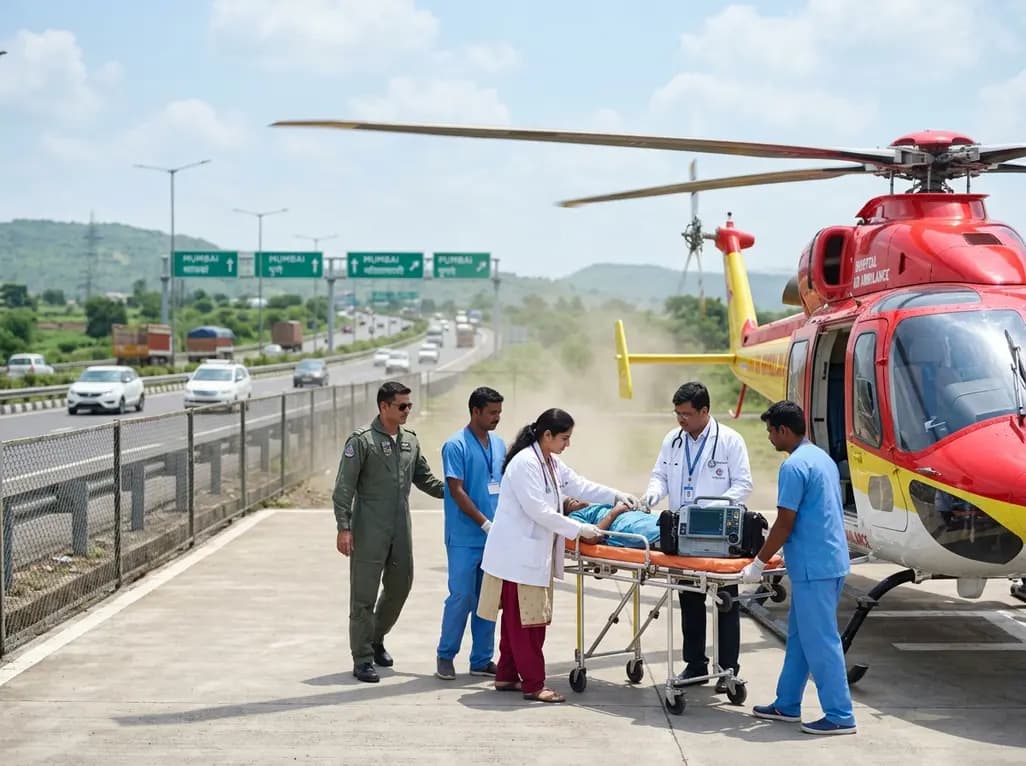
The state government is deploying helicopter emergency medical services across the Mumbai-Pune Expressway, Samruddhi Mahamarg, and Mumbai-Goa Highway. This initiative establishes unified standard operating procedures to enable rapid triage, advanced prehospital resuscitation, and seamless trauma care transfers.
Last week
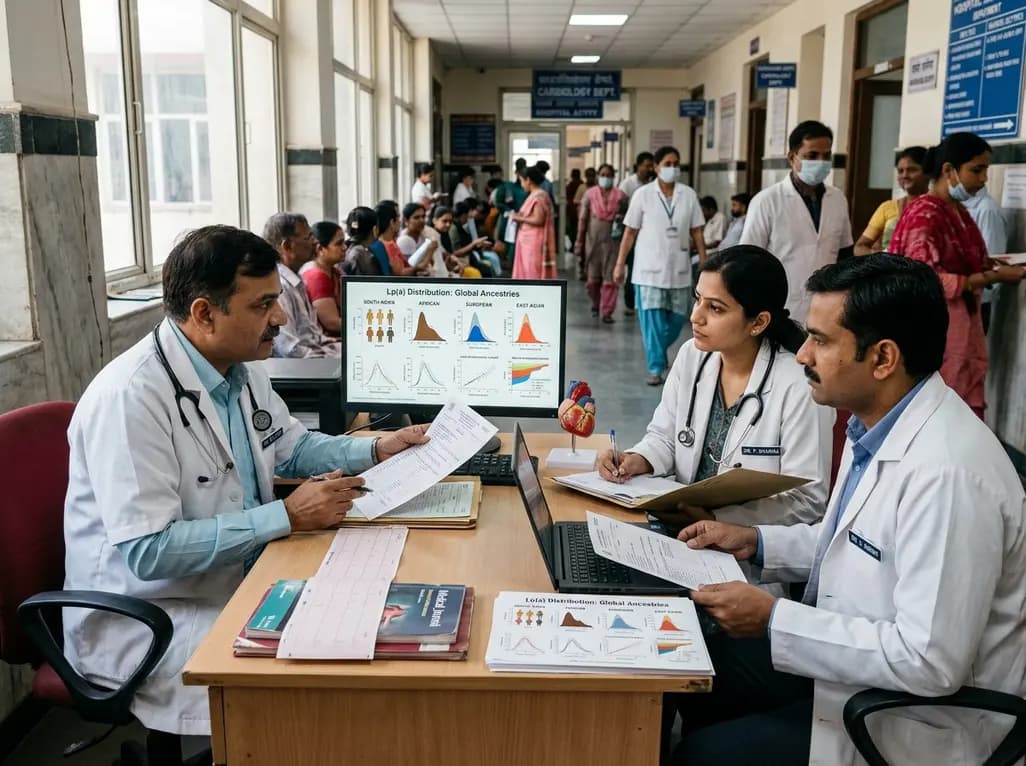
Atherosclerotic cardiovascular disease guidelines often rely on European-derived lipoprotein(a) cutoffs. However, baseline Lp(a) levels vary widely across ancestries, including South Asians and Africans. Clinicians must interpret Lp(a) values within overall absolute cardiovascular risk.
Last week
