.webp&w=384&q=75)

Loading, please wait...
Loading, please wait...
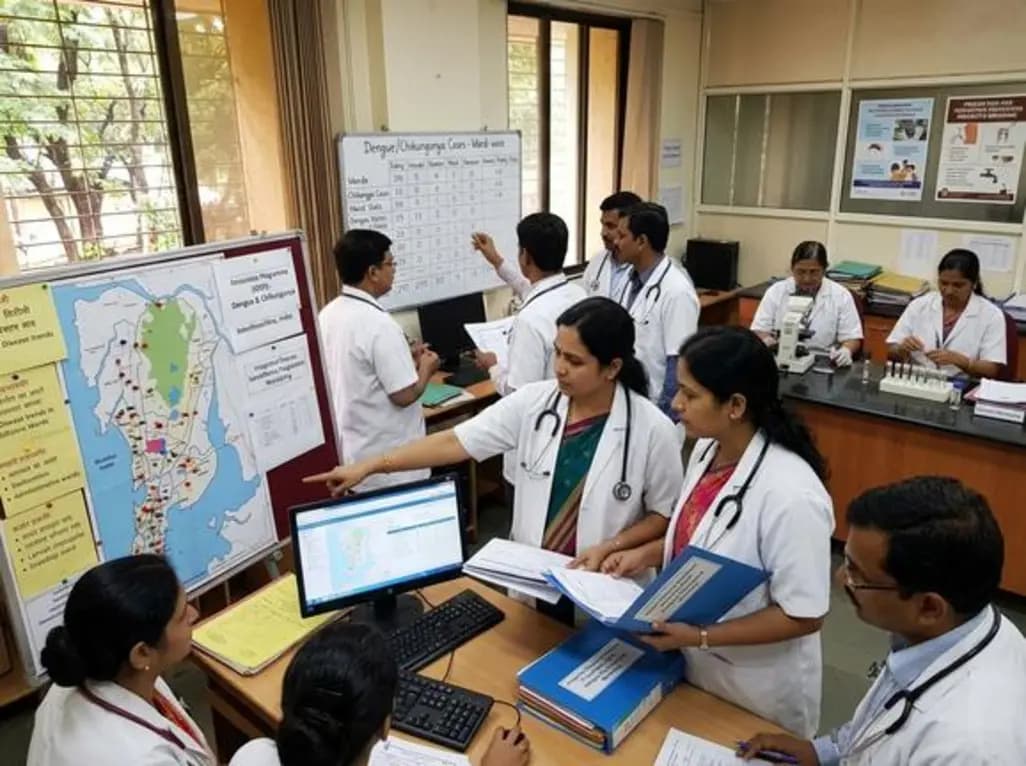
India currently faces a significant threat of a surge in monsoon infections. The El Niño-induced climate pattern has prompted the Maharashtra state health department to enforce rigorous preventive strategies. Specifically, experts warn that changing weather patterns could drastically increase the transmission of vector-borne diseases this year. Consequently, healthcare authorities are ramping up surveillance and laboratory preparedness to tackle potential outbreaks before the monsoon intensifies.
To effectively manage the upcoming health challenges, the Union Health Ministry has issued critical advisories. First, government and private hospitals must immediately register all suspected cases of dengue, malaria, and chikungunya. This prompt reporting helps state systems track infection clusters in real-time. In addition, medical staff should focus on identifying early clinical warning signs of severe infections. For instance, warning signs include persistent abdominal pain, fluid accumulation, and mucosal bleeding. Therefore, timely clinical intervention can significantly reduce mortality rates.
Controlling mosquito populations is a primary defense mechanism against dengue and zika. Therefore, health workers and Accredited Social Health Activists (ASHA) are conducting extensive household surveys to detect mosquito larvae. They inspect water tanks, coolers, and flower vases regularly. Furthermore, the administration plans to conduct massive public awareness campaigns to eliminate breeding grounds. Schools and local communities will observe one 'Dry Day' each week to clear standing water. Thus, active community participation remains crucial in suppressing disease vectors.
Q1: Why is there an increased risk of vector-borne diseases in 2026?
The El Niño climate pattern alters weather conditions, causing temperature rises and irregular rainfall. Consequently, these changes accelerate mosquito breeding cycles and intensify disease transmission rates across India.
Q2: What are the key diagnostic expectations for hospitals during this season?
Hospitals must immediately register all suspected cases of vector-borne infections on the state portal. Additionally, they should maintain adequate supplies of testing kits and treatment equipment to ensure prompt patient care.
Q3: How does the 'Dry Day' initiative help in disease control?
The 'Dry Day' initiative encourages communities to empty and clean water storage containers weekly. As a result, this practice breaks the breeding cycle of Aedes mosquitoes, which drastically reduces transmission risk.
Disclaimer: This content is for informational and educational purposes only. It does not constitute medical advice or replace professional judgment. Refer to the latest local and national guidelines for clinical practice.
References

Read summarized clinical updates, watch expert medical content, and earn CME certifications right from your smartphone.
Open your smartphone camera to scan and install.





With experts warning of an El Niño-induced rise in monsoon infections, Maharashtra has ordered intensive disease surveillance and preventative actions. Healthcare systems are enhancing laboratory resources and monitoring larval sources to control mosquito-borne outbreaks like dengue and chikungunya.
4 months ago
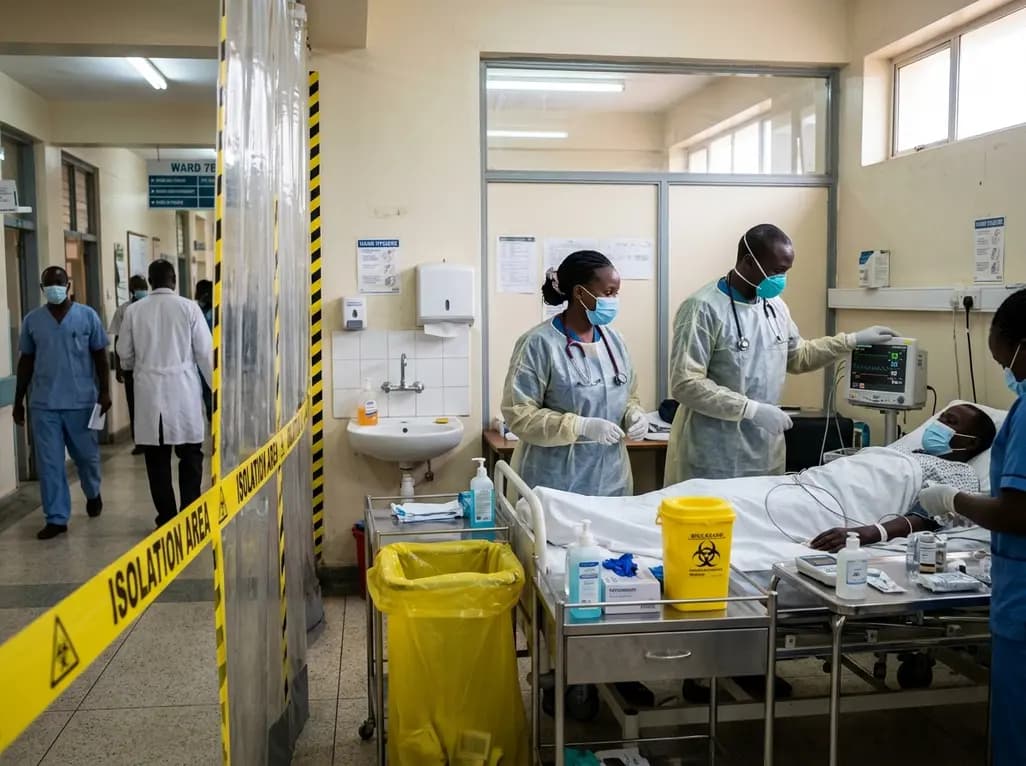
Kenya's confirmation of its eighth Ebola infection highlights the acute risk of secondary transmission in hospital environments. Clinicians must maintain high vigilance, enforce strict infection prevention protocols, and implement rapid triage mechanisms for viral hemorrhagic fevers across healthcare settings.
4 days back
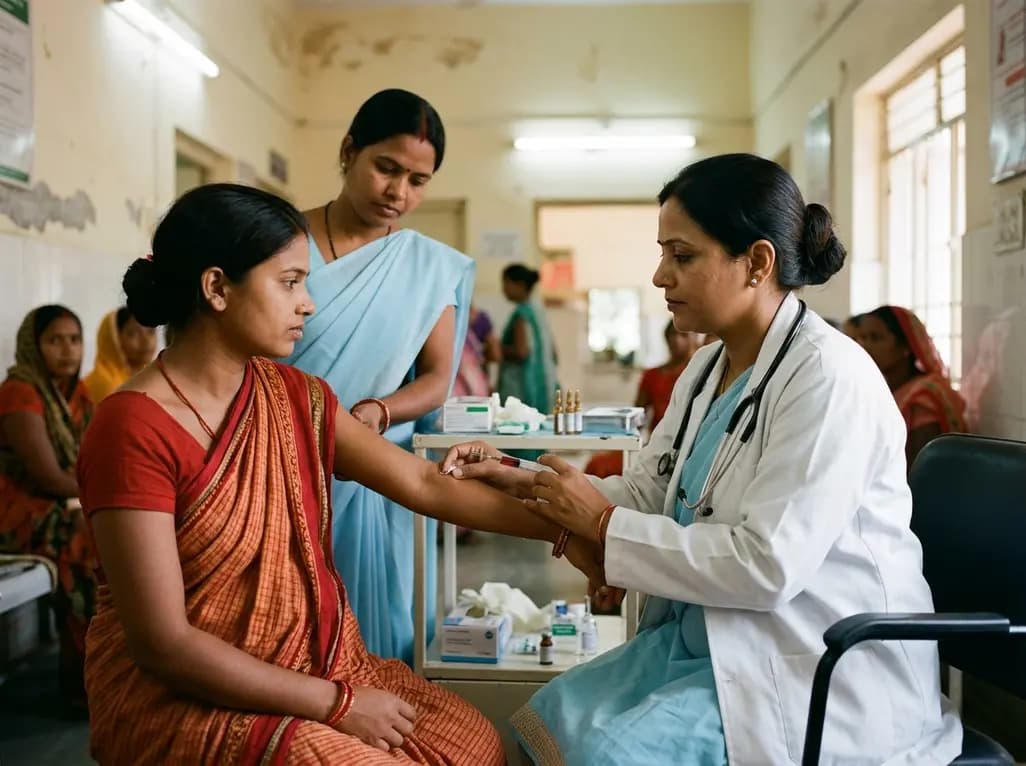
Maternal anaemia contributes to nearly half of pregnancy-related fatalities across India. To prevent complications, Uttar Pradesh has added single-dose parenteral iron to its essential medicines list. This clinical transition aims to restore haemoglobin rapidly and protect high-risk mothers across rural facilities.
Last week
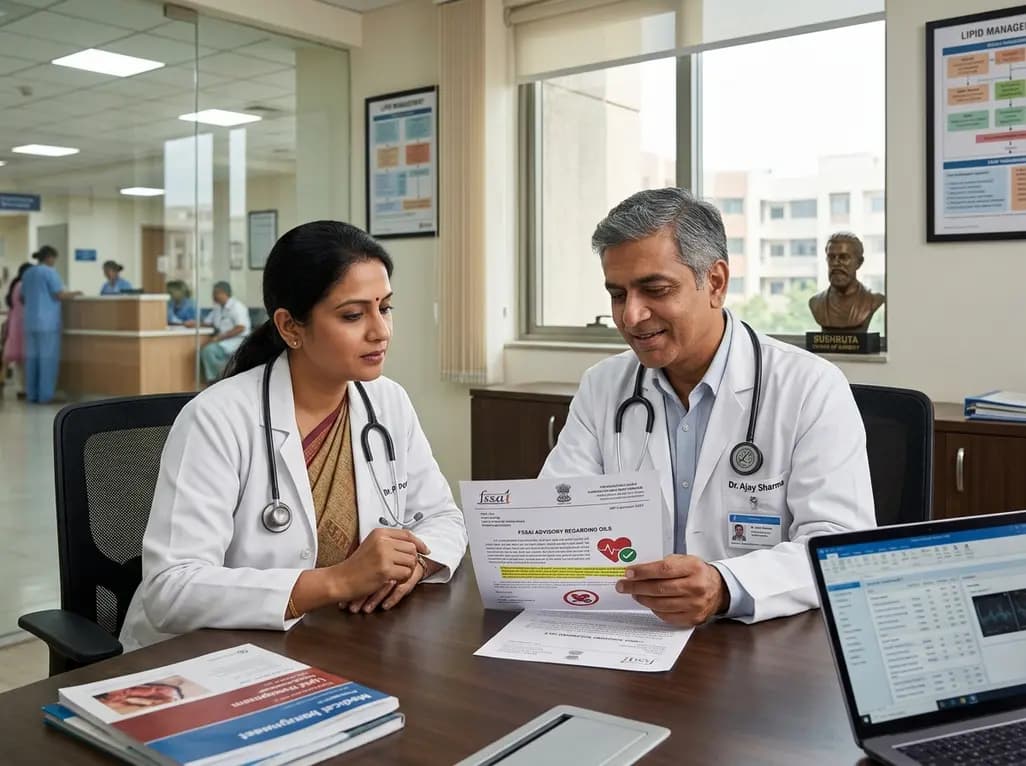
India's food safety authority FSSAI has issued show-cause notices to Gemini Edibles, BigBasket, and Flipkart for unpermitted cardiovascular claims regarding Freedom Rice Bran Oil. This regulatory move highlights the strict enforcement of advertising standards and the clinical necessity of evidence-based lipid care.
6 days back
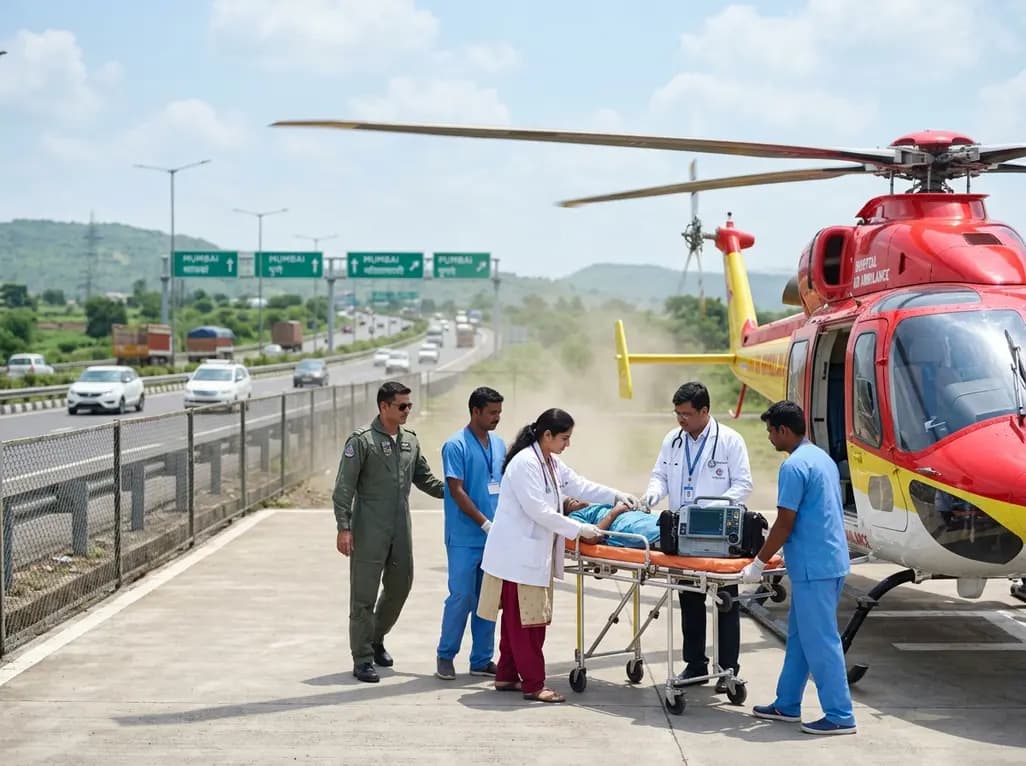
The state government is deploying helicopter emergency medical services across the Mumbai-Pune Expressway, Samruddhi Mahamarg, and Mumbai-Goa Highway. This initiative establishes unified standard operating procedures to enable rapid triage, advanced prehospital resuscitation, and seamless trauma care transfers.
Last week
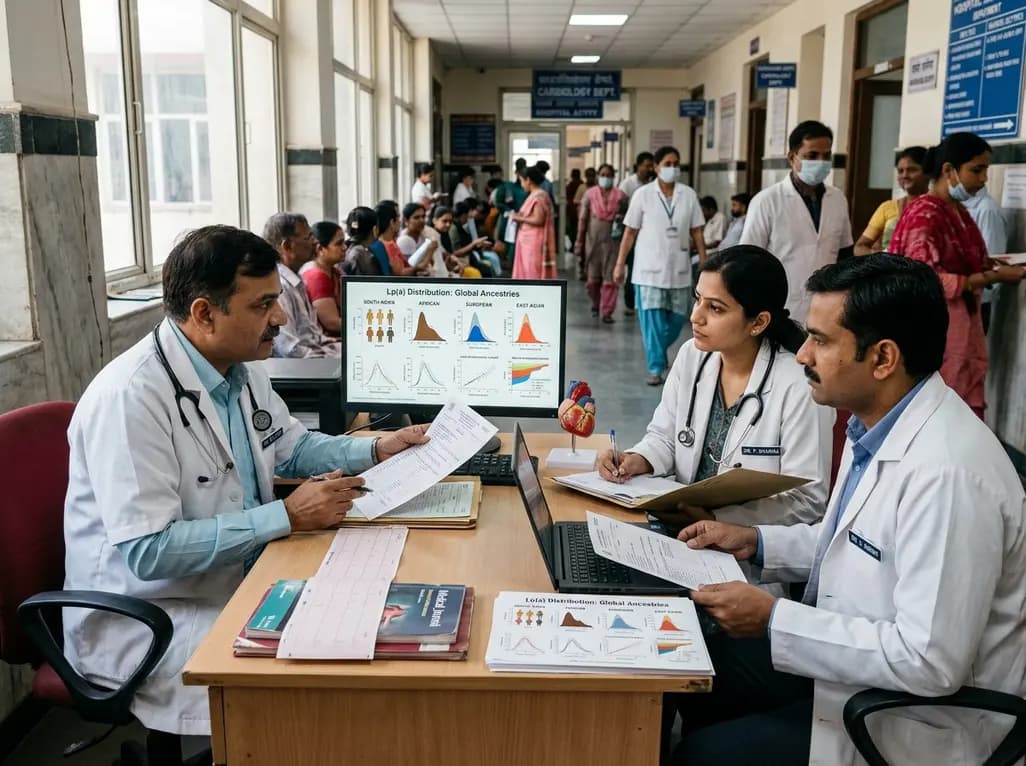
Atherosclerotic cardiovascular disease guidelines often rely on European-derived lipoprotein(a) cutoffs. However, baseline Lp(a) levels vary widely across ancestries, including South Asians and Africans. Clinicians must interpret Lp(a) values within overall absolute cardiovascular risk.
Last week
