.webp&w=384&q=75)

Loading, please wait...
Loading, please wait...
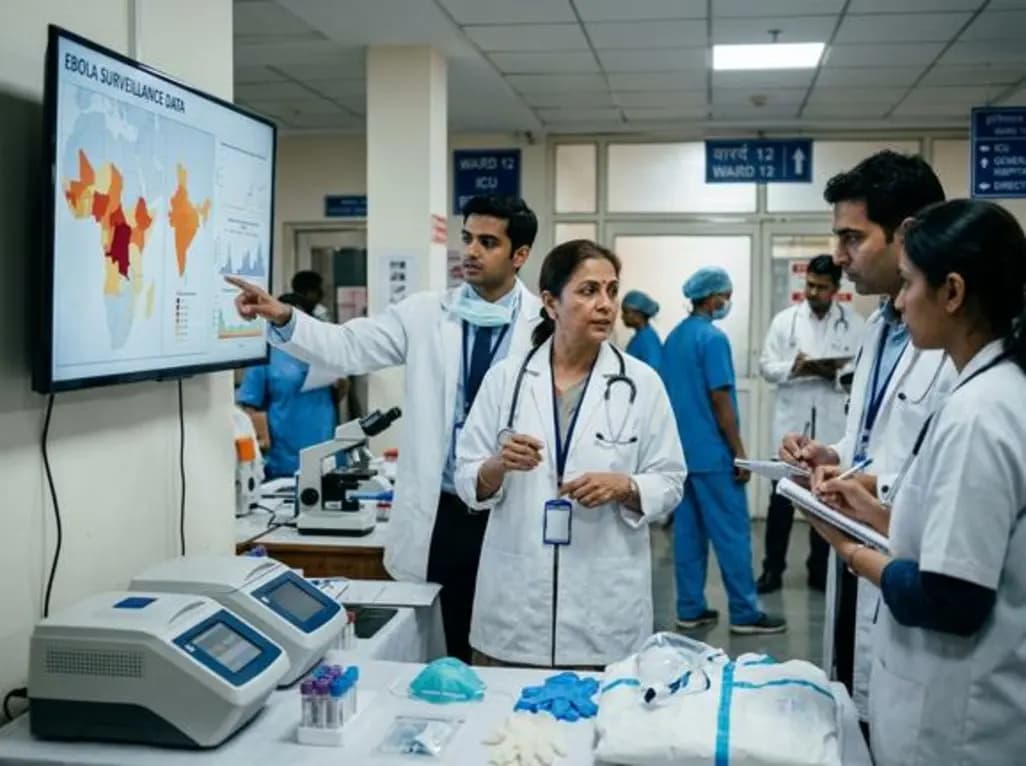
The United States Centers for Disease Control and Prevention (CDC) recently made available $107 million in emergency funding. This crucial capital will bolster the international and domestic Ebola outbreak response. Specifically, these funds target the rare Bundibugyo strain spreading in the DRC and Uganda. Consequently, this emergency intervention comes at a pivotal moment. The World Health Organization (WHO) recently declared the situation an international emergency.
Currently, the outbreak presents a severe humanitarian challenge in Central Africa. According to reports, the Bundibugyo strain has already caused 875 confirmed cases and 202 deaths. Therefore, health experts warn that this epidemic could surpass the devastating 2014-2016 West African outbreak. That previous crisis tragically claimed over 11,000 lives. However, global donors have been slow to release pledged funds. Indeed, the Africa CDC reports that countries have received less than 10% of the promised $910 million in aid.
To combat this shortfall, the US CDC has deployed over 125 staff members across the DRC and Uganda. Specifically, field teams are assisting local ministries of health with epidemiological investigations and contact tracing. Furthermore, these teams are actively working to improve community acceptance of critical public health measures. These measures include surveillance, isolation protocols, and safe, dignified burials. In addition, the CDC is providing vital technical assistance to laboratories for rapid diagnostic testing.
Additionally, containment efforts are focusing on regional transit pathways. Teams in Uganda are currently evaluating airport screening processes and enhancing border health security. Meanwhile, the CDC is collaborating with the DRC to prepare provinces immediately west of the outbreak zone. Consequently, this proactive containment strategy aims to limit the geographical spread of the virus. Although the risk to the United States remains low, public health officials are taking no chances.
Crucially, the Bundibugyo strain presents unique therapeutic obstacles. Currently, there are no approved vaccines or targeted therapies for this specific Ebola species. Therefore, clinical management depends heavily on early supportive care and symptom relief. Medical educators emphasize that healthcare providers globally must remain vigilant. Because of rapid international travel, clinicians everywhere should understand the initial symptoms of viral hemorrhagic fevers. These symptoms typically include fever, headache, severe muscle pain, and extreme fatigue.
Q1: Why is the current Ebola outbreak in the DRC and Uganda especially challenging?
The outbreak involves the rare Bundibugyo strain of the Ebola virus. Currently, there are no approved or licensed vaccines or specific antiviral treatments for this particular strain, making containment and early supportive care the primary clinical focus.
Q2: How is the US CDC utilizing the emergency funding?
The CDC is using the $107 million to support both domestic and international responses. This includes deploying field staff for epidemiological tracking, assisting local laboratories with diagnostic testing, reinforcing border screening in Uganda, and preparing neighboring provinces to limit transmission.
Q3: What are the initial clinical symptoms of Bundibugyo Ebola virus disease?
Early symptoms are often non-specific and can mimic other endemic febrile illnesses like malaria. Patients typically present with fever, headache, severe muscle pain, sore throat, and profound fatigue, which may later progress to organ dysfunction and gastrointestinal issues.
Disclaimer: This content is for informational and educational purposes only. It does not constitute medical advice or replace professional judgment. Refer to the latest local and national guidelines for clinical practice.
References

Read summarized clinical updates, watch expert medical content, and earn CME certifications right from your smartphone.
Open your smartphone camera to scan and install.





With the rare Bundibugyo Ebola strain surging in Central Africa, the US CDC has activated $107 million in emergency funding. Learn how this massive mobilization supports surveillance, rapid diagnostics, and border health screenings to contain the growing epidemic and prevent further transmission.
4 months ago
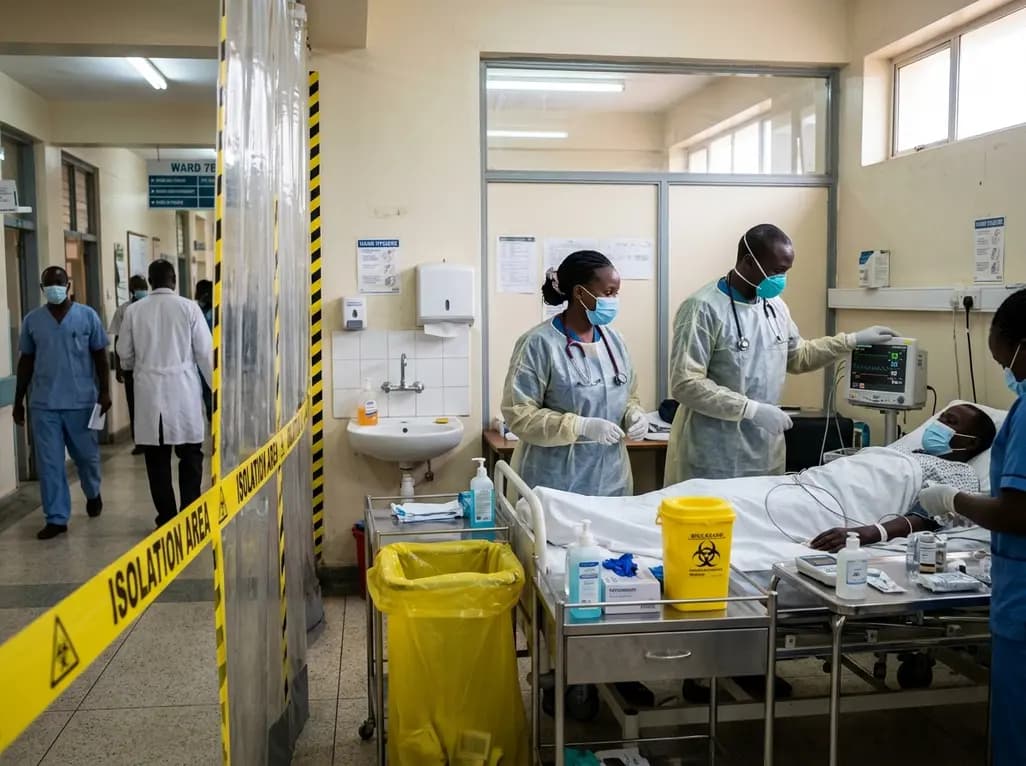
Kenya's confirmation of its eighth Ebola infection highlights the acute risk of secondary transmission in hospital environments. Clinicians must maintain high vigilance, enforce strict infection prevention protocols, and implement rapid triage mechanisms for viral hemorrhagic fevers across healthcare settings.
4 days back
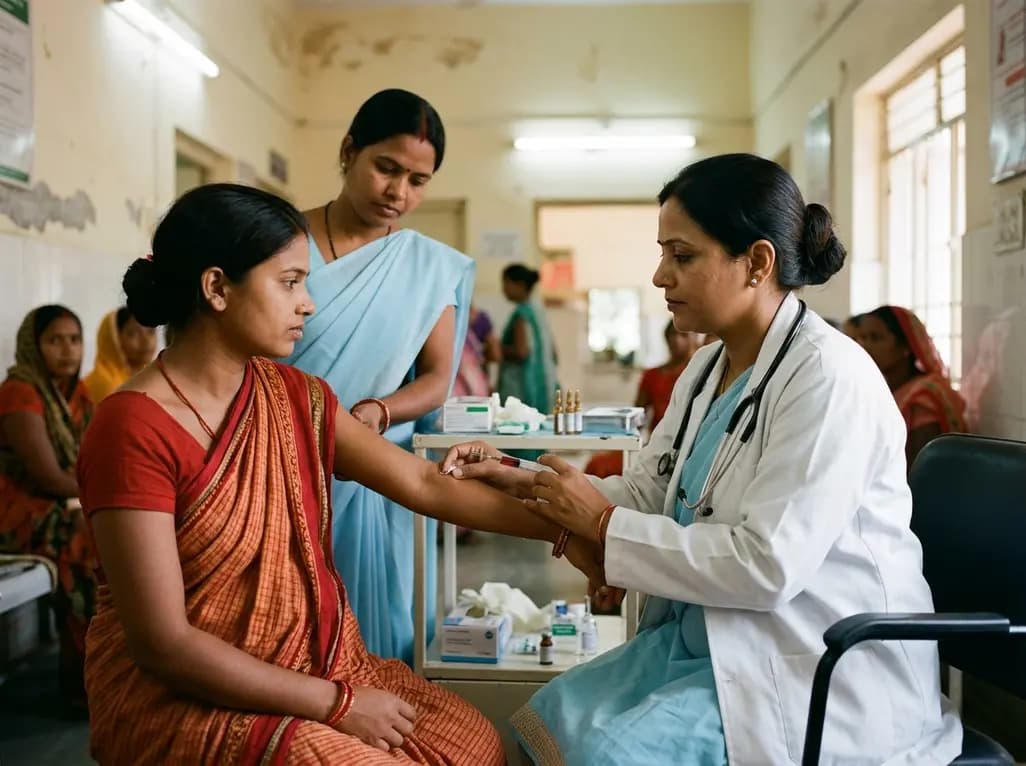
Maternal anaemia contributes to nearly half of pregnancy-related fatalities across India. To prevent complications, Uttar Pradesh has added single-dose parenteral iron to its essential medicines list. This clinical transition aims to restore haemoglobin rapidly and protect high-risk mothers across rural facilities.
Last week

India's food safety authority FSSAI has issued show-cause notices to Gemini Edibles, BigBasket, and Flipkart for unpermitted cardiovascular claims regarding Freedom Rice Bran Oil. This regulatory move highlights the strict enforcement of advertising standards and the clinical necessity of evidence-based lipid care.
6 days back
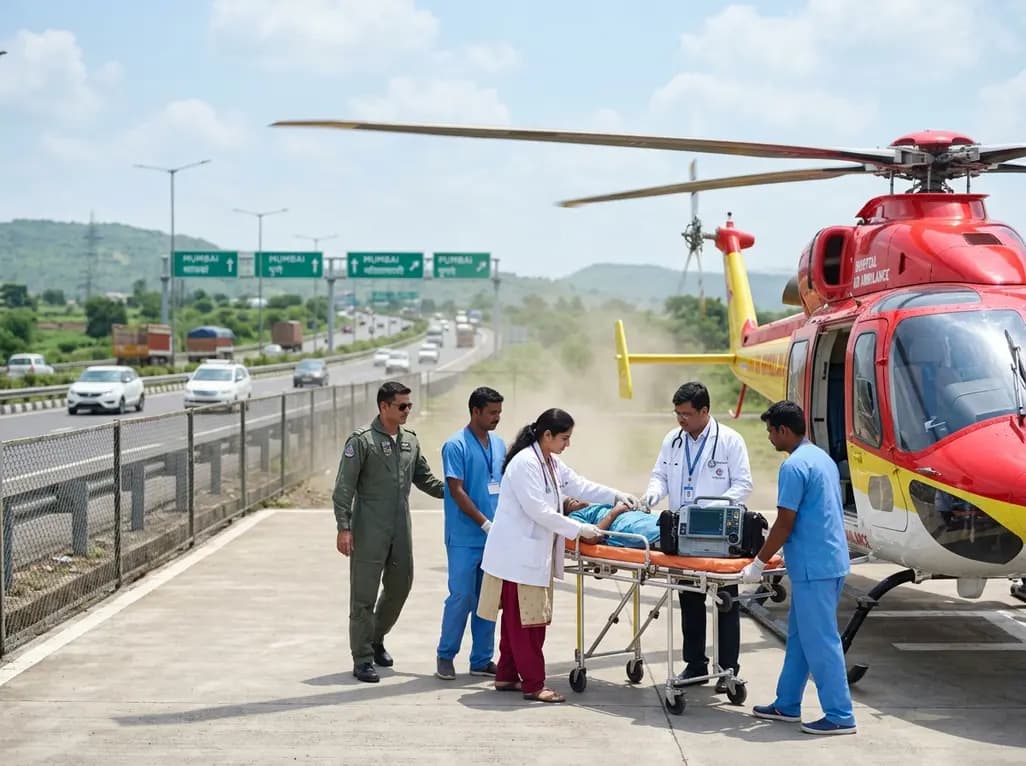
The state government is deploying helicopter emergency medical services across the Mumbai-Pune Expressway, Samruddhi Mahamarg, and Mumbai-Goa Highway. This initiative establishes unified standard operating procedures to enable rapid triage, advanced prehospital resuscitation, and seamless trauma care transfers.
Last week
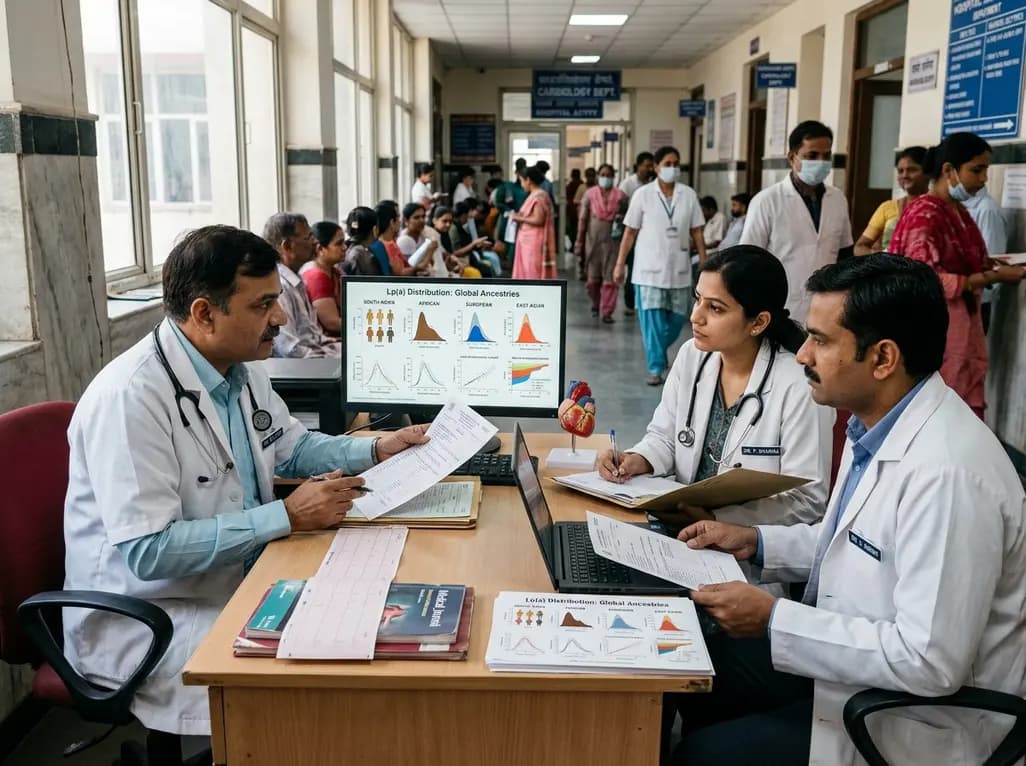
Atherosclerotic cardiovascular disease guidelines often rely on European-derived lipoprotein(a) cutoffs. However, baseline Lp(a) levels vary widely across ancestries, including South Asians and Africans. Clinicians must interpret Lp(a) values within overall absolute cardiovascular risk.
Last week
