.webp&w=384&q=75)

Loading, please wait...
Loading, please wait...
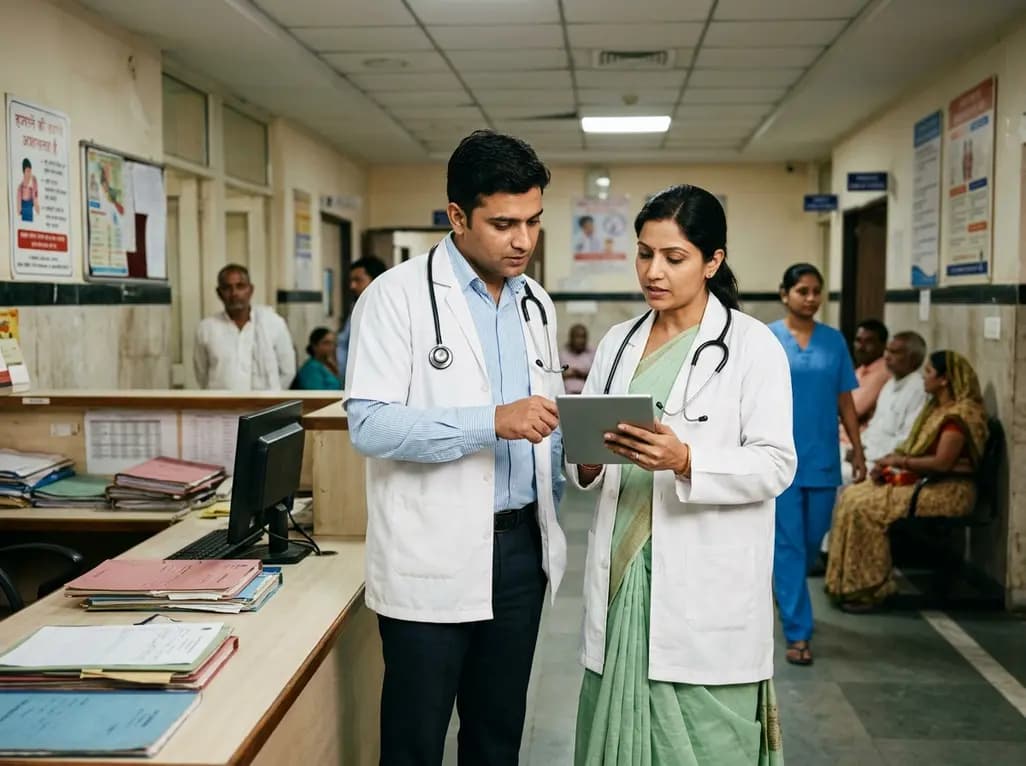
Union Health Minister J P Nadda recently launched the Unified Health Interface to transform Indian healthcare. For a long time, fragmentation has severely limited the utility of digital health platforms across India. Currently, patients and doctors must use the same application to communicate, which restricts patient choice and limits clinic visibility. Consequently, this digital divide has left many patients in rural areas without access to verified specialists.
Fortunately, the newly introduced Unified Health Interface solves this problem by acting as an open, interoperable network. It functions as the service layer under the Ayushman Bharat Digital Mission. Therefore, this network enables citizens to discover, book, and access verified healthcare services across multiple digital platforms. By removing rigid platform barriers, this system allows any compliant application to talk to any other. Ultimately, this integration establishes a seamless bridge between patients and healthcare providers. Both large hospital systems and small independent practices will benefit from this shared digital framework. Consequently, patients can now easily select their preferred doctors, clinics, and diagnostic centers based on transparent details.
The implementation of the Unified Health Interface relies on four fundamental pillars. First, interoperability allows diverse applications to communicate seamlessly. Thus, users do not need to download multiple applications to access different services. Second, the principle of fair discoverability ensures that every verified healthcare provider has an equal opportunity to be found. Specifically, doctors in remote rural settings will enjoy the same digital visibility as large corporate hospitals. This level playing field will dramatically improve healthcare equity throughout the country.
Third, verification serves as a critical mechanism to build patient trust. Specifically, the network only allows credentialed professionals and registered facilities to offer their services. This rigorous process prevents fraudulent actors from exploiting patients. Fourth, the system utilizes open protocols to encourage technological innovation. As a result, software developers can build creative health applications in multiple local languages. These customized tools will cater to the diverse linguistic needs of Indian patients. Furthermore, open standards ensure that any startup can easily join the expanding network. By adhering to these concepts, the network establishes a safe, highly efficient virtual marketplace for digital medical services.
Technically, the Unified Health Interface operates through open protocols on the Ayushman Bharat Digital Mission Gateway. The National Health Authority diligently maintains this gateway to ensure smooth data transmission. When a citizen searches for a clinical service, the application routes the request through this central gateway. Subsequently, the gateway identifies registered healthcare providers who can fulfill the requested service.
To identify patients securely, the network uses the unique Ayushman Bharat Health Account. Additionally, the system verifies healthcare providers through two key national registries. These are the Healthcare Professionals Registry and the Health Facility Registry. Consequently, patients can easily verify the credentials of any doctor before booking an appointment. Most importantly, the platform guarantees patient privacy at every stage. For instance, the system shares clinical records only through consent-based mechanisms under the Health Information Exchange. This secure setup ensures that patients retain complete ownership of their personal medical data. Therefore, doctors can access medical histories only when patients grant explicit digital permission. This transparent flow of data prevents unauthorized access and builds long-term trust.
To ensure a smooth transition, the government is introducing the new network in carefully structured phases. During the initial rollout, four key citizen services have already become operational on compatible digital applications. These services allow patients to discover and connect with local clinics in real time.
Subsequently, the National Health Authority plans to expand the network to support more complex clinical tasks. In the next phase, the digital network will include the discovery of laboratory diagnostic services. Patients will also be able to search for nearby vaccination centers and licensed pharmacies. Furthermore, citizens can locate government-run pharmacy outlets offering affordable generic medicines. This expansion will significantly reduce out-of-pocket healthcare expenses for families. Additionally, the network will integrate various national health programs directly into its digital fabric. This integration will enable citizens to access diverse government schemes through a single digital application. Ultimately, this phased expansion aims to build a comprehensive health system that serves every Indian citizen. By scaling up the network gradually, the government ensures technical stability and wide-scale public adoption.
This digital initiative introduces profound changes for individual doctors, small clinics, and diagnostic centers across India. Previously, small practices struggled to survive because they relied heavily on expensive third-party platforms for digital visibility. Now, the Unified Health Interface provides a democratic platform where clinic size does not limit patient reach. Doctors can register on the Healthcare Professionals Registry and immediately gain access to a national pool of patients.
Moreover, the government recently introduced eSushrut@Clinic, a lightweight cloud-based clinic management system. This platform integrates perfectly with the new network to simplify daily medical workflows. For instance, doctors can easily manage patient records, generate digital prescriptions, and accept online bookings. Consequently, small practices can digitize their operations without investing in expensive IT infrastructure. This technological support is particularly valuable for doctors practicing in semi-urban and rural areas. By utilizing this interoperable network, physicians can expand their patient base beyond local geographical boundaries. Therefore, this digital shift will enhance patient outcomes and improve the financial sustainability of private medical practices. Ultimately, the system empowers independent practitioners to thrive in a highly competitive digital health market. Additionally, transparent patient reviews and verified qualifications will help dedicated doctors build strong online reputations.
Q1: How does the Unified Health Interface differ from current digital health applications in India?
Currently, patients and healthcare providers must use the exact same digital application to connect, which restricts user options. However, the newly launched Unified Health Interface removes these platform-specific barriers entirely. It functions as an open network that allows individuals to find and schedule appointments with verified doctors across different digital platforms. Consequently, citizens can use any compatible application of their choice to access services, while healthcare providers can easily reach a much broader patient audience.
Q2: What mechanism does the network use to verify healthcare providers and protect patient data?
To ensure patient safety, the platform utilizes official national registries, specifically the Healthcare Professionals Registry and the Health Facility Registry. Only certified doctors and clinics listed on these verified registries can participate in the network. Furthermore, the system protects patient privacy through strict, consent-based mechanisms under the Health Information Exchange. Consequently, doctors can only access a patient's personal medical records after the patient explicitly grants digital permission through their Ayushman Bharat Health Account.
Q3: What healthcare services will be available on the network in the near future?
In the initial rollout phase, the platform has made four basic citizen services operational on compatible applications. However, the government plans to expand the digital network significantly during the next phase. This future expansion will allow citizens to discover and book laboratory diagnostic services, find licensed pharmacies, and locate government-run generic medicine outlets. Additionally, patients will be able to search for vaccination centers and access services from various national health programs.
Disclaimer: This content is for informational and educational purposes only. It does not constitute medical advice or replace professional judgment. Refer to the latest local and national guidelines for clinical practice.
References

Read summarized clinical updates, watch expert medical content, and earn CME certifications right from your smartphone.
Open your smartphone camera to scan and install.





Union Health Minister JP Nadda launched the Unified Health Interface (UHI) under the Ayushman Bharat Digital Mission. UHI breaks down application barriers, allowing patients and verified providers to connect seamlessly across different platforms. Discover how this impacts healthcare accessibility in India.
3 months ago
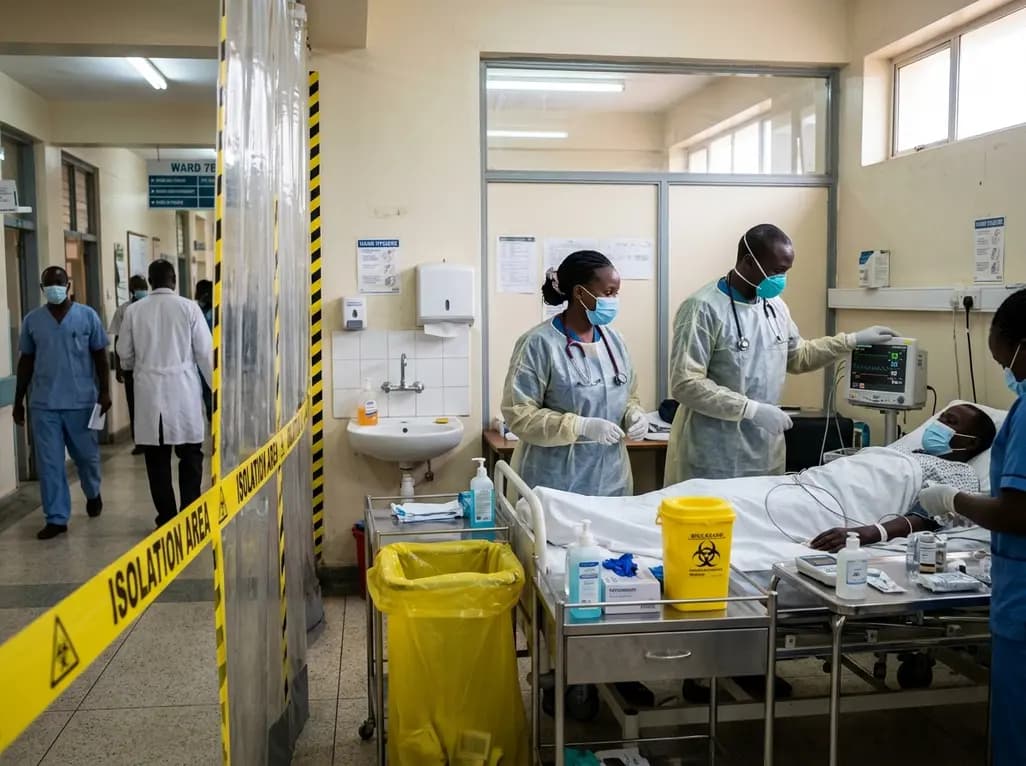
Kenya's confirmation of its eighth Ebola infection highlights the acute risk of secondary transmission in hospital environments. Clinicians must maintain high vigilance, enforce strict infection prevention protocols, and implement rapid triage mechanisms for viral hemorrhagic fevers across healthcare settings.
3 days back
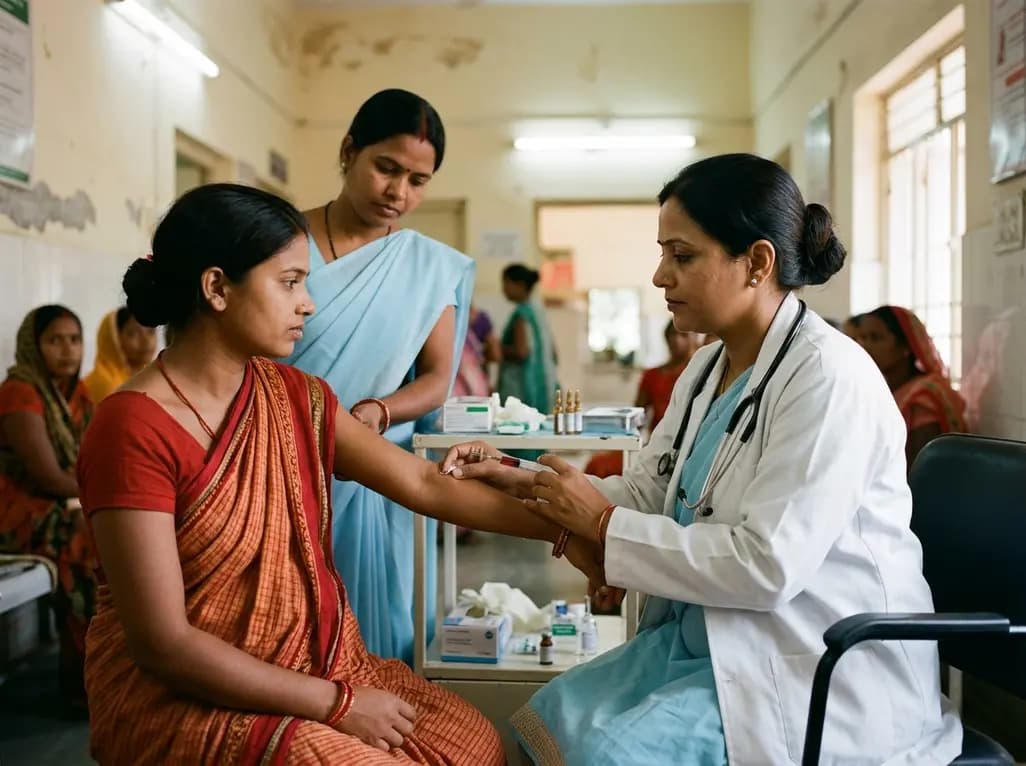
Maternal anaemia contributes to nearly half of pregnancy-related fatalities across India. To prevent complications, Uttar Pradesh has added single-dose parenteral iron to its essential medicines list. This clinical transition aims to restore haemoglobin rapidly and protect high-risk mothers across rural facilities.
Last week
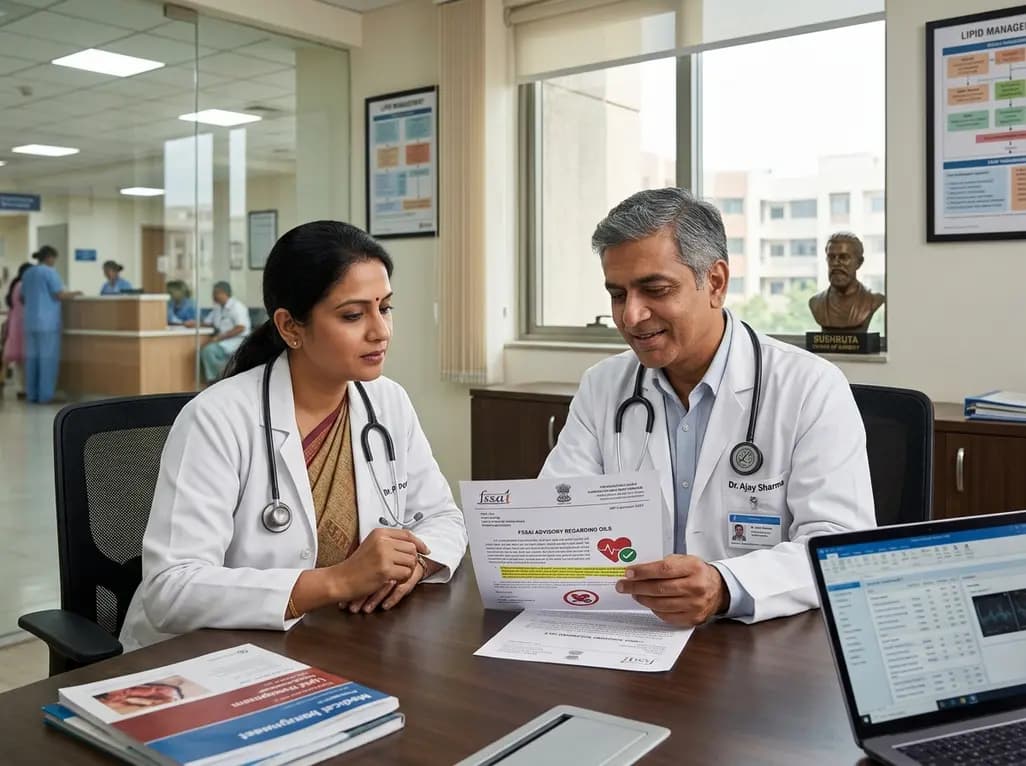
India's food safety authority FSSAI has issued show-cause notices to Gemini Edibles, BigBasket, and Flipkart for unpermitted cardiovascular claims regarding Freedom Rice Bran Oil. This regulatory move highlights the strict enforcement of advertising standards and the clinical necessity of evidence-based lipid care.
5 days back
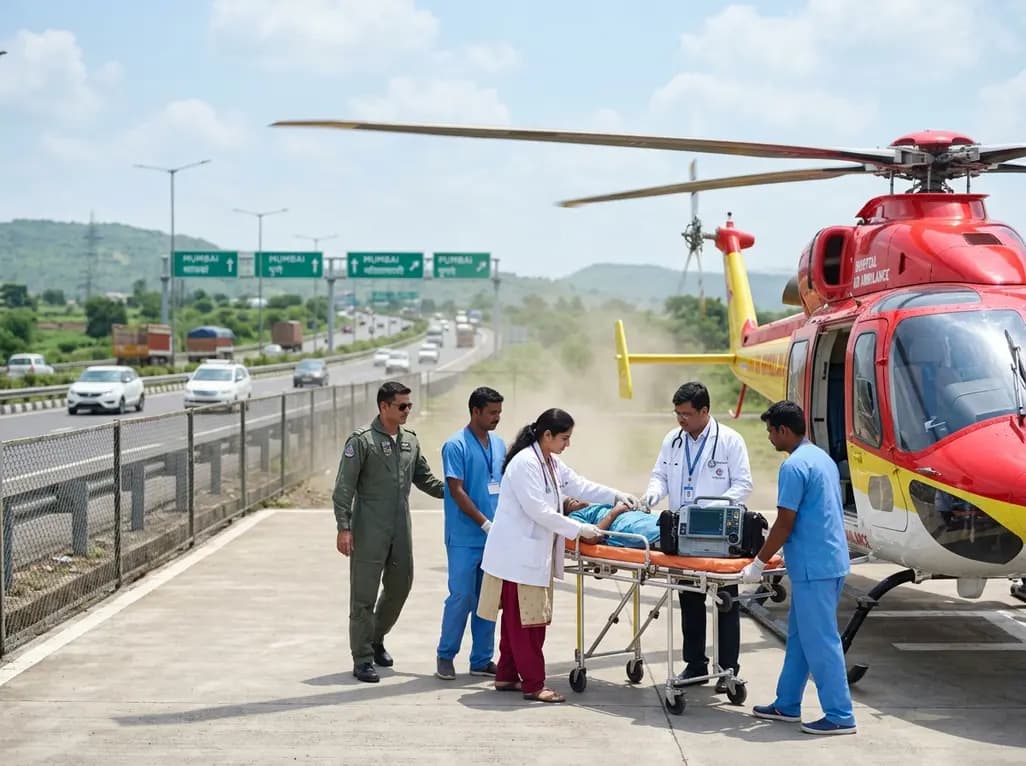
The state government is deploying helicopter emergency medical services across the Mumbai-Pune Expressway, Samruddhi Mahamarg, and Mumbai-Goa Highway. This initiative establishes unified standard operating procedures to enable rapid triage, advanced prehospital resuscitation, and seamless trauma care transfers.
Last week
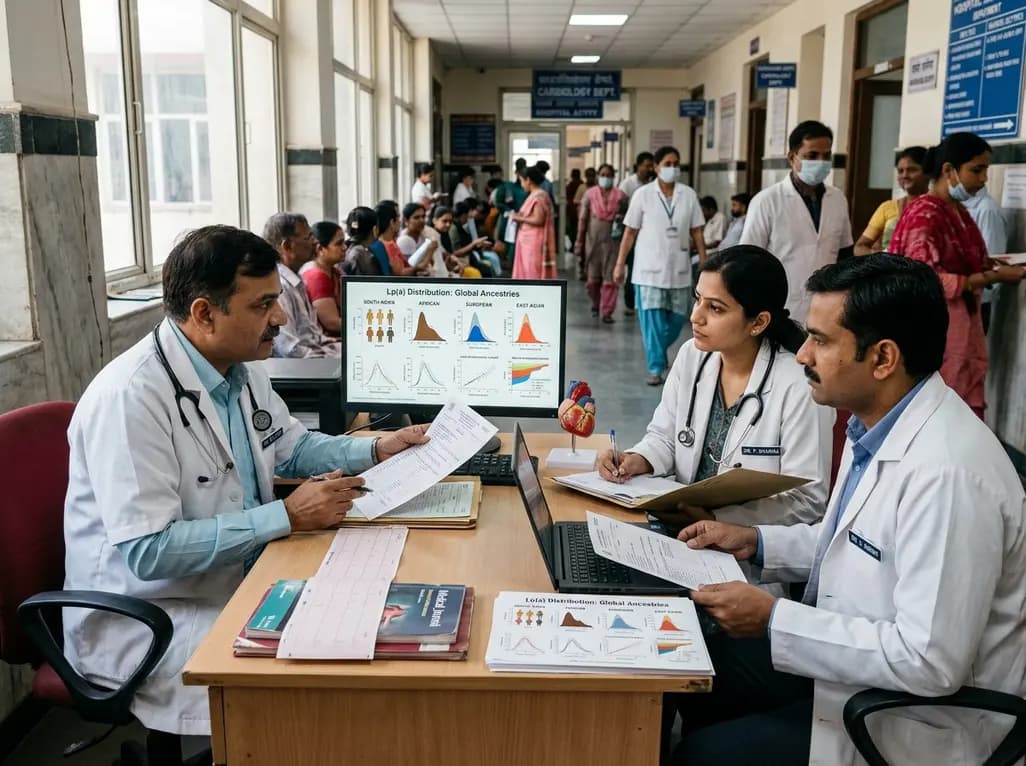
Atherosclerotic cardiovascular disease guidelines often rely on European-derived lipoprotein(a) cutoffs. However, baseline Lp(a) levels vary widely across ancestries, including South Asians and Africans. Clinicians must interpret Lp(a) values within overall absolute cardiovascular risk.
Last week
