.webp&w=384&q=75)

Loading, please wait...
Loading, please wait...
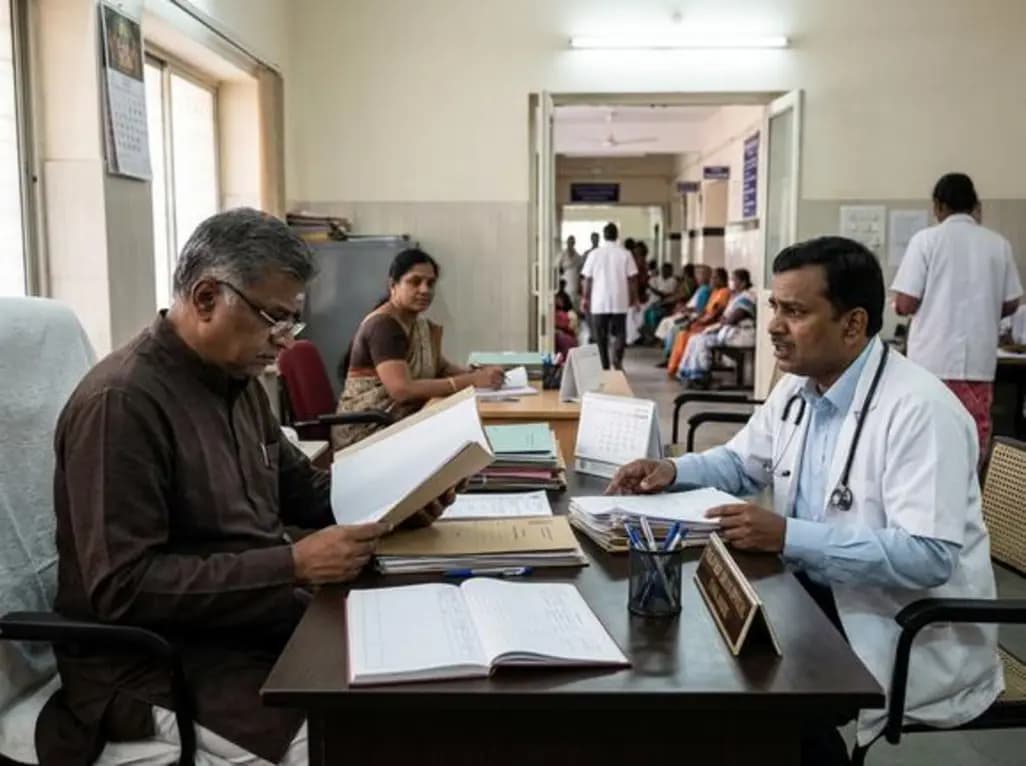
Recently, South India's medical community has faced scrutiny over the prolonged unauthorised absence of doctors in state-run facilities. Specifically, the anti-corruption NGO Arappor Iyakkam filed a complaint alleging that 229 government medical professionals are absent without permission. These professionals supposedly abandoned their posts in government hospitals and medical colleges across Tamil Nadu.
According to reports, many absent doctors benefited from state-sponsored postgraduate and super-speciality education under the service quota system. Under this system, the state offers doctors reserved seats, NEET-PG incentive marks, and full salaries during their training period. In return, the doctors execute mandatory service bonds promising to serve in government institutions. However, many doctors failed to return to duty after completing their studies, opting instead for private practices. Consequently, this breach has caused a massive financial loss of nearly 100 crore rupees to the state treasury.
The prolonged unauthorised absence of doctors severely compromises patient care and worsens existing staff shortages in public hospitals. Furthermore, it disrupts critical emergency services and restricts specialty care in rural and district-level hospitals. Additionally, medical students experience a significant reduction in clinical exposure and academic guidance. This is because senior professors and clinical instructors remain absent from their designated teaching positions.
Meanwhile, Arappor Iyakkam has urged Chief Minister C Joseph Vijay and Health Minister K G Arunraj to take immediate disciplinary action. Specifically, the NGO wants the government to recover bond amounts ranging from 10 to 50 lakh rupees per doctor. Moreover, they suggested extreme measures like the suspension of medical registrations and the impounding of passports. Recently, the health department initiated recovery procedures in some districts, though comprehensive action across all 28 districts remains pending.
Q1: What is the service quota system for government doctors in Tamil Nadu?
The service quota system reserves 50% of postgraduate and super-speciality medical seats for doctors working in government health facilities. These candidates receive incentive marks and full salaries during their study period, in exchange for signing service bonds promising to serve the state until retirement.
Q2: What penalties do doctors face for unauthorised absence and violating service bonds?
Violators face financial recovery of bond amounts between 10 lakh and 50 lakh rupees. Additionally, authorities have proposed suspension of their Tamil Nadu Medical Council registrations, passport cancellations, and other legal or disciplinary proceedings.
Disclaimer: This content is for informational and educational purposes only. It does not constitute medical advice or replace professional judgment. Refer to the latest local and national guidelines for clinical practice.
References

Read summarized clinical updates, watch expert medical content, and earn CME certifications right from your smartphone.
Open your smartphone camera to scan and install.





The anti-corruption NGO Arappor Iyakkam has filed a formal complaint against 229 government doctors in Tamil Nadu. These medical professionals allegedly went on unauthorised absence after utilising state-funded PG and super-speciality benefits under the service quota system, violating their service bonds.
4 months ago
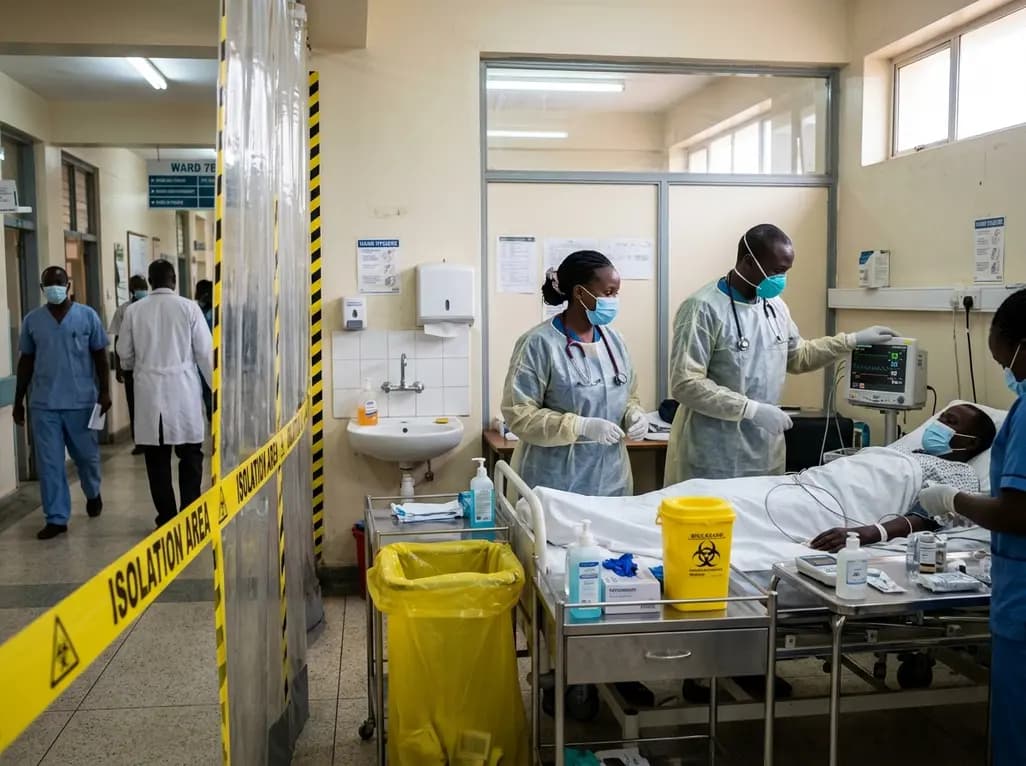
Kenya's confirmation of its eighth Ebola infection highlights the acute risk of secondary transmission in hospital environments. Clinicians must maintain high vigilance, enforce strict infection prevention protocols, and implement rapid triage mechanisms for viral hemorrhagic fevers across healthcare settings.
4 days back
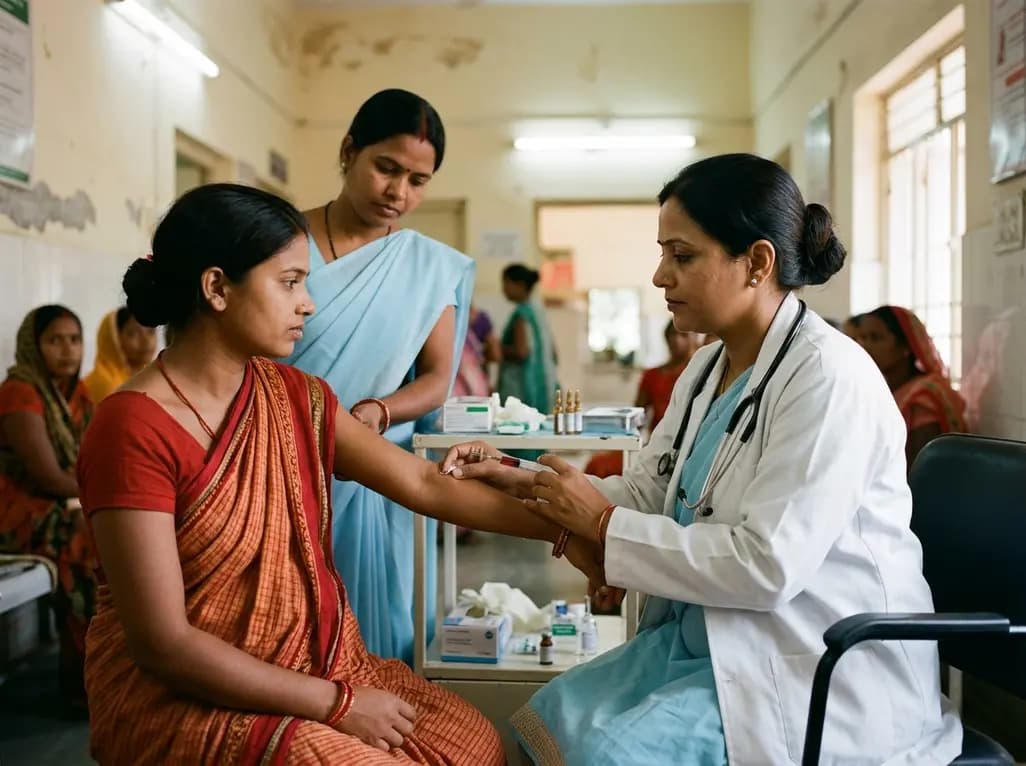
Maternal anaemia contributes to nearly half of pregnancy-related fatalities across India. To prevent complications, Uttar Pradesh has added single-dose parenteral iron to its essential medicines list. This clinical transition aims to restore haemoglobin rapidly and protect high-risk mothers across rural facilities.
Last week

India's food safety authority FSSAI has issued show-cause notices to Gemini Edibles, BigBasket, and Flipkart for unpermitted cardiovascular claims regarding Freedom Rice Bran Oil. This regulatory move highlights the strict enforcement of advertising standards and the clinical necessity of evidence-based lipid care.
6 days back
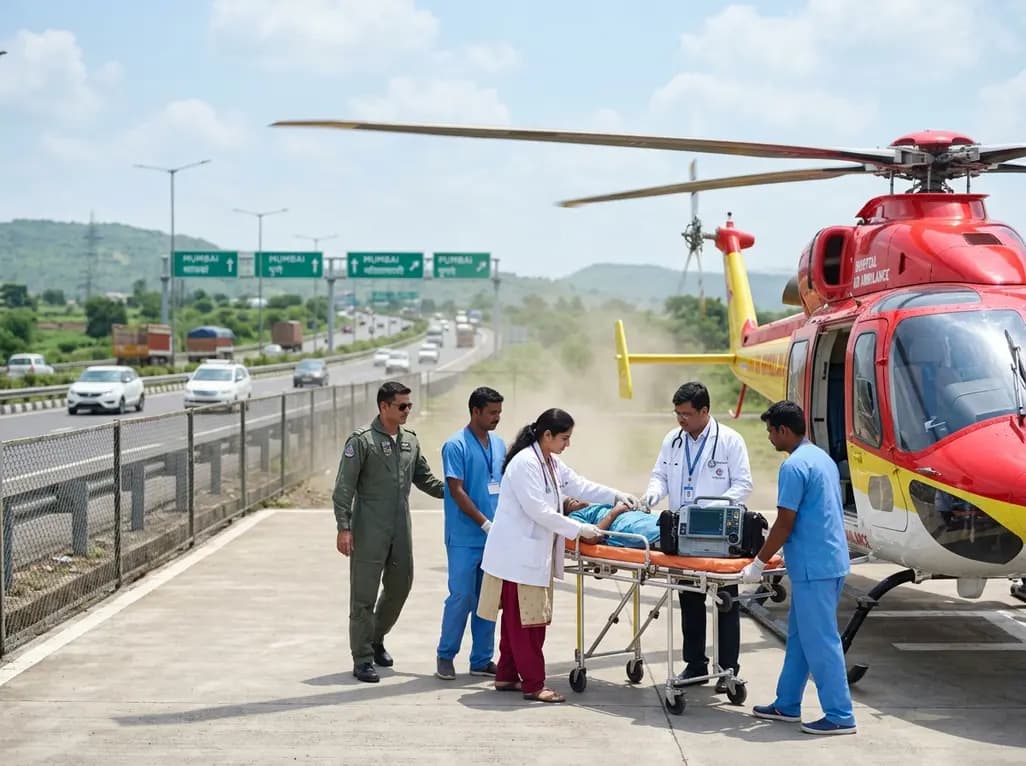
The state government is deploying helicopter emergency medical services across the Mumbai-Pune Expressway, Samruddhi Mahamarg, and Mumbai-Goa Highway. This initiative establishes unified standard operating procedures to enable rapid triage, advanced prehospital resuscitation, and seamless trauma care transfers.
Last week
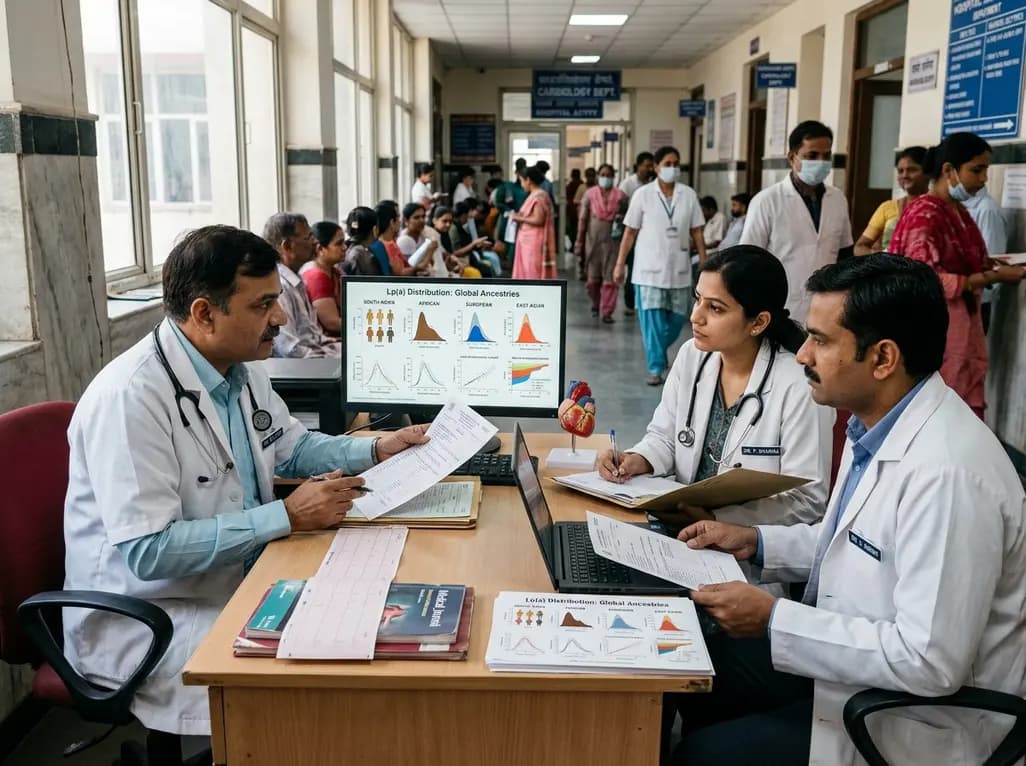
Atherosclerotic cardiovascular disease guidelines often rely on European-derived lipoprotein(a) cutoffs. However, baseline Lp(a) levels vary widely across ancestries, including South Asians and Africans. Clinicians must interpret Lp(a) values within overall absolute cardiovascular risk.
Last week
