.webp&w=384&q=75)

Loading, please wait...
Loading, please wait...
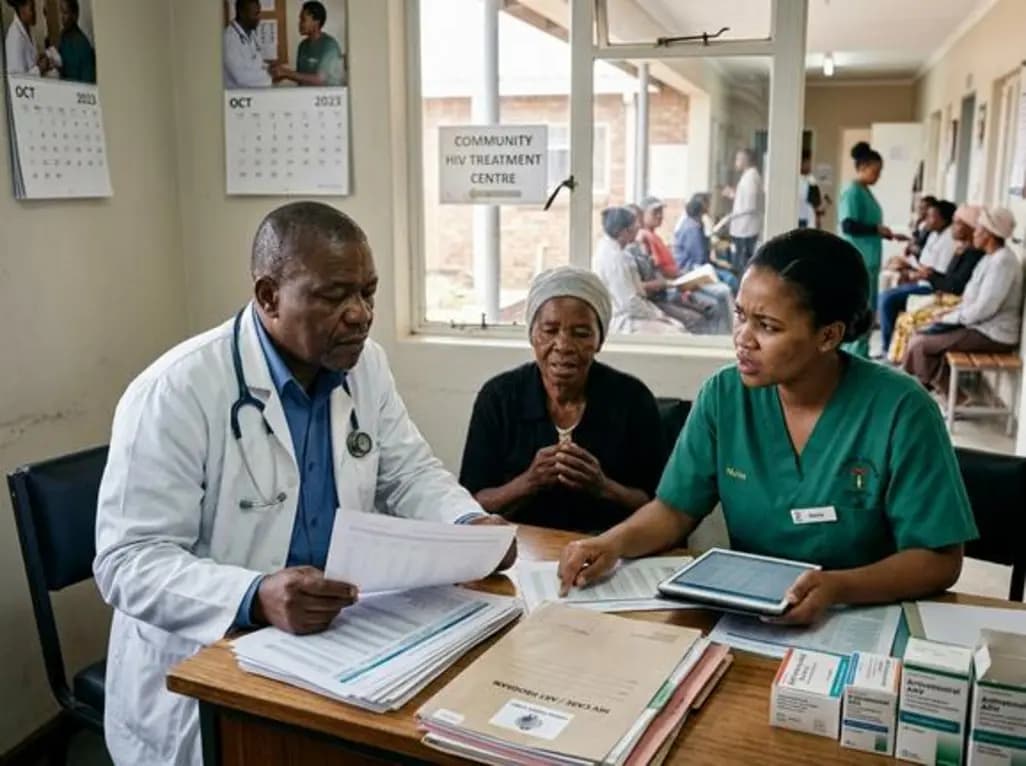
UNAIDS chief Winnie Byanyima urges the United States to reconsider its planned PEPFAR funding cuts.
Specifically, she warned that withdrawing this critical support could endanger lives in South Africa.
This country currently has the world's largest population of people living with HIV.
Furthermore, broader global aid cuts risk reversing decades of hard-won progress against the epidemic.
The U.S. State Department announced a phased drawdown of the President's Emergency Plan for AIDS Relief (PEPFAR).
However, officials emphasized that South Africa is a middle-income country capable of funding its own programs.
Additionally, reports indicate the decision stems from unresolved diplomatic and political disagreements between the two nations.
Specifically, Washington requested Pretoria to reduce its partnership with Iran and modify certain domestic policies.
Consequently, the failure to meet these policy requests led to the funding withdrawal.
South Africa currently has about 8 million people living with HIV.
Previously, PEPFAR provided over $400 million annually, which funded about 15,000 health worker salaries.
Therefore, losing this support could severely disrupt local clinic operations and patient care.
Although South Africa funds its own HIV drugs, PEPFAR covered up to 17% of its total HIV funding.
As a result, health advocates fear a major rise in new infections and mortality.
Winnie Byanyima also highlighted a steep drop in overall development assistance from traditional global donors.
Because of these cuts, crucial services like HIV testing have already fallen by 22% in some regions.
Similarly, condom distribution has plummeted by 90% in several high-burden countries.
Thus, the global target to end AIDS as a public health threat by 2030 remains highly fragile.
UNAIDS data shows that 9 million people worldwide still lack life-saving treatment.
In conclusion, a planned transition is vital to prevent catastrophic reversals in global health.
Q1: Why is the U.S. initiating PEPFAR funding cuts in South Africa?
The U.S. State Department cited South Africa's failure to make progress on specific administrative policy requests, alongside the view that the middle-income country is capable of supporting its own health programs.
Q2: Will the funding withdrawal affect access to HIV drugs in South Africa?
No, South Africa does not rely on U.S. funding for its antiretroviral drugs. However, the cuts will affect health worker salaries and targeted preventive services previously supported by PEPFAR.
Q3: What are the broader global implications of these health aid cuts?
UNAIDS warns that funding cuts are already disrupting vital services, leading to drops in HIV testing and condom distribution, which could cause a resurgence in infections globally.
Disclaimer: This content is for informational and educational purposes only. It does not constitute medical advice or replace professional judgment. Refer to the latest local and national guidelines for clinical practice.
References

Read summarized clinical updates, watch expert medical content, and earn CME certifications right from your smartphone.
Open your smartphone camera to scan and install.





The head of UNAIDS has urged the United States to reconsider its phased drawdown of PEPFAR funding for South Africa. Experts warn that withdrawing this aid could disrupt critical prevention services, halt health worker salaries, and threaten the lives of millions in the country with the world's largest HIV burden.
4 months ago
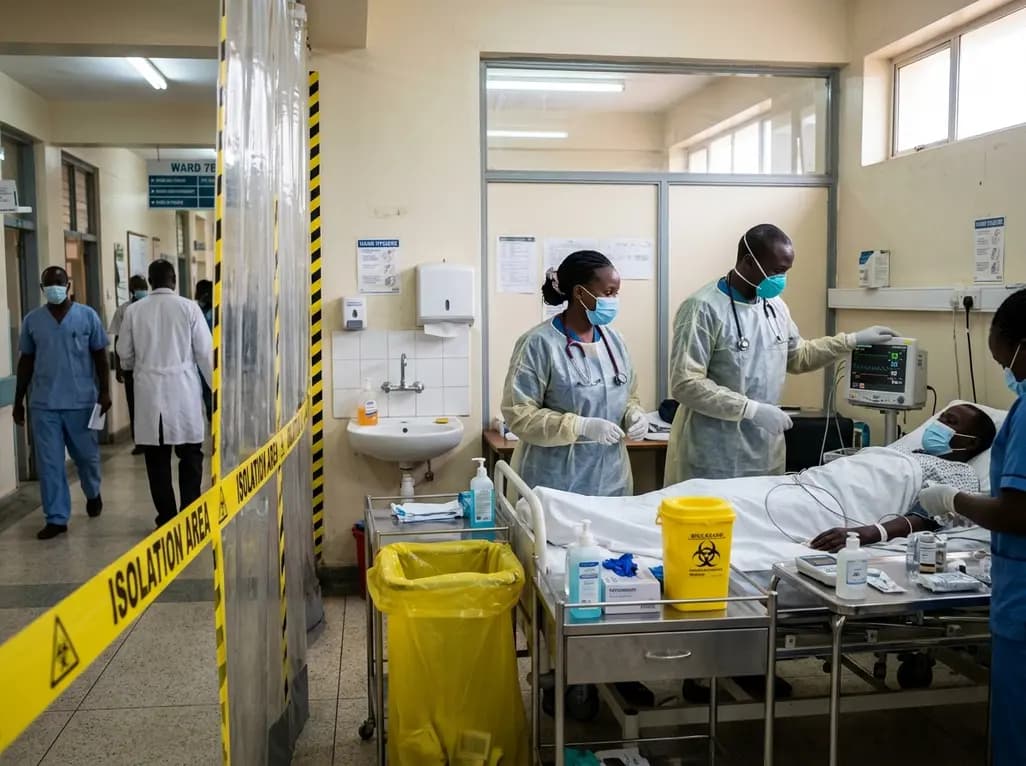
Kenya's confirmation of its eighth Ebola infection highlights the acute risk of secondary transmission in hospital environments. Clinicians must maintain high vigilance, enforce strict infection prevention protocols, and implement rapid triage mechanisms for viral hemorrhagic fevers across healthcare settings.
4 days back
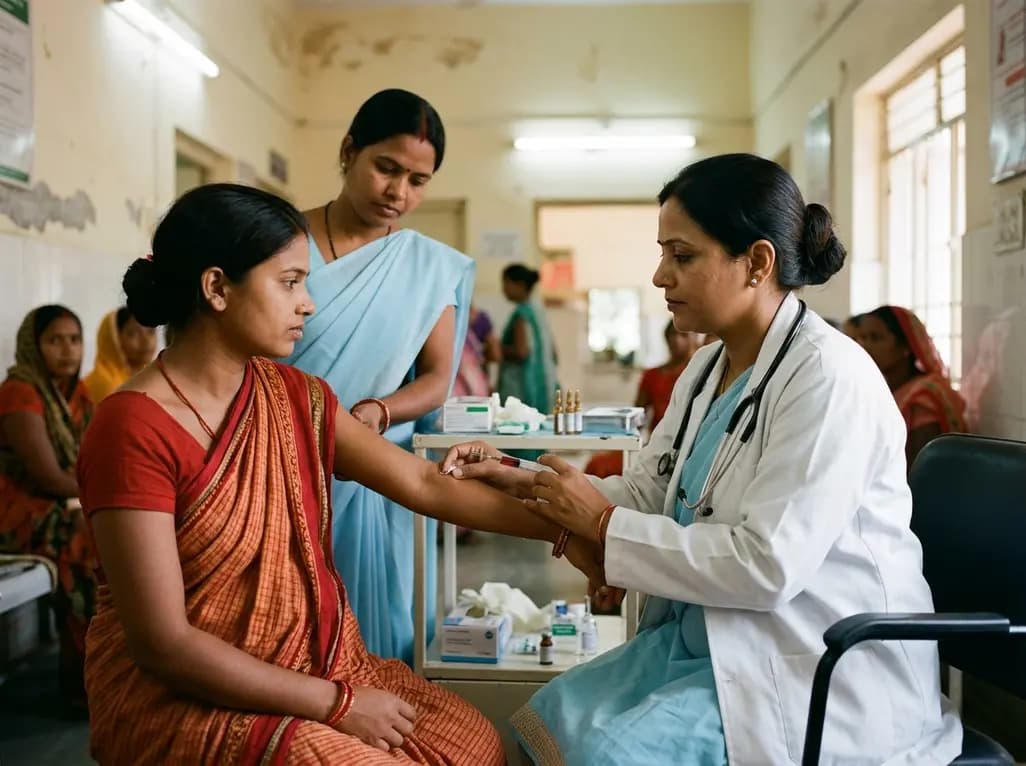
Maternal anaemia contributes to nearly half of pregnancy-related fatalities across India. To prevent complications, Uttar Pradesh has added single-dose parenteral iron to its essential medicines list. This clinical transition aims to restore haemoglobin rapidly and protect high-risk mothers across rural facilities.
Last week

India's food safety authority FSSAI has issued show-cause notices to Gemini Edibles, BigBasket, and Flipkart for unpermitted cardiovascular claims regarding Freedom Rice Bran Oil. This regulatory move highlights the strict enforcement of advertising standards and the clinical necessity of evidence-based lipid care.
6 days back
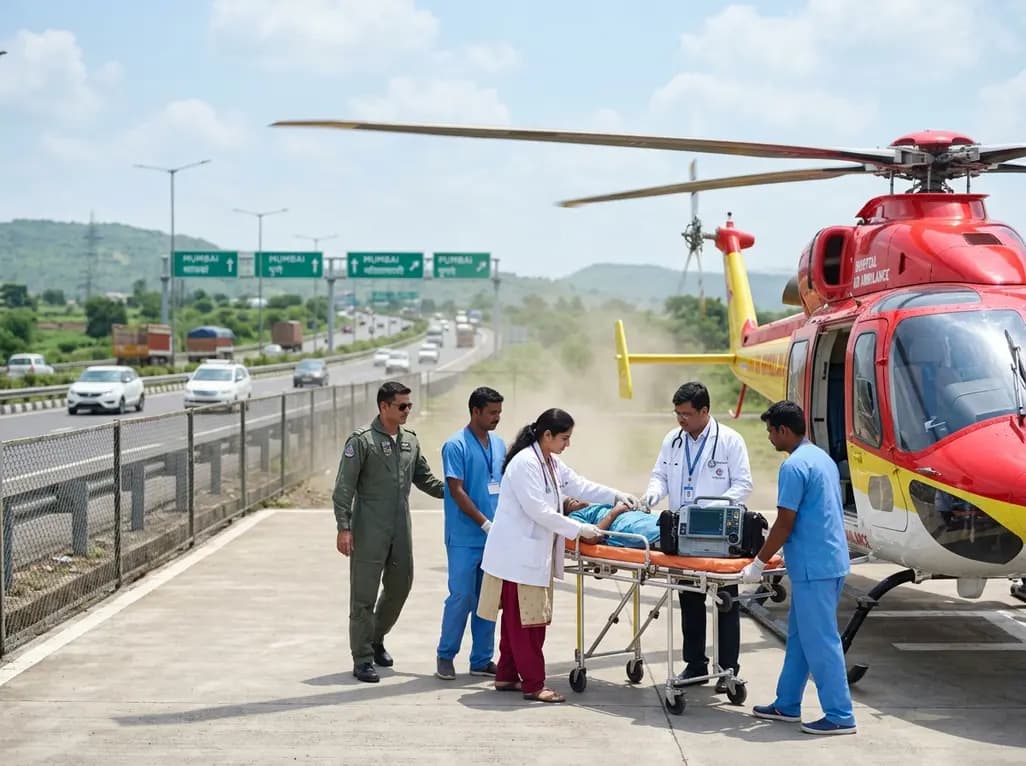
The state government is deploying helicopter emergency medical services across the Mumbai-Pune Expressway, Samruddhi Mahamarg, and Mumbai-Goa Highway. This initiative establishes unified standard operating procedures to enable rapid triage, advanced prehospital resuscitation, and seamless trauma care transfers.
Last week
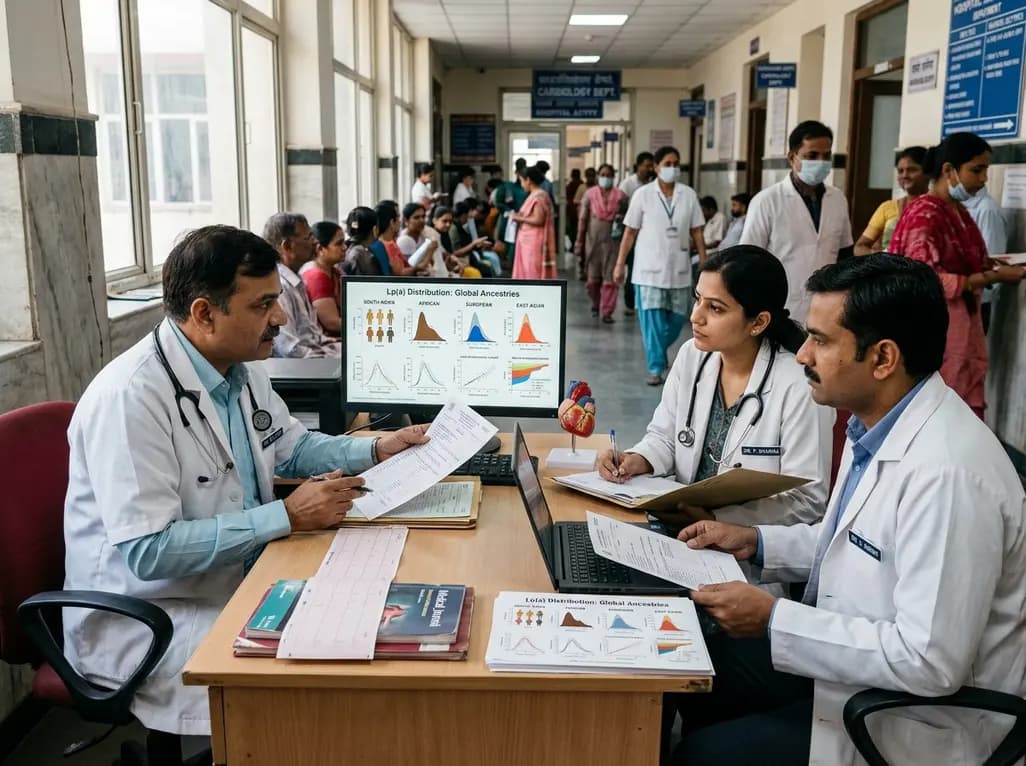
Atherosclerotic cardiovascular disease guidelines often rely on European-derived lipoprotein(a) cutoffs. However, baseline Lp(a) levels vary widely across ancestries, including South Asians and Africans. Clinicians must interpret Lp(a) values within overall absolute cardiovascular risk.
Last week
