.webp&w=384&q=75)

Loading, please wait...
Loading, please wait...
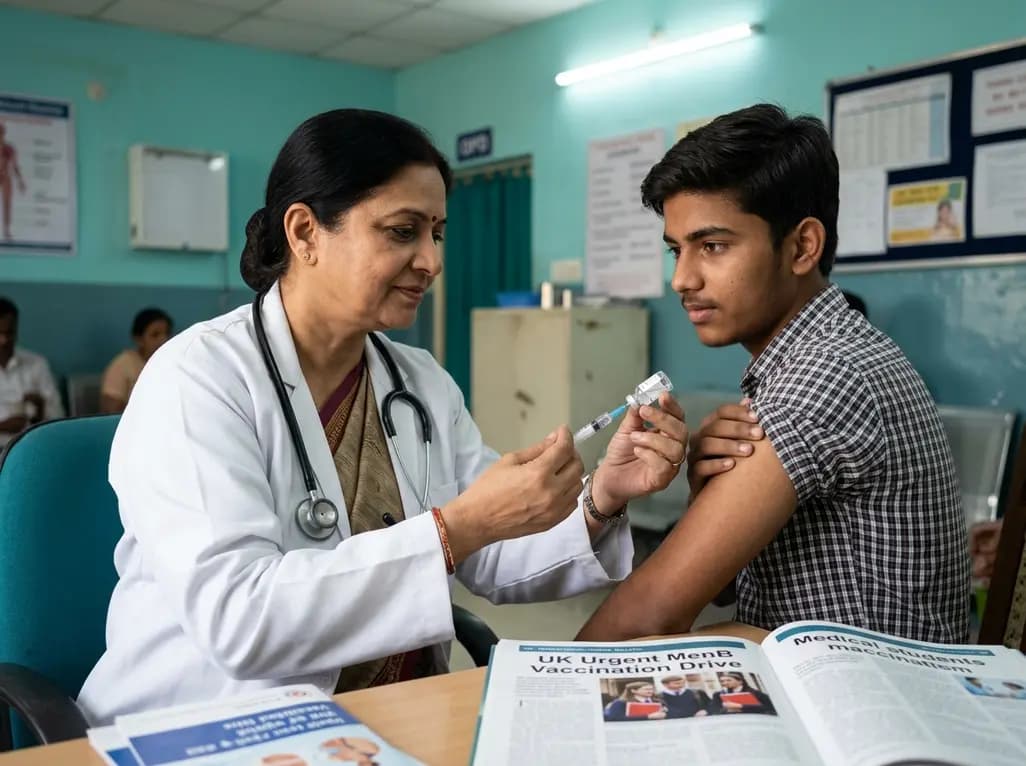
First, UK health authorities recently announced a critical public health initiative to protect young adults. Specifically, the government has launched a time-limited MenB vaccination programme this summer. Indeed, this urgent response follows the nation’s largest and fastest-growing meningococcal group B (MenB) outbreak in Kent. Consequently, health officials are acting swiftly to shield high-risk populations before the upcoming academic term begins.
First, the new campaign aims to mitigate the transmission of Neisseria meningitidis serogroup B among teenagers. In fact, this bacterium causes serious, life-threatening infections like meningitis and septicaemia. Therefore, the NHS is offering a two-dose schedule of the Bexsero vaccine to eligible cohorts. Additionally, because the routine childhood MenB vaccine only started in 2015, older adolescents currently lack immunity. Thus, this catching-up initiative will fill a critical protection gap for young adults.
Specifically, the campaign targets two primary groups at immediate risk. First, all Year 13 pupils aged 17 and 18 in England and Wales can receive the vaccine. Second, any individual under the age of 25 starting university or residential further education for the first time this autumn is eligible. Moreover, international students under 25 entering UK universities should ideally seek their first dose in their home countries before arrival. Ultimately, these groups experience a higher risk of contracting the disease due to close living conditions in student halls.
In fact, meningococcal disease can progress rapidly and cause death within hours. Indeed, around 10% of cases prove fatal despite medical intervention. Furthermore, survivors often face devastating, life-changing complications such as brain damage, hearing loss, or limb amputations. However, the Bexsero vaccine offers highly effective direct protection against these invasive strains. Therefore, clinicians must encourage eligible young adults, including those traveling abroad for studies, to complete both doses.
Q1: How many doses of the vaccine are necessary for protection?
Eligible individuals must receive two doses of the Bexsero vaccine at least 28 days apart to achieve full protection.
Q2: Does the MenACWY vaccine protect against meningococcal B disease?
No, the routine MenACWY vaccine does not protect against MenB. Therefore, students who already received the MenACWY vaccine still need this specific MenB series.
Q3: How does the MenB bacterium spread?
The bacteria spread through close and prolonged contact, such as coughing, kissing, or sharing drinks, vapes, and utensils in crowded living spaces.
Disclaimer: This content is for informational and educational purposes only. It does not constitute medical advice or replace professional judgment. Refer to the latest local and national guidelines for clinical practice.
References

Read summarized clinical updates, watch expert medical content, and earn CME certifications right from your smartphone.
Open your smartphone camera to scan and install.





British health authorities have launched an urgent, time-limited MenB vaccination campaign for school leavers and incoming university students. This proactive move follows the nation's largest and fastest-growing meningococcal B outbreak in Kent, aiming to protect high-risk youth ahead of the academic year.
4 months ago
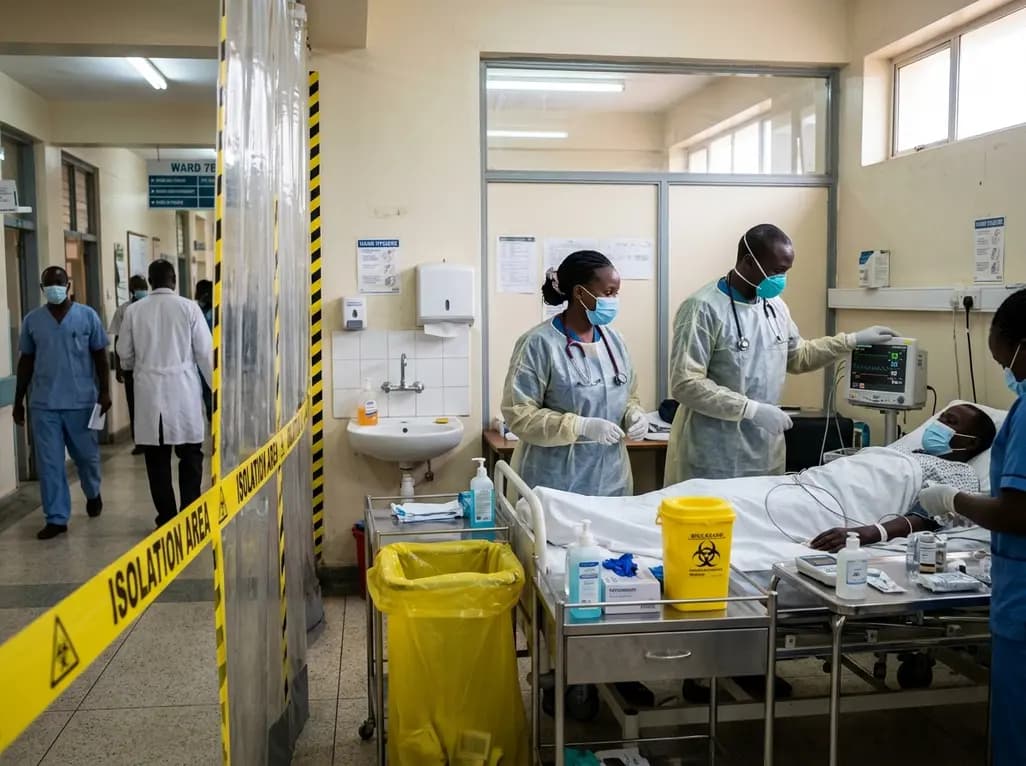
Kenya's confirmation of its eighth Ebola infection highlights the acute risk of secondary transmission in hospital environments. Clinicians must maintain high vigilance, enforce strict infection prevention protocols, and implement rapid triage mechanisms for viral hemorrhagic fevers across healthcare settings.
4 days back
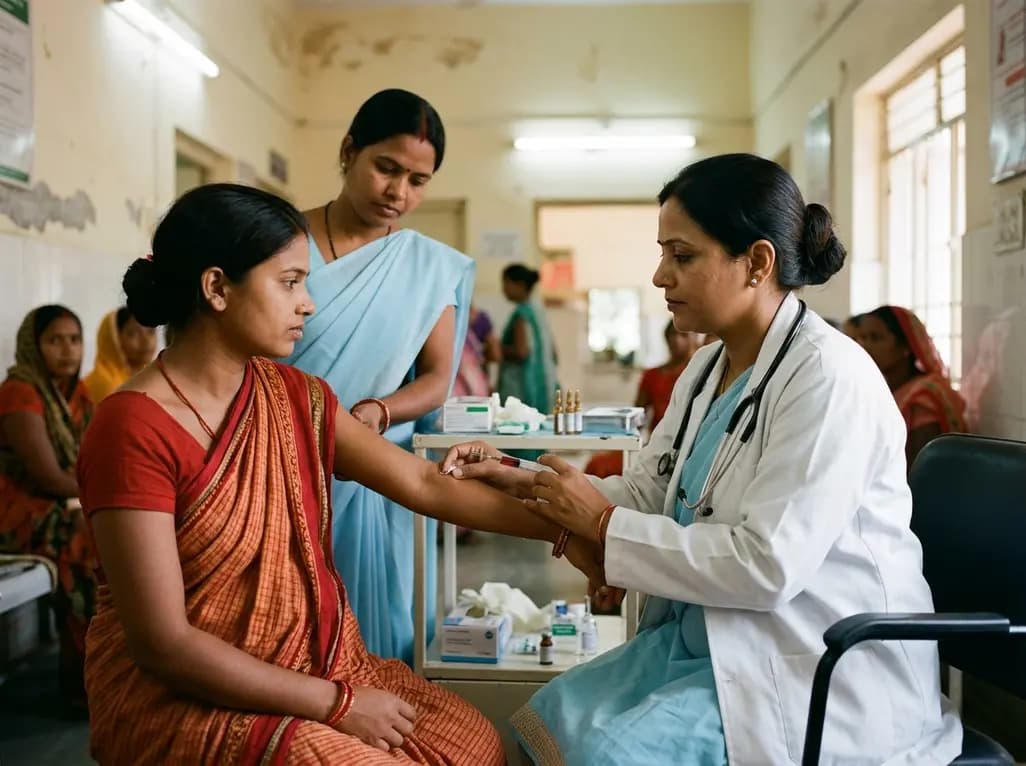
Maternal anaemia contributes to nearly half of pregnancy-related fatalities across India. To prevent complications, Uttar Pradesh has added single-dose parenteral iron to its essential medicines list. This clinical transition aims to restore haemoglobin rapidly and protect high-risk mothers across rural facilities.
Last week

India's food safety authority FSSAI has issued show-cause notices to Gemini Edibles, BigBasket, and Flipkart for unpermitted cardiovascular claims regarding Freedom Rice Bran Oil. This regulatory move highlights the strict enforcement of advertising standards and the clinical necessity of evidence-based lipid care.
6 days back
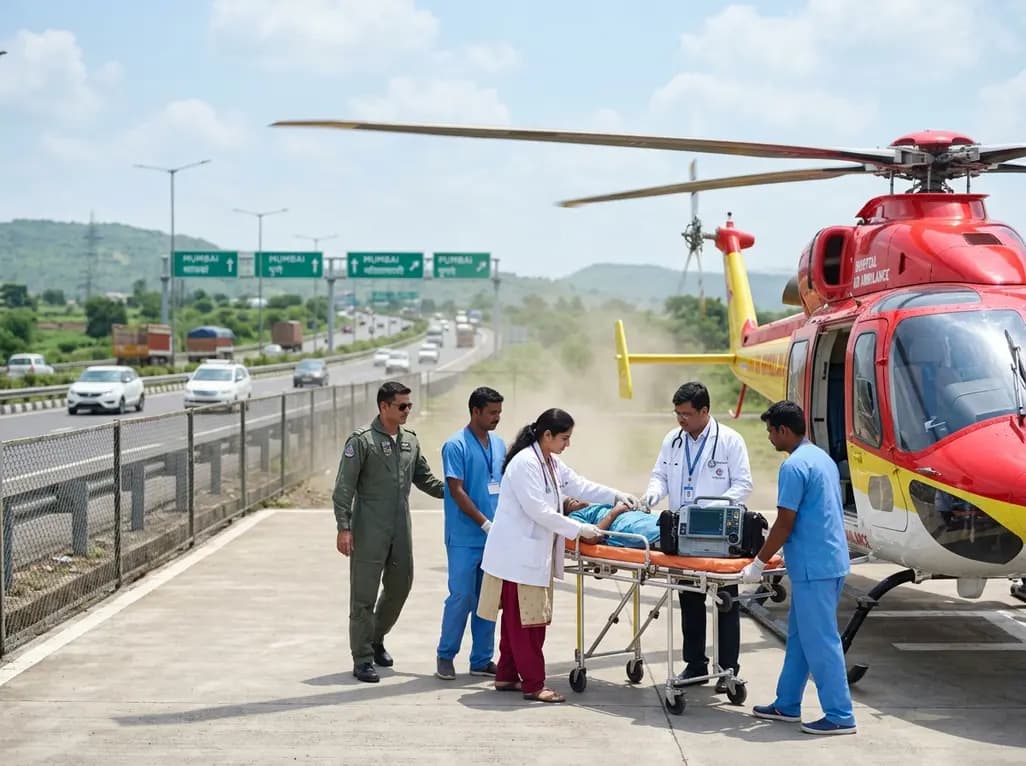
The state government is deploying helicopter emergency medical services across the Mumbai-Pune Expressway, Samruddhi Mahamarg, and Mumbai-Goa Highway. This initiative establishes unified standard operating procedures to enable rapid triage, advanced prehospital resuscitation, and seamless trauma care transfers.
Last week
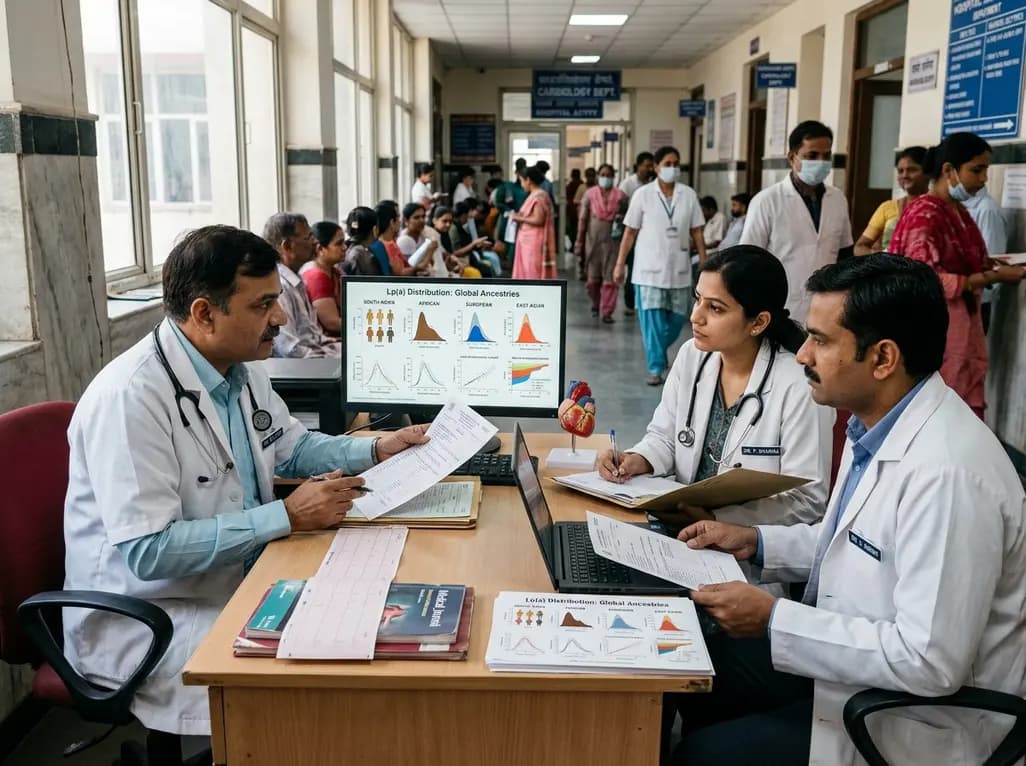
Atherosclerotic cardiovascular disease guidelines often rely on European-derived lipoprotein(a) cutoffs. However, baseline Lp(a) levels vary widely across ancestries, including South Asians and Africans. Clinicians must interpret Lp(a) values within overall absolute cardiovascular risk.
Last week
