.webp&w=384&q=75)

Loading, please wait...
Loading, please wait...
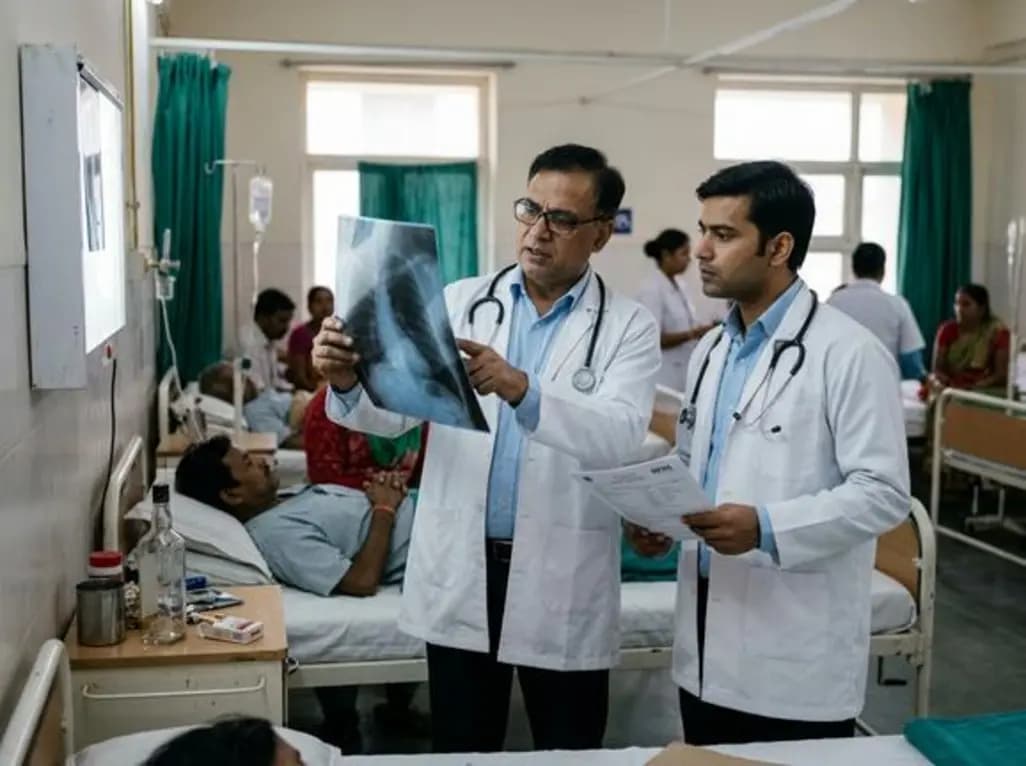
The recently released National Family Health Survey-6 (NFHS-6) reports a concerning surge in tobacco consumption in UP. Consequently, health experts and medical practitioners across the state are sounding alarms over the escalating numbers. This trend threatens to reverse previous public health gains and significantly burden the healthcare infrastructure.
According to the latest NFHS-6 data for the 2023-24 period, tobacco usage among men in Uttar Pradesh increased from 44% in NFHS-5 (2019-21) to 45.2%. Similarly, tobacco use among women experienced a noticeable rise, climbing from 8.5% to 9.6%. Therefore, public health experts are calling for immediate intervention to address this widespread issue. Furthermore, the persistent popularity of chewing tobacco products, such as gutka and khaini, remains a major driver behind these rising numbers.
In addition to tobacco, the survey highlights a sharp increase in alcohol consumption among men. Specifically, alcohol use among males rose from 14.5% in the NFHS-5 report to 18.7% in NFHS-6. However, alcohol consumption among women remained stable at a low 0.3%. Consequently, doctors emphasize that the concurrent rise in both tobacco and alcohol abuse creates a compounding health crisis. This dual escalation significantly increases the risk profile of the population.
Medical experts explain that this rising consumption directly translates into an increase in non-communicable diseases. For instance, Prof Ved Prakash, head of pulmonary and critical care medicine at KGMU, warns that this trend will lead to more cases of lung disease, cancer, heart disease, and stroke. Moreover, doctors attribute these high rates to social acceptance, easy availability, and a lack of public awareness. To combat this, Prof Rajendra Prasad, former head of respiratory medicine at KGMU, stresses that mere awareness is insufficient. Instead, India needs robust enforcement of tobacco-control laws alongside widespread access to cessation services.
Q1: What does the NFHS-6 data reveal about tobacco use in Uttar Pradesh?
The NFHS-6 data shows that tobacco consumption has increased in Uttar Pradesh. Specifically, tobacco use among men rose to 45.2%, up from 44% in NFHS-5, while consumption among women increased to 9.6%, up from 8.5%.
Q2: Why are health experts concerned about the rise in tobacco consumption in UP?
Medical professionals are deeply concerned because higher tobacco consumption directly correlates with a rising incidence of life-threatening conditions. These include lung diseases, various forms of cancer, cardiovascular disease, and stroke.
Q3: What solutions do experts suggest to control tobacco use in the state?
Experts emphasize that public awareness campaigns alone are not enough to curb the habit. Instead, they recommend the strict enforcement of existing tobacco-control laws and improved public access to professional tobacco cessation services.
Disclaimer: This content is for informational and educational purposes only. It does not constitute medical advice or replace professional judgment. Refer to the latest local and national guidelines for clinical practice.
References

Read summarized clinical updates, watch expert medical content, and earn CME certifications right from your smartphone.
Open your smartphone camera to scan and install.





The National Family Health Survey-6 (NFHS-6) reveals a concerning surge in tobacco and alcohol consumption in Uttar Pradesh. Health experts warn of escalating risks for cancer, lung diseases, and cardiovascular events, urging the strict enforcement of control policies and the expansion of cessation services.
4 months ago
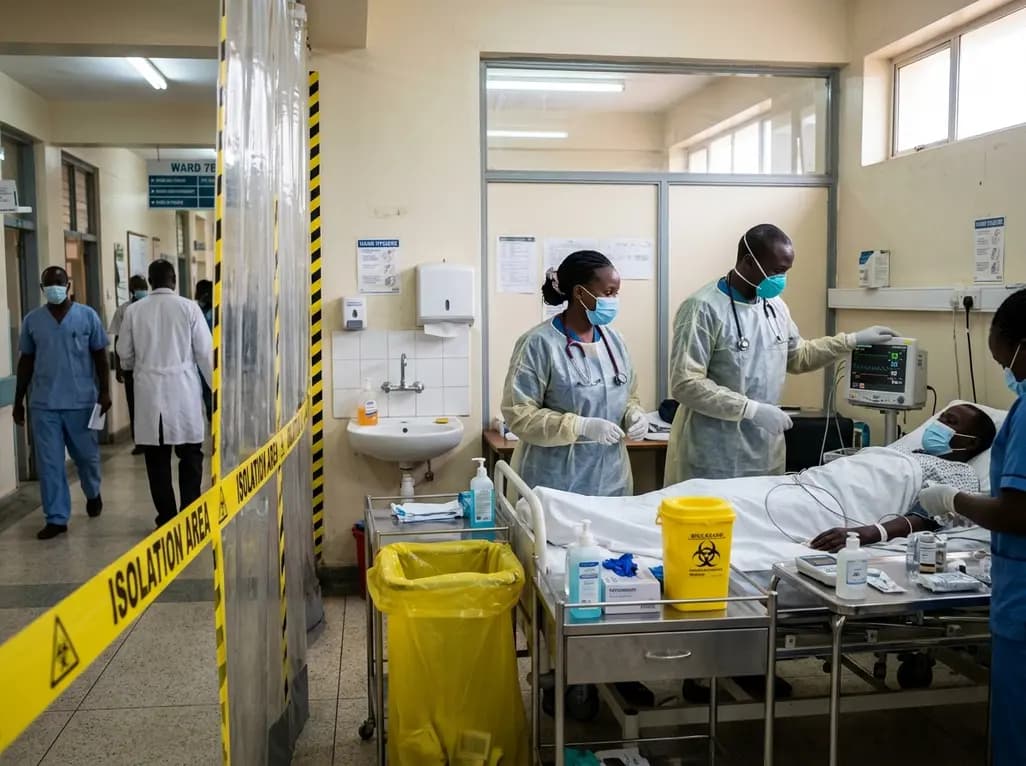
Kenya's confirmation of its eighth Ebola infection highlights the acute risk of secondary transmission in hospital environments. Clinicians must maintain high vigilance, enforce strict infection prevention protocols, and implement rapid triage mechanisms for viral hemorrhagic fevers across healthcare settings.
4 days back
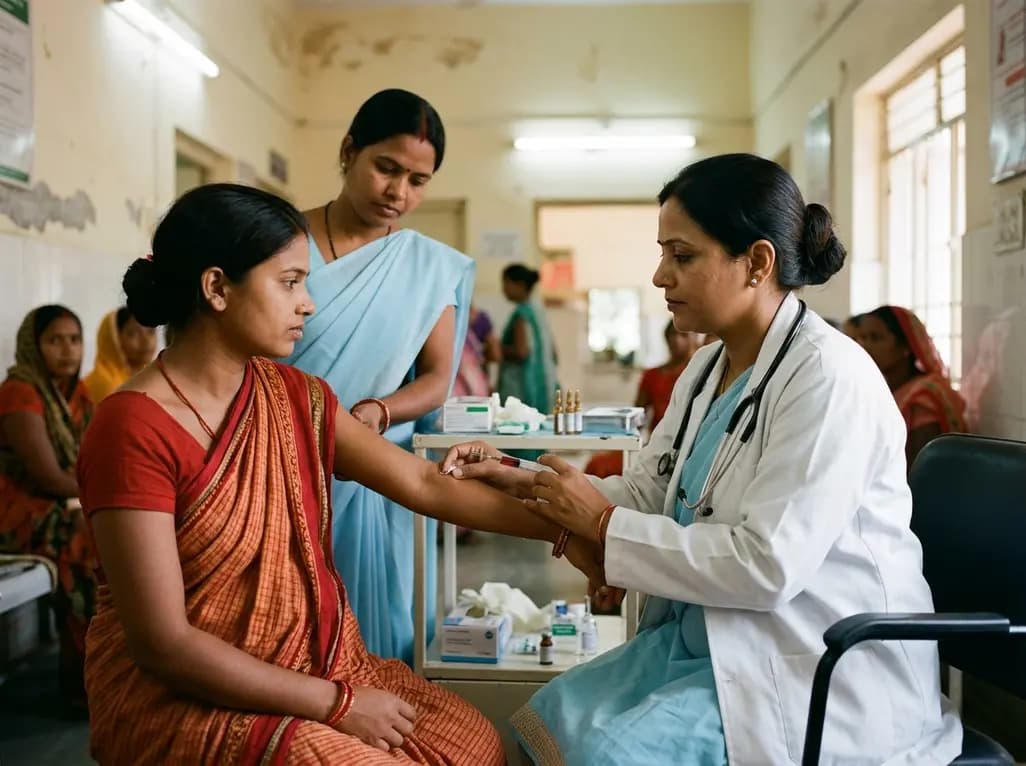
Maternal anaemia contributes to nearly half of pregnancy-related fatalities across India. To prevent complications, Uttar Pradesh has added single-dose parenteral iron to its essential medicines list. This clinical transition aims to restore haemoglobin rapidly and protect high-risk mothers across rural facilities.
Last week

India's food safety authority FSSAI has issued show-cause notices to Gemini Edibles, BigBasket, and Flipkart for unpermitted cardiovascular claims regarding Freedom Rice Bran Oil. This regulatory move highlights the strict enforcement of advertising standards and the clinical necessity of evidence-based lipid care.
6 days back

The state government is deploying helicopter emergency medical services across the Mumbai-Pune Expressway, Samruddhi Mahamarg, and Mumbai-Goa Highway. This initiative establishes unified standard operating procedures to enable rapid triage, advanced prehospital resuscitation, and seamless trauma care transfers.
Last week
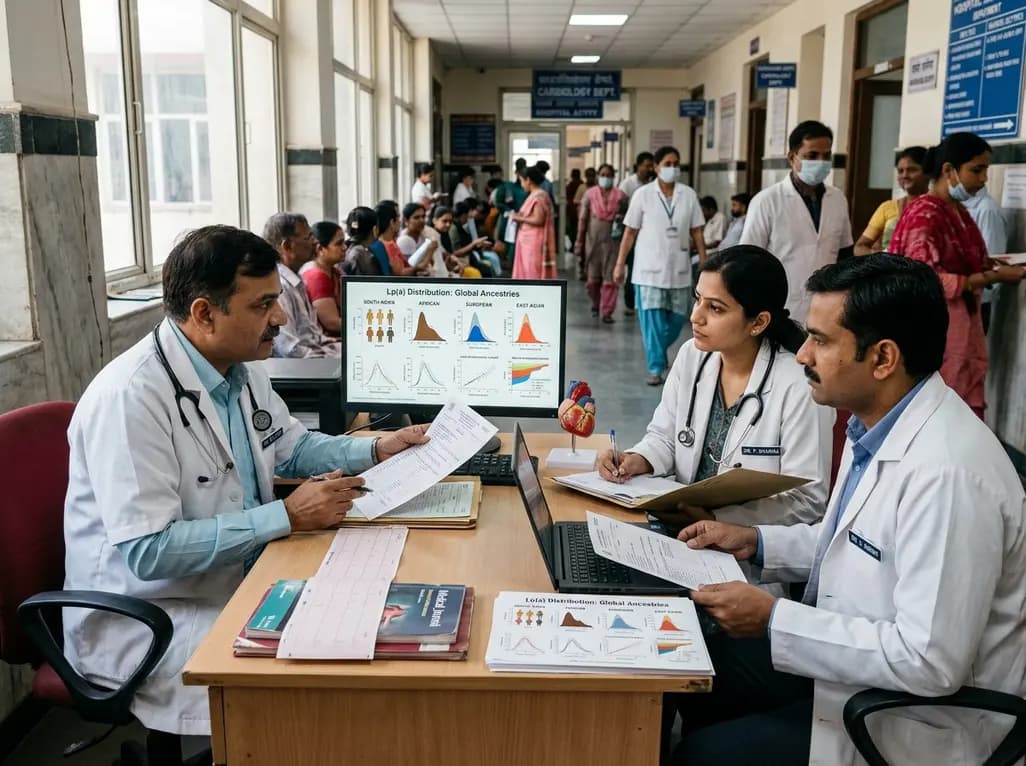
Atherosclerotic cardiovascular disease guidelines often rely on European-derived lipoprotein(a) cutoffs. However, baseline Lp(a) levels vary widely across ancestries, including South Asians and Africans. Clinicians must interpret Lp(a) values within overall absolute cardiovascular risk.
Last week
