.webp&w=384&q=75)

Loading, please wait...
Loading, please wait...

Deepinder Goyal recently introduced the Entropy biomarker, claiming it can measure the real-time cost of being alive. Specifically, this new health metric comes from his health-tech wearable startup, Temple. Indeed, the system tracks metabolic expenditure continuously. A live interface displays the score on a scale from 1 to 250, updating every second. While lower scores indicate deeper states of rest, higher scores represent peak physical exertion. Furthermore, Temple claims that fit meditators achieve the lowest numbers, while elite athletes reach the maximum score.
However, the medical community in India has raised significant concerns about these claims. Specifically, Dr. Suvrankar Datta, a radiologist at AIIMS Delhi, previously criticized the device as having zero scientific standing as a medical instrument. Moreover, they point out that Temple has not published any peer-reviewed scientific validation. Therefore, healthcare professionals view the device as an unproven consumer toy rather than a clinical tool. Consequently, medical practitioners warn patients not to rely on such proprietary scores for clinical decisions.
Moreover, Temple's longevity framework introduces two baseline targets: Entropy Maxima and Entropy Minima. The company asserts that users should strive to increase their maximum physical capacity. Meanwhile, they should try to reduce their resting metabolic cost over time. Specifically, Goyal argues that a lower resting cost of being alive correlates with a longer lifespan across the animal kingdom. Consequently, the startup positions this metric as a revolutionary tool for longevity. However, without independent clinical trials, these theories remain speculative in the scientific community.
Additionally, the global market for fitness wearables is expanding rapidly. Leading devices from companies like WHOOP, Oura, and Garmin already estimate physiological load and recovery. Unlike these wristbands or rings, Temple's device reads signals exclusively from the forehead or temple region. Therefore, it aims to capture unique localized physiological data. Nevertheless, doctors emphasize that consumer tech must undergo rigorous scientific testing before claiming any clinical utility.
Q1: What is the Entropy biomarker claimed by Temple?
The Entropy biomarker is a proprietary metric introduced by Deepinder Goyal's startup, Temple. It claims to calculate the body's real-time metabolic cost on a scale of 1 to 250.
Q2: Is the Entropy biomarker medically validated?
No, the metric currently lacks peer-reviewed scientific studies, clinical validation, or official medical clearance.
Q3: Why did AIIMS Delhi radiologist Dr. Suvrankar Datta criticize the device?
Dr. Datta criticized the wearable for having zero scientific standing as a medical instrument, describing it as a fancy toy for billionaires.
Disclaimer: This content is for informational and educational purposes only. It does not constitute medical advice or replace professional judgment. Refer to the latest local and national guidelines for clinical practice.
References

Read summarized clinical updates, watch expert medical content, and earn CME certifications right from your smartphone.
Open your smartphone camera to scan and install.





Deepinder Goyal's health startup Temple claims to have discovered the 'Entropy' biomarker to measure the body's real-time metabolic cost. However, Indian medical experts, including AIIMS Delhi radiologists, have criticized the wearable's clinical validity, highlighting the lack of peer-reviewed validation.
4 months ago
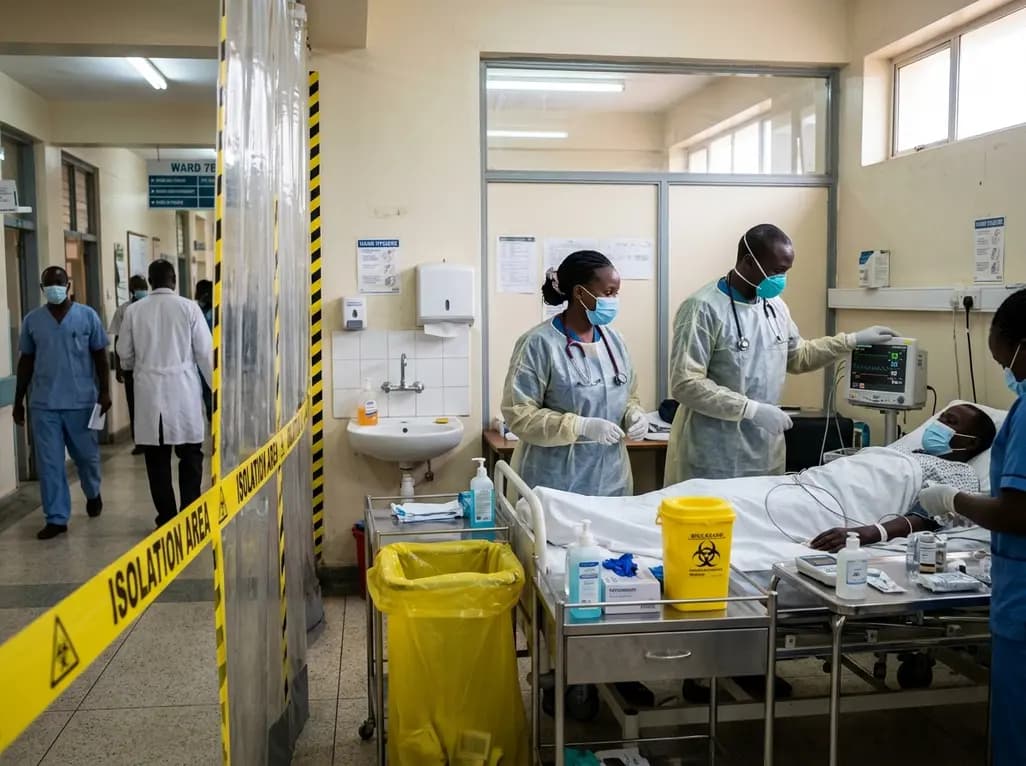
Kenya's confirmation of its eighth Ebola infection highlights the acute risk of secondary transmission in hospital environments. Clinicians must maintain high vigilance, enforce strict infection prevention protocols, and implement rapid triage mechanisms for viral hemorrhagic fevers across healthcare settings.
3 days back
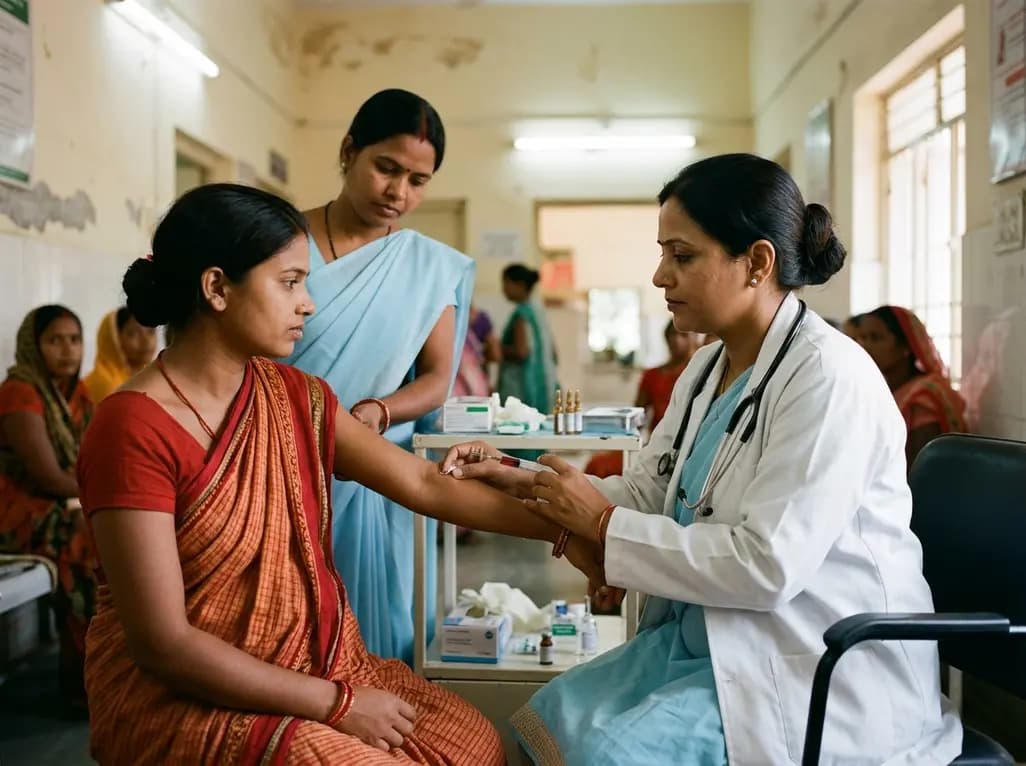
Maternal anaemia contributes to nearly half of pregnancy-related fatalities across India. To prevent complications, Uttar Pradesh has added single-dose parenteral iron to its essential medicines list. This clinical transition aims to restore haemoglobin rapidly and protect high-risk mothers across rural facilities.
Last week

India's food safety authority FSSAI has issued show-cause notices to Gemini Edibles, BigBasket, and Flipkart for unpermitted cardiovascular claims regarding Freedom Rice Bran Oil. This regulatory move highlights the strict enforcement of advertising standards and the clinical necessity of evidence-based lipid care.
5 days back

The state government is deploying helicopter emergency medical services across the Mumbai-Pune Expressway, Samruddhi Mahamarg, and Mumbai-Goa Highway. This initiative establishes unified standard operating procedures to enable rapid triage, advanced prehospital resuscitation, and seamless trauma care transfers.
Last week
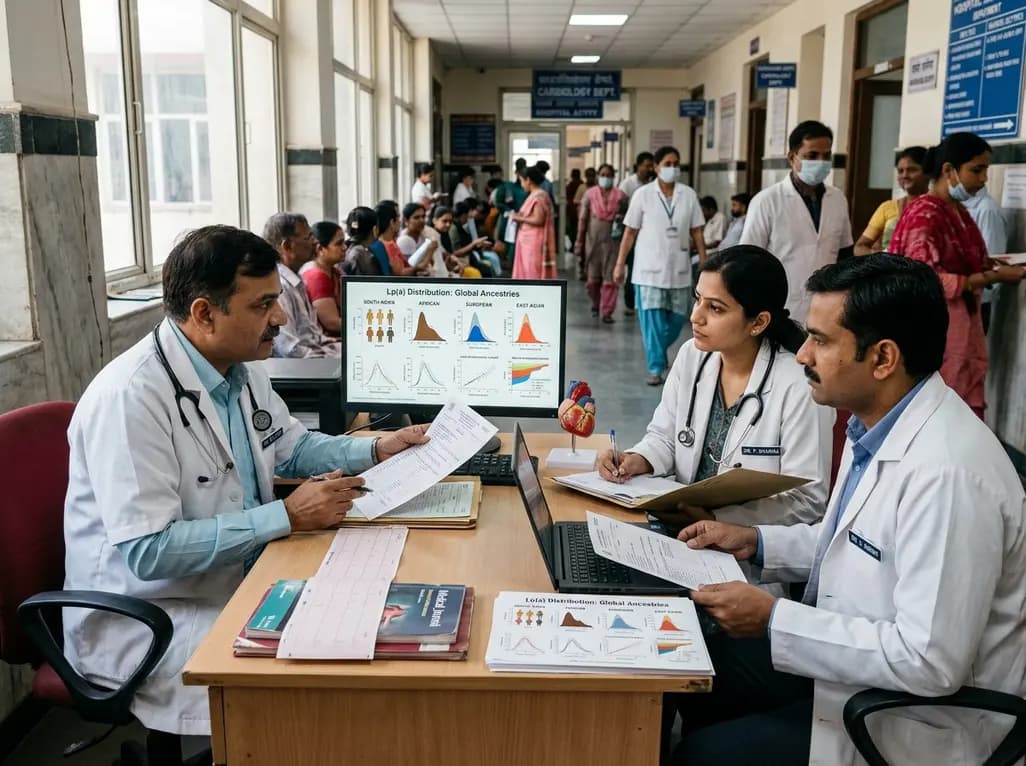
Atherosclerotic cardiovascular disease guidelines often rely on European-derived lipoprotein(a) cutoffs. However, baseline Lp(a) levels vary widely across ancestries, including South Asians and Africans. Clinicians must interpret Lp(a) values within overall absolute cardiovascular risk.
Last week
