.webp&w=384&q=75)

Loading, please wait...
Loading, please wait...
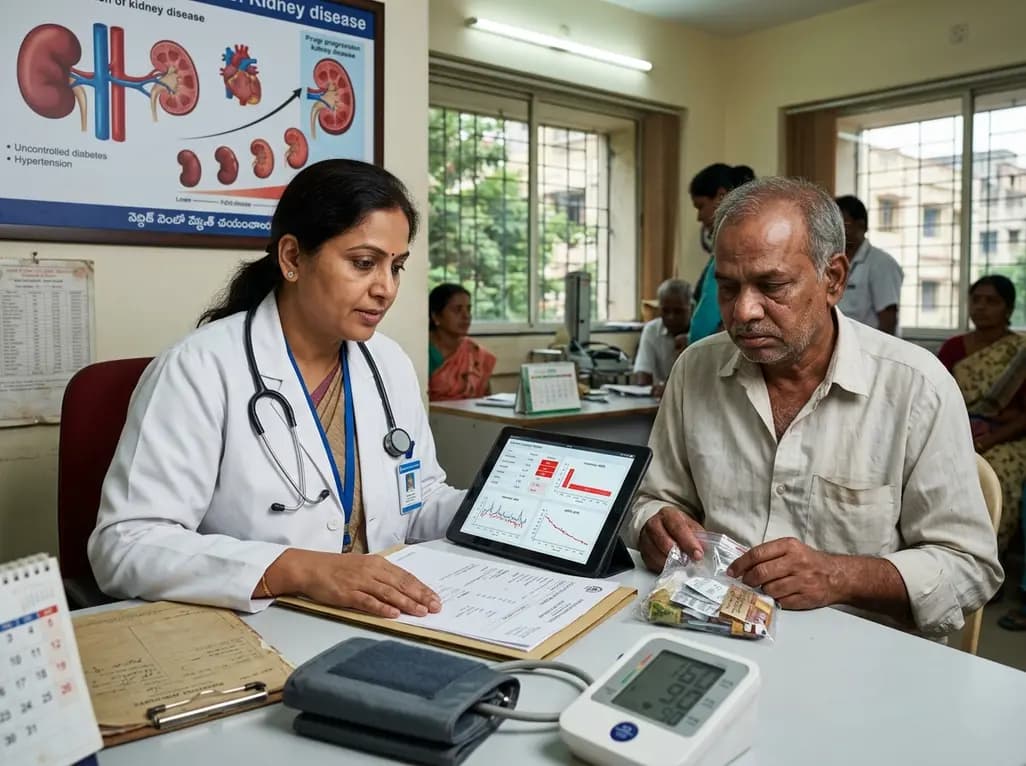
A recent ICMR-backed study highlights a concerning trend regarding kidney disease deaths in Telangana. Although the state reports fewer cases than Haryana, it recorded India's highest chronic kidney disease mortality rate in 2023. Specifically, Telangana saw 19.84 deaths per lakh population. Consequently, medical experts are urging a rapid re-evaluation of screening and early intervention protocols.
Type 2 diabetes acts as the largest driver of kidney dysfunction in Telangana. Furthermore, uncontrolled hypertension significantly exacerbates these clinical outcomes. Specifically, many young patients develop hypertension in their early 20s, which damages kidney function within a decade. Additionally, nephrologists warn against the widespread misuse of over-the-counter painkillers and dietary supplements. Indeed, the misuse of protein and creatine supplements among gym-goers is emerging as a critical risk factor. Therefore, clinicians must closely monitor these lifestyle habits during routine checkups.
Currently, public health initiatives often miss the early stages of renal decline. Because of this, many patients present to tertiary care hospitals only when their disease is highly advanced. However, early detection can successfully halt or slow disease progression. Thus, the study suggests integrating kidney care into national non-communicable disease programmes. Furthermore, expanding screening for high-risk diabetic and hypertensive patients remains essential.
Q1: Why does Telangana have high mortality despite lower incidence?
The high rate of kidney disease deaths in Telangana stems from late diagnosis and delayed healthcare seeking. Consequently, many patients reach tertiary hospitals only when the disease has reached an advanced stage.
Q2: What are the primary risk factors for kidney disease?
Type 2 diabetes and hypertension are the primary medical risk factors. Additionally, excessive use of painkillers and supplement abuse further damage kidney function.
Disclaimer: This content is for informational and educational purposes only. It does not constitute medical advice or replace professional judgment. Refer to the latest local and national guidelines for clinical practice.
References

Read summarized clinical updates, watch expert medical content, and earn CME certifications right from your smartphone.
Open your smartphone camera to scan and install.





Despite lower overall case numbers, Telangana reported the highest chronic kidney disease mortality rate in India in 2023. A recent study attributes these fatalities to late-stage diagnosis, uncontrolled type 2 diabetes, hypertension, and drug misuse, underscoring an urgent need for early screening protocols.
4 months ago

Kenya's confirmation of its eighth Ebola infection highlights the acute risk of secondary transmission in hospital environments. Clinicians must maintain high vigilance, enforce strict infection prevention protocols, and implement rapid triage mechanisms for viral hemorrhagic fevers across healthcare settings.
4 days back
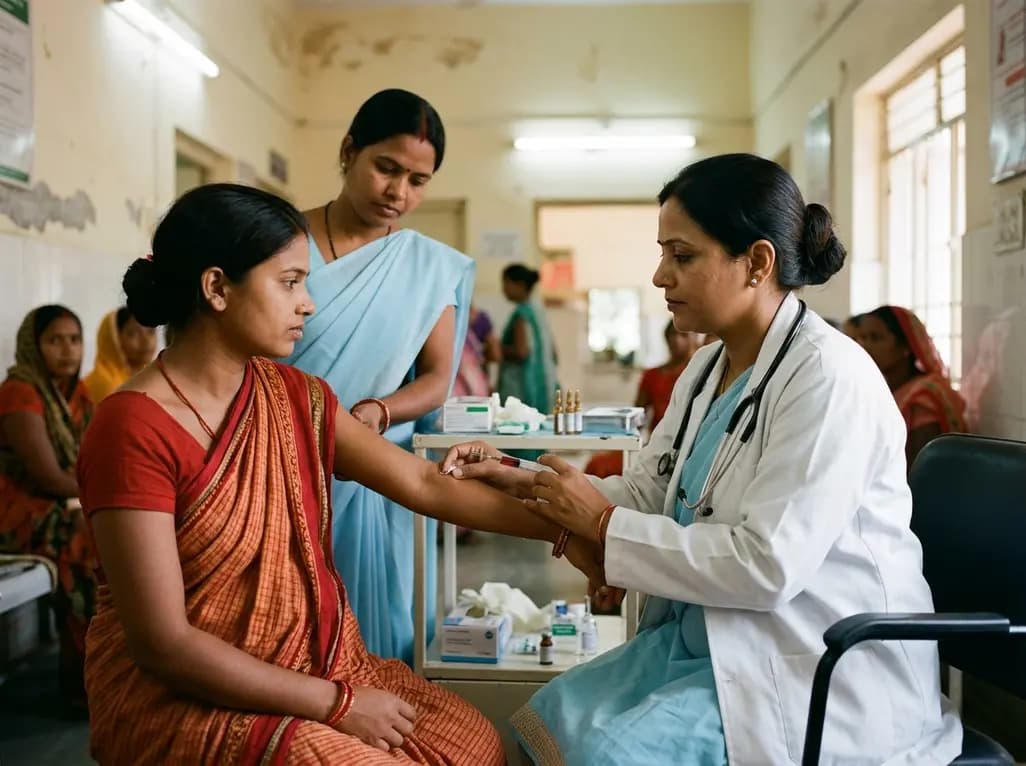
Maternal anaemia contributes to nearly half of pregnancy-related fatalities across India. To prevent complications, Uttar Pradesh has added single-dose parenteral iron to its essential medicines list. This clinical transition aims to restore haemoglobin rapidly and protect high-risk mothers across rural facilities.
Last week

India's food safety authority FSSAI has issued show-cause notices to Gemini Edibles, BigBasket, and Flipkart for unpermitted cardiovascular claims regarding Freedom Rice Bran Oil. This regulatory move highlights the strict enforcement of advertising standards and the clinical necessity of evidence-based lipid care.
6 days back

The state government is deploying helicopter emergency medical services across the Mumbai-Pune Expressway, Samruddhi Mahamarg, and Mumbai-Goa Highway. This initiative establishes unified standard operating procedures to enable rapid triage, advanced prehospital resuscitation, and seamless trauma care transfers.
Last week
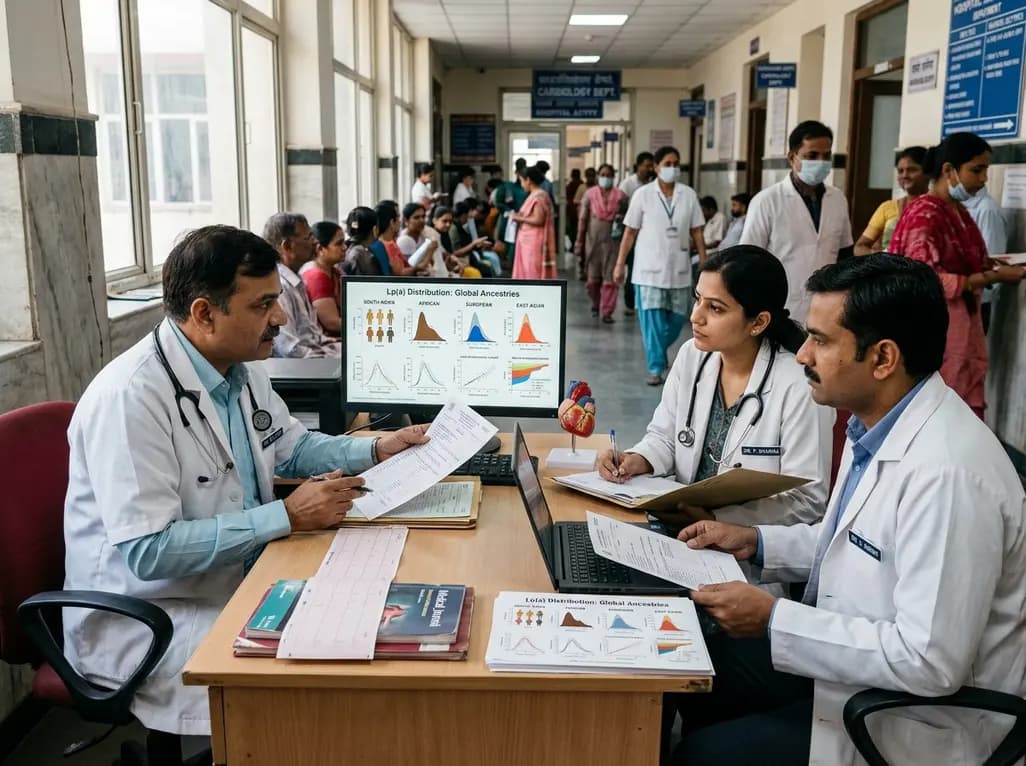
Atherosclerotic cardiovascular disease guidelines often rely on European-derived lipoprotein(a) cutoffs. However, baseline Lp(a) levels vary widely across ancestries, including South Asians and Africans. Clinicians must interpret Lp(a) values within overall absolute cardiovascular risk.
Last week
