.webp&w=384&q=75)

Loading, please wait...
Loading, please wait...
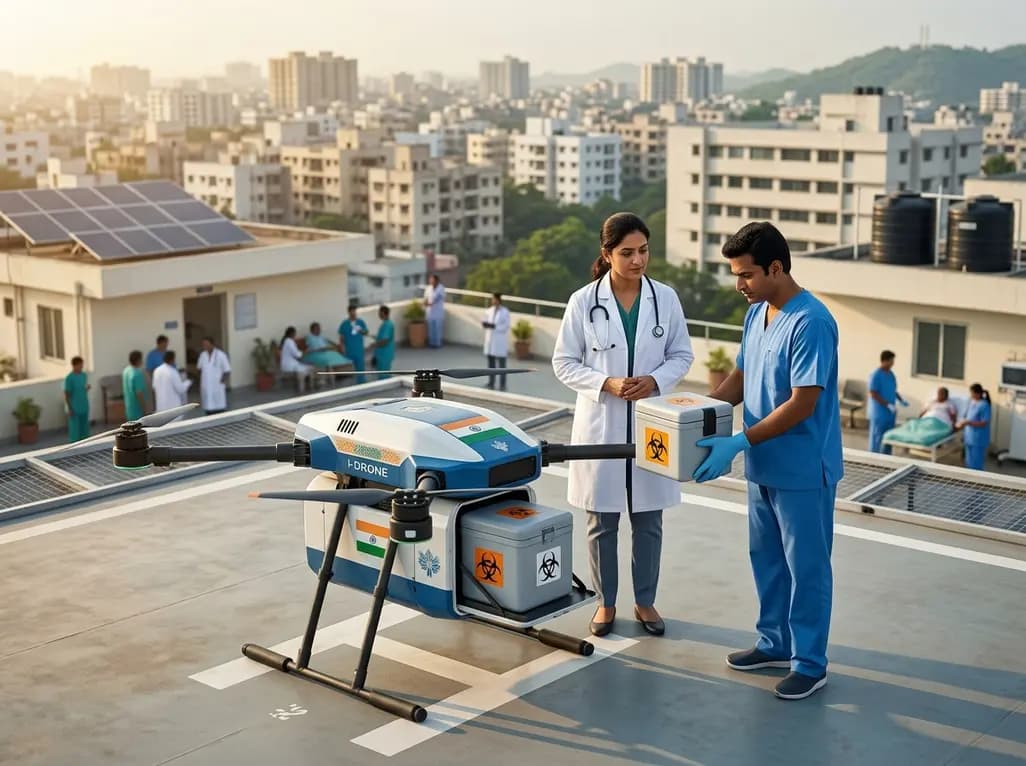
The Indian Council of Medical Research (ICMR) recently conducted a groundbreaking study under its flagship i-Drone initiative. This program demonstrated that drone-assisted TB sputum sample transport can significantly improve access to critical diagnostic services for citizens living in remote and underserved geographical regions. Consequently, this technological intervention could transform tuberculosis elimination efforts across the country. The collaborative study took place in the Yadadri-Bhuvanagiri district of Telangana. Researchers partnered with AIIMS Bibinagar and the District TB Office under the National TB Elimination Programme. Historically, remote populations face substantial geographical and infrastructural barriers when seeking medical care. Therefore, patients often delay seeking diagnosis due to the long distances they must travel. This innovative study compared the conventional system of patient travel with a highly efficient, drone-enabled model. In this new paradigm, healthcare workers collected sputum samples at local primary health centres and sub-centres. Then, drones transported these samples rapidly to designated tuberculosis diagnostic laboratories. Ultimately, this integration represents a major milestone in public health innovation, demonstrating how technology bridges critical healthcare delivery gaps.
To evaluate the feasibility of this technology, the research team designed a structured hub-and-spoke logistics network. Specifically, this network connected 11 Primary Health Centres, 60 sub-centres, and four designated TB Units across the district. This comprehensive coverage allowed patients to submit their samples closer to their villages. Previously, patients had to travel long distances over poor roads to reach diagnostic facilities. Instead, trained local healthcare workers at the sub-centres safely packaged the sputum samples using strict biosafety protocols. After secure packaging, licensed drone pilots operated vertical take-off and landing drones to transport the biological specimens. A centralized command centre established at AIIMS Bibinagar coordinated these daily flights and monitored safety metrics. Consequently, the burden of transporting samples shifted entirely from the vulnerable patient to an automated healthcare delivery system. This robust operational framework ensured that samples remained viable during transit. Furthermore, it proved that rural health infrastructure can successfully adopt sophisticated technological solutions. By utilizing established local clinics as collection hubs, the program minimized the need for new infrastructure. Thus, the model provides a scalable blueprint for other states facing similar geographical challenges.
The quantitative findings of the study revealed extraordinary improvements in clinical efficiency. Most notably, the median turnaround time for TB diagnosis decreased from 15 days under the conventional system to just 5 days during the drone phase. This represents a remarkable 66% reduction in diagnostic delays. Previously, more than 92% of patients experienced delays of over two days before receiving their test results. However, after introducing the drones, approximately 76.3% of participants received their diagnostic reports on the very next day. This rapid feedback loop enables clinicians to make earlier diagnostic confirmations. Consequently, physicians can initiate appropriate antimicrobial therapy much faster, which prevents further community transmission of tuberculosis. Moreover, shortening the diagnostic window reduces patient anxiety and prevents loss to follow-up, which is a major challenge in national TB control. Healthcare workers involved in the study reported that the automated system significantly enhanced their daily operational efficiency. Therefore, the clinical community has highly welcomed the intervention. Indeed, earlier confirmation of disease is critical to achieving India's goal of eliminating tuberculosis. This study clearly demonstrates that aerial logistics can effectively eliminate administrative and geographical bottlenecks.
In addition to clinical benefits, the drone-enabled model achieved a massive reduction in the financial burden on patients. Specifically, the mean patient out-of-pocket expenditure dropped from approximately ₹9,451 under the conventional system to around ₹91 during the drone phase. This constitutes an incredible 99% reduction in overall expenses. Furthermore, the median expenditure during the drone phase was zero. This indicates that most participants incurred absolutely no travel-related costs to obtain a diagnosis. Historically, seeking rural diagnostics involves hidden costs like long travel, lodging, food, and wage losses for patients and their families. By bringing sputum collection closer to patients' homes, the i-DRONE initiative successfully eliminated these compounding barriers. Consequently, patients are much more likely to seek timely medical attention instead of delaying care due to financial constraints. Reducing these costs prevents catastrophic medical debt, which frequently impacts impoverished families suffering from chronic infections in India. Therefore, the drone-enabled transport model serves as a powerful tool for social and financial equity in healthcare delivery.
While the study outcomes are highly promising, researchers identified several key operational considerations that require careful planning before national scaling. For instance, adverse weather conditions like heavy monsoon rains and high winds can disrupt drone flight schedules. Additionally, current small-category drones face strict payload limitations, which restricts the number of samples transported per flight. Therefore, healthcare systems must invest in robust, weather-resistant drones with larger cargo capacities to maximize efficiency. Furthermore, continuous training programs for local healthcare workers and drone operators are absolutely essential to maintain biosafety and operational standards. Despite these hurdles, the evidence generated through the i-Drone initiative will inform future public health innovations while complementing existing healthcare delivery systems. Dr. Rajiv Bahl, Director General of ICMR, emphasized that affordable and timely diagnosis remains central to India's tuberculosis elimination campaign. In conclusion, integrating aerial logistics into national healthcare programs is not only technically feasible but also highly impactful. By bridging geographic barriers and easing the financial burden on rural populations, drone technology represents a massive leap forward. Consequently, public health administrators should prioritize the scaling of drone-based transport systems to reach the last mile of care.
Q1: How does drone-assisted transport reduce diagnostic delays in rural tuberculosis care?
Drone-assisted transport significantly reduces diagnostic delays by bypassing poor road infrastructure and minimizing the time patients spend traveling. Sputum samples are collected at nearby local primary health centres and quickly flown to diagnostic labs. Consequently, this model slashed the turnaround time from fifteen days to just five days in the pilot study. This rapid reporting enables clinicians to initiate treatment faster, thereby reducing community transmission.
Q2: What was the impact of the drone-based model on patients' out-of-pocket expenses?
The drone-based model dramatically lowered out-of-pocket expenses for patients seeking diagnosis. Traditionally, individuals had to spend nearly ₹9,451 on long-distance travel, food, and lodging, while suffering wage losses. However, during the drone phase, the average expense dropped to only ₹91, and the median expenditure reached zero. This massive financial relief ensures that impoverished patients can access diagnostic services without facing severe medical debt.
Q3: What are the primary operational challenges identified for scaling drone transport in healthcare?
The study highlighted several key operational challenges, including adverse weather conditions like heavy rains and strong winds, which can delay flights. In addition, small drones have payload limitations that restrict specimen volumes. Therefore, wider implementation requires larger, weather-resistant drones. Furthermore, continuous training for healthcare workers is essential to maintain strict biosafety and packaging protocols during transport operations.
Disclaimer: This content is for informational and educational purposes only. It does not constitute medical advice or replace professional judgment. Refer to the latest local and national guidelines for clinical practice.
References

Read summarized clinical updates, watch expert medical content, and earn CME certifications right from your smartphone.
Open your smartphone camera to scan and install.





An ICMR study on the i-DRONE initiative shows that drone-assisted transport of TB sputum samples in Telangana reduced diagnostic turnaround times from 15 to 5 days. It also slashed patients' out-of-pocket expenses from ₹9,451 to just ₹91, improving healthcare access in remote areas.
3 months ago
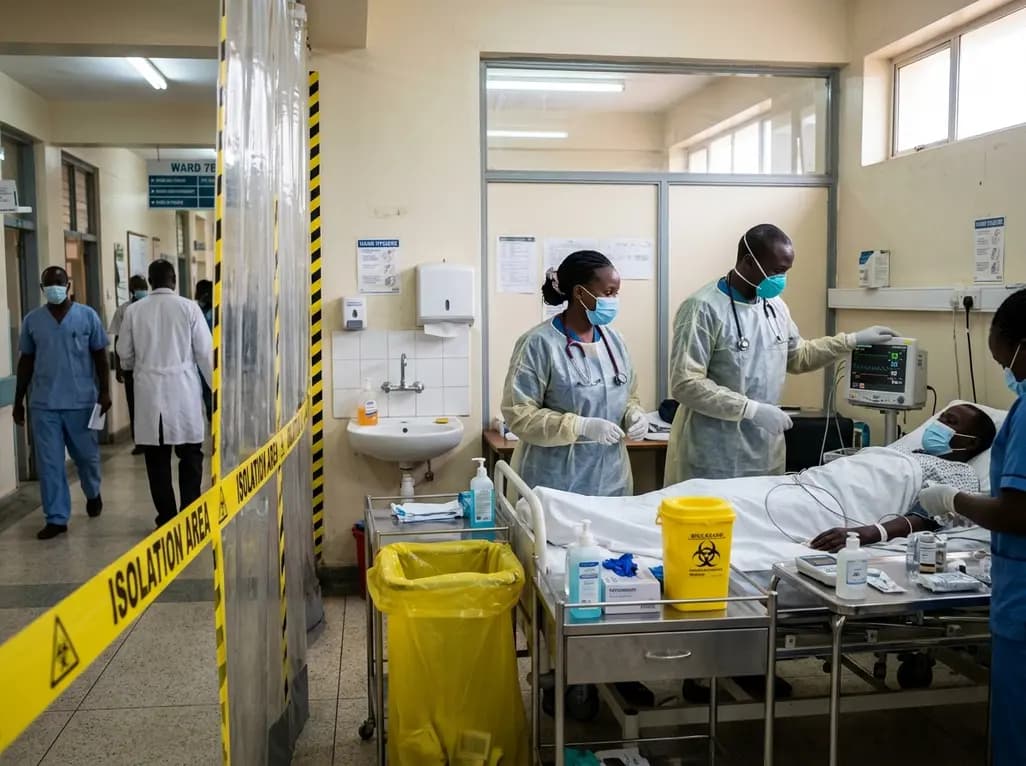
Kenya's confirmation of its eighth Ebola infection highlights the acute risk of secondary transmission in hospital environments. Clinicians must maintain high vigilance, enforce strict infection prevention protocols, and implement rapid triage mechanisms for viral hemorrhagic fevers across healthcare settings.
4 days back
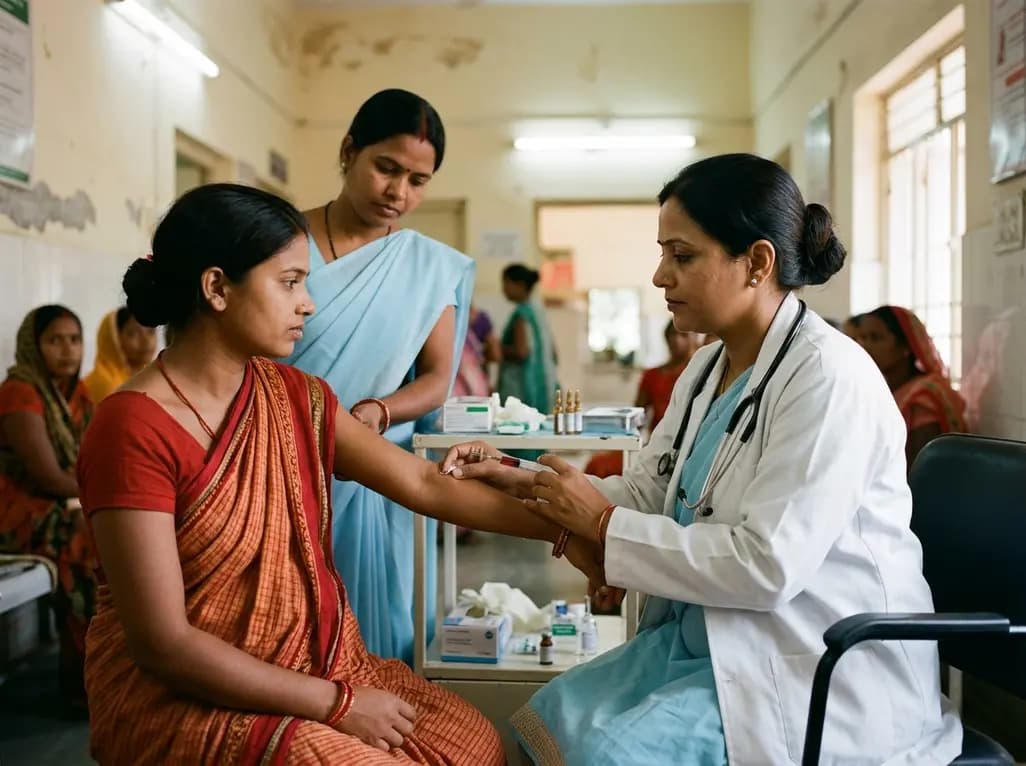
Maternal anaemia contributes to nearly half of pregnancy-related fatalities across India. To prevent complications, Uttar Pradesh has added single-dose parenteral iron to its essential medicines list. This clinical transition aims to restore haemoglobin rapidly and protect high-risk mothers across rural facilities.
Last week
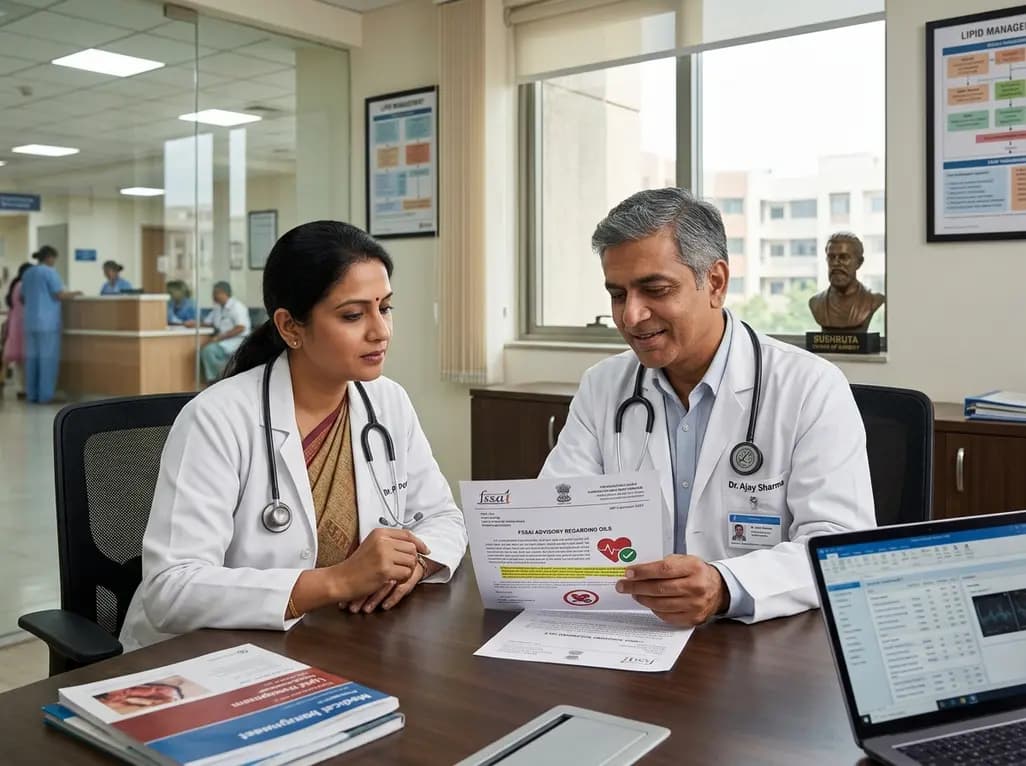
India's food safety authority FSSAI has issued show-cause notices to Gemini Edibles, BigBasket, and Flipkart for unpermitted cardiovascular claims regarding Freedom Rice Bran Oil. This regulatory move highlights the strict enforcement of advertising standards and the clinical necessity of evidence-based lipid care.
6 days back
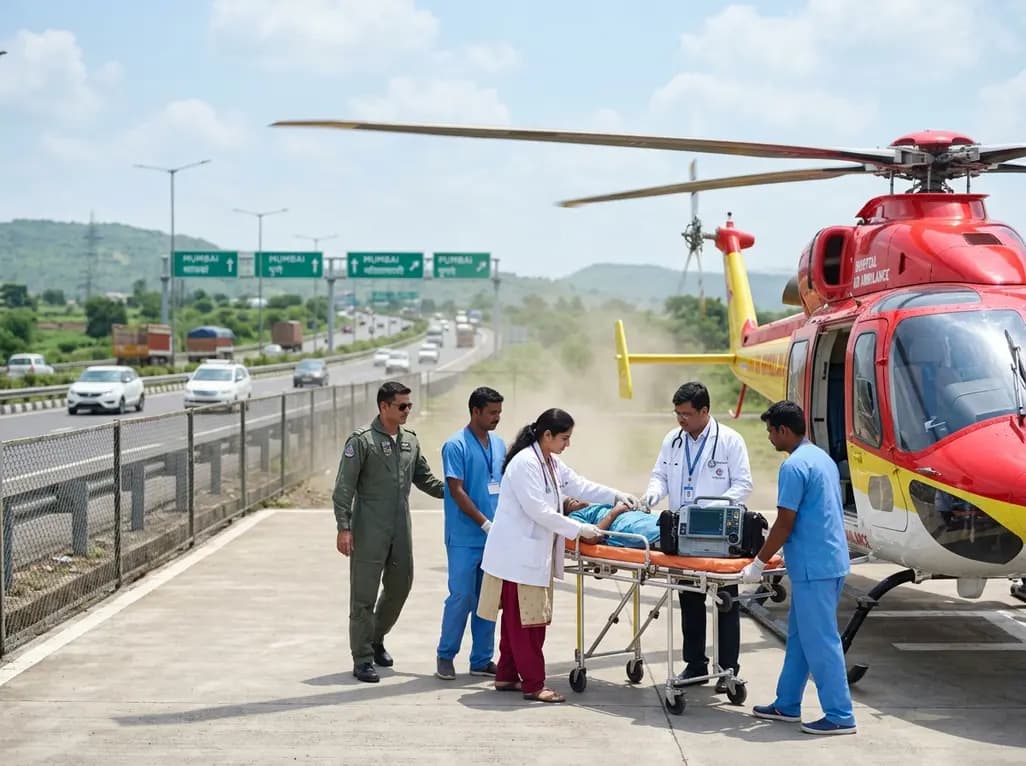
The state government is deploying helicopter emergency medical services across the Mumbai-Pune Expressway, Samruddhi Mahamarg, and Mumbai-Goa Highway. This initiative establishes unified standard operating procedures to enable rapid triage, advanced prehospital resuscitation, and seamless trauma care transfers.
Last week
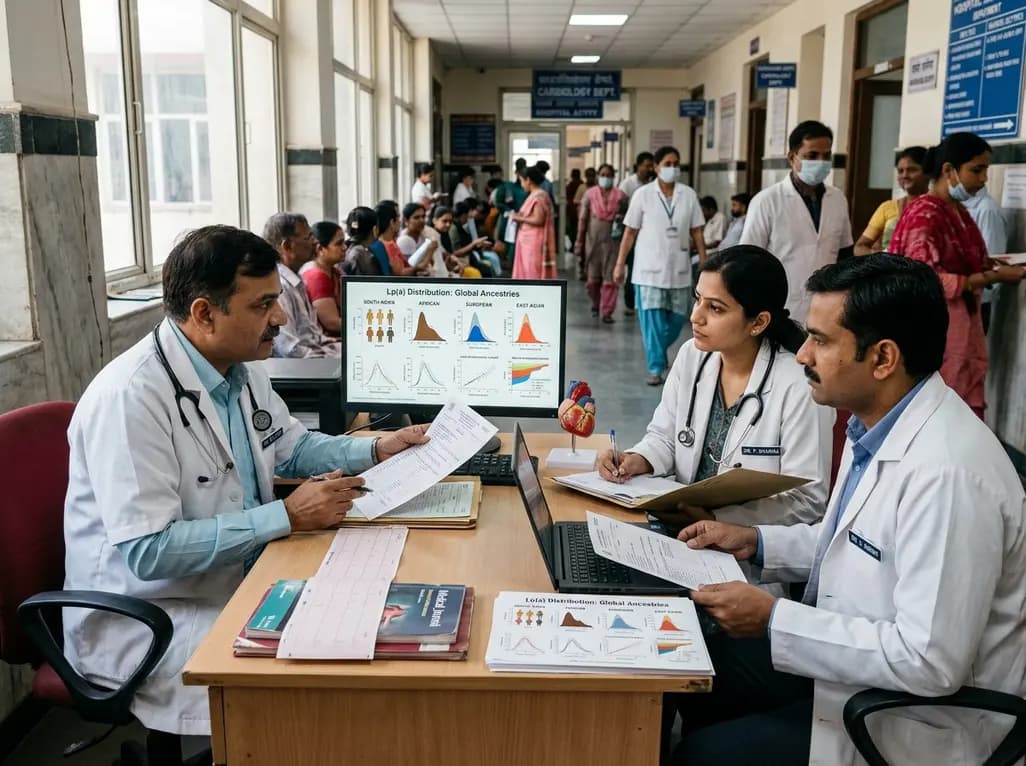
Atherosclerotic cardiovascular disease guidelines often rely on European-derived lipoprotein(a) cutoffs. However, baseline Lp(a) levels vary widely across ancestries, including South Asians and Africans. Clinicians must interpret Lp(a) values within overall absolute cardiovascular risk.
Last week
