.webp&w=384&q=75)

Loading, please wait...
Loading, please wait...
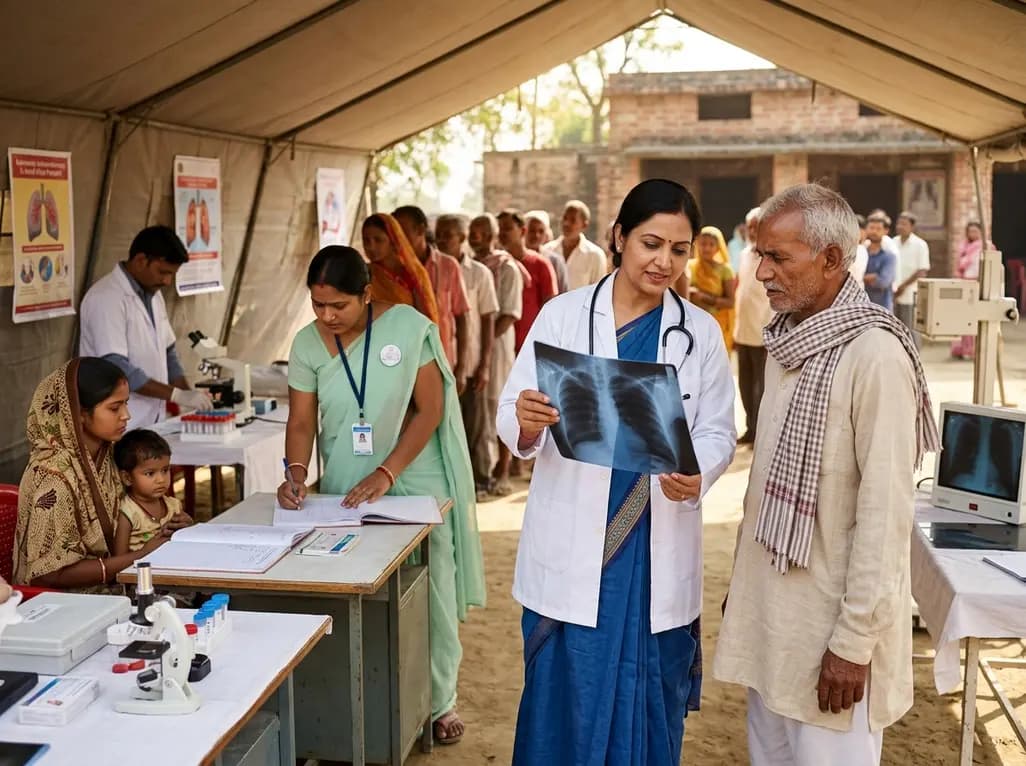
The Government of India recently spearheaded a massive healthcare initiative to eliminate tuberculosis. Specifically, Uttar Pradesh successfully conducted an intensive, targeted campaign as part of this national effort. Indeed, health workers made extraordinary progress in identifying hidden cases and treating patients. Consequently, the state detected 1.85 lakh new cases, emerging as the top performer under the TB Mukt Bharat Abhiyan. Moreover, this remarkable milestone highlights how active surveillance can accelerate disease control. Therefore, healthcare providers must analyze the clinical and administrative strategies that drove this historic success in public health.
To execute this campaign, Uttar Pradesh deployed an extensive network of healthcare personnel across rural and urban zones. Specifically, officials focused on 25,821 Ayushman Arogya camps to bring essential diagnostic services directly to the people. Consequently, these camps allowed health workers to reach deep into remote villages and underserved urban wards. They registered over 39.44 lakh high-risk individuals for comprehensive monitoring. Furthermore, this systemic reach covered approximately 91% of the state's identified high-risk locations. Historically, similar drives suffered from low public turnout. However, this intensive effort registered and screened over 31 lakh people, showing unprecedented community trust. Indeed, Additional Chief Secretary Amit Kumar Ghosh emphasized that political commitment and administrative coordination made this possible. Additionally, the integration of modern digital platforms allowed officials to track patients in real-time. As a result, this thorough approach proved that decentralized healthcare can identify cases that standard outpatient clinics routinely miss. Thus, the massive scale of the campaign established a new benchmark for state-level tuberculosis control in India. Consequently, health authorities now possess a robust framework for managing future outbreaks of infectious respiratory diseases.
To optimize diagnosis, the campaign integrated high-tech tools directly into local communities. Specifically, technicians performed over 29.55 lakh chest X-rays to screen individuals with respiratory symptoms. Furthermore, they used over 1,000 mobile and static X-ray machines to ensure rapid diagnostic imaging. Subsequently, if an X-ray revealed suspicious lesions, clinicians immediately ordered confirmatory tests. Consequently, the state performed more than 8.24 lakh molecular tests using over 1,000 advanced Nucleic Acid Amplification Test (NAAT) machines. This technological surge allowed for the rapid detection of drug-resistant strains of tuberculosis. Additionally, officials reported that 91% of all notified patients underwent NAAT testing to establish accurate baseline data. Meanwhile, this approach significantly shortened the time between initial screening and treatment initiation. In contrast, older smear-microscopy techniques often delayed diagnosis by several days. Therefore, the implementation of NAAT represents a massive step forward in patient care. Ultimately, early and accurate diagnosis prevents ongoing transmission in crowded household environments. Clearly, the strategic deployment of advanced diagnostics has transformed tuberculosis care across Uttar Pradesh.
Active case-finding served as a vital pillar of this state-wide initiative. Specifically, health workers actively searched for cases instead of waiting for symptomatic patients to visit clinics. Consequently, this proactive strategy led to the identification of 52,000 asymptomatic tuberculosis patients. Indeed, without this systematic outreach, these silent carriers would escape detection, leading to further community transmission. Therefore, detecting asymptomatic cases is highly critical for achieving regional tuberculosis elimination goals. Additionally, the state prioritized tuberculosis preventive treatment to break the chain of infection. For instance, clinicians provided preventive therapy to more than 1.89 lakh eligible household contacts of diagnosed patients. Furthermore, they extended this preventative regimen to over 10,000 other high-risk individuals. As a result, this dual strategy of active treatment and prevention creates a protective shield within vulnerable communities. Moreover, the state ensured that 1.16 lakh patients received highly structured, differentiated tuberculosis care. This specialized care ensures that individuals with complex comorbidities receive tailored clinical management. Thus, combining proactive screening with robust preventive therapies drastically reduces the overall disease burden.
Clinical treatment alone cannot eliminate tuberculosis because malnutrition weakens the human immune system. Therefore, nutritional support forms a foundational component of the national recovery protocol. To address this issue, the state government registered over 5,000 new Nikshay Mitras during the campaign. Specifically, these community sponsors adopt tuberculosis patients to provide them with crucial nutritional and emotional backing. Consequently, these volunteers have already distributed more than 2.06 lakh specialized nutrition kits across the state. Indeed, this sustained support significantly improves medication compliance and treatment success rates among impoverished patients. Furthermore, proper nutrition helps patients tolerate heavy antibiotic regimens with fewer adverse drug reactions. Additionally, local community leaders and volunteers have actively championed these nutritional drives. As a result, this collaborative model reduces the social stigma traditionally associated with tuberculosis. Moreover, it fosters a strong sense of community responsibility for patient welfare. Ultimately, the integration of nutritional support with medical therapy accelerates the physiological healing process. Clearly, the Nikshay Mitra initiative demonstrates how community-driven social support can dramatically enhance clinical outcomes.
Eliminating a deeply entrenched disease requires a comprehensive, multi-sectoral strategy. Specifically, this campaign witnessed unprecedented participation from local bodies, schools, colleges, and corporate partners. Consequently, these diverse organizations conducted extensive awareness activities to educate the public about tuberculosis symptoms. Furthermore, elected representatives actively led localized awareness rallies to build community trust. Indeed, this high-level advocacy encourages symptomatic individuals to seek medical evaluation without fear of discrimination. Additionally, administrative departments worked in perfect harmony to coordinate clinical logistics and supply chains. Meanwhile, this synchronized effort ensured that diagnostic laboratories never faced shortages of NAAT reagents or X-ray films. As a result, the campaign successfully moved away from passive hospital-based reporting. Ultimately, they established a proactive model that brings high-quality healthcare directly to the patient's doorstep. Clearly, this paradigm shift proves that sustained public engagement can accelerate progress toward national elimination goals. Therefore, other states should replicate this integrated framework to combat infectious diseases effectively. Indeed, the combined force of science, administration, and community participation remains our most powerful weapon against tuberculosis.
Q1: What is the primary objective of the 100-day TB Mukt Bharat Abhiyan?
The primary objective of this campaign is to accelerate tuberculosis elimination by finding missing cases. Specifically, health workers screen high-risk groups in rural areas. Consequently, this campaign identifies undiagnosed patients early, initiates prompt medical therapy, and provides essential nutritional support. Ultimately, these public health efforts aim to reduce regional disease incidence and eliminate tuberculosis ahead of schedule.
Q2: How does the campaign utilize advanced diagnostics to detect tuberculosis cases?
The campaign integrates advanced medical technologies like mobile chest X-rays and molecular tests. Specifically, technicians use digital X-rays to screen individuals in remote areas for pulmonary abnormalities. Furthermore, they perform molecular testing to rapidly detect drug-resistant strains. Consequently, these tools shorten diagnostic timelines. Ultimately, this rapid pipeline ensures that patients receive appropriate clinical treatment plans without delay.
Q3: What critical role do Nikshay Mitras play in the elimination of tuberculosis?
Nikshay Mitras play a vital role by providing critical nutritional and emotional support to tuberculosis patients. Specifically, these community volunteers distribute specialized nutrition kits to ensure patients receive adequate dietary backing. Furthermore, proper nutrition improves compliance rates during antibiotic treatment. Consequently, this collaborative approach reduces social stigma. Ultimately, these efforts foster community participation, which drastically improves overall recovery rates.
Disclaimer: This content is for informational and educational purposes only. It does not constitute medical advice or replace professional judgment. Refer to the latest local and national guidelines for clinical practice.
References

Read summarized clinical updates, watch expert medical content, and earn CME certifications right from your smartphone.
Open your smartphone camera to scan and install.





Discover how Uttar Pradesh emerged as India's top performer under the 100-day anti-tuberculosis drive. By screening over 31 lakh people, integrating advanced diagnostics, and registering thousands of Nikshay Mitras, the state established a powerful model for achieving a TB-free nation.
3 months ago
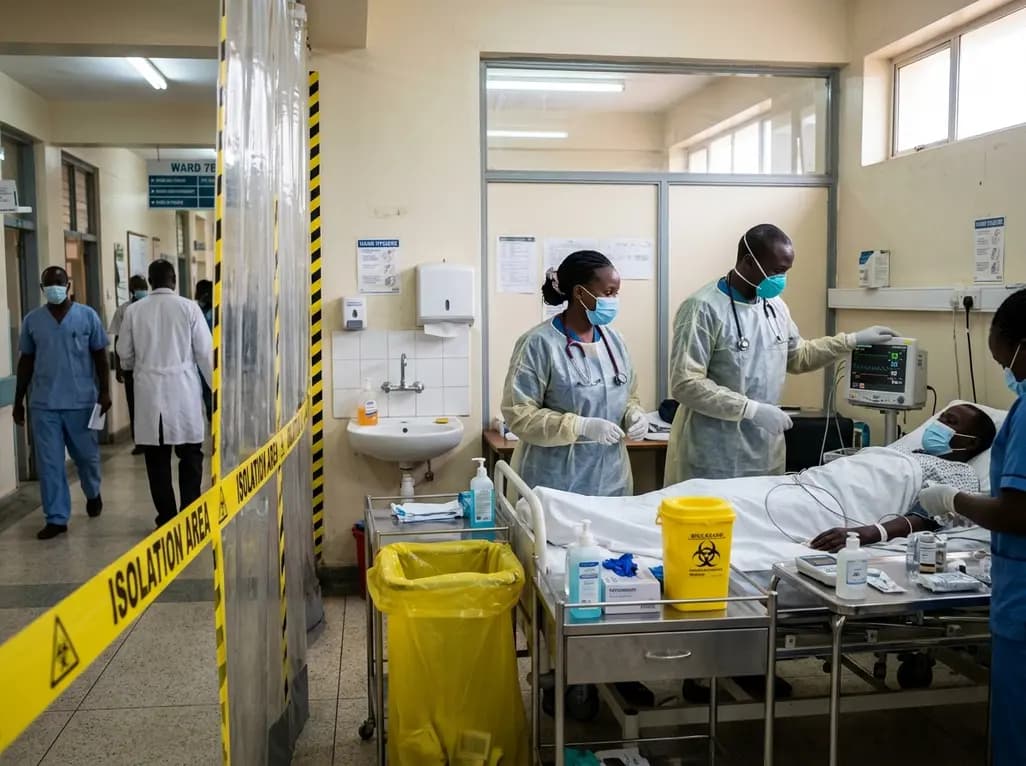
Kenya's confirmation of its eighth Ebola infection highlights the acute risk of secondary transmission in hospital environments. Clinicians must maintain high vigilance, enforce strict infection prevention protocols, and implement rapid triage mechanisms for viral hemorrhagic fevers across healthcare settings.
4 days back
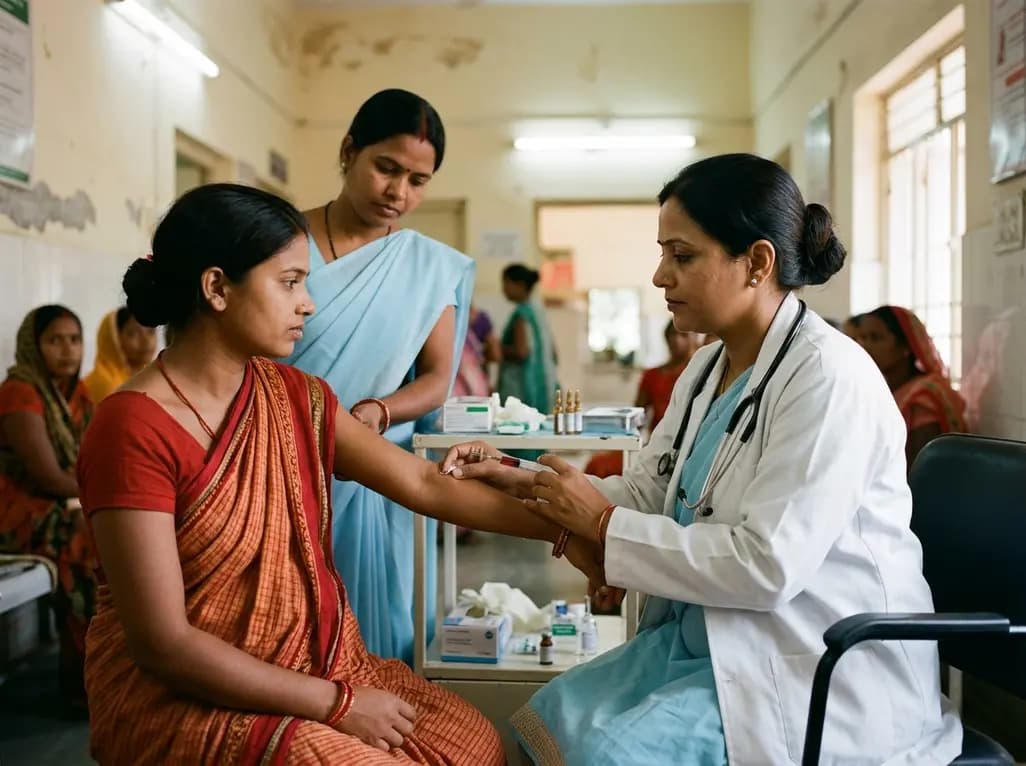
Maternal anaemia contributes to nearly half of pregnancy-related fatalities across India. To prevent complications, Uttar Pradesh has added single-dose parenteral iron to its essential medicines list. This clinical transition aims to restore haemoglobin rapidly and protect high-risk mothers across rural facilities.
Last week
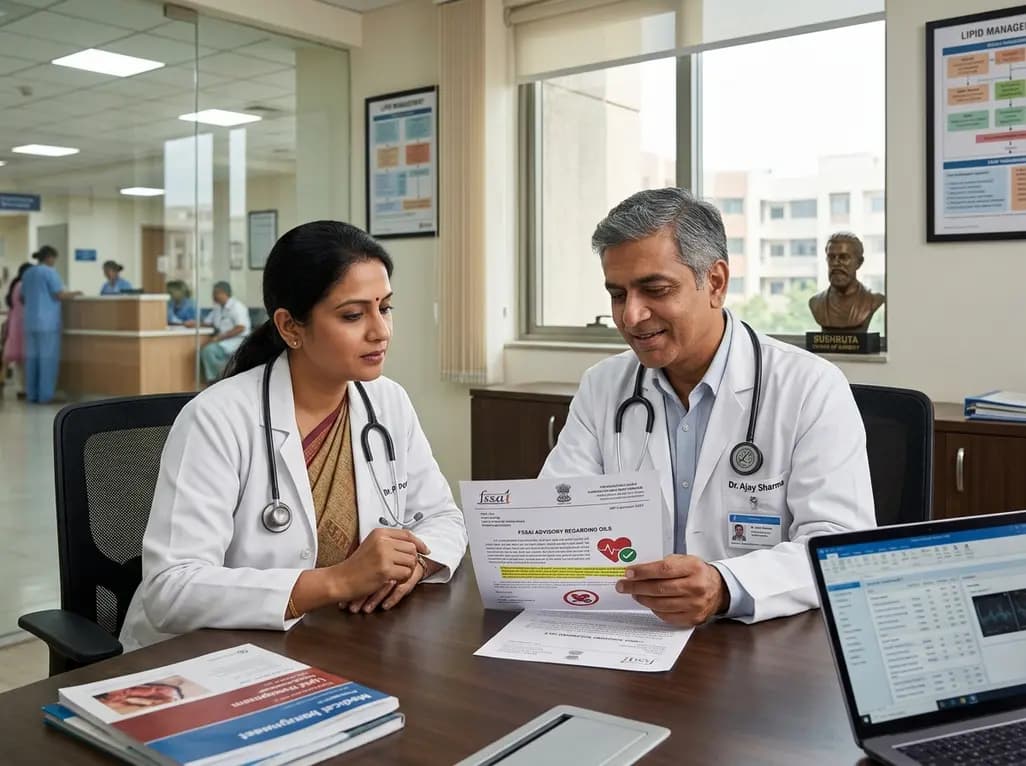
India's food safety authority FSSAI has issued show-cause notices to Gemini Edibles, BigBasket, and Flipkart for unpermitted cardiovascular claims regarding Freedom Rice Bran Oil. This regulatory move highlights the strict enforcement of advertising standards and the clinical necessity of evidence-based lipid care.
6 days back
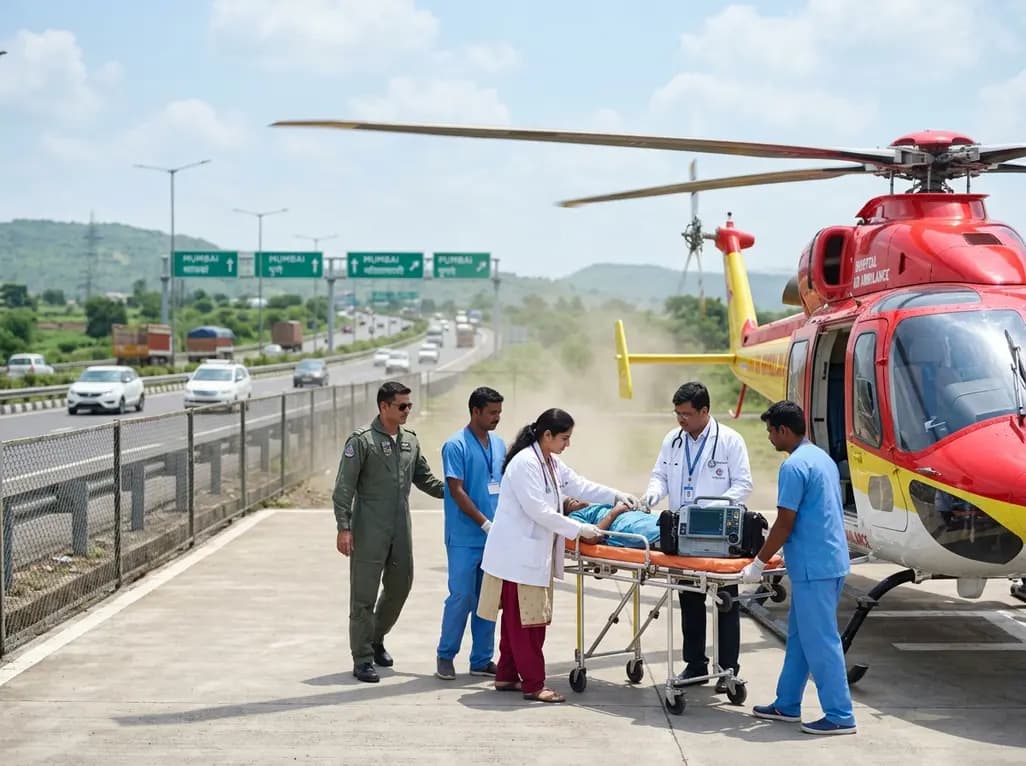
The state government is deploying helicopter emergency medical services across the Mumbai-Pune Expressway, Samruddhi Mahamarg, and Mumbai-Goa Highway. This initiative establishes unified standard operating procedures to enable rapid triage, advanced prehospital resuscitation, and seamless trauma care transfers.
Last week
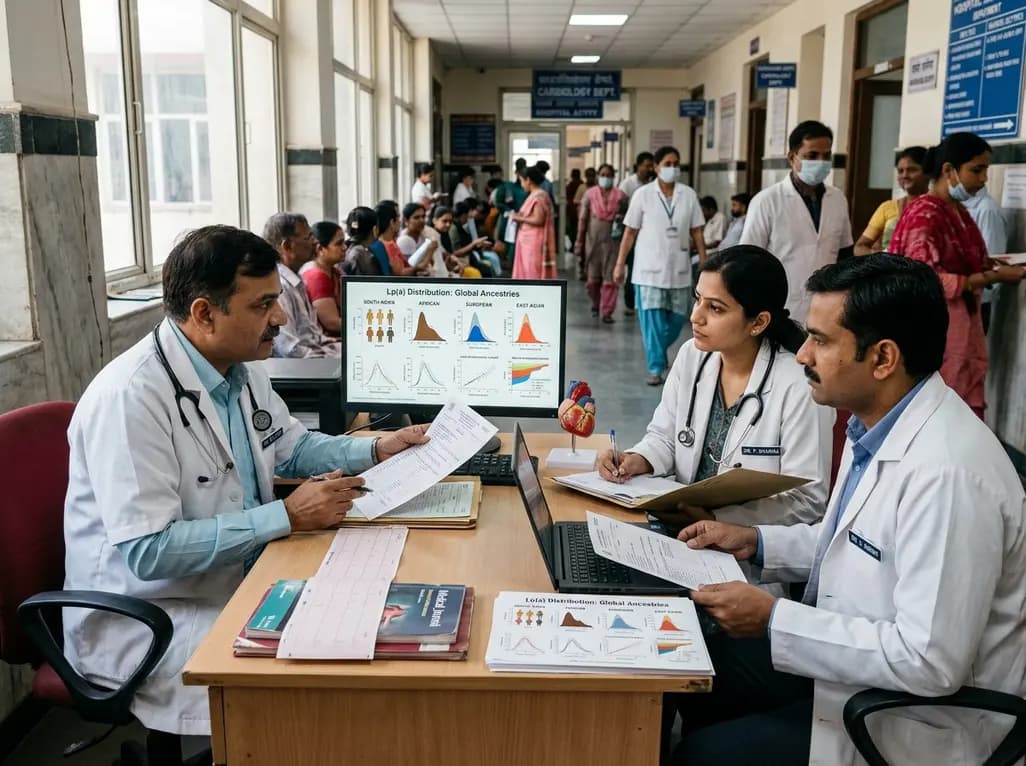
Atherosclerotic cardiovascular disease guidelines often rely on European-derived lipoprotein(a) cutoffs. However, baseline Lp(a) levels vary widely across ancestries, including South Asians and Africans. Clinicians must interpret Lp(a) values within overall absolute cardiovascular risk.
Last week
