.webp&w=384&q=75)

Loading, please wait...
Loading, please wait...
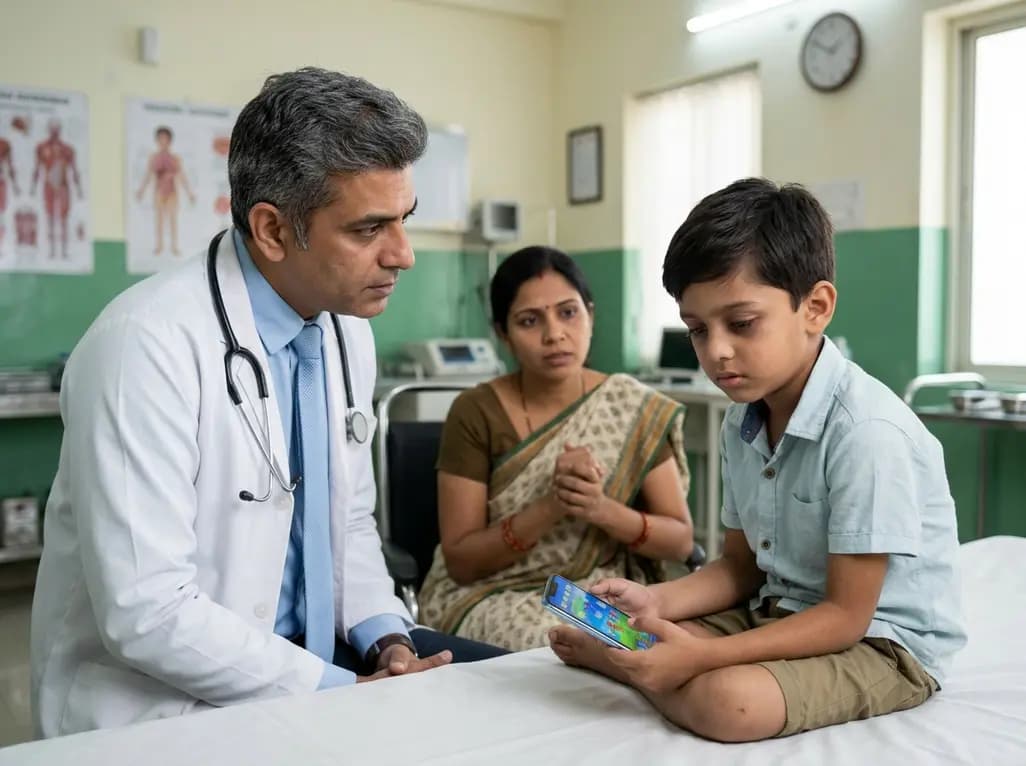
The Public Health Agency of Sweden recently issued a landmark recommendation. It advises parents against introducing personal smartphones to children under 13. This new directive primarily targets the physical and mental health challenges associated with childhood smartphone use. Consequently, healthcare professionals worldwide are evaluating how these recommendations can guide families in their daily lives. Specifically, the Swedish guidelines focus on protecting young minds from digital overuse. Swedish authorities argue that the potential risks of early ownership outweigh any benefits of staying connected.
Furthermore, the health agency recommends that parents provide a simple phone without internet access if communication is necessary. Historically, Nordic countries like Denmark and Finland have adopted similar cautious stances on youth screen time. Therefore, this decision marks a broader regional movement to delay digital autonomy. In addition, the Swedish government plans to enforce a smartphone ban in schools for students up to grade nine.
Research indicates a strong correlation between early screen exposure and several negative pediatric health outcomes. For instance, frequent phone use frequently disrupts sleep and distracts young minds. Consequently, children often experience reduced academic focus and heightened social pressure. Moreover, early exposure increases the likelihood of children encountering harmful digital content or unsafe online contacts. Healthcare providers note that these factors can easily trigger an addiction-like pattern of device use. Thus, delaying smartphone ownership helps shield children during critical developmental windows.
Additionally, the Swedish agency emphasized that parents must model healthy digital habits. Recently, they urged parents to put down their own devices when spending time with their children. This advice stems from findings that heavy parental screen use directly impacts child behavior and family relationships. As a result, pediatricians should encourage families to create screen-free zones in the home, such as bedrooms and dining areas.
Medical practitioners play a vital role in educating parents about digital health. First, doctors should routinely screen for excessive screen time during pediatric wellness visits. Second, they can discuss the benefits of delaying smartphone ownership with parents. While children value staying in touch with friends, alternative communication tools can keep them safe. Finally, clinicians should offer practical tips on establishing healthy boundaries at home. Through active counseling, doctors can empower families to prioritize physical play, face-to-face interaction, and quality sleep.
Q1: Why does the Swedish health agency recommend delaying smartphones until age 13?
The agency highlights several major risks, including sleep disruption, distraction, mental health pressure, exposure to harmful content, and addiction-like usage patterns, which outweigh the benefits of early connectivity.
Q2: What alternative does the agency suggest for parents who want their children to have a phone?
If parents want their child to have a phone, the agency recommends giving them a basic, simple phone that does not have internet access.
Q3: How does parental phone use affect children according to recent research?
Studies show that heavy parental screen use can negatively affect direct interaction with children and teach them unhealthy digital habits, prompting advice for parents to keep phones away during family time.
Disclaimer: This content is for informational and educational purposes only. It does not constitute medical advice or replace professional judgment. Refer to the latest local and national guidelines for clinical practice.
References

Read summarized clinical updates, watch expert medical content, and earn CME certifications right from your smartphone.
Open your smartphone camera to scan and install.





Sweden's public health agency recommends that parents avoid giving children their own smartphones before age 13. Citing risks like sleep disturbance, mental health concerns, and addiction-like patterns, authorities urge simpler communication alternatives to safeguard physical and psychological development.
4 months ago

Kenya's confirmation of its eighth Ebola infection highlights the acute risk of secondary transmission in hospital environments. Clinicians must maintain high vigilance, enforce strict infection prevention protocols, and implement rapid triage mechanisms for viral hemorrhagic fevers across healthcare settings.
3 days back
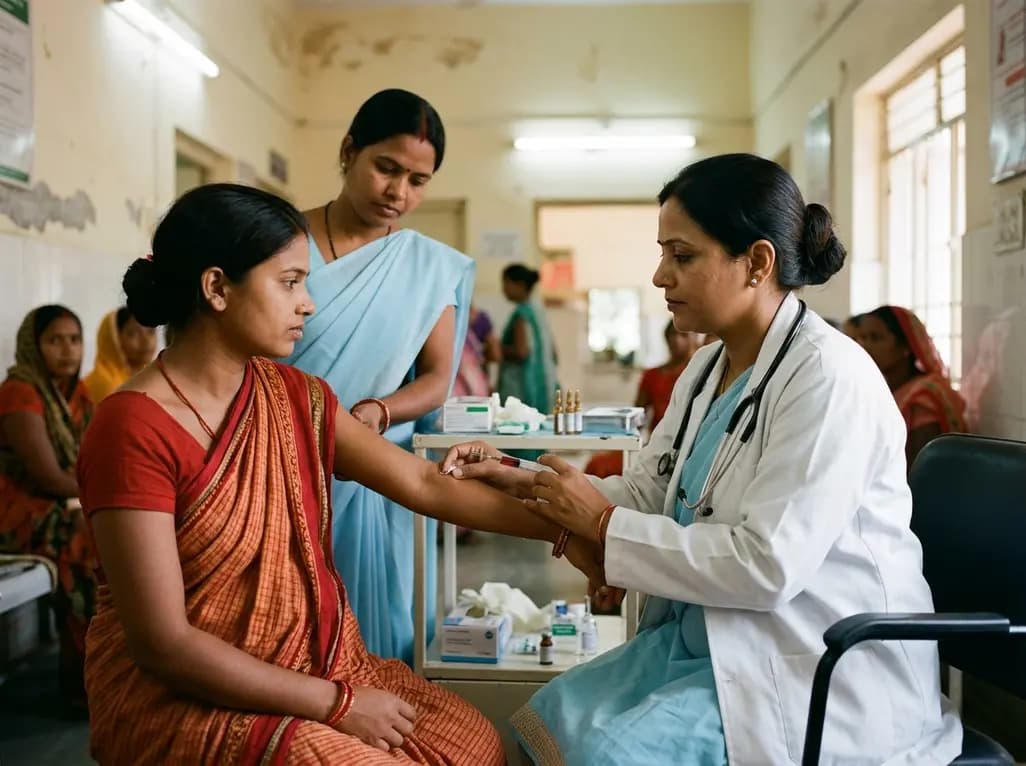
Maternal anaemia contributes to nearly half of pregnancy-related fatalities across India. To prevent complications, Uttar Pradesh has added single-dose parenteral iron to its essential medicines list. This clinical transition aims to restore haemoglobin rapidly and protect high-risk mothers across rural facilities.
Last week

India's food safety authority FSSAI has issued show-cause notices to Gemini Edibles, BigBasket, and Flipkart for unpermitted cardiovascular claims regarding Freedom Rice Bran Oil. This regulatory move highlights the strict enforcement of advertising standards and the clinical necessity of evidence-based lipid care.
5 days back

The state government is deploying helicopter emergency medical services across the Mumbai-Pune Expressway, Samruddhi Mahamarg, and Mumbai-Goa Highway. This initiative establishes unified standard operating procedures to enable rapid triage, advanced prehospital resuscitation, and seamless trauma care transfers.
Last week
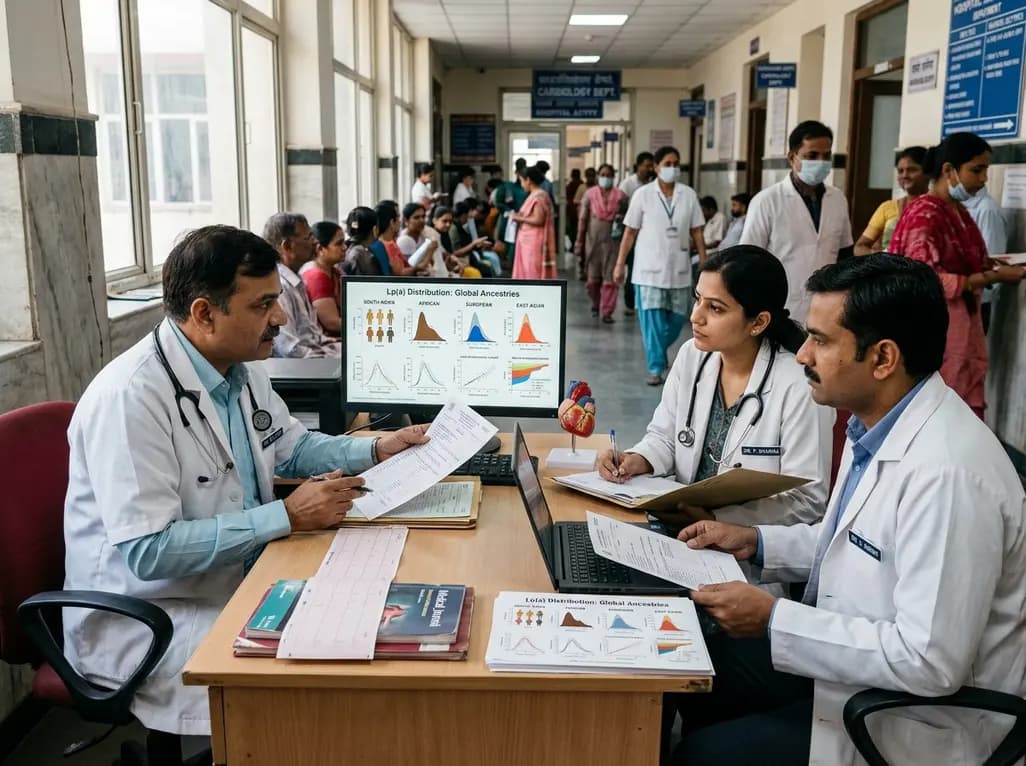
Atherosclerotic cardiovascular disease guidelines often rely on European-derived lipoprotein(a) cutoffs. However, baseline Lp(a) levels vary widely across ancestries, including South Asians and Africans. Clinicians must interpret Lp(a) values within overall absolute cardiovascular risk.
Last week
