

Loading, please wait...
Loading, please wait...
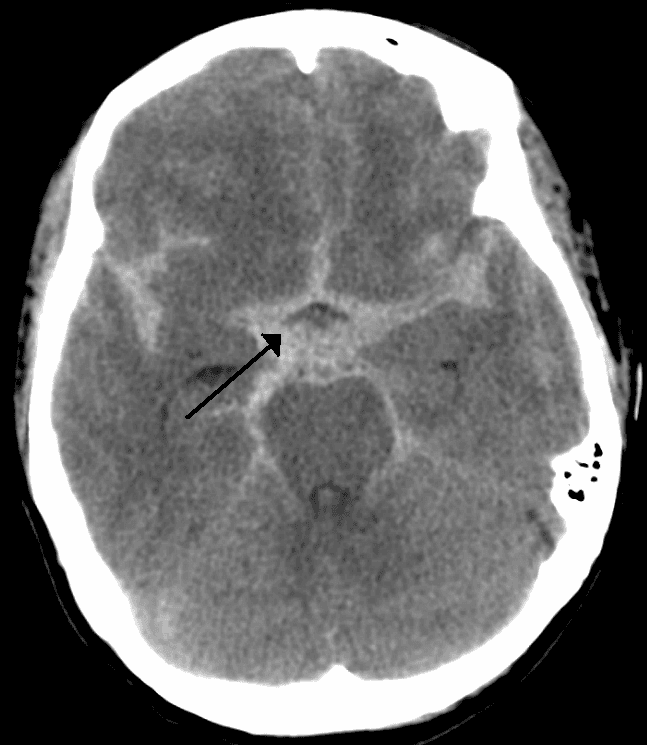
This retrospective, population-based cohort study used two validated nationwide administrative datasets covering all 41 hospital districts and 10 neurosurgical units in Finland and New Zealand, including hospitalized and fatal non-hospitalized aneurysmal subarachnoid hemorrhage (SAH) cases from 2001 to 2017. Among 12,912 patients (median age 58 years; 61.4% women), 5,418 died within 30 days, and 3,819 of these deaths (70.5%) occurred without neurosurgical unit admission (70.7% in Finland and 70.1% in New Zealand), ranging by district from 58.4% to 100%. Compared with districts with a neurosurgical unit (66.2%), the proportion was higher in close-distance (70.5%; RR 1.07), middle-distance (78.3%; RR 1.18) and far-distance zones (76.4%; RR 1.15), rising by 6.7% (95% CI 4.9%–8.5%) for each additional 100 km. Among the 8,853 patients admitted to a neurosurgical unit, 30-day case fatality was 18.1%. The authors concluded that most SAH deaths occur without neurosurgical admission, that this share increases with distance from a referral centre, and that prevention and early management outside tertiary care may warrant priority.

Read summarized clinical updates, watch expert medical content, and earn CME certifications right from your smartphone.
Open your smartphone camera to scan and install.





This retrospective, population-based cohort study used two validated nationwide administrative datasets covering all 41 hospital districts and 10 neurosurgical units in Finland and New Zealand, including hospitalized and fatal non-hospitalized aneurysmal subarachnoid hemorrhage (SAH) cases from 2001 to 2017. Among 12,912 patients (median age 58 years; 61.4% women), 5,418 died within 30 days, and 3,819 of these deaths (70.5%) occurred without neurosurgical unit admission (70.7% in Finland and 70.1% in New Zealand), ranging by district from 58.4% to 100%. Compared with districts with a neurosurgical unit (66.2%), the proportion was higher in close-distance (70.5%; RR 1.07), middle-distance (78.3%; RR 1.18) and far-distance zones (76.4%; RR 1.15), rising by 6.7% (95% CI 4.9%–8.5%) for each additional 100 km. Among the 8,853 patients admitted to a neurosurgical unit, 30-day case fatality was 18.1%. The authors concluded that most SAH deaths occur without neurosurgical admission, that this share increases with distance from a referral centre, and that prevention and early management outside tertiary care may warrant priority.
Today

Microplastic contamination in seafood presents emerging public health and gastrointestinal concerns. Learn how synthetic polymers from marine gastropods affect human health, gut integrity, and dietary counseling strategies.
Yesterday

Maternal anaemia contributes to nearly half of pregnancy-related fatalities across India. To prevent complications, Uttar Pradesh has added single-dose parenteral iron to its essential medicines list. This clinical transition aims to restore haemoglobin rapidly and protect high-risk mothers across rural facilities.
last month

India faces a massive diabetes burden with over 89 million adults affected. Managing blood sugar in isolation fails to prevent severe cardiorenal complications. Clinicians must adopt an integrated metabolic ecosystem that prioritizes early detection, multifactorial risk assessment, and personalized therapies.
Last week

The state government is deploying helicopter emergency medical services across the Mumbai-Pune Expressway, Samruddhi Mahamarg, and Mumbai-Goa Highway. This initiative establishes unified standard operating procedures to enable rapid triage, advanced prehospital resuscitation, and seamless trauma care transfers.
last month

Atherosclerotic cardiovascular disease guidelines often rely on European-derived lipoprotein(a) cutoffs. However, baseline Lp(a) levels vary widely across ancestries, including South Asians and Africans. Clinicians must interpret Lp(a) values within overall absolute cardiovascular risk.
last month
