.webp&w=384&q=75)

Loading, please wait...
Loading, please wait...
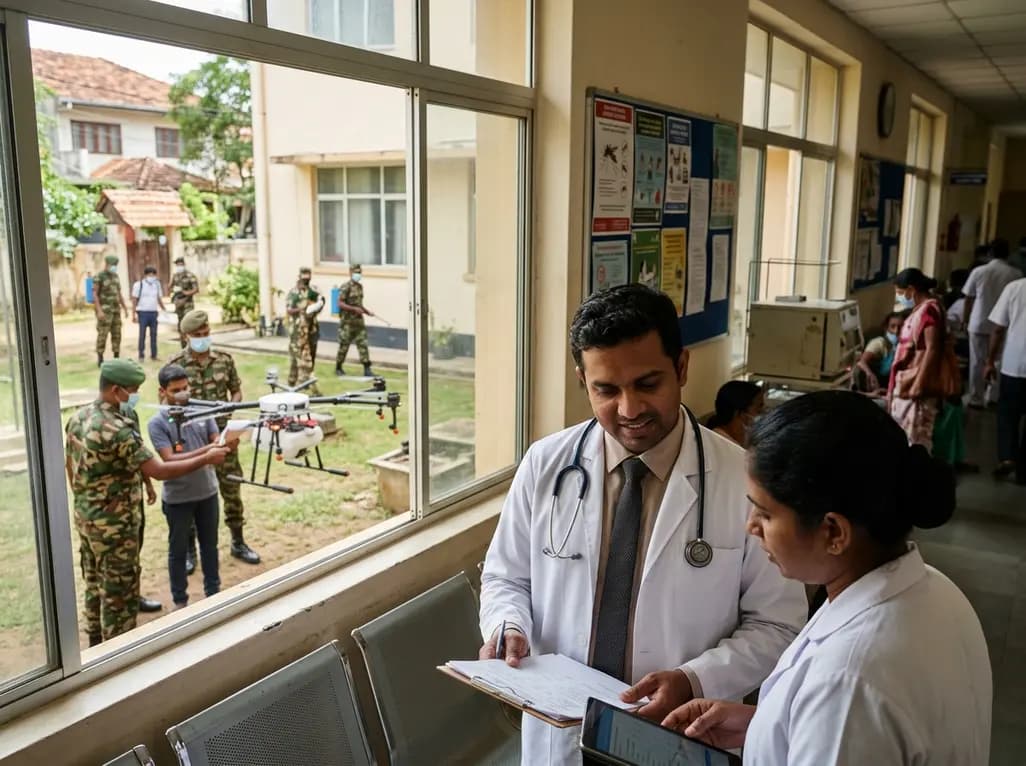
The ongoing Sri Lanka dengue outbreak has escalated into a major public health crisis, demanding unprecedented intervention from health officials and the military. As hospitals face an overwhelming influx of patients, clinicians across South Asia are closely monitoring the situation. Understanding the clinical challenges, innovative vector control strategies, and post-disaster factors driving this surge is essential for regional healthcare professionals. This comprehensive analysis details the epidemiological shifts and management protocols currently used to address this severe epidemic.
The current Sri Lanka dengue outbreak represents the nation's most severe health emergency in almost a decade. Consequently, health authorities are scrambling to contain the soaring number of infections. According to official data, the country has registered over 76,044 infections and at least 53 fatalities since the start of January. This alarming trend is rapidly approaching the devastating levels of the historical 2017 epidemic. In addition, the current surge is driven by a highly virulent strain, specifically the DENV-2 serotype. This particular strain accounts for approximately 75 percent of all active infections across the country. Consequently, the rapid replication and severe clinical presentation of DENV-2 have complicated epidemiological forecasting. Meanwhile, the Western Province has emerged as the epicentre, bearing over half of the national caseload. Districts such as Gampaha and Colombo are experiencing unprecedented numbers of hospital admissions. Therefore, local medical officers are urging immediate community intervention to reduce vector densities. Active transmission continues to threaten vulnerable populations, including young children and elderly citizens. Hence, public health experts emphasize that systematic vector surveillance remains the most effective line of defense.
The sudden influx of patients has placed a massive strain on the public healthcare infrastructure. Consequently, hospitals are rushing to add emergency beds and convert standard wards into dedicated dengue care units. At the Negombo district general hospital, clinicians have observed a dramatic rise in patients requiring specialized monitoring. Specifically, the facility treated nearly 1,800 sufferers in less than two months, representing a massive jump from previous years. To handle this demand, doctors and nurses are working extended shifts under highly stressful conditions. Moreover, the extreme patient load has threatened to overwhelm the local bed-to-population ratio. Although Sri Lanka possesses a favorable average of four beds per thousand people, the current localized demand exceeds this capacity. In some highly affected urban regions, clinicians must share beds between patients to accommodate everyone. Therefore, triage protocols have become essential to manage the massive flow of suspected cases. Medical staff must quickly distinguish between stable patients and those requiring active fluid resuscitation. Consequently, hospital administrations are prioritizing severe cases with critical thrombocytopenia for inpatient care. Meanwhile, individuals with milder symptoms are instructed to manage their recovery at home under strict outpatient supervision.
To combat the escalating crisis, the government has turned to the nation's armed forces for technical assistance. Specifically, the military is deploying advanced air force drones to detect hard-to-reach mosquito breeding grounds. These high-tech drones monitor stagnant water on rooftops and within commercial construction sites. Consequently, public health officers can pinpoint breeding risks across large urban areas with incredible precision. This aerial surveillance represents a major technological leap for regional vector control programs. Additionally, ground military and police units are conducting extensive door-to-door property inspections. These joint teams have cleared nearly 11,000 active breeding sites in high-risk zones. Furthermore, authorities are enforcing strict public health laws to ensure compliance among property owners. Thus, the government has issued fines to over 4,000 premises found harboring mosquito larvae. This coordinated campaign has substantially reduced vector habitats in key regions. Moreover, the air force is assisting overstretched hospital staff by using digital tools to track patient admission trends. Through this collaborative framework, the state aims to suppress vector density before the secondary monsoon begins. Consequently, health officials believe these innovative measures are essential to interrupt the transmission cycle.
The current epidemiological challenge is closely linked to recent severe environmental changes. Specifically, the nation is still recovering from the devastation caused by cyclone Ditwah. This powerful storm destroyed critical sanitation infrastructure and disrupted local municipal services. Consequently, the resulting accumulation of debris and damaged drainage systems created ideal conditions for vector reproduction. Furthermore, the subsequent monsoon season delivered heavy rainfall that quickly filled these artificial containers. This combination of events has accelerated the lifecycle of the Aedes aegypti mosquito. Moreover, the financial burden of the disaster has limited the resources available for local health departments. Indeed, the World Bank estimated total losses from the cyclone at 1.4 billion dollars. This economic impact has constrained public sanitation budgets at a critical moment. Therefore, the combination of post-disaster infrastructure damage and heavy rains has created a perfect storm for transmission. Clinicians must recognize how these ecological changes alter localized disease patterns. Subsequently, health systems must adapt by planning proactive vector surveillance long before the monsoon arrives. By understanding these environmental drivers, medical professionals can better anticipate future regional spikes in infections.
Given the high prevalence of the virulent DENV-2 strain, precise clinical management is highly vital. Currently, the national health services have not yet approved or introduced a universal dengue vaccine. Consequently, physicians must rely entirely on supportive therapies and close patient monitoring. Medical guidelines emphasize the importance of meticulous fluid management to prevent plasma leakage and severe shock. Additionally, clinicians are advising patients with stable platelet counts to undergo home recovery. This clinical strategy helps preserve valuable hospital beds for severe cases of dengue hemorrhagic fever. However, home-managed patients must receive detailed instructions on identifying critical warning signs. Specifically, persistent vomiting, abdominal pain, and mucosal bleeding require immediate emergency evaluation. In addition, experts are evaluating potential vaccine candidates for future deployment. They warn, however, that a vaccine may offer limited immediate protection because multiple serotypes circulate concurrently. Therefore, long-term disease management must combine clinical surveillance, public education, and robust vector control. In the meantime, local general practitioners must remain vigilant for atypical presentations of severe dengue. Through careful diagnosis and patient triage, the healthcare system can successfully mitigate the overall mortality of this outbreak.
Q1: Why is the current Sri Lanka dengue outbreak considered so severe compared to previous years?
The current outbreak is highly severe due to the dominance of the virulent DENV-2 strain, which accounts for seventy-five percent of infections. This strain causes rapid disease progression and severe clinical symptoms. Additionally, the outbreak follows cyclone Ditwah, which destroyed critical sanitation infrastructure. Consequently, mosquito breeding sites have expanded rapidly, leading to over seventy-six thousand infections and overwhelming local hospital capacities across the country.
Q2: How are air force drones being utilized to curb the spread of dengue in Sri Lanka?
The Sri Lanka Air Force has deployed advanced drones to identify hidden water pools on rooftops and construction sites. This aerial technology allows public health officials to locate stagnant water that is difficult to inspect from the ground. Consequently, vector control teams can target and eliminate breeding habitats more efficiently. Additionally, these drones help monitor large urban areas to track and predict potential transmission hotspots.
Q3: What clinical strategies are hospitals implementing to manage the massive influx of dengue patients?
Hospitals are expanding bed capacity, converting general wards, and extending working hours for medical staff. To reduce pressure on critical care units, physicians are triage-managing mild cases by advising home recovery for patients with stable platelet counts. Conversely, severe cases with critical fluid leakage or low platelets receive intensive inpatient monitoring. This structured approach helps conserve vital hospital resources while ensuring high-risk patients receive immediate, life-saving clinical care.
Disclaimer: This content is for informational and educational purposes only. It does not constitute medical advice or replace professional judgment. Refer to the latest local and national guidelines for clinical practice.
References

Read summarized clinical updates, watch expert medical content, and earn CME certifications right from your smartphone.
Open your smartphone camera to scan and install.





As Sri Lanka faces its worst dengue crisis in a decade, health officials are deploying military drones and door-to-door teams to eliminate breeding sites. Learn about the clinical strain, the highly virulent DENV-2 strain, and modern vector control strategies designed to manage this public health emergency.
3 months ago
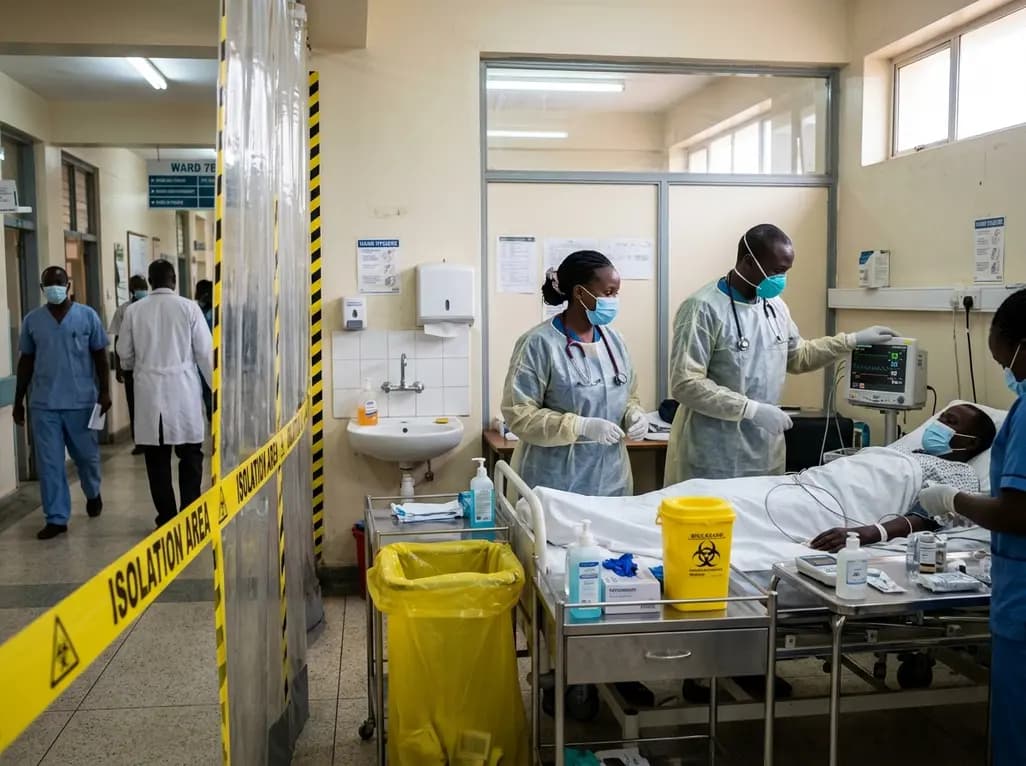
Kenya's confirmation of its eighth Ebola infection highlights the acute risk of secondary transmission in hospital environments. Clinicians must maintain high vigilance, enforce strict infection prevention protocols, and implement rapid triage mechanisms for viral hemorrhagic fevers across healthcare settings.
4 days back
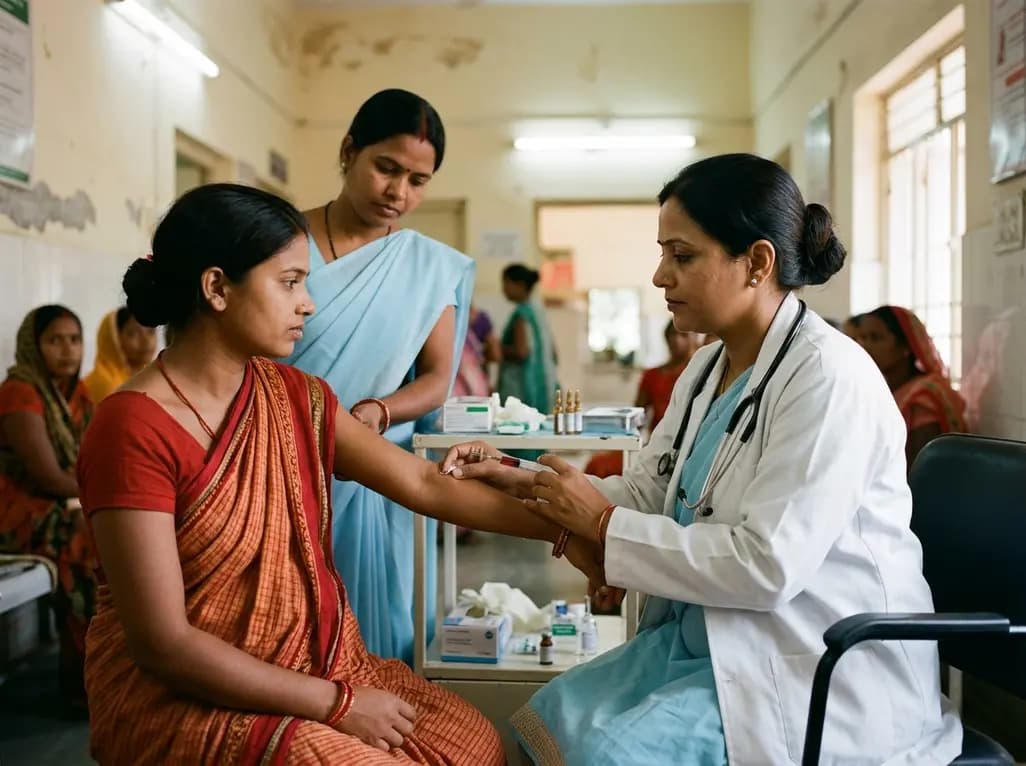
Maternal anaemia contributes to nearly half of pregnancy-related fatalities across India. To prevent complications, Uttar Pradesh has added single-dose parenteral iron to its essential medicines list. This clinical transition aims to restore haemoglobin rapidly and protect high-risk mothers across rural facilities.
Last week

India's food safety authority FSSAI has issued show-cause notices to Gemini Edibles, BigBasket, and Flipkart for unpermitted cardiovascular claims regarding Freedom Rice Bran Oil. This regulatory move highlights the strict enforcement of advertising standards and the clinical necessity of evidence-based lipid care.
6 days back
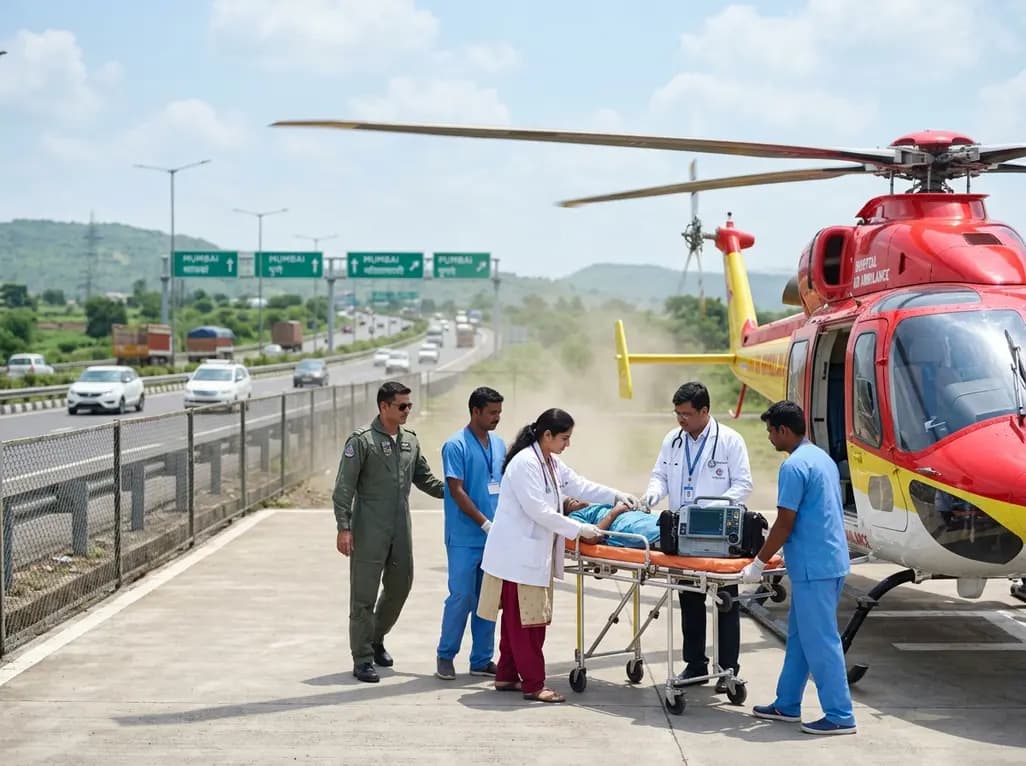
The state government is deploying helicopter emergency medical services across the Mumbai-Pune Expressway, Samruddhi Mahamarg, and Mumbai-Goa Highway. This initiative establishes unified standard operating procedures to enable rapid triage, advanced prehospital resuscitation, and seamless trauma care transfers.
Last week
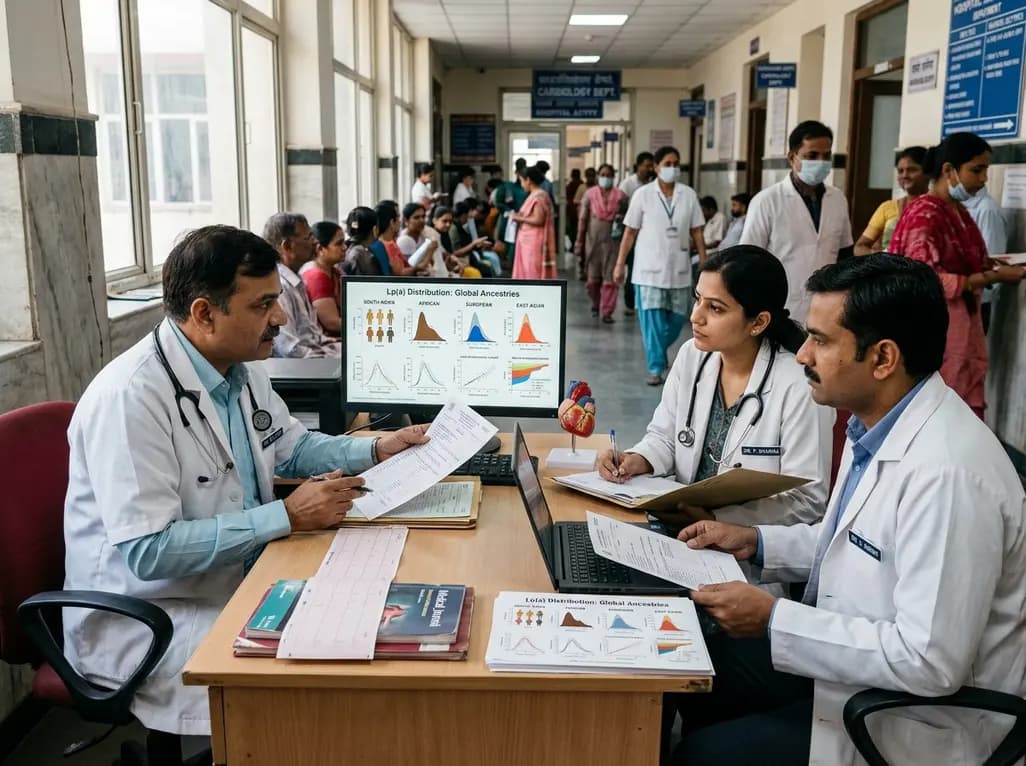
Atherosclerotic cardiovascular disease guidelines often rely on European-derived lipoprotein(a) cutoffs. However, baseline Lp(a) levels vary widely across ancestries, including South Asians and Africans. Clinicians must interpret Lp(a) values within overall absolute cardiovascular risk.
Last week
