.webp&w=384&q=75)

Loading, please wait...
Loading, please wait...
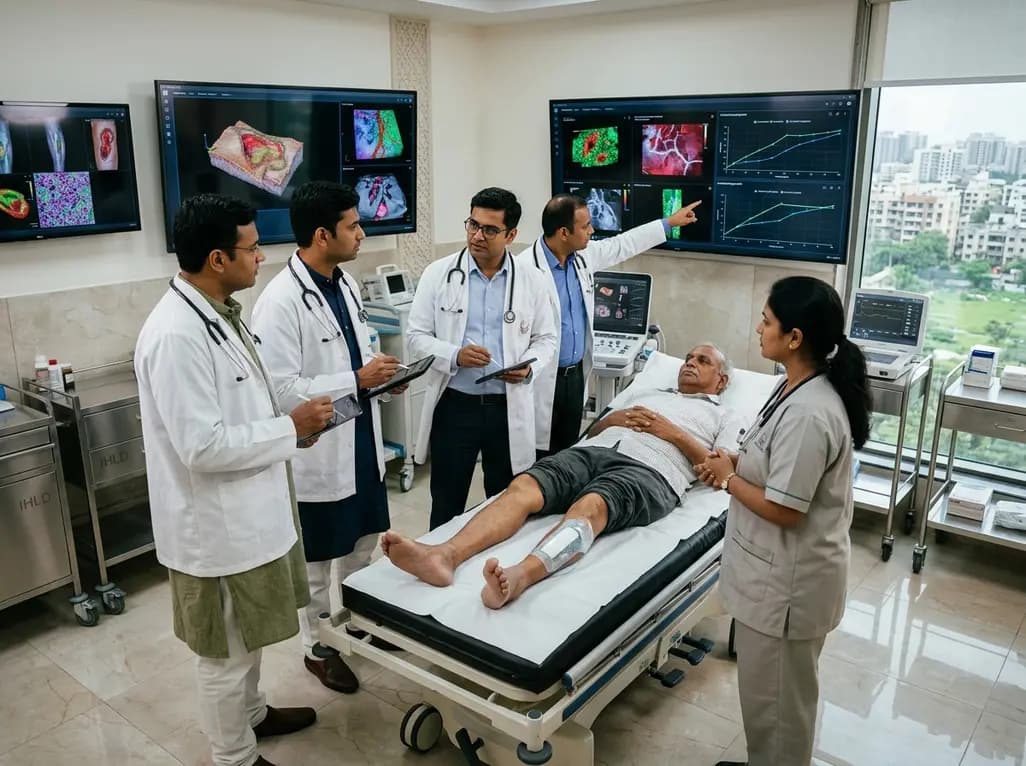
India is facing a rapidly growing metabolic health crisis, which has led to a high prevalence of chronic and non-healing wounds. To address this urgent challenge, IHLD MedTech is launching a nationwide network of hubs focusing on specialised wound care. Consequently, patients suffering from diabetic complications will soon have access to integrated, high-tech clinical services under a single roof.
The new clinical network is operating under the Wound Heal Plus initiative. Initially, Singapore-listed UltraGreen.ai has invested $3 million into IHLD MedTech to fund this expansion. Furthermore, additional funding of up to $12 million may be unlocked upon meeting specific development milestones. This substantial financial backing will expand both Wound Heal Plus and the digital iLiveConnect platform.
Currently, India lacks comprehensive facilities that unify wound diagnosis, treatment, and rehabilitation. Therefore, these new centres of excellence will bridge the existing gaps in chronic wound management. Each facility will offer a multidisciplinary team including vascular surgeons, podiatrists, and physiotherapists to provide comprehensive patient care.
Diabetic complications often lead to severe conditions like neuropathy and peripheral vasculopathy. As a result, millions of diabetic individuals develop non-healing diabetic foot ulcers. If healthcare teams do not treat these ulcers properly, patients face a high risk of lower-limb amputations. Consequently, timely and specialised wound care becomes a critical medical necessity for high-risk individuals.
To optimize treatment decisions, the centres will deploy advanced fluorescence imaging technologies. This system allows doctors to assess tissue perfusion and blood flow within the wound accurately. In addition, the software platform WoundLinks, developed with UltraGreen.ai, will analyze these images to identify areas of poor blood flow.
Hospital discharge does not mark the end of patient care under this model. Instead, patients will transition to remote monitoring via the doctor-led iLiveConnect platform. Specifically, this system integrates wearable biosensors, predictive analytics, and active physician oversight to extend care directly into patients' homes. As a result, clinicians can identify early signs of deterioration and intervene before complications escalate.
Moreover, mobile wound-care clinics will support this hybrid digital ecosystem to reach underserved populations. This strategy ensures that patients in remote areas receive consistent and high-quality follow-up treatments. Ultimately, the company aims to scale this continuity-care model across India and expand internationally to the Middle East, Europe, and North America.
Q1: What are the primary objectives of the newly proposed specialised wound care centres?
The centres aim to offer integrated diagnosis, advanced imaging, treatment, rehabilitation, and long-term digital monitoring for chronic and non-healing wounds under a single roof, filling a major healthcare gap in India.
Q2: How does the iLiveConnect platform support patients after hospital discharge?
The platform uses wearable biosensors, artificial intelligence, and predictive analytics combined with physician oversight to track healing, spot early signs of clinical deterioration, and allow for timely medical interventions at home.
Q3: What technologies will clinicians use to evaluate blood flow within wounds?
Clinicians will employ advanced fluorescence imaging technology. The captured images are then processed through the WoundLinks software platform to help doctors identify poorly perfused tissues and make highly precise clinical decisions.
Disclaimer: This content is for informational and educational purposes only. It does not constitute medical advice or replace professional judgment. Refer to the latest local and national guidelines for clinical practice.
References

Read summarized clinical updates, watch expert medical content, and earn CME certifications right from your smartphone.
Open your smartphone camera to scan and install.





To combat the rising diabetes burden, IHLD MedTech is rolling out specialised wound care centres across India under the Wound Heal Plus initiative. Backed by a $3 million investment from UltraGreen.ai, these centres will integrate advanced imaging, AI-enabled monitoring, and multidisciplinary clinical expertise.
4 months ago
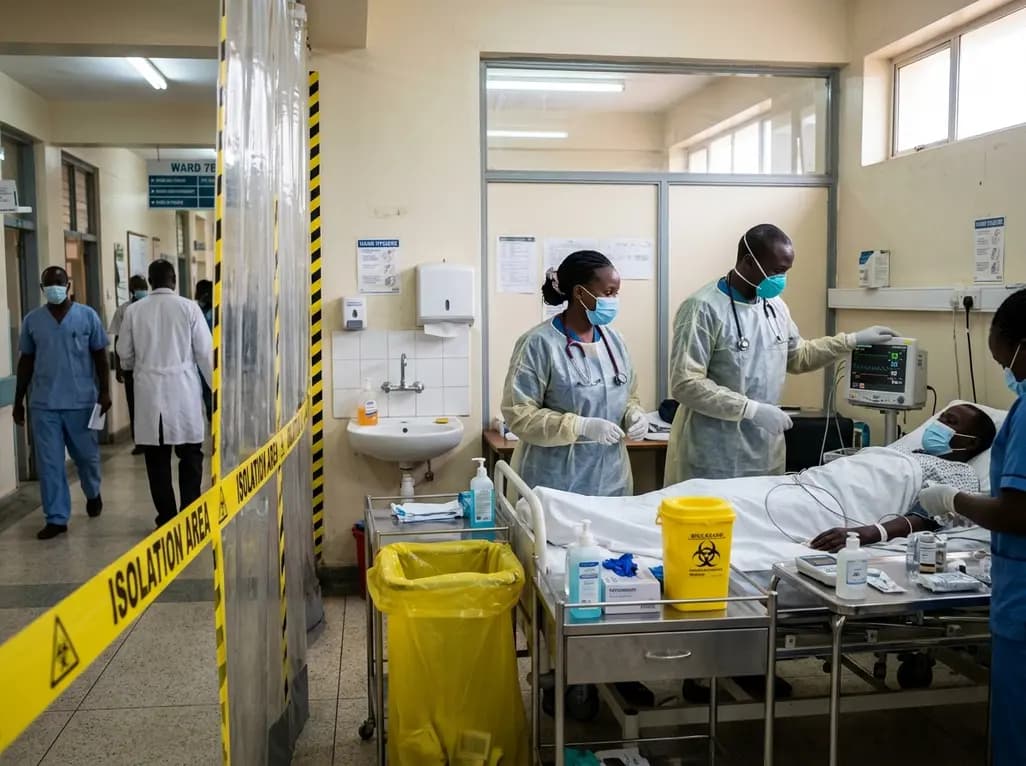
Kenya's confirmation of its eighth Ebola infection highlights the acute risk of secondary transmission in hospital environments. Clinicians must maintain high vigilance, enforce strict infection prevention protocols, and implement rapid triage mechanisms for viral hemorrhagic fevers across healthcare settings.
4 days back
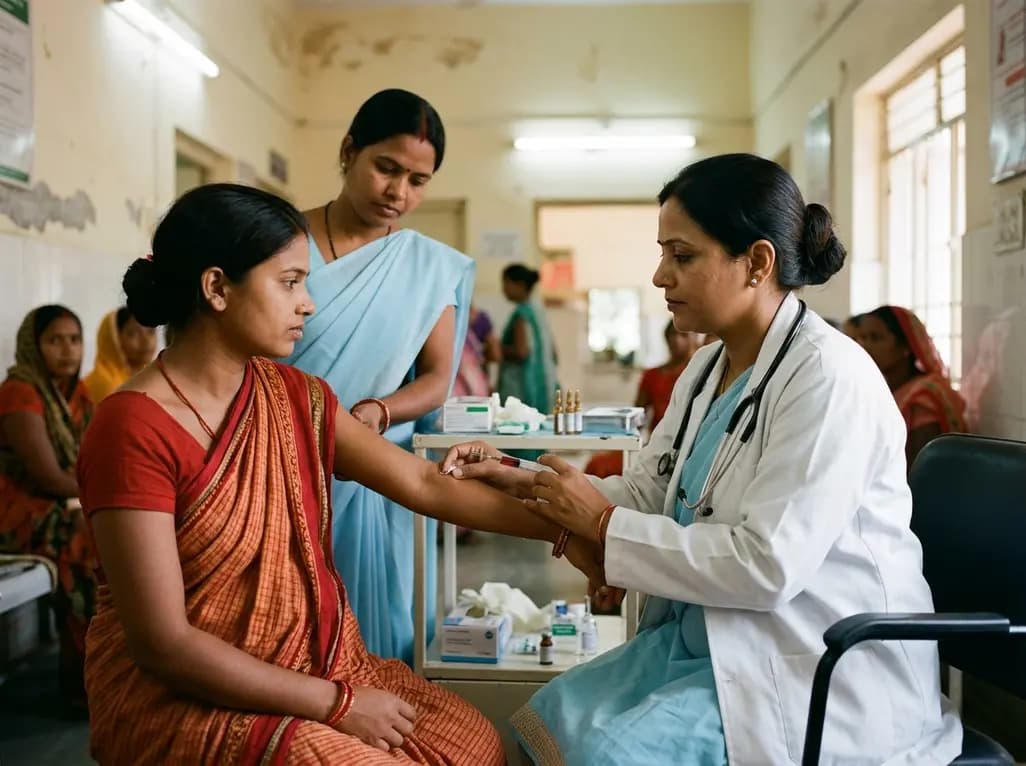
Maternal anaemia contributes to nearly half of pregnancy-related fatalities across India. To prevent complications, Uttar Pradesh has added single-dose parenteral iron to its essential medicines list. This clinical transition aims to restore haemoglobin rapidly and protect high-risk mothers across rural facilities.
Last week
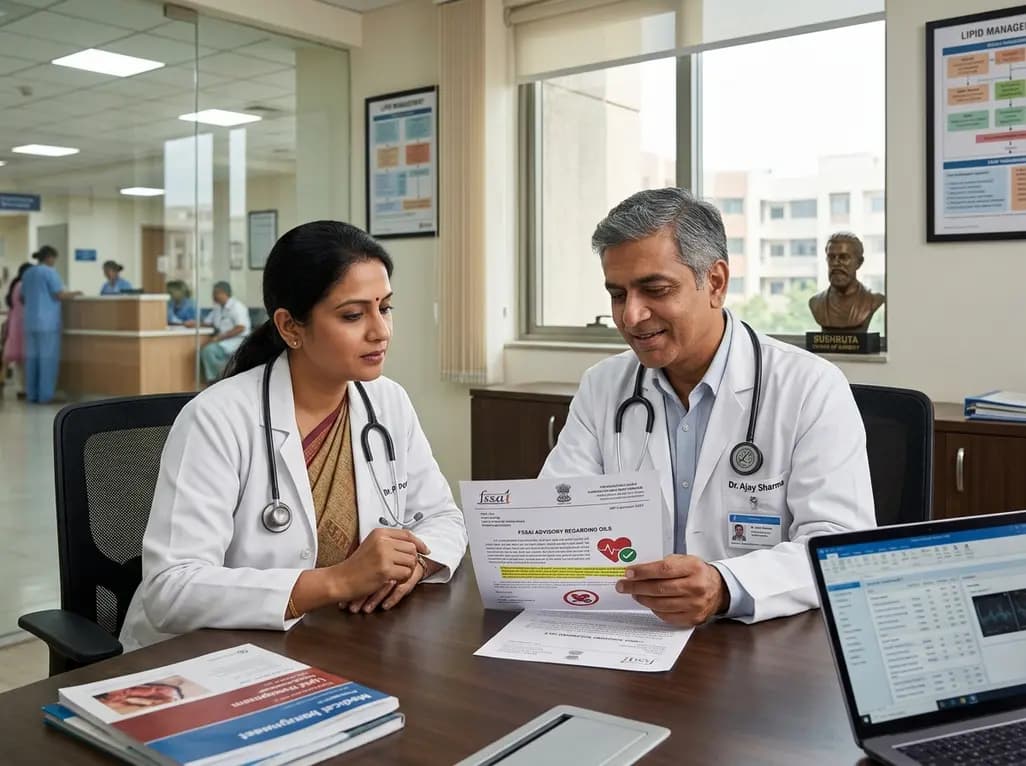
India's food safety authority FSSAI has issued show-cause notices to Gemini Edibles, BigBasket, and Flipkart for unpermitted cardiovascular claims regarding Freedom Rice Bran Oil. This regulatory move highlights the strict enforcement of advertising standards and the clinical necessity of evidence-based lipid care.
6 days back
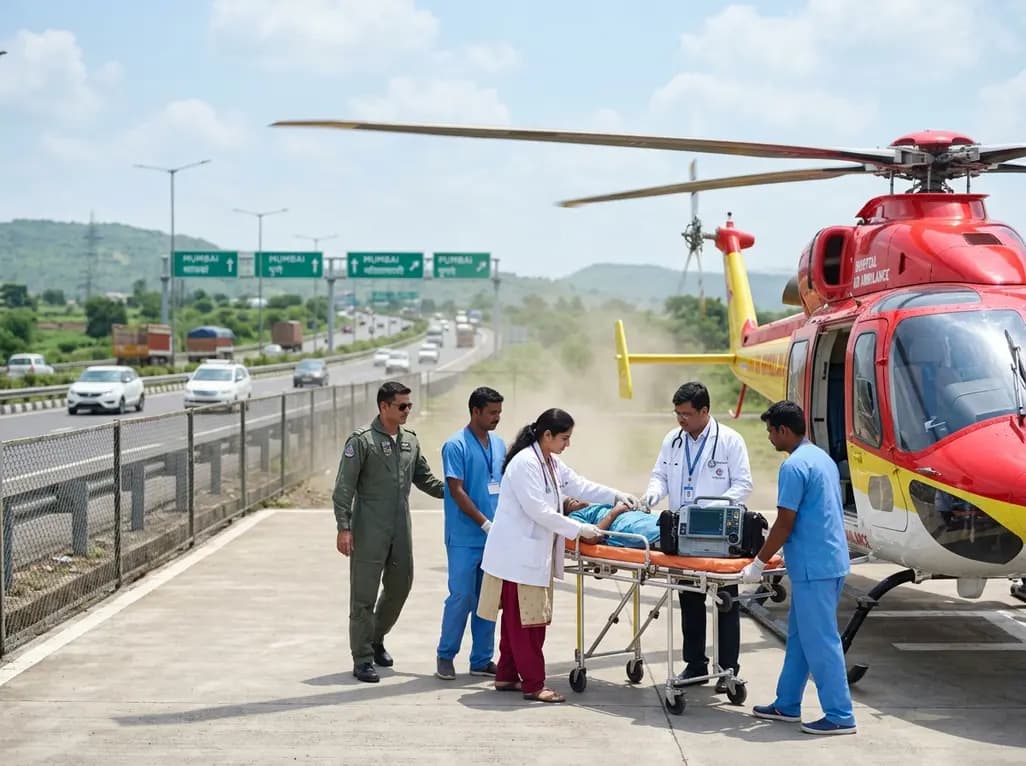
The state government is deploying helicopter emergency medical services across the Mumbai-Pune Expressway, Samruddhi Mahamarg, and Mumbai-Goa Highway. This initiative establishes unified standard operating procedures to enable rapid triage, advanced prehospital resuscitation, and seamless trauma care transfers.
Last week
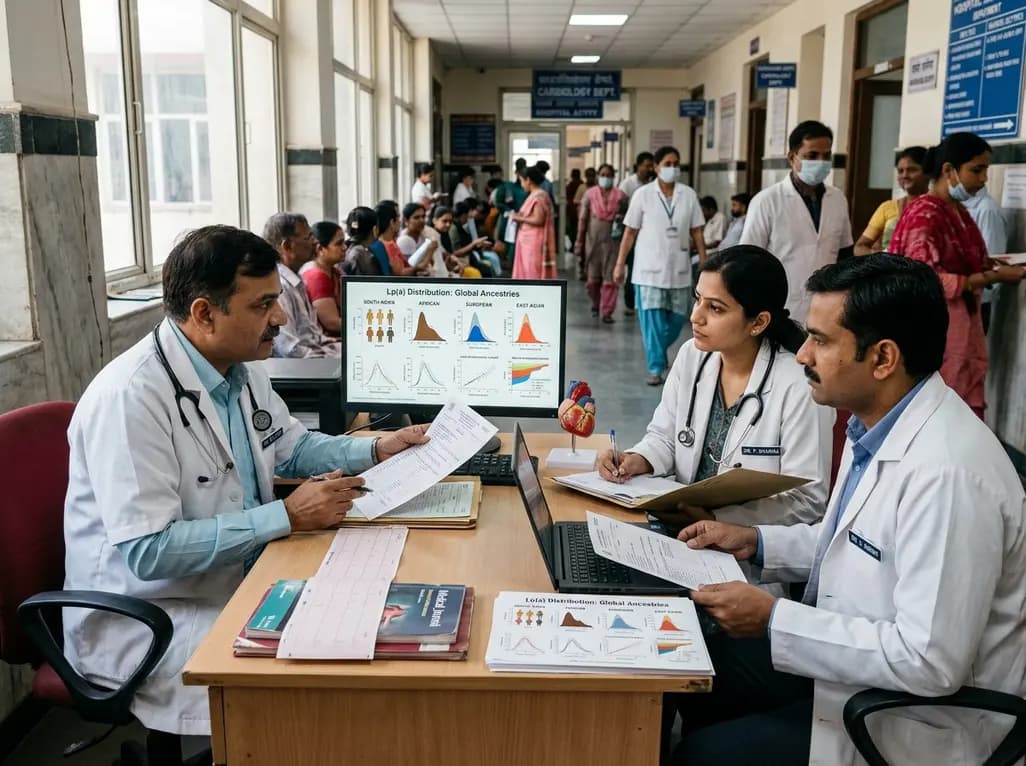
Atherosclerotic cardiovascular disease guidelines often rely on European-derived lipoprotein(a) cutoffs. However, baseline Lp(a) levels vary widely across ancestries, including South Asians and Africans. Clinicians must interpret Lp(a) values within overall absolute cardiovascular risk.
Last week
