.webp&w=384&q=75)

Loading, please wait...
Loading, please wait...
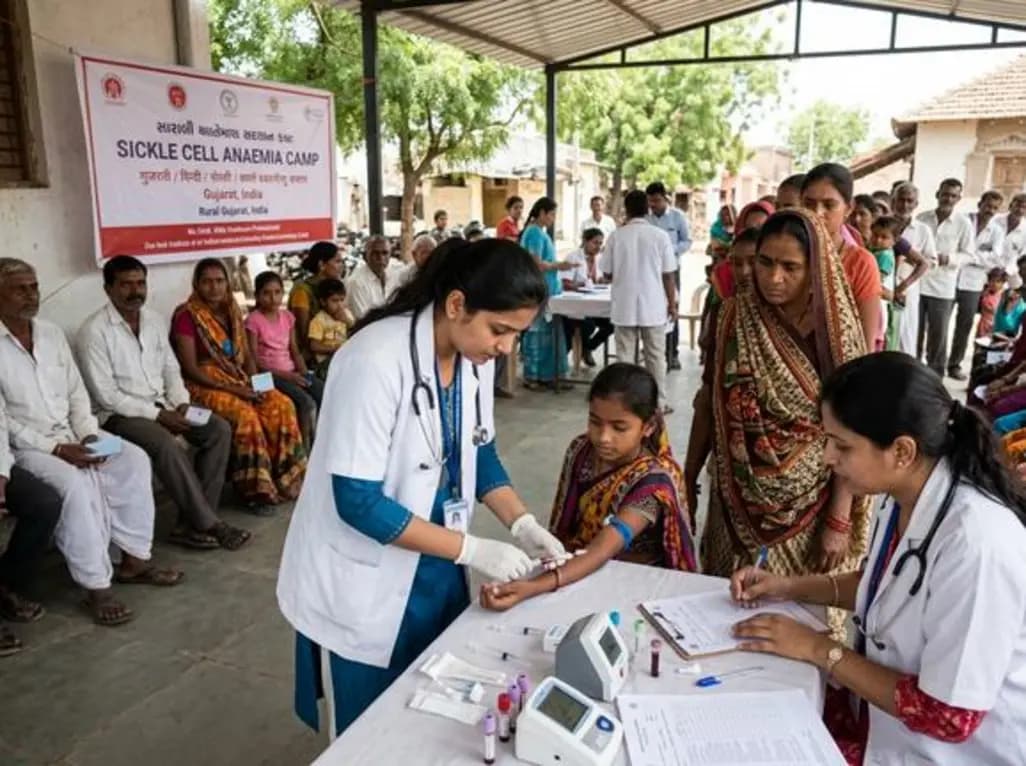
Gujarat has achieved a historic milestone in its fight against genetic blood disorders. Specifically, the state completed over 1.11 crore tests under its dedicated control programme. Consequently, this extensive sickle cell screening campaign has set a new benchmark for public health in India. Furthermore, the initiative represents a massive step toward improving healthcare equity in tribal regions.
Initially, Prime Minister Narendra Modi launched this healthcare initiative in 2006 across 14 tribal districts. Since then, the state's blueprint has served as the backbone for the National Sickle Cell Anaemia Elimination Mission. This nationwide mission aims to eliminate the genetic blood disorder entirely by 2047.
Meanwhile, Gujarat continues to lead this fight by scaling up its grassroots infrastructure. Under the current administration, healthcare workers successfully conducted over 23 lakh screenings in just the last five years.
To ensure early detection, the state has significantly decentralised its diagnostic capabilities. For instance, primary health centres across Gujarat now offer initial screening using DTT tests. Additionally, the government deployed 41 HPLC and Mini Electrophoresis machines across 14 tribal districts.
Moreover, three dedicated day-care centres are currently operational in Valsad, Navsari, and Dang-Rumla to support registered patients. Currently, there are 30,512 patients under active state care. Therefore, these decentralised capabilities enable clinicians to initiate timely interventions.
Besides diagnostics, Gujarat offers strong financial relief to affected individuals. Specifically, the state has disbursed ₹18.15 crore to 13,040 patients through its Patient Assistance Scheme. Furthermore, the government recently increased the monthly lifelong stipend fivefold, raising it from ₹500 to ₹2,500.
To prevent intergenerational transmission, the state also deployed 180 dedicated counsellors at primary health centres. These professionals actively encourage youth to determine their carrier status before marriage. Consequently, health officials describe this vital test as a medical horoscope for ensuring long-term family health. Similarly, Gujarat is establishing a specialised Centre of Competence at the Surat Civil Hospital to advance research.
Q1: What is the focus of the Sickle Cell Anaemia Control Programme in Gujarat?
The programme focuses on early detection, diagnostic mapping, and financial support for tribal populations. Because of this, the state offers free screening and lifelong stipends to registered patients.
Q2: Why do health officials emphasise pre-marital sickle cell screening?
Screening helps couples identify their carrier status before marriage. Consequently, this step prevents the transmission of this genetic blood disorder to future generations.
Q3: What diagnostic infrastructure does Gujarat use for sickle cell screening?
Primary health centres perform initial DTT tests. Meanwhile, advanced laboratories utilise HPLC and Mini Electrophoresis machines to confirm diagnoses in high-prevalence districts.
Disclaimer: This content is for informational and educational purposes only. It does not constitute medical advice or replace professional judgment. Refer to the latest local and national guidelines for clinical practice.
References

Read summarized clinical updates, watch expert medical content, and earn CME certifications right from your smartphone.
Open your smartphone camera to scan and install.





Ahead of World Sickle Cell Day, Gujarat reached a historic milestone by screening over 1.11 crore people under its Sickle Cell Anaemia Control Programme. The state's grassroots approach, launched in 2006, now serves as the blueprint for India's national mission to eliminate this genetic disorder by 2047.
4 months ago
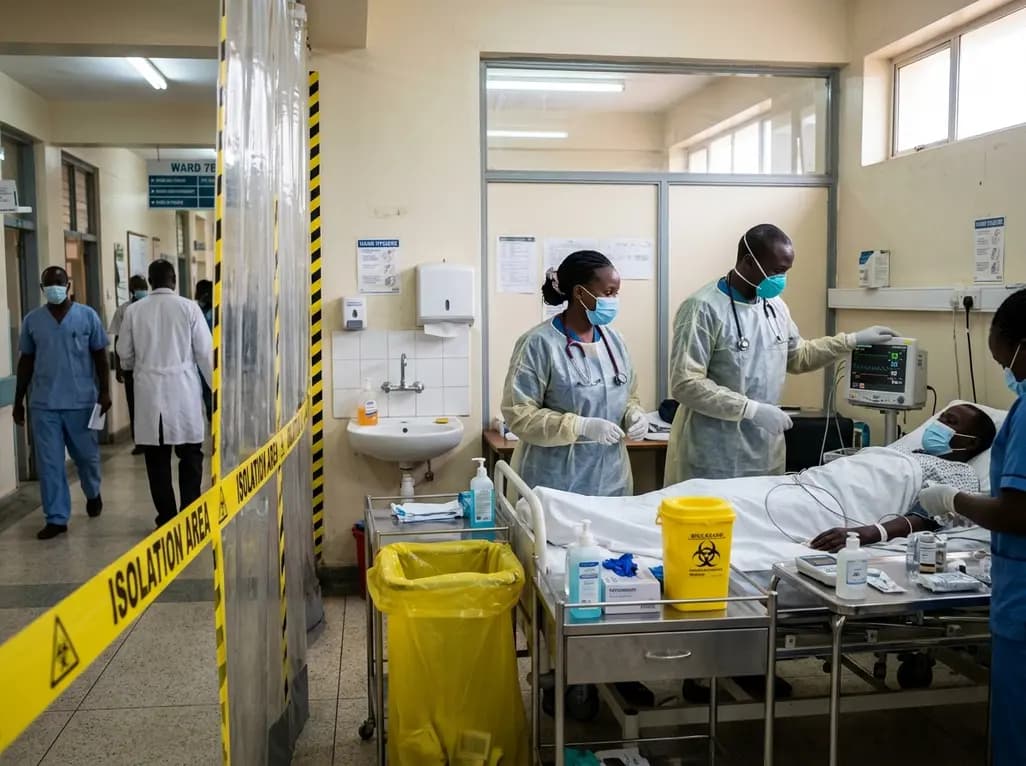
Kenya's confirmation of its eighth Ebola infection highlights the acute risk of secondary transmission in hospital environments. Clinicians must maintain high vigilance, enforce strict infection prevention protocols, and implement rapid triage mechanisms for viral hemorrhagic fevers across healthcare settings.
3 days back
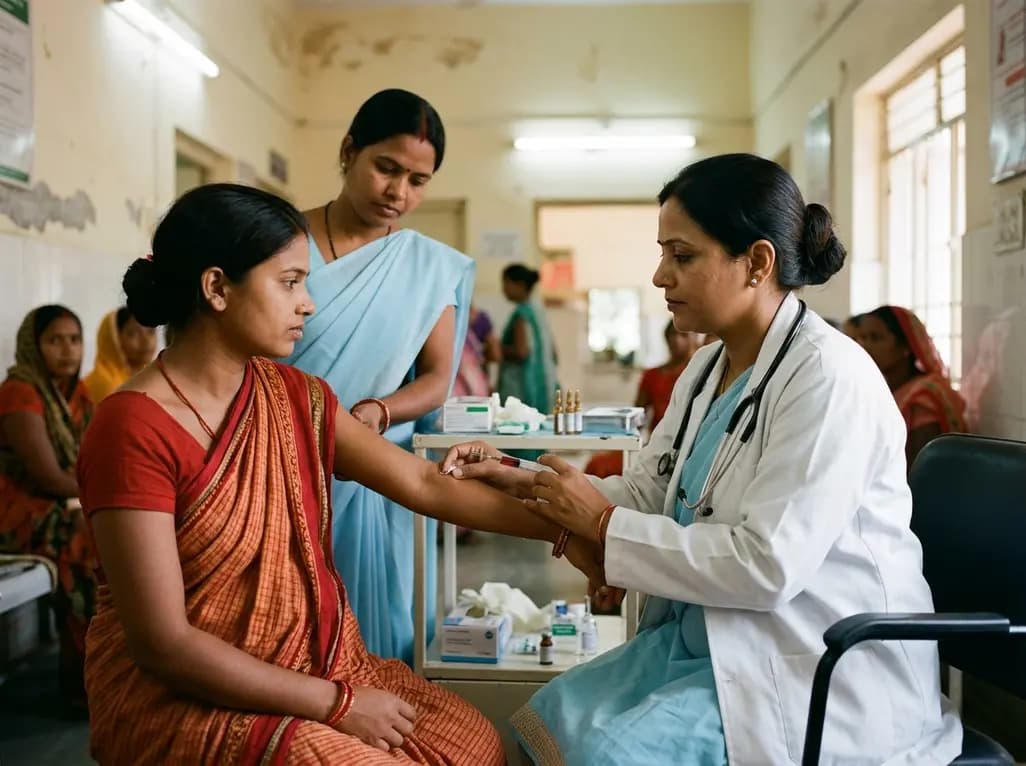
Maternal anaemia contributes to nearly half of pregnancy-related fatalities across India. To prevent complications, Uttar Pradesh has added single-dose parenteral iron to its essential medicines list. This clinical transition aims to restore haemoglobin rapidly and protect high-risk mothers across rural facilities.
Last week
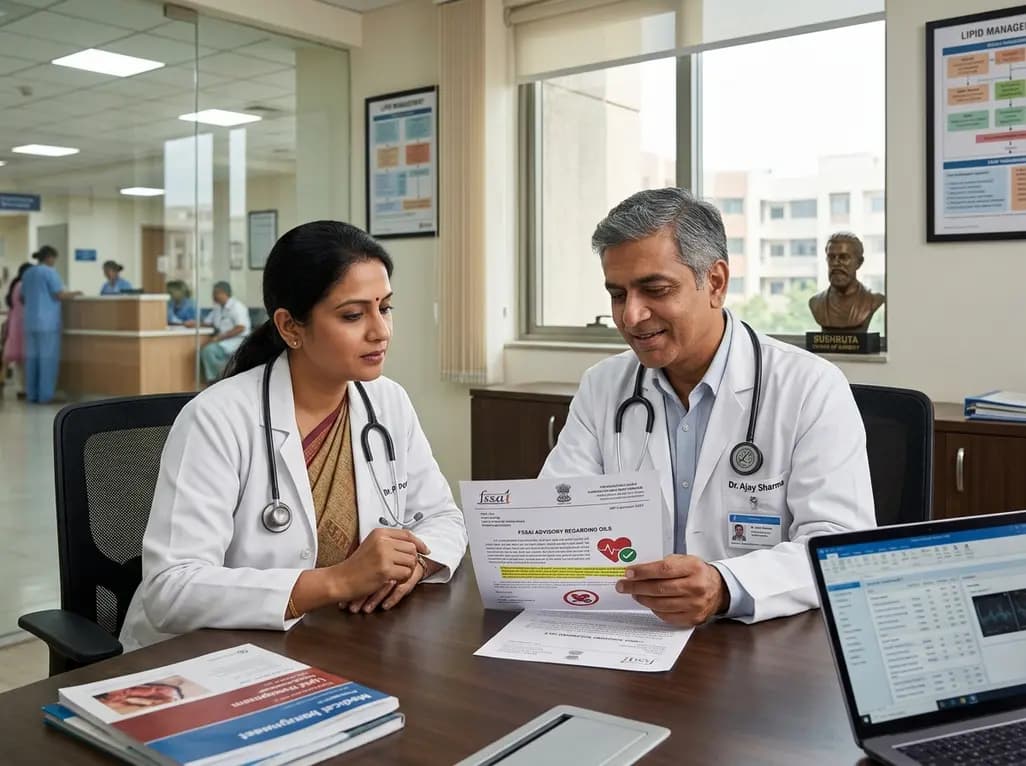
India's food safety authority FSSAI has issued show-cause notices to Gemini Edibles, BigBasket, and Flipkart for unpermitted cardiovascular claims regarding Freedom Rice Bran Oil. This regulatory move highlights the strict enforcement of advertising standards and the clinical necessity of evidence-based lipid care.
5 days back
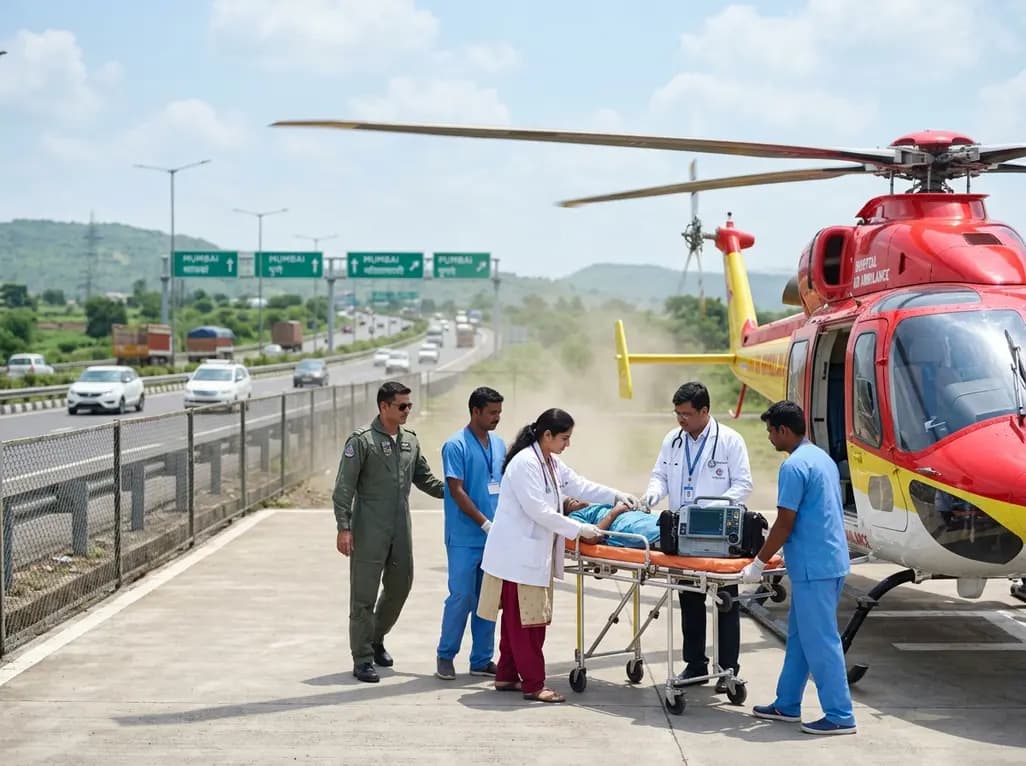
The state government is deploying helicopter emergency medical services across the Mumbai-Pune Expressway, Samruddhi Mahamarg, and Mumbai-Goa Highway. This initiative establishes unified standard operating procedures to enable rapid triage, advanced prehospital resuscitation, and seamless trauma care transfers.
Last week
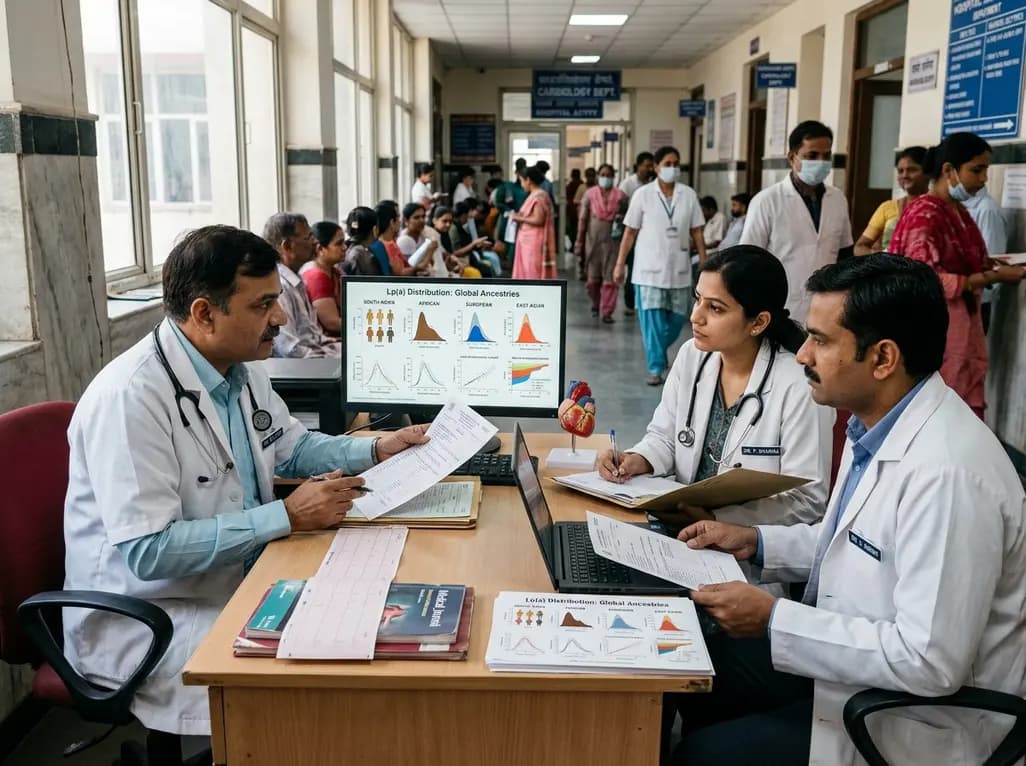
Atherosclerotic cardiovascular disease guidelines often rely on European-derived lipoprotein(a) cutoffs. However, baseline Lp(a) levels vary widely across ancestries, including South Asians and Africans. Clinicians must interpret Lp(a) values within overall absolute cardiovascular risk.
Last week
