.webp&w=384&q=75)

Loading, please wait...
Loading, please wait...
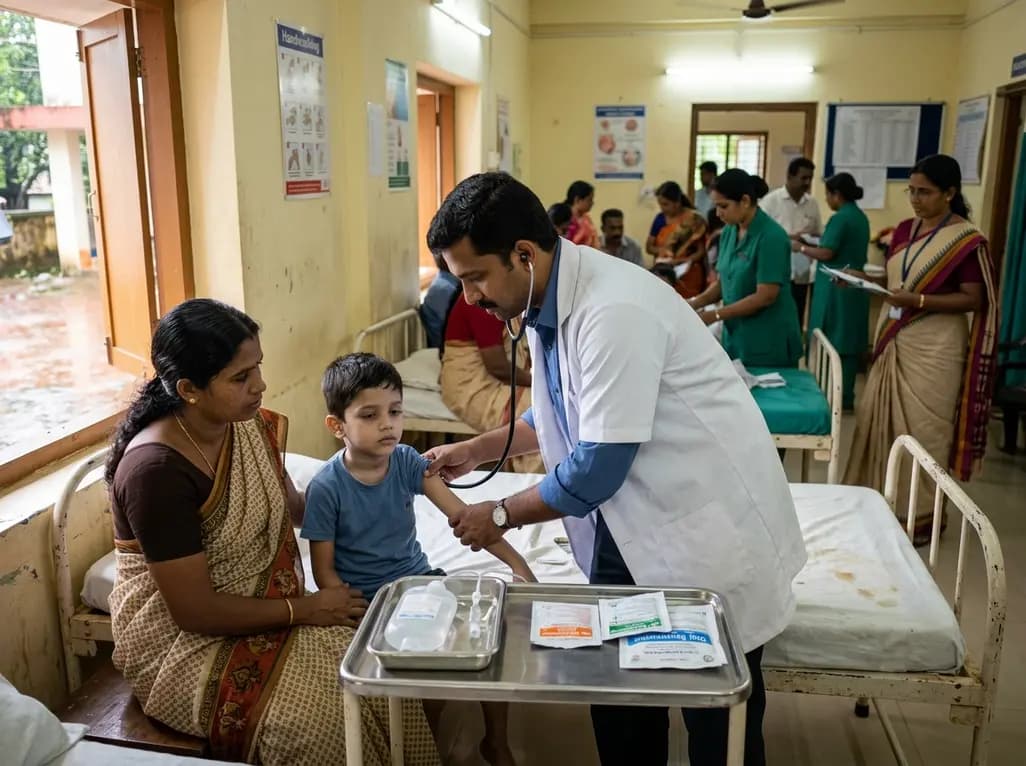
The recent Shigella outbreak in Wayanad, Kerala, has prompted health authorities to intensify surveillance and containment measures across the region. While officials reported no new confirmed cases on Saturday, they admitted ten more suspected cases to the hospital. Consequently, the total number of patients undergoing treatment has reached 23, while 538 people in the district have exhibited symptoms so far.
District Medical Officer Dr. K. T. Rekha reported that the health of all 16 laboratory-confirmed pediatric patients remains stable. However, hospitals admitted ten new patients on Saturday, while seven patients recovered and returned home. Additionally, health workers have implemented aggressive field-level disease control activities to curb the spread of the infection. For instance, teams visited 3,095 homes, chlorinated 1,766 wells, and distributed 1,225 oral rehydration solution (ORS) packets.
Shigellosis is a highly contagious intestinal disease resulting from the Shigella group of bacteria. Typically, the infection manifests as acute watery or bloody diarrhea, high-grade fever, and painful abdominal cramps. Because the bacteria can easily spread through contaminated food or water, maintaining strict hygiene is crucial. Furthermore, direct contact with infected individuals can propagate the illness, particularly in crowded settings like schools. Therefore, clinicians must emphasize hand hygiene and water sanitation to prevent secondary transmission.
Q1: What are the primary symptoms of a Shigella infection?
Shigellosis typically presents with severe diarrhoea, high fever, fatigue, and painful abdominal cramps.
Q2: How does Shigella spread, and how can it be prevented?
The bacteria spread primarily through contaminated food and water, or via direct contact with an infected individual. Prevention requires maintaining strict personal hygiene, drinking clean or chlorinated water, and thoroughly cooking food.
Q3: What public health interventions were executed in Wayanad to curb the outbreak?
To contain the outbreak, health workers visited over 3,000 houses, chlorinated more than 1,700 wells, and distributed oral rehydration solution (ORS) packets.
Disclaimer: This content is for informational and educational purposes only. It does not constitute medical advice or replace professional judgment. Refer to the latest local and national guidelines for clinical practice.
References

Read summarized clinical updates, watch expert medical content, and earn CME certifications right from your smartphone.
Open your smartphone camera to scan and install.





As health authorities in Wayanad, Kerala, work to control a sudden Shigella outbreak, we analyze the current caseload, public health interventions, and clinical features. Clinicians must stay informed about symptoms, transmission routes, and preventative strategies to manage and prevent further spread.
4 months ago
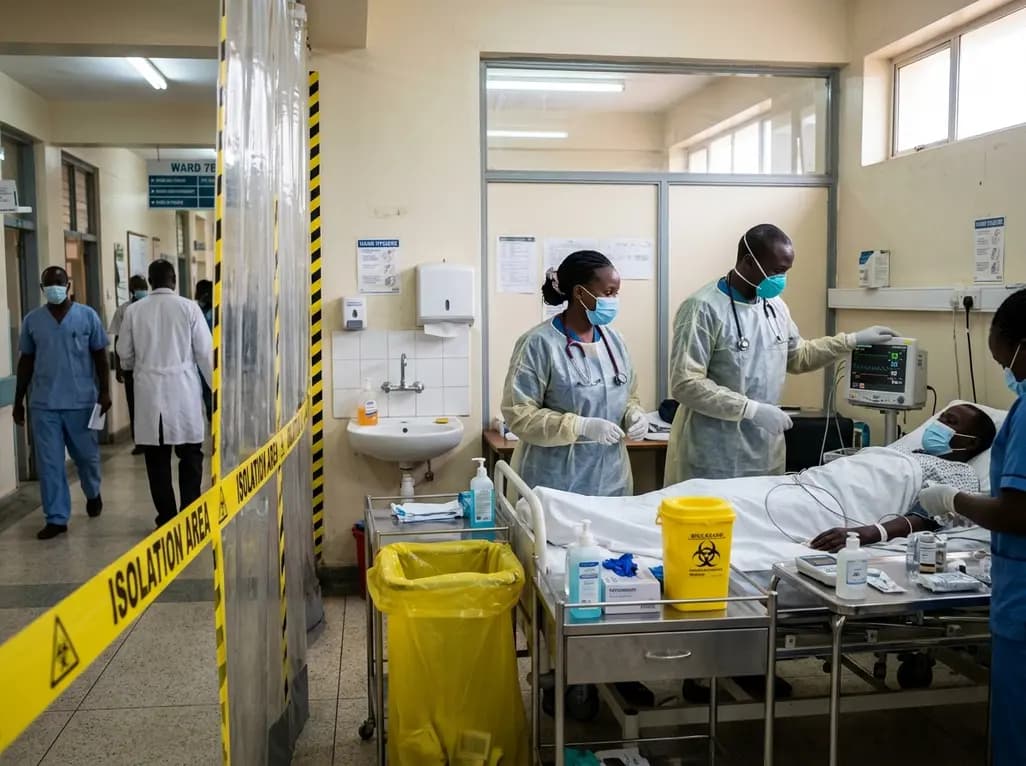
Kenya's confirmation of its eighth Ebola infection highlights the acute risk of secondary transmission in hospital environments. Clinicians must maintain high vigilance, enforce strict infection prevention protocols, and implement rapid triage mechanisms for viral hemorrhagic fevers across healthcare settings.
5 days back
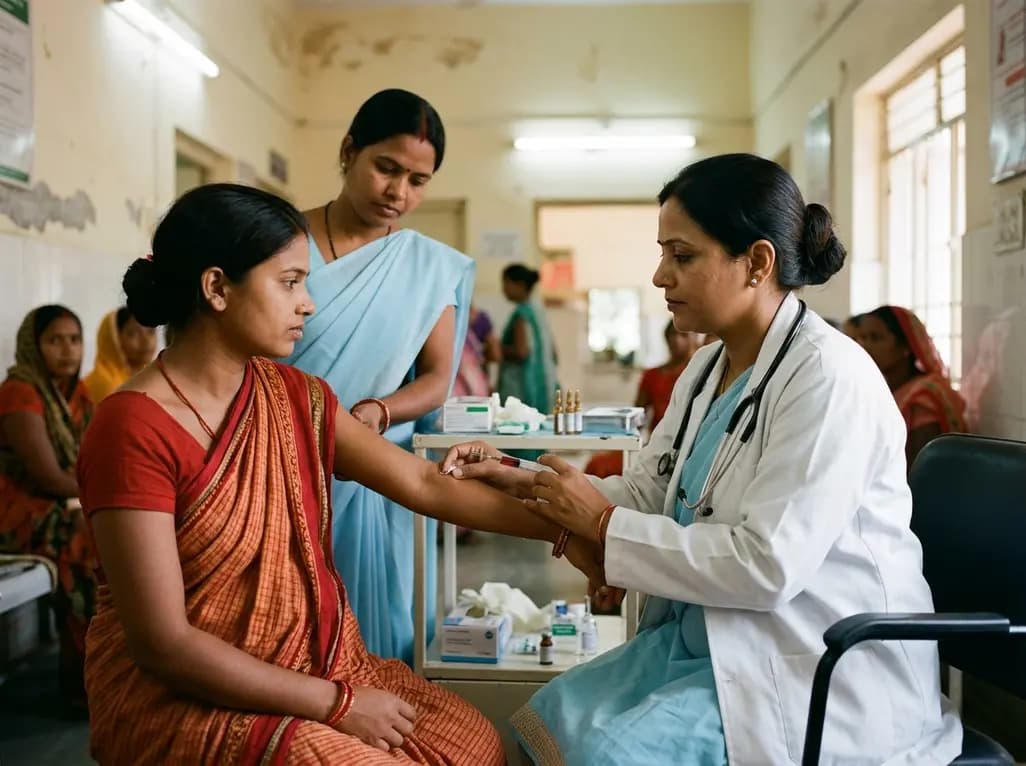
Maternal anaemia contributes to nearly half of pregnancy-related fatalities across India. To prevent complications, Uttar Pradesh has added single-dose parenteral iron to its essential medicines list. This clinical transition aims to restore haemoglobin rapidly and protect high-risk mothers across rural facilities.
2 weeks back
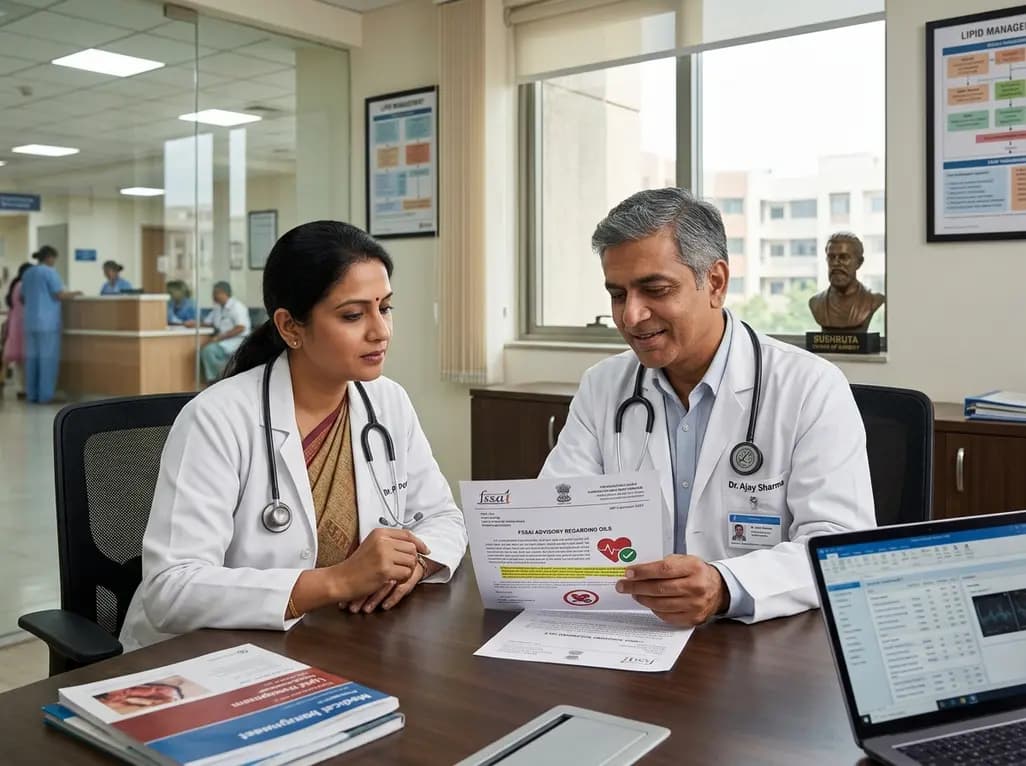
India's food safety authority FSSAI has issued show-cause notices to Gemini Edibles, BigBasket, and Flipkart for unpermitted cardiovascular claims regarding Freedom Rice Bran Oil. This regulatory move highlights the strict enforcement of advertising standards and the clinical necessity of evidence-based lipid care.
Last week
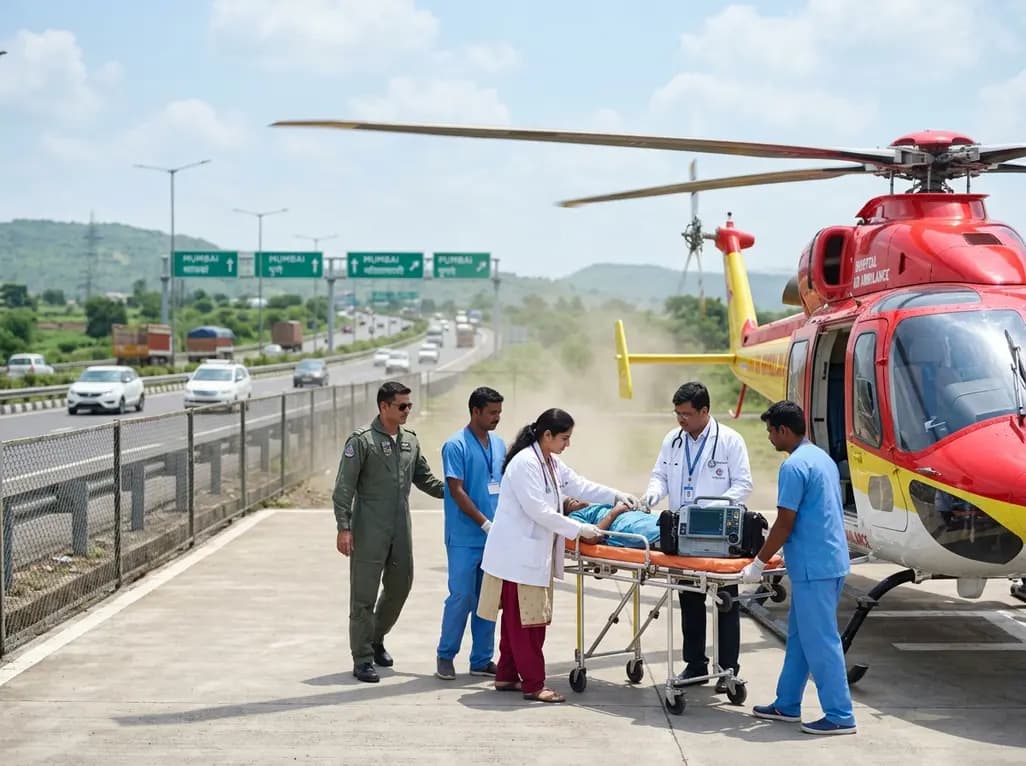
The state government is deploying helicopter emergency medical services across the Mumbai-Pune Expressway, Samruddhi Mahamarg, and Mumbai-Goa Highway. This initiative establishes unified standard operating procedures to enable rapid triage, advanced prehospital resuscitation, and seamless trauma care transfers.
Last week
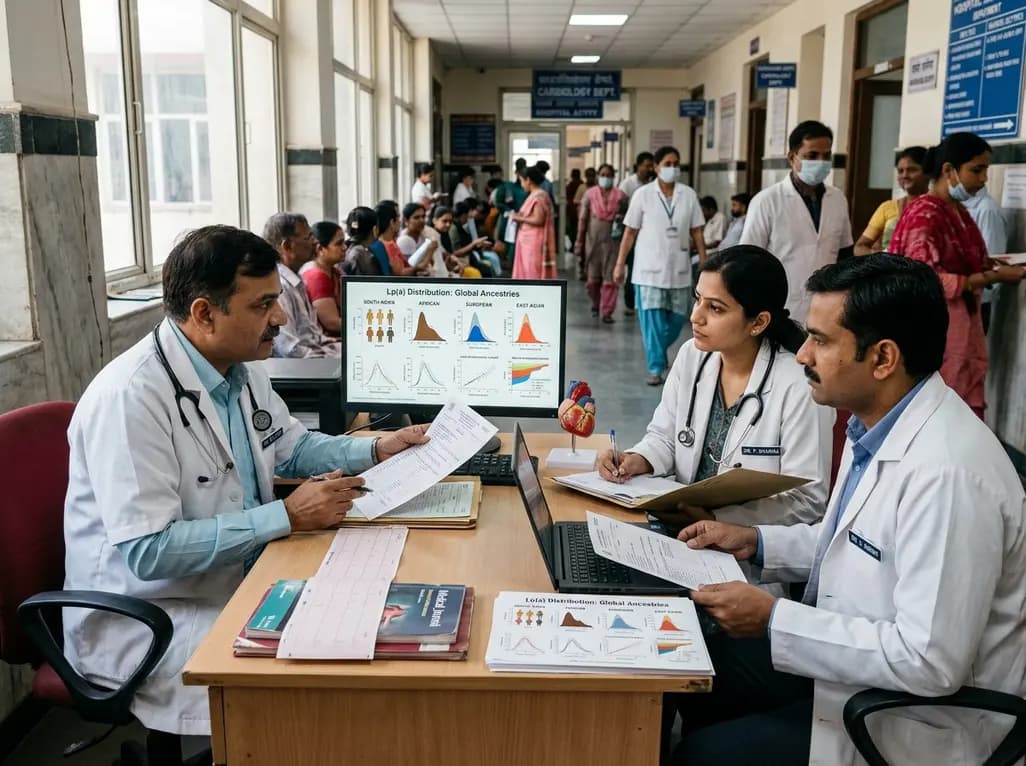
Atherosclerotic cardiovascular disease guidelines often rely on European-derived lipoprotein(a) cutoffs. However, baseline Lp(a) levels vary widely across ancestries, including South Asians and Africans. Clinicians must interpret Lp(a) values within overall absolute cardiovascular risk.
Last week
