.webp&w=384&q=75)

Loading, please wait...
Loading, please wait...
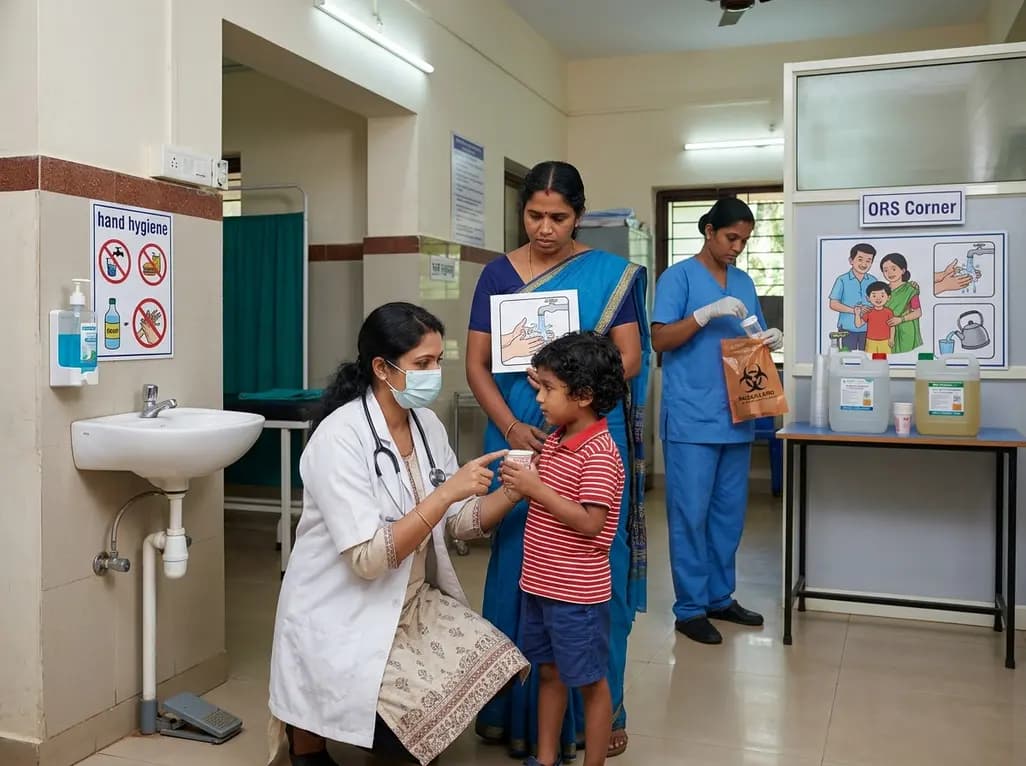
Health authorities in Wayanad, Kerala, are closely monitoring public health measures following a major regional outbreak of Shigellosis. Additionally, clinical guidelines emphasize that prompt Shigella outbreak management is essential to prevent rapid transmission in local communities. While local officials reported no new positive cases on Saturday, they confirmed that 23 symptomatic patients remain hospitalized. Consequently, healthcare workers are distributing oral rehydration solutions and chlorinating public wells across affected areas.
Shigellosis spreads primarily via the fecal-oral route through contaminated food or drinking water. Furthermore, person-to-person contact drives secondary spread, particularly among young school-aged children. Consequently, clinicians must identify key symptoms early. Patients typically present with a sudden high fever, acute watery diarrhea, and severe abdominal cramps. Additionally, the infection causes tenesmus and stools containing blood or mucus as the bacteria invade the intestinal mucosa. However, severe dehydration remains the most critical immediate complication. Therefore, medical professionals must aggressively assess hydration status during the initial clinical examination.
Effective Shigella outbreak management relies heavily on supportive care. Specifically, providers should prioritize immediate fluid replacement using oral rehydration therapy (ORS) for mild cases. However, severe cases with high fever or signs of toxic megacolon require immediate hospitalization. In these instances, clinicians should administer intravenous fluids and maintain strict electrolyte monitoring. Additionally, medical officers must restrict antibiotic use to severe or high-risk cases due to rising multidrug resistance in India. Therefore, laboratory testing and local antibiograms should guide antibiotic selection wherever possible. Meanwhile, public health teams must chlorinate well water and educate families on hand hygiene to control the outbreak effectively.
Q1: What are the primary symptoms of a Shigella infection?
Symptoms include high fever, severe abdominal cramps, vomiting, and diarrhea containing blood or mucus. Therefore, clinicians must closely monitor pediatric patients for signs of severe dehydration.
Q2: How does Shigella spread within communities?
The bacteria spread primarily through water or food contaminated with infected feces. Additionally, close person-to-person contact in schools or households facilitates rapid secondary transmission.
Q3: When should antibiotics be used in Shigella outbreak management?
Antibiotics should be reserved for severe cases, immunocompromised patients, or young children. However, doctors must guide therapy based on local susceptibility patterns because of widespread drug resistance.
Disclaimer: This content is for informational and educational purposes only. It does not constitute medical advice or replace professional judgment. Refer to the latest local and national guidelines for clinical practice.
References

Read summarized clinical updates, watch expert medical content, and earn CME certifications right from your smartphone.
Open your smartphone camera to scan and install.





As Kerala battles a highly contagious Shigella outbreak, health officials in Wayanad report stabilizing cases but emphasize strict vigilance. Learn key clinical presentation protocols, diagnostic criteria, and supportive care guidelines crucial for preventing secondary transmission in communities.
4 months ago
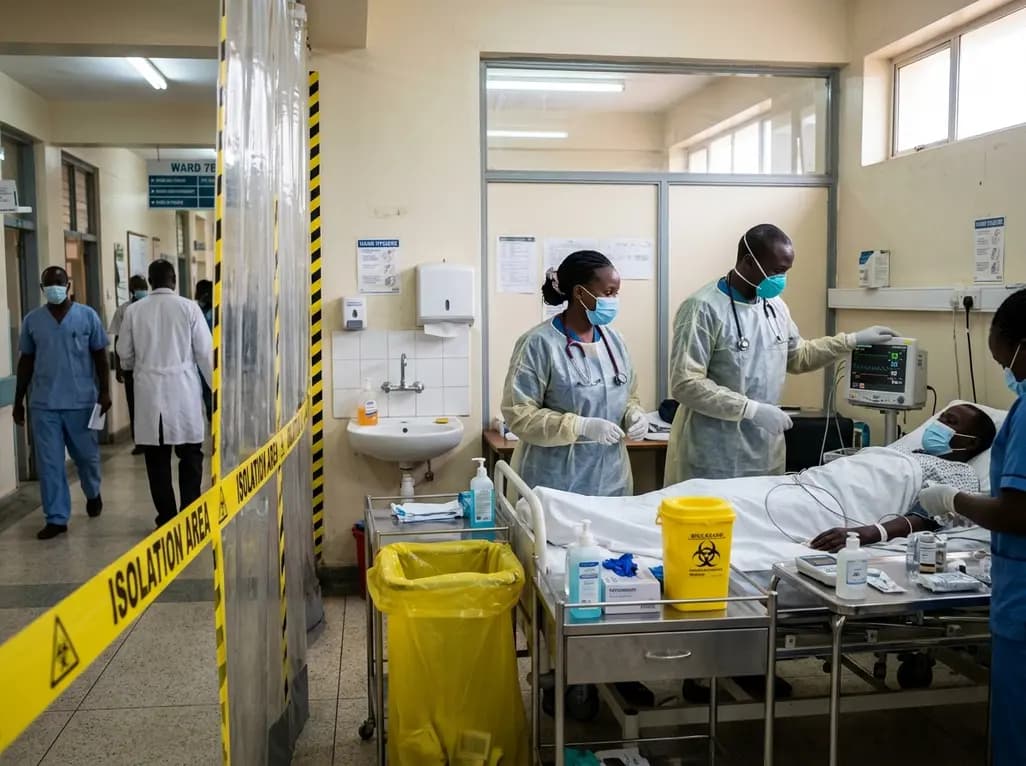
Kenya's confirmation of its eighth Ebola infection highlights the acute risk of secondary transmission in hospital environments. Clinicians must maintain high vigilance, enforce strict infection prevention protocols, and implement rapid triage mechanisms for viral hemorrhagic fevers across healthcare settings.
4 days back
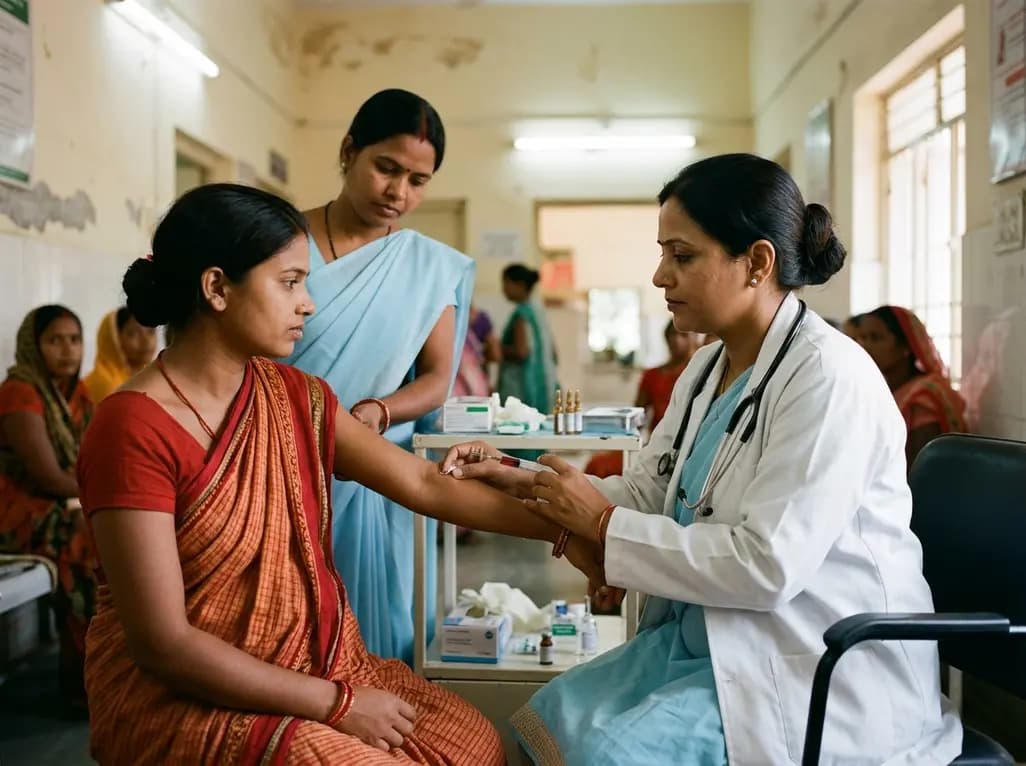
Maternal anaemia contributes to nearly half of pregnancy-related fatalities across India. To prevent complications, Uttar Pradesh has added single-dose parenteral iron to its essential medicines list. This clinical transition aims to restore haemoglobin rapidly and protect high-risk mothers across rural facilities.
Last week

India's food safety authority FSSAI has issued show-cause notices to Gemini Edibles, BigBasket, and Flipkart for unpermitted cardiovascular claims regarding Freedom Rice Bran Oil. This regulatory move highlights the strict enforcement of advertising standards and the clinical necessity of evidence-based lipid care.
6 days back
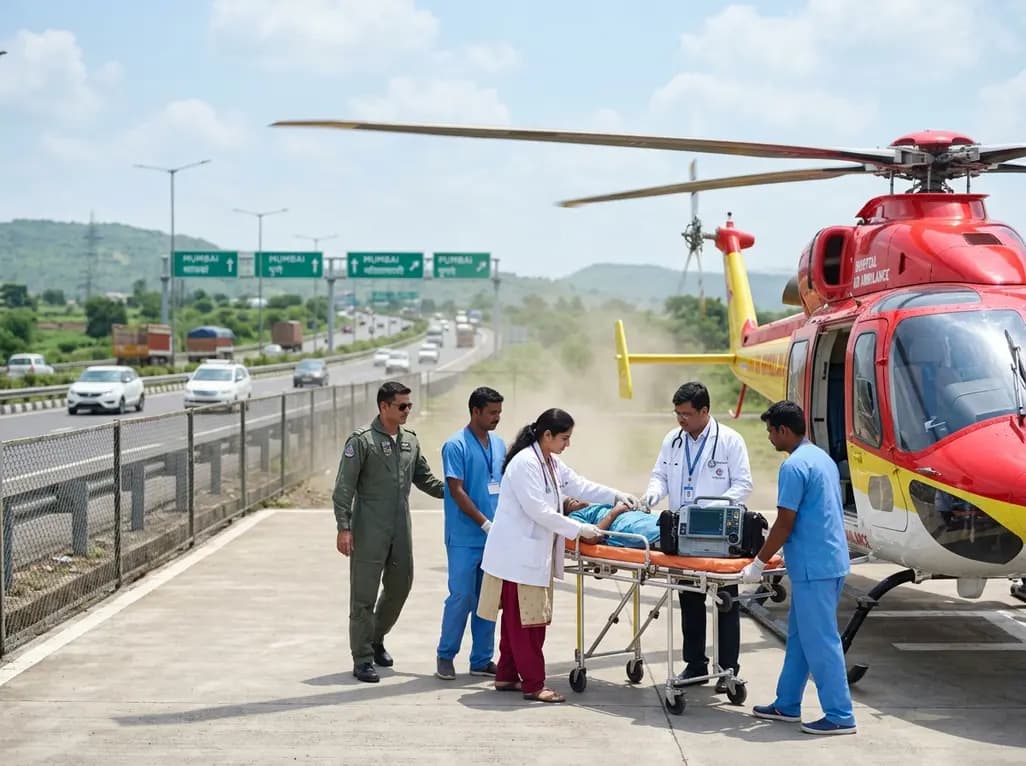
The state government is deploying helicopter emergency medical services across the Mumbai-Pune Expressway, Samruddhi Mahamarg, and Mumbai-Goa Highway. This initiative establishes unified standard operating procedures to enable rapid triage, advanced prehospital resuscitation, and seamless trauma care transfers.
Last week
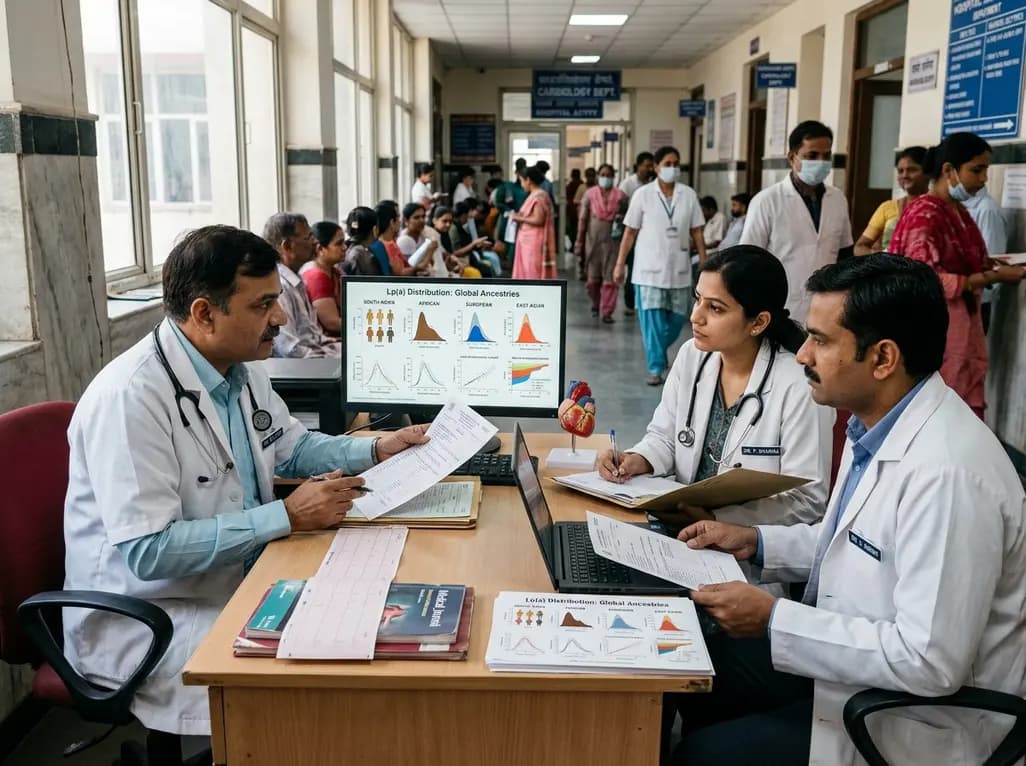
Atherosclerotic cardiovascular disease guidelines often rely on European-derived lipoprotein(a) cutoffs. However, baseline Lp(a) levels vary widely across ancestries, including South Asians and Africans. Clinicians must interpret Lp(a) values within overall absolute cardiovascular risk.
Last week
