.webp&w=384&q=75)

Loading, please wait...
Loading, please wait...
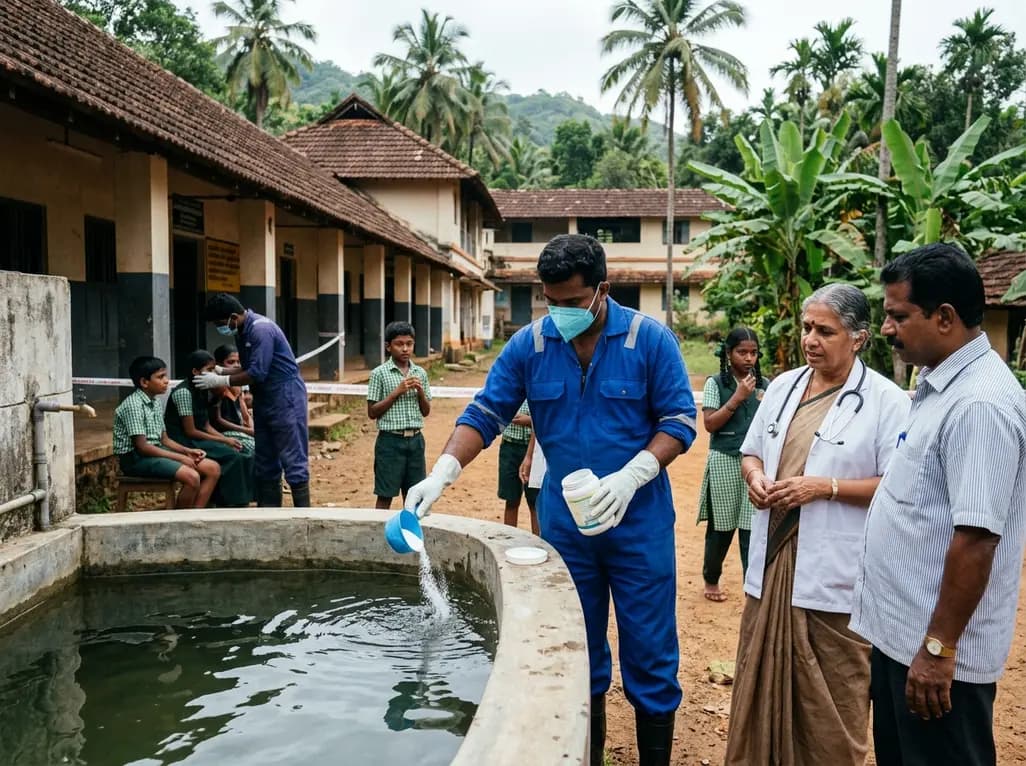
Health authorities in India are closely monitoring a major public health concern. Recently, a highly contagious Shigella outbreak in Kerala has triggered health alerts across several districts. Specifically, officials in Wayanad confirmed another Shigella infection at a Wayanad school, bringing the local confirmed tally to nine. Consequently, the District Medical Officer (DMO) launched a mass screening and treatment protocol to contain the spread. Although only 14 samples underwent testing, officials are treating hundreds of other symptomatic individuals as epidemiologically linked cases.
The scale of this public health challenge is expanding rapidly. Indeed, over 500 students at the school have exhibited primary symptoms like diarrhoea, fever, and stomach cramps. In addition, 38 more students and 27 adult contacts have developed similar symptoms of the bacterial infection. Therefore, healthcare facilities in Wayanad are on high alert. Currently, 45 patients are receiving specialized care in government and private hospitals. Fortunately, all hospitalized patients remain stable. However, the high infectivity rate of Shigella requires strict epidemiological vigilance and immediate medical attention.
To control transmission, local authorities have initiated immediate sanitation measures. Firstly, the district administration declared school holidays in the affected and adjoining areas until June 14. Secondly, the health department is carrying out a special chlorination drive to disinfect local drinking water sources. Meanwhile, health workers are conducting intensive awareness campaigns. They emphasize hand hygiene and clean food preparation. Furthermore, clinicians must advise symptomatic patients to seek immediate care at the nearest facility to prevent secondary transmission.
Q1: What are the primary symptoms of a Shigella infection?
Shigella infection typically causes watery or bloody diarrhoea, high fever, stomach cramps, and nausea.
Q2: How does Shigella spread within a community?
The bacteria spread through contaminated water or food, poor hand hygiene, and close contact with infected individuals.
Q3: What public health measures help control a Shigella outbreak?
Effective control measures include chlorinating drinking water sources, enforcing strict personal hygiene, and isolating symptomatic patients.
Disclaimer: This content is for informational and educational purposes only. It does not constitute medical advice or replace professional judgment. Refer to the latest local and national guidelines for clinical practice.
References

Read summarized clinical updates, watch expert medical content, and earn CME certifications right from your smartphone.
Open your smartphone camera to scan and install.





Health authorities in Kerala's Wayanad district have stepped up safety protocols following a surge in Shigella infections. With nine confirmed cases and hundreds of symptomatic students under observation, district officials have implemented intense chlorination drives and suspended educational institutions temporarily.
4 months ago
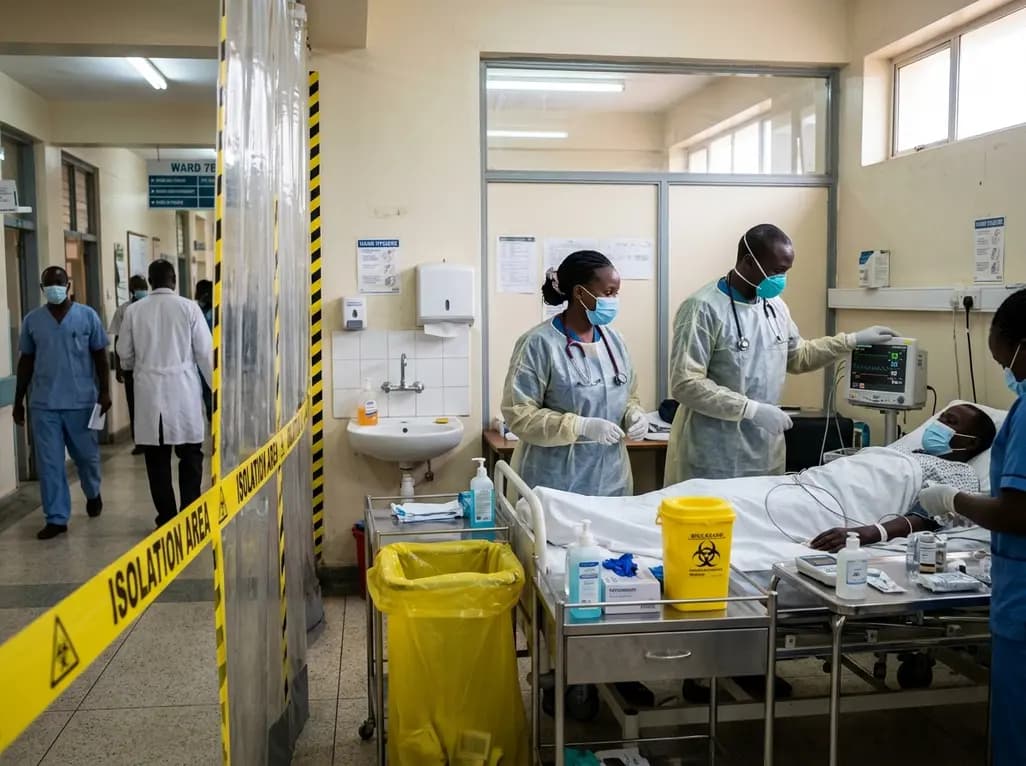
Kenya's confirmation of its eighth Ebola infection highlights the acute risk of secondary transmission in hospital environments. Clinicians must maintain high vigilance, enforce strict infection prevention protocols, and implement rapid triage mechanisms for viral hemorrhagic fevers across healthcare settings.
3 days back
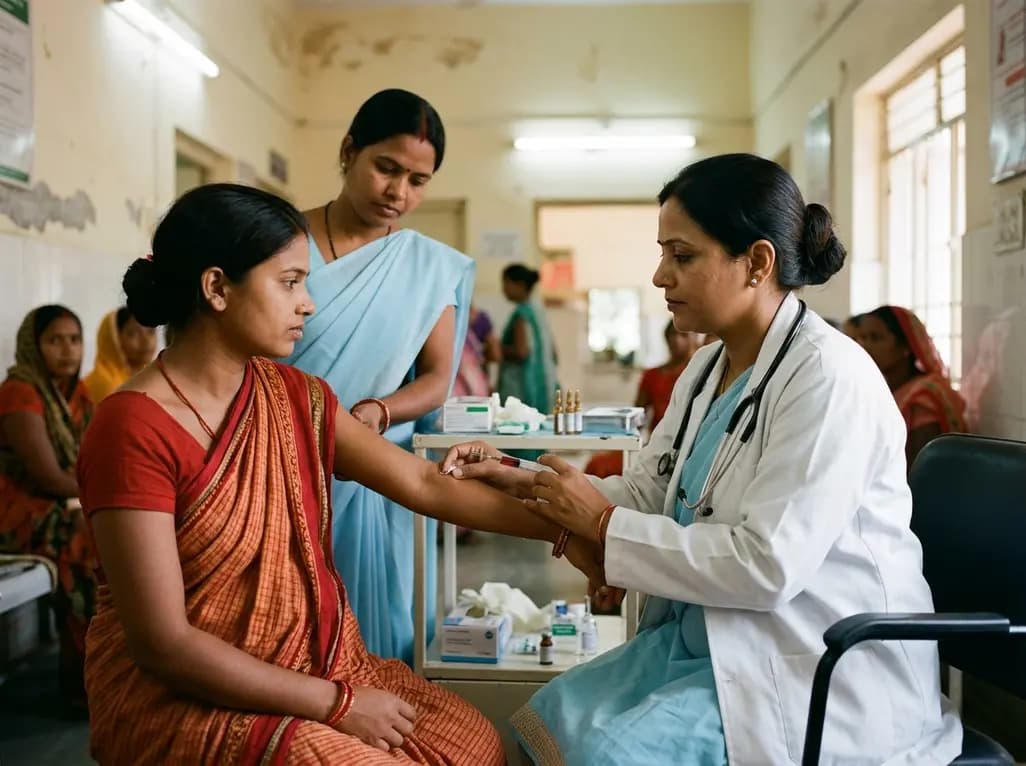
Maternal anaemia contributes to nearly half of pregnancy-related fatalities across India. To prevent complications, Uttar Pradesh has added single-dose parenteral iron to its essential medicines list. This clinical transition aims to restore haemoglobin rapidly and protect high-risk mothers across rural facilities.
Last week
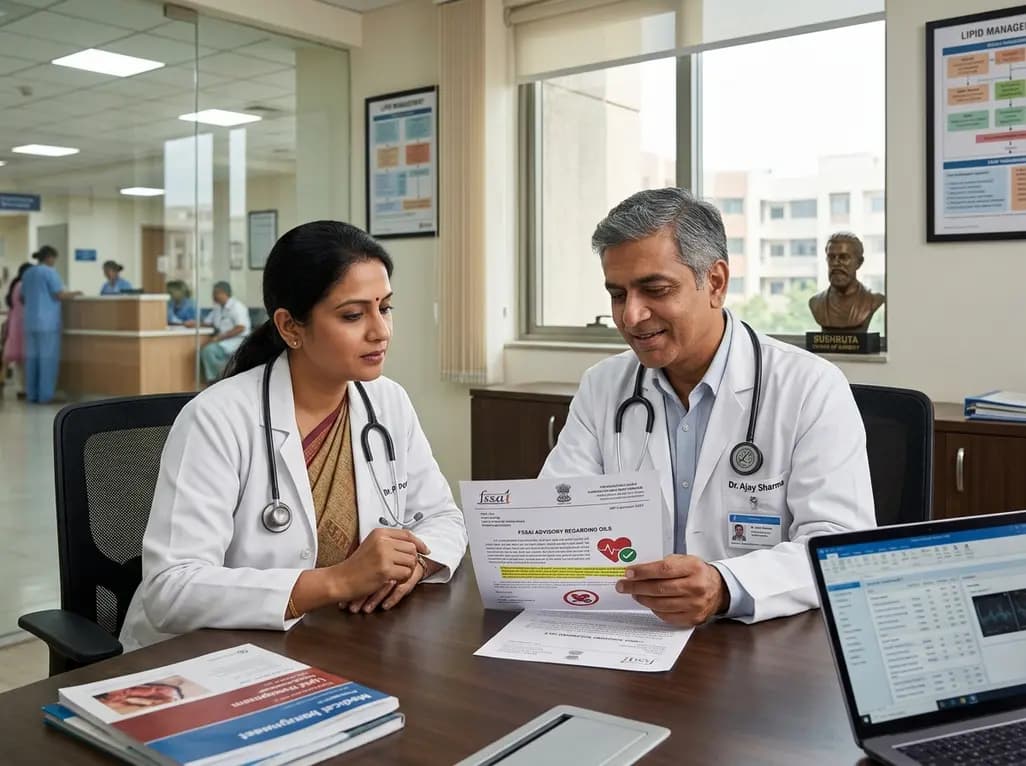
India's food safety authority FSSAI has issued show-cause notices to Gemini Edibles, BigBasket, and Flipkart for unpermitted cardiovascular claims regarding Freedom Rice Bran Oil. This regulatory move highlights the strict enforcement of advertising standards and the clinical necessity of evidence-based lipid care.
5 days back
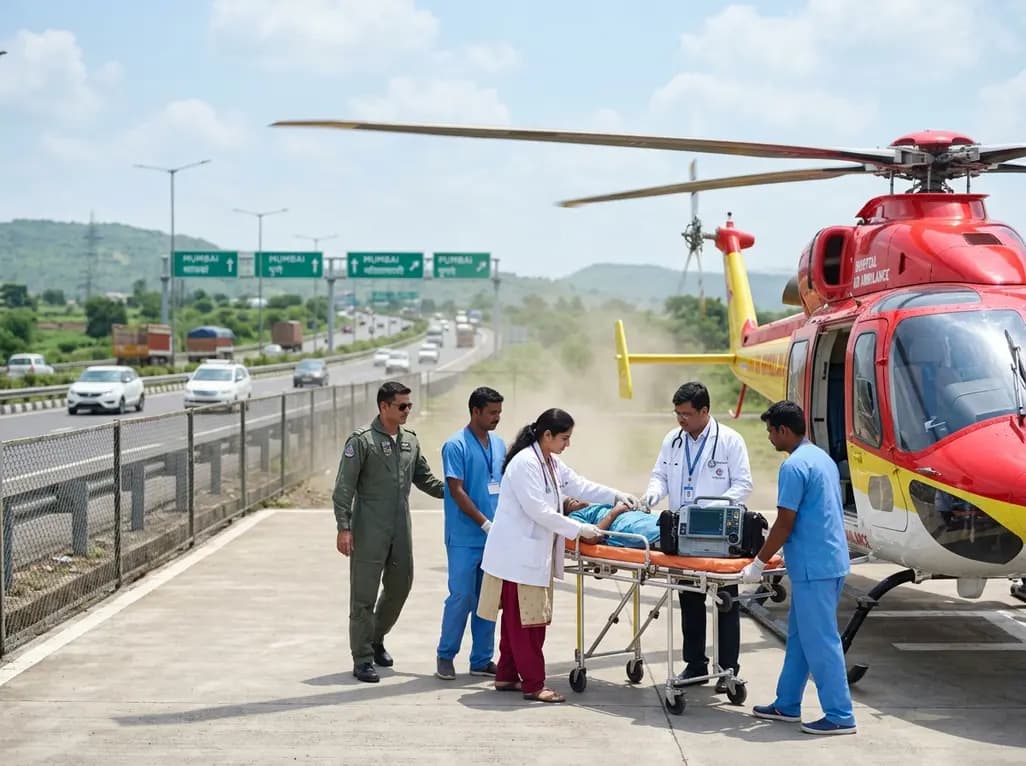
The state government is deploying helicopter emergency medical services across the Mumbai-Pune Expressway, Samruddhi Mahamarg, and Mumbai-Goa Highway. This initiative establishes unified standard operating procedures to enable rapid triage, advanced prehospital resuscitation, and seamless trauma care transfers.
Last week
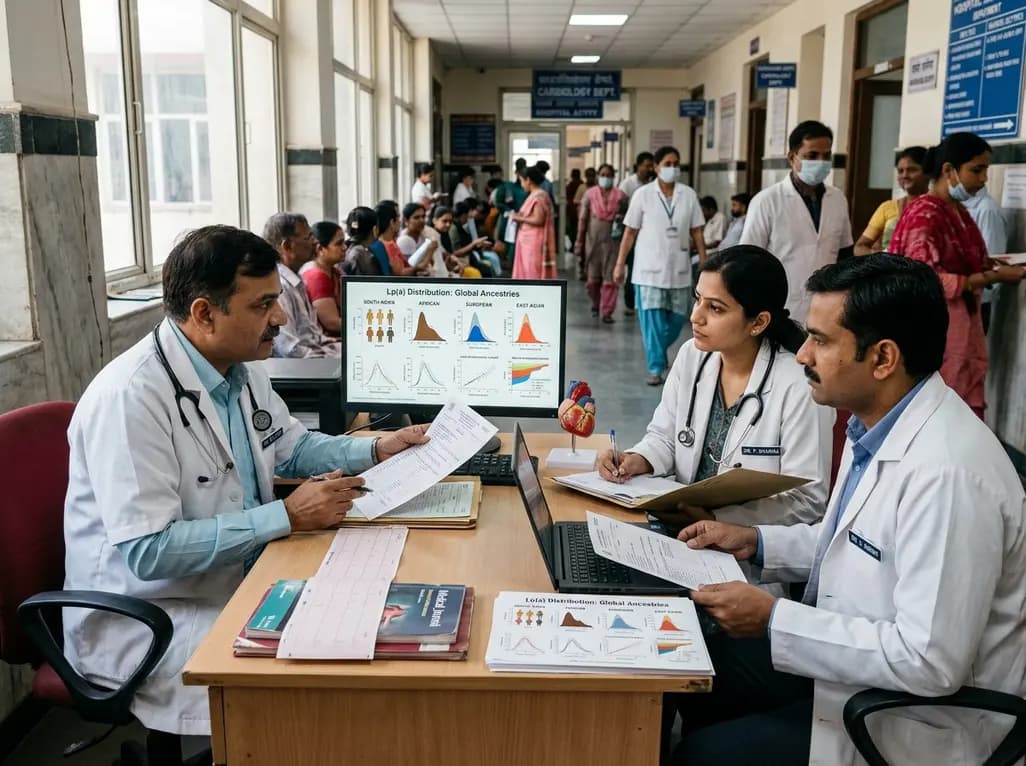
Atherosclerotic cardiovascular disease guidelines often rely on European-derived lipoprotein(a) cutoffs. However, baseline Lp(a) levels vary widely across ancestries, including South Asians and Africans. Clinicians must interpret Lp(a) values within overall absolute cardiovascular risk.
Last week
