.webp&w=384&q=75)

Loading, please wait...
Loading, please wait...
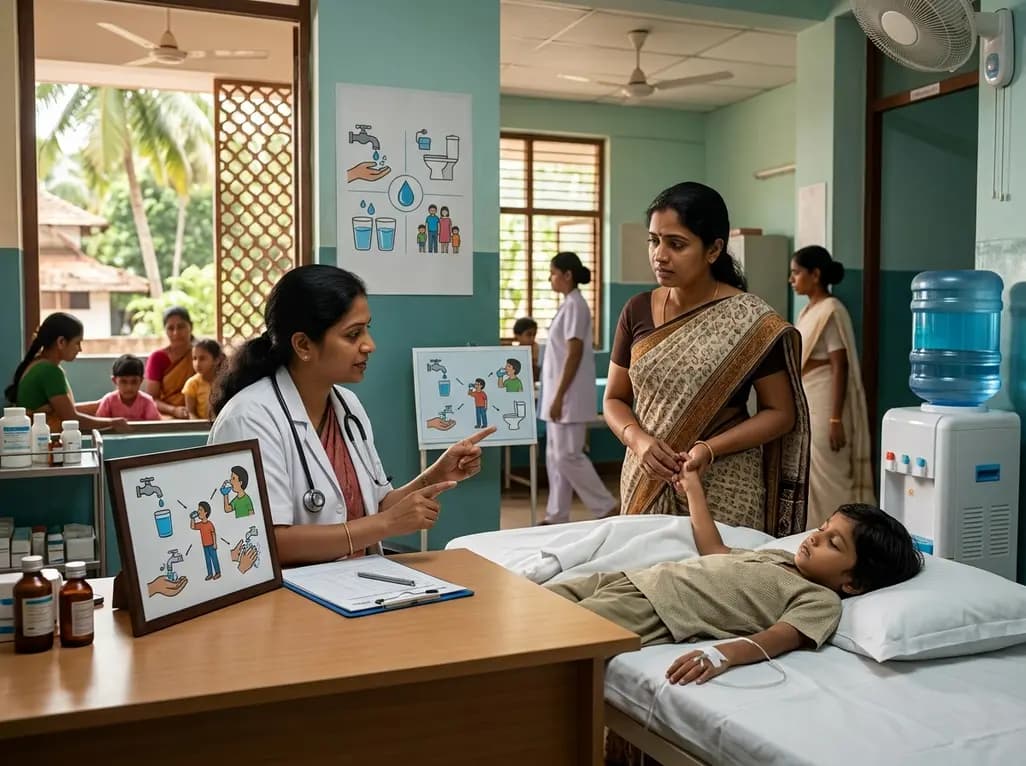
The recent Shigella outbreak in Kerala has prompted health authorities to issue an urgent public health advisory. Specifically, the Keralam Health Department has called for immediate containment efforts on a war footing. Consequently, clinics and hospitals must brace for an influx of diarrheal cases.
Shigellosis is a highly contagious bacterial infection of the intestines. Mainly, the Gram-negative bacterium Shigella causes this diarrheal illness. This pathogen primarily spreads through the fecal-oral route. For instance, people consume food or water contaminated by infected feces. Moreover, direct person-to-person contact also drives transmission.
Because of this, crowded environments and poor sanitation facilitate rapid spread. Therefore, ensuring hand hygiene remains the cornerstone of outbreak prevention. In addition, the bacteria survive well in water. Thus, unchlorinated public wells and contaminated drinking sources pose immense public health risks.
Clinicians must remain highly vigilant during the current Shigella outbreak in Kerala. Specifically, young children face the highest risk of severe complications. For example, the infection can cause high fever, severe abdominal pain, vomiting, and acute watery or bloody diarrhea.
Furthermore, dehydration is a key concern in pediatric patients. Consequently, doctors should aggressively assess hydration status during clinical examinations. If untreated, severe shigellosis can progress to life-threatening complications. These complications include toxic megacolon, hemolytic uremic syndrome, and systemic sepsis. Therefore, early recognition is absolutely crucial.
First, clinicians should prioritize oral rehydration therapy for mild cases. However, severe cases require immediate hospitalization and intravenous fluids. Additionally, healthcare providers must use antibiotics judiciously. Because resistance is rising, empiric therapy should follow regional susceptibility patterns.
At the same time, community prevention plays a vital role. For instance, families must boil and cool their drinking water. Furthermore, everyone must wash their hands with soap before meals and after toilet use. Finally, the government is chlorinating local water sources to break the transmission cycle.
Q1: What are the primary symptoms of a Shigella infection?
Common symptoms include diarrhea, fever, abdominal pain, and vomiting. If these symptoms occur, individuals should seek immediate medical attention.
Q2: How does the Shigella bacteria spread?
The bacteria primarily spread through contaminated food and water. Additionally, poor hygiene and direct contact facilitate transmission.
Q3: Who is most vulnerable to severe illness?
Young children and older adults face the highest risk. Likewise, immunocompromised individuals remain highly vulnerable.
Disclaimer: This content is for informational and educational purposes only. It does not constitute medical advice or replace professional judgment. Refer to the latest local and national guidelines for clinical practice.
References

Read summarized clinical updates, watch expert medical content, and earn CME certifications right from your smartphone.
Open your smartphone camera to scan and install.





With a rise in highly contagious Shigella infections across Kerala, the Health Department has issued an urgent public health advisory. Healthcare providers must remain vigilant, recognize early symptoms in vulnerable children, and promote clean drinking water and proper sanitation to prevent transmission.
4 months ago
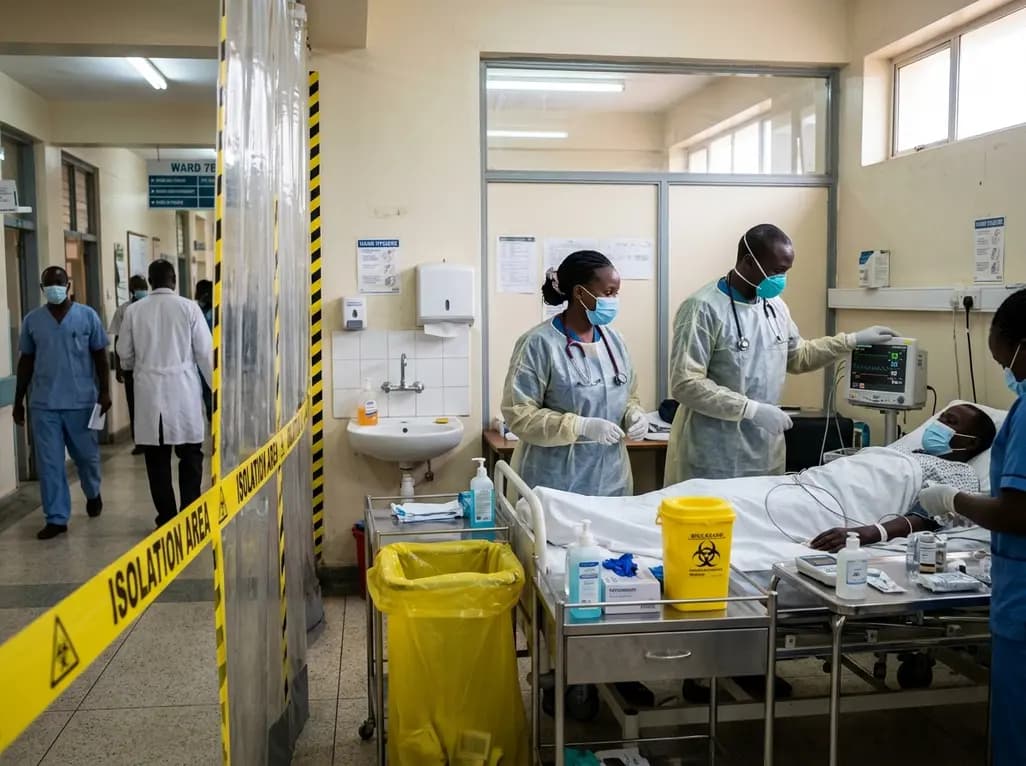
Kenya's confirmation of its eighth Ebola infection highlights the acute risk of secondary transmission in hospital environments. Clinicians must maintain high vigilance, enforce strict infection prevention protocols, and implement rapid triage mechanisms for viral hemorrhagic fevers across healthcare settings.
3 days back
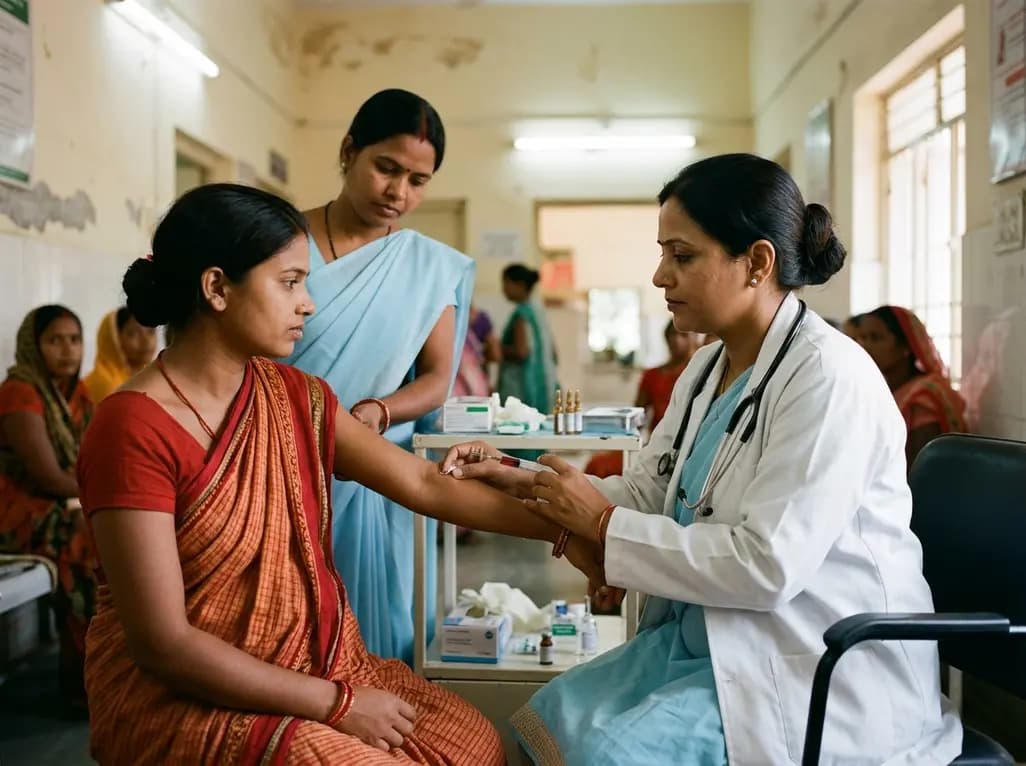
Maternal anaemia contributes to nearly half of pregnancy-related fatalities across India. To prevent complications, Uttar Pradesh has added single-dose parenteral iron to its essential medicines list. This clinical transition aims to restore haemoglobin rapidly and protect high-risk mothers across rural facilities.
Last week

India's food safety authority FSSAI has issued show-cause notices to Gemini Edibles, BigBasket, and Flipkart for unpermitted cardiovascular claims regarding Freedom Rice Bran Oil. This regulatory move highlights the strict enforcement of advertising standards and the clinical necessity of evidence-based lipid care.
5 days back
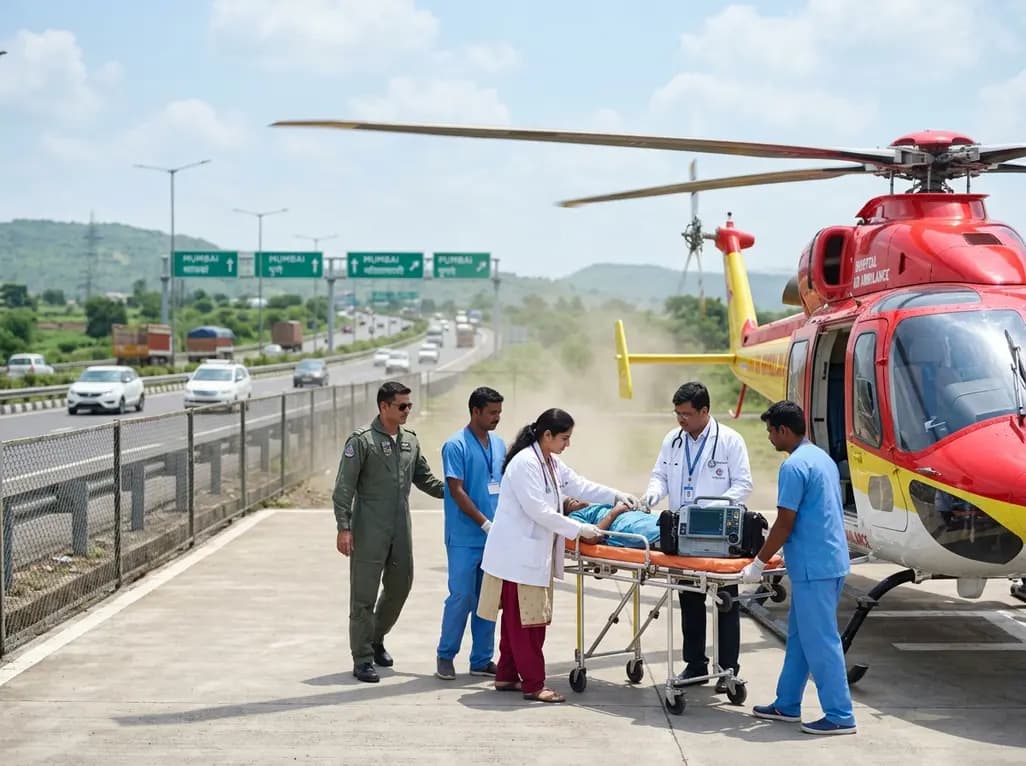
The state government is deploying helicopter emergency medical services across the Mumbai-Pune Expressway, Samruddhi Mahamarg, and Mumbai-Goa Highway. This initiative establishes unified standard operating procedures to enable rapid triage, advanced prehospital resuscitation, and seamless trauma care transfers.
Last week
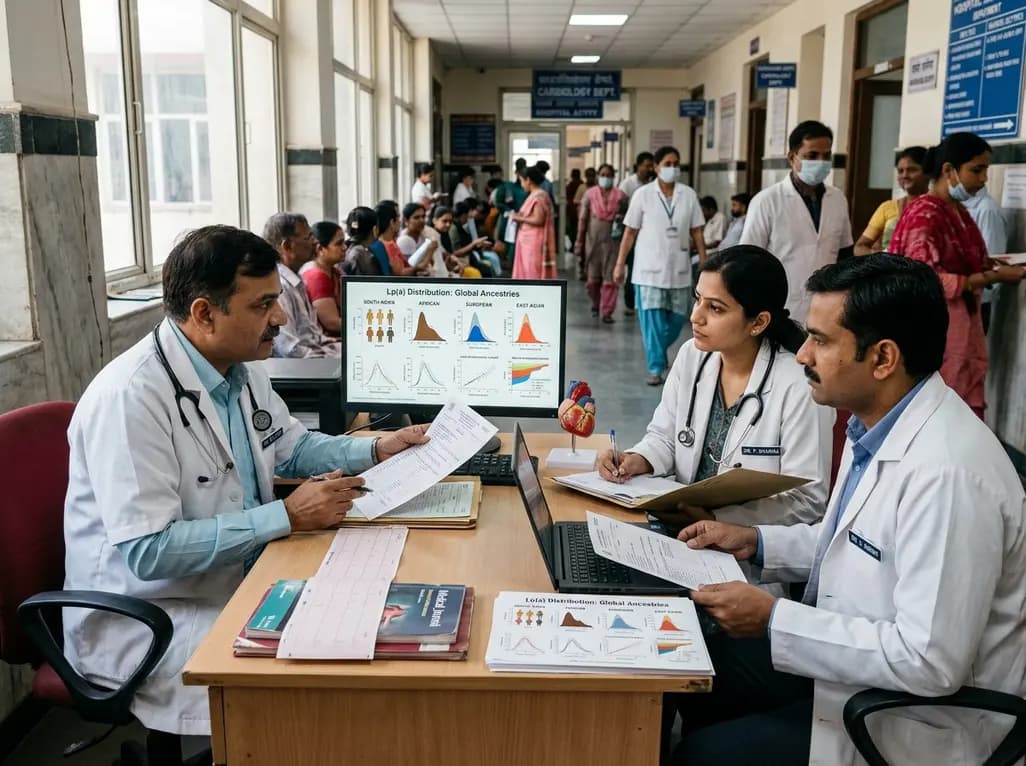
Atherosclerotic cardiovascular disease guidelines often rely on European-derived lipoprotein(a) cutoffs. However, baseline Lp(a) levels vary widely across ancestries, including South Asians and Africans. Clinicians must interpret Lp(a) values within overall absolute cardiovascular risk.
Last week
