The recent rise in diarrheal diseases has caused significant concern among healthcare professionals in southern India. Specifically, the growing Shigella outbreak in Kerala has highlighted the urgent need for clinical vigilance and public health action. Health authorities recently confirmed multiple active cases across various districts, raising alarms during the monsoon season. Consequently, medical practitioners must understand the epidemiological trends, diagnostic protocols, and management strategies to contain this infection. Active surveillance and timely diagnosis remain crucial to prevent severe complications, particularly in vulnerable populations.
Epidemiology of the Shigella Outbreak in Kerala
The current epidemiological data reveals a significant surge in bacterial infections across multiple districts in the state. Historically, Kozhikode, Malappuram, and Wayanad have reported the highest density of positive cases this season. In June alone, health officials declared active outbreaks in Kozhikode, Wayanad, Thrissur, and Alappuzha. Furthermore, other districts like Thiruvananthapuram, Kollam, and Kannur have also registered multiple confirmed cases. This widespread distribution indicates a high rate of transmission within local communities. Consequently, the public health department has deployed specialized surveillance teams to monitor these hotspots. These experts are actively analyzing water samples and tracking contact lists to identify potential vectors. Additionally, historical trends suggest that heavy monsoon rains often trigger these localized bacterial spikes. The contamination of open water sources during floods remains a primary driver of transmission. Therefore, medical professionals in these regions must maintain a high index of suspicion for any presenting cases of acute bloody diarrhea. Prompt reporting of these cases helps authorities execute targeted containment strategies successfully.
Transmission Dynamics and Clinical Manifestations
Shigellosis is a highly infectious disease caused by a group of Gram-negative bacteria. Specifically, the pathogen spreads rapidly through the classic fecal-oral route, requiring only a tiny inoculum to initiate infection. This low infectious dose means that person-to-person contact can easily propagate the disease in household settings. Moreover, consuming contaminated food or drinking untreated water are extremely common modes of transmission. Once ingested, the bacteria invade the colonic mucosa, leading to intense inflammatory changes. Consequently, patients typically present with high fever, severe abdominal cramps, and acute watery or bloody diarrhea. Additionally, severe nausea and frequent vomiting are common clinical symptoms observed in pediatric patients. These symptoms usually manifest within one to two days of exposure to the bacteria. However, young children and elderly patients face a much higher risk of rapid clinical deterioration. Severe dehydration and electrolyte imbalances can occur very quickly if the condition is left untreated. Therefore, early clinical recognition of these symptoms is vital to prevent fatal outcomes and optimize patient recovery.
Diagnostic Protocols and Laboratory Identification
Accurate diagnosis of shigellosis relies heavily on timely laboratory evaluation and stool sample analysis. Primarily, clinicians should collect stool specimens during the acute phase of illness before initiating antibiotic therapy. Stool culture remains the diagnostic gold standard for isolating and identifying the specific Shigella serogroup. However, molecular diagnostic methods like polymerase chain reaction have become increasingly popular due to their rapid turnaround times. These modern assays can detect bacterial DNA within hours, allowing for faster clinical decision-making. Furthermore, microscopic examination of the stool sample often reveals numerous polymorphonuclear leukocytes and red blood cells. This finding strongly supports the diagnosis of invasive bacterial dysentery. In addition, automated sensitivity testing must be performed on all positive isolates. This step is critical because antimicrobial resistance has emerged as a major challenge in recent outbreaks. Consequently, local susceptibility patterns should always guide the choice of therapeutic agents. Doctors must coordinate closely with laboratory staff to ensure high-quality sample processing and accurate reporting.
Therapeutic Management and Fluid Resuscitation
The primary focus of managing any diarrheal illness is the prompt restoration of fluid and electrolyte balance. First, clinicians must assess the degree of dehydration using standardized clinical guidelines. For mild cases, oral rehydration therapy using standard solutions is highly effective and should be initiated immediately. However, severe cases with persistent vomiting or altered mental status require immediate intravenous fluid resuscitation. Additionally, supportive care, including nutritional support and zinc supplementation for children, is highly recommended. Antibiotic therapy is generally reserved for severe, systemic, or immunocompromised cases to shorten illness duration. Furthermore, the selection of antibiotics must align with local susceptibility data because resistance is rising. Commonly used agents include fluoroquinolones, third-generation cephalosporins, or azithromycin depending on local guidelines. Nevertheless, anti-motility drugs are strictly contraindicated in cases of suspected shigellosis. These agents delay clearance of the pathogen and can potentially worsen systemic toxicity. Therefore, careful monitoring of fluid balance and clinical signs remains the cornerstone of successful therapeutic management.
Preventive Strategies to Curb the Shigella Outbreak in Kerala
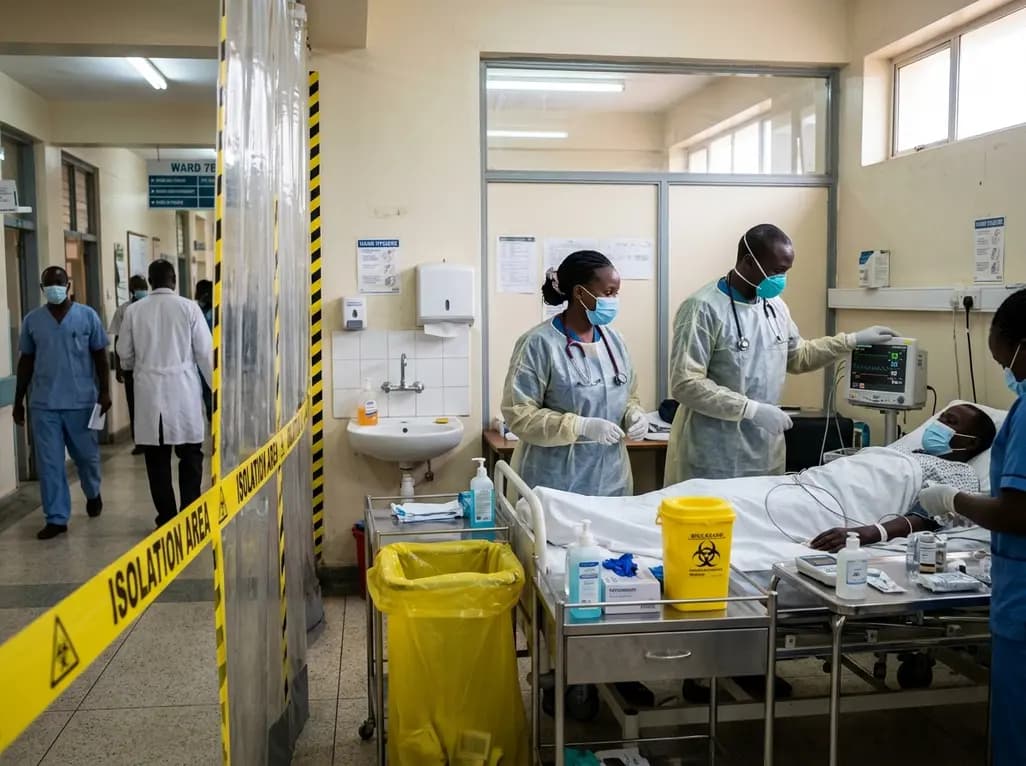
Effective prevention of shigellosis requires a multi-sectoral approach focusing on sanitation, water safety, and public education. First, ensuring access to safe and treated drinking water is the most critical preventive measure. Municipal authorities must chlorinate public water supplies regularly and monitor water pipelines for any leakages. Moreover, local self-government institutions should conduct regular inspections of food establishments to enforce strict hygiene standards. Food handlers must practice thorough handwashing with soap and water before preparing or serving food. Additionally, households must boil drinking water for at least one minute to eliminate potential bacterial pathogens. Public health campaigns should actively promote personal hygiene, focusing on proper handwashing techniques after using toilets. Furthermore, the safe disposal of human waste and efficient sewage management are essential to prevent environmental contamination. If a case is detected, immediate isolation and disinfection of household surfaces can prevent secondary transmission. Therefore, sustained community engagement and active governmental surveillance are crucial to successfully curbing the Shigella outbreak in Kerala.
Frequently Asked Questions
Q1: What are the primary symptoms of a Shigella infection?
The main symptoms of a Shigella infection include high-grade fever, severe abdominal cramps, vomiting, and acute diarrhea that often contains blood or mucus. These symptoms typically appear within one to two days after exposure to the bacteria. Patients should seek immediate medical attention if they experience severe dehydration, high fever, or persistent blood in their stool.
Q2: How does the Shigella bacteria transmit from person to person?
Shigella bacteria transmit primarily through the fecal-oral route, often via contaminated water or food. Furthermore, direct person-to-person contact is a highly common mode of spread due to the low infectious dose of the pathogen. Consequently, inadequate hand hygiene after using the restroom or before preparing food can rapidly propagate the infection within households.
Q3: What are the best preventive measures to avoid Shigella infection?
Preventive measures include drinking only safe, boiled water and maintaining strict personal hygiene through regular handwashing with soap. Additionally, individuals should avoid raw or undercooked food from unhygienic sources and ensure proper sanitation at home. Moreover, prompt isolation of infected individuals and thorough disinfection of household surfaces help prevent secondary transmission within the family.
Disclaimer: This content is for informational and educational purposes only. It does not constitute medical advice or replace professional judgment. Refer to the latest local and national guidelines for clinical practice.
References
- Kerala reports 10 more Shigella cases; 290 in total in June - ETHealthworld
- Shigella Outbreak in Kerala 2026: Latest Cases, Symptoms & Risk - MrMed
- Shigella outbreak in Kerala worsens with rising cases - Omnicuris
.webp&w=384&q=75)