.webp&w=384&q=75)

Loading, please wait...
Loading, please wait...

The recent resolution of the resident doctor pay dispute in England marks a historic milestone for the National Health Service (NHS). Consequently, after more than a dozen rounds of highly disruptive industrial action spanning multiple years, the British Medical Association (BMA) announced that its members voted to accept the government's revised remuneration and employment package. Furthermore, this decision brings a long-awaited end to a deeply entrenched conflict that has severely tested the limits of the healthcare system. Therefore, for medical educators, clinical leaders, and healthcare administrators worldwide, this landmark agreement offers valuable insights into workforce management. Ultimately, understanding the details of this resolution is essential for analyzing modern healthcare systems.
To understand this resolution, one must first examine the deep-rooted origins of the resident doctor pay dispute. Specifically, the conflict began in earnest in 2023 under the previous Conservative administration. However, the underlying financial issues had been quietly brewing for more than a decade. Indeed, since 2008, medical professionals in the United Kingdom argued that their salaries had fallen significantly in real terms. This was primarily due to persistent inflation and stagnant public sector wage growth. Consequently, this long-term erosion of purchasing power fueled widespread discontent among frontline clinicians. Additionally, resident doctors faced increasingly difficult working conditions characterized by chronic understaffing. This combination of declining compensation and worsening work environments created a perfect storm. Ultimately, the British Medical Association mobilized its members, leading to historic walkouts across England. Therefore, this strike action was not merely about immediate financial gains. Instead, it was a symbolic battle for the long-term sustainability of the medical profession. Furthermore, it highlighted the intense pressures faced by modern public healthcare systems globally. Clinical educators must study these systemic drivers to prevent similar crises in other regions.
The newly accepted package introduces several key structural and financial reforms designed to stabilize the NHS workforce. Specifically, the government awarded resident doctors an immediate pay rise of 3.5% for the 2026/27 financial year. Additionally, the broader agreement is designed to increase overall remuneration by an average of 6.6% by April 2027. Consequently, this multi-stage increase will significantly narrow the gap created by years of real-terms pay erosion. Furthermore, officials noted that these changes will make salaries approximately 35.2% higher on average compared to four years ago. Beyond direct salary adjustments, the deal addresses critical systemic issues regarding training and career progression. Specifically, the agreement introduces standard 2016 contract terms for all locally employed medics. Moreover, the government has committed to creating 4,500 extra specialty training places over the next three years. This addition is particularly crucial, as it directly addresses the severe shortage of training posts. Indeed, this lack of posts previously left many highly qualified doctors in professional limbo. Ultimately, this comprehensive package aims to restore faith in the NHS as an attractive employer.
The path to this historic agreement was finalized through a democratic referendum of the union's membership. Specifically, the British Medical Association held an online ballot between June 18 and June 26, 2026. Ultimately, the results revealed a closely divided but decisive consensus among the voting medical workforce. According to official BMA statistics, 53% of eligible members voted to accept the package. Meanwhile, 47% voted against it. Furthermore, the voter turnout was recorded at 57%, representing 32,932 individual doctor votes. This narrow margin of victory indicates that significant concerns regarding complete pay restoration still remain. Nevertheless, Dr. Jack Fletcher, the chair of the resident doctors committee, welcomed the result. He declared that the current offer is sufficient to continue toward long-term pay restoration. Additionally, he emphasized that the deal addresses the absurd lack of clinical jobs. Consequently, the formal acceptance of this deal officially brings an end to the prolonged industrial action. This democratic exercise highlights the complex internal debates that occur during healthcare labor negotiations.
The termination of these strikes provides a massive sigh of relief for patients and healthcare administrators alike. Specifically, the industrial action had cost the NHS an estimated 1 billion pounds since last summer. Furthermore, in the last twelve months alone, resident medics had walked out for a total of 21 days. Consequently, these disruptions cost the service approximately 50 million pounds per strike day. This financial and operational strain had severely exacerbated the already massive patient backlog. Therefore, the return to stability is a critical first step toward clinical recovery. Health Minister James Murray noted that this agreement allows all parties to draw a line under the disruption. Instead of managing strikes, the system can now focus entirely on rebuilding the national health service. Additionally, improved working conditions and better training paths will likely boost staff retention. When doctors feel valued, clinical outcomes and patient safety naturally improve. Ultimately, this resolution represents a crucial turning point for the UK health sector. However, the government must remain proactive to ensure that these promised reforms are implemented smoothly. Indeed, medical training programs must adapt quickly to accommodate the incoming influx of specialty positions.
For medical educators and international observers, the resolution of this conflict offers several vital lessons. Specifically, it highlights that workforce satisfaction extends far beyond basic salary figures. Although financial compensation is a fundamental component, professional development and job security are equally crucial. Consequently, the inclusion of training reforms and specialty job creation was essential to securing the agreement. Furthermore, other nations facing healthcare workforce shortages should view this dispute as a cautionary tale. Specifically, ignoring the real-terms pay decline of junior staff can lead to prolonged and costly labor disputes. Therefore, proactive negotiation and continuous engagement with medical unions are vital to maintaining healthcare system stability. Additionally, educators must prepare future doctors to navigate both clinical challenges and the socio-economic realities of their careers. Ultimately, a sustainable healthcare system requires a balanced approach that respects both financial boundaries and the well-being of the workforce. By studying this UK model, international policymakers can better design policies that support their own clinical workforces.
Q1: What are the main terms of the newly approved pay deal for resident doctors?
Specifically, the approved deal includes an average 6.6% pay uplift for resident doctors, which will be fully implemented by April 2027. This includes a 3.5% pay rise backdated for the 2026/27 financial year. Additionally, the agreement introduces standard 2016 contract terms for all locally employed medics. Furthermore, it commits to establishing 4,500 extra specialty training places over the next three years to resolve critical job shortages within the NHS.
Q2: How did the British Medical Association members vote in the referendum?
Ultimately, the referendum saw a voter turnout of 57%, with a total of 32,932 resident doctors participating in the online ballot. The results revealed a very close division within the medical workforce. Specifically, 53% of eligible members voted in favor of accepting the government's latest offer, while 47% voted to reject it. Consequently, this narrow majority successfully approved the agreement, which officially brings an end to the long-running industrial action across England.
Q3: What were the overall costs and operational impacts of the junior doctor strikes?
Indeed, the prolonged industrial dispute has caused immense financial and operational strain since it began in 2023. Specifically, the series of strikes cost the National Health Service an estimated 1 billion pounds overall. Furthermore, in the last twelve months alone, resident doctors walked out for 21 days, costing approximately 50 million pounds per strike day. Consequently, thousands of patient appointments and elective procedures had to be postponed, severely impacting healthcare delivery across the country.
Disclaimer: This content is for informational and educational purposes only. It does not constitute medical advice or replace professional judgment. Refer to the latest local and national guidelines for clinical practice.
References

Read summarized clinical updates, watch expert medical content, and earn CME certifications right from your smartphone.
Open your smartphone camera to scan and install.





The resident doctors' pay dispute in England has officially concluded. BMA members voted 53% in favor of the government's latest package, which includes an average 6.6% salary increase and crucial training reforms. Discover the major financial, operational, and structural impacts of this landmark agreement.
3 months ago

Kenya's confirmation of its eighth Ebola infection highlights the acute risk of secondary transmission in hospital environments. Clinicians must maintain high vigilance, enforce strict infection prevention protocols, and implement rapid triage mechanisms for viral hemorrhagic fevers across healthcare settings.
6 days back
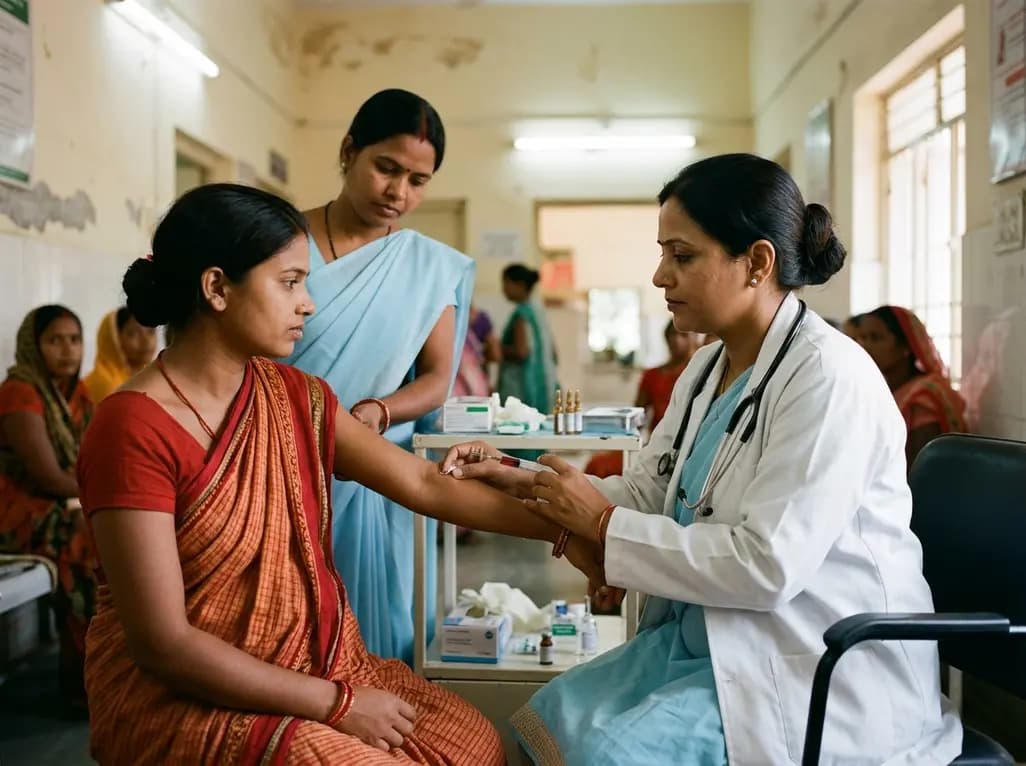
Maternal anaemia contributes to nearly half of pregnancy-related fatalities across India. To prevent complications, Uttar Pradesh has added single-dose parenteral iron to its essential medicines list. This clinical transition aims to restore haemoglobin rapidly and protect high-risk mothers across rural facilities.
2 weeks back

India's food safety authority FSSAI has issued show-cause notices to Gemini Edibles, BigBasket, and Flipkart for unpermitted cardiovascular claims regarding Freedom Rice Bran Oil. This regulatory move highlights the strict enforcement of advertising standards and the clinical necessity of evidence-based lipid care.
Last week

The state government is deploying helicopter emergency medical services across the Mumbai-Pune Expressway, Samruddhi Mahamarg, and Mumbai-Goa Highway. This initiative establishes unified standard operating procedures to enable rapid triage, advanced prehospital resuscitation, and seamless trauma care transfers.
Last week
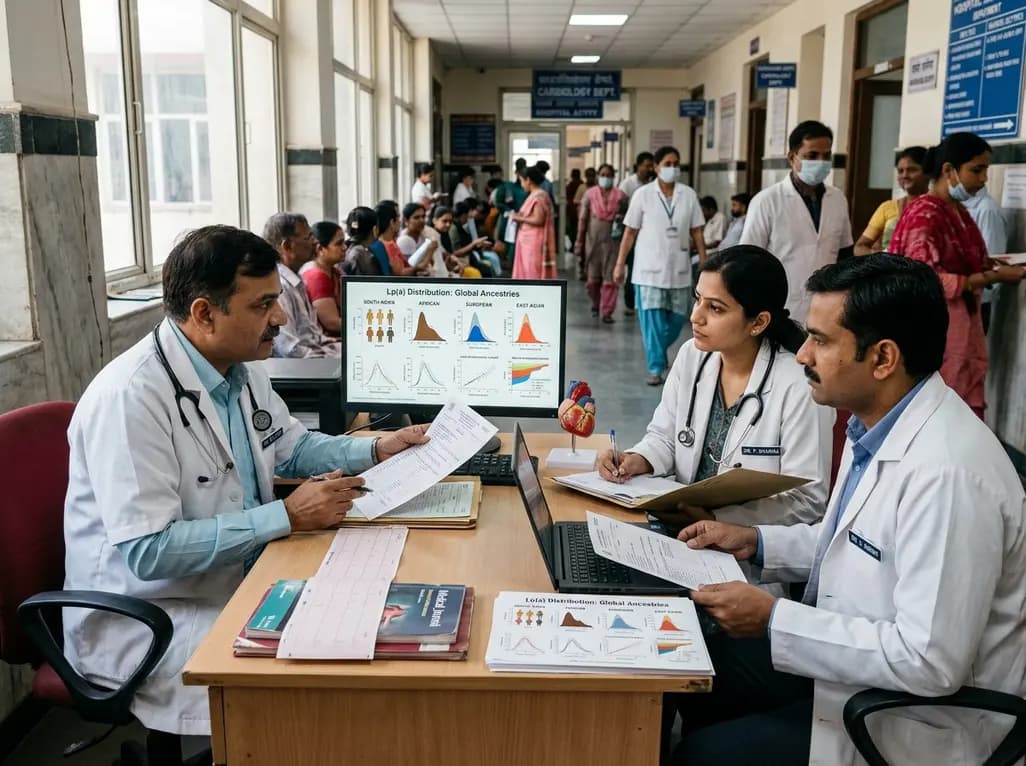
Atherosclerotic cardiovascular disease guidelines often rely on European-derived lipoprotein(a) cutoffs. However, baseline Lp(a) levels vary widely across ancestries, including South Asians and Africans. Clinicians must interpret Lp(a) values within overall absolute cardiovascular risk.
2 weeks back
