.webp&w=384&q=75)

Loading, please wait...
Loading, please wait...
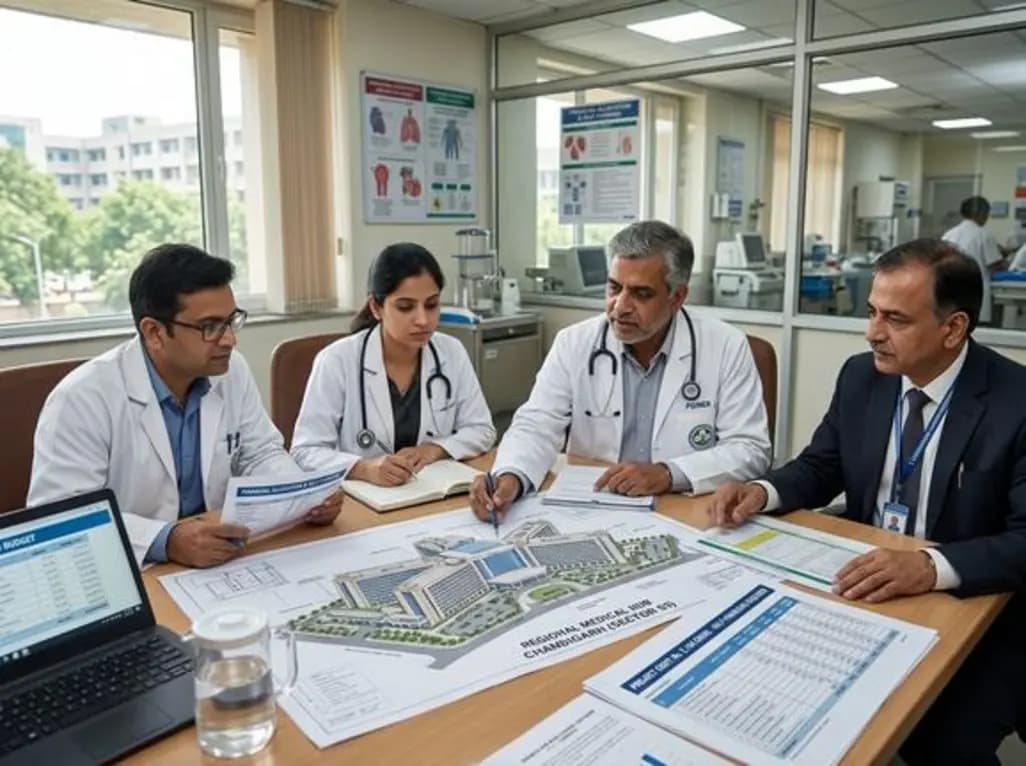
The Union Ministry of Health and Family Welfare has directed the Chandigarh administration to self-finance its proposed Rs 2,154 crore regional medical hub project in Sector 53. This decision comes as a significant shift for the local authorities, who had been seeking central financial assistance or alternative funding avenues. Consequently, the administration must now rely on its own budgetary allocations to develop this ambitious healthcare infrastructure.
Originally, the Chandigarh administration sought financial support under the PM-ABHIM scheme or through external agencies like the New Development Bank. However, the Union Health Ministry clarified that the UT must meet all costs from its own budget. Furthermore, the ministry stated that any Public-Private Partnership model would require separate approvals from the Department of Economic Affairs. In addition, this directive presents a substantial financial hurdle, especially since local administrators planned a massive 1,000-bed facility.
Specifically, the proposed hub will feature two separate 500-bed centres to address the regional deficit in super-speciality healthcare. The first facility will focus on maternal and advanced neonatal care. Meanwhile, the second facility will deliver advanced trauma services and various super-speciality treatments. Additionally, the complex will house academic blocks, advanced research laboratories, and staff quarters on ten acres of land. Because of these extensive requirements, the civil construction alone demands Rs 1,704 crore. Consequently, the remaining Rs 450 crore will go toward state-of-the-art medical equipment.
Indeed, the Chandigarh administration collaborated closely with NITI Aayog during the planning stages. Ultimately, this medical center aims to serve an estimated 50 million people across northern Indian states. Therefore, establishing this facility remains a top priority despite the funding challenges.
Q1: What is the total estimated cost of Chandigarh's proposed regional medical hub?
The total estimated cost is Rs 2,154 crore, which includes Rs 1,704 crore for civil construction and Rs 450 crore for medical equipment.
Q2: Why did the central government reject Chandigarh's request for financial assistance?
The Union Health Ministry clarified that because the UT administration is the primary project proponent, it must finance the medical hub entirely using its own budgetary resources.
Disclaimer: This content is for informational and educational purposes only. It does not constitute medical advice or replace professional judgment. Refer to the latest local and national guidelines for clinical practice.
References

Read summarized clinical updates, watch expert medical content, and earn CME certifications right from your smartphone.
Open your smartphone camera to scan and install.





The Union Health Ministry has directed the Chandigarh administration to self-finance its proposed Rs 2,154 crore regional medical hub project in Sector 53. The 1,000-bed facility will serve 50 million people, but the UT must now fund civil construction and equipment entirely through its own budgetary resources.
4 months ago
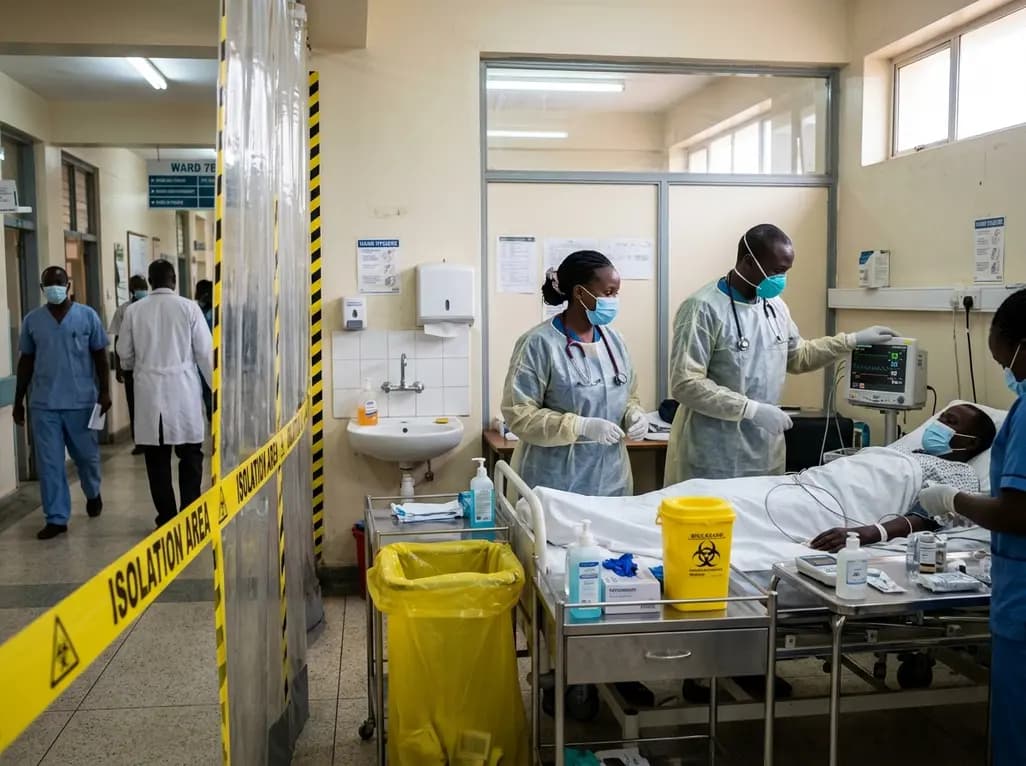
Kenya's confirmation of its eighth Ebola infection highlights the acute risk of secondary transmission in hospital environments. Clinicians must maintain high vigilance, enforce strict infection prevention protocols, and implement rapid triage mechanisms for viral hemorrhagic fevers across healthcare settings.
4 days back
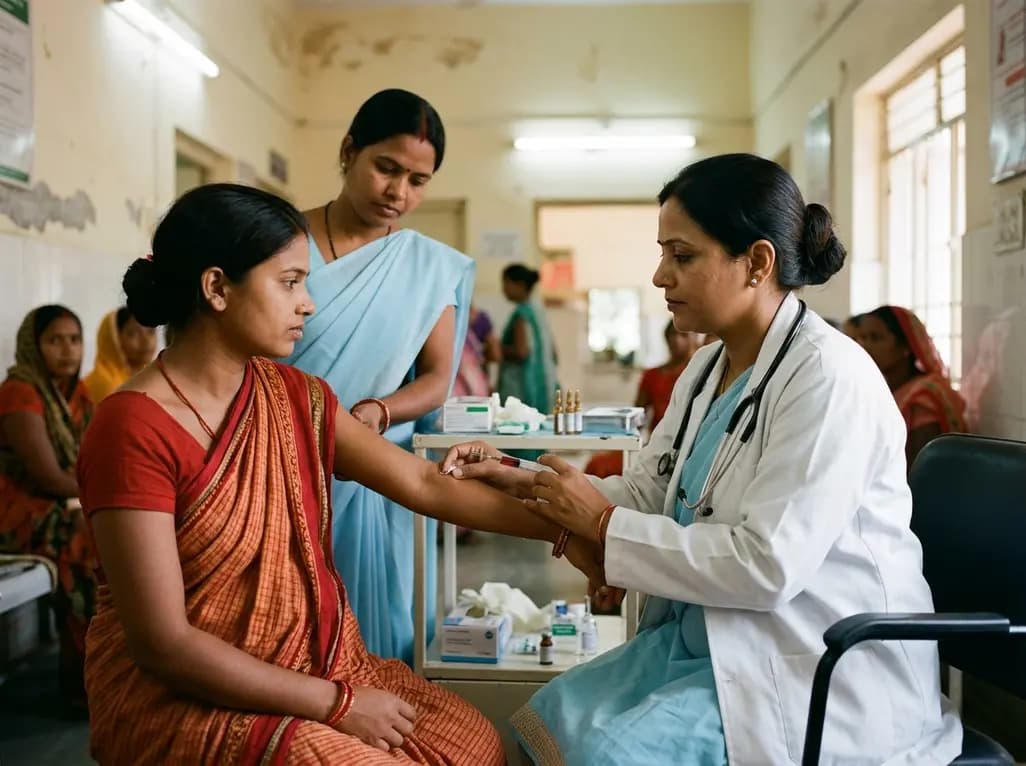
Maternal anaemia contributes to nearly half of pregnancy-related fatalities across India. To prevent complications, Uttar Pradesh has added single-dose parenteral iron to its essential medicines list. This clinical transition aims to restore haemoglobin rapidly and protect high-risk mothers across rural facilities.
Last week
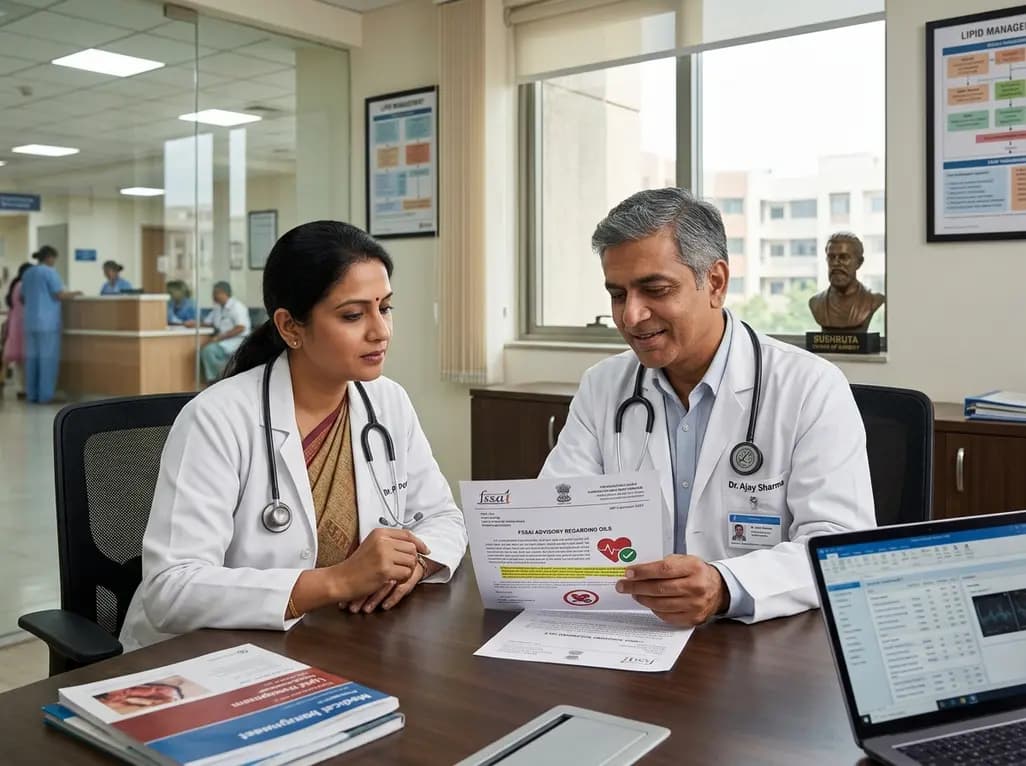
India's food safety authority FSSAI has issued show-cause notices to Gemini Edibles, BigBasket, and Flipkart for unpermitted cardiovascular claims regarding Freedom Rice Bran Oil. This regulatory move highlights the strict enforcement of advertising standards and the clinical necessity of evidence-based lipid care.
6 days back
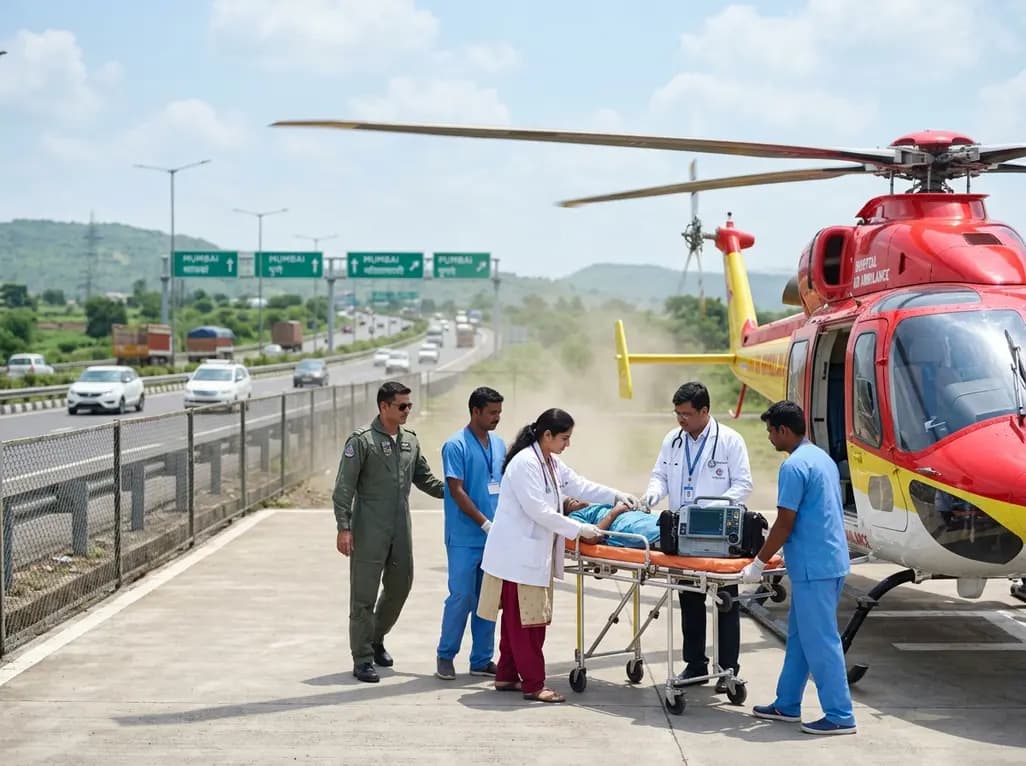
The state government is deploying helicopter emergency medical services across the Mumbai-Pune Expressway, Samruddhi Mahamarg, and Mumbai-Goa Highway. This initiative establishes unified standard operating procedures to enable rapid triage, advanced prehospital resuscitation, and seamless trauma care transfers.
Last week
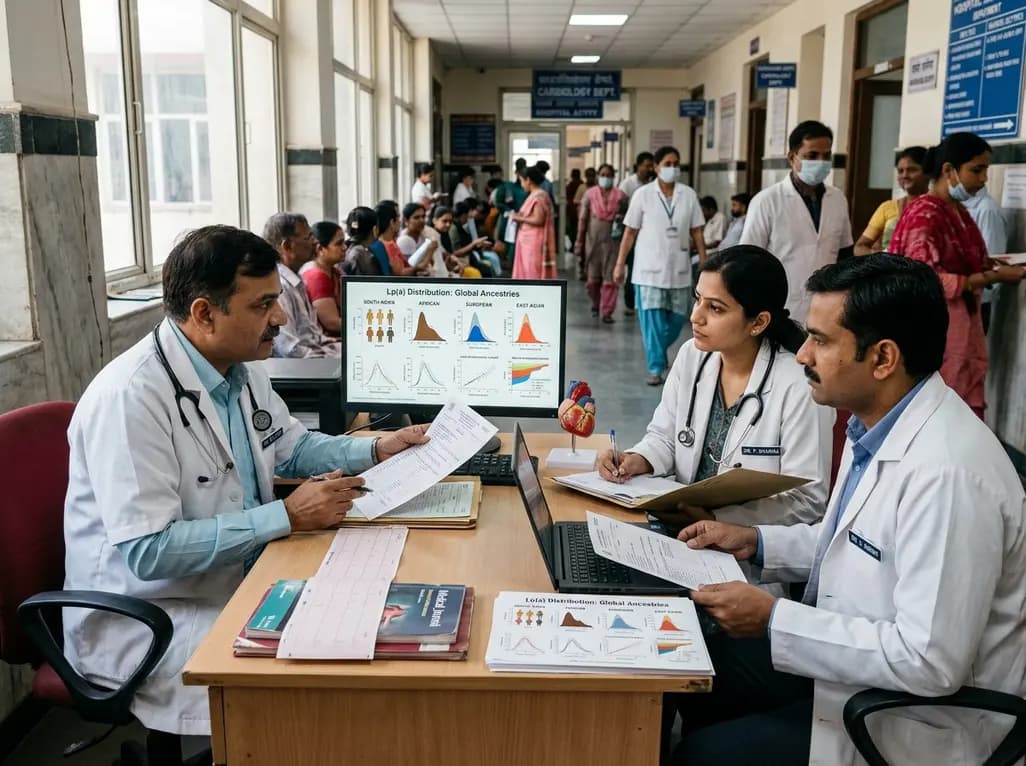
Atherosclerotic cardiovascular disease guidelines often rely on European-derived lipoprotein(a) cutoffs. However, baseline Lp(a) levels vary widely across ancestries, including South Asians and Africans. Clinicians must interpret Lp(a) values within overall absolute cardiovascular risk.
Last week
