.webp&w=384&q=75)

Loading, please wait...
Loading, please wait...
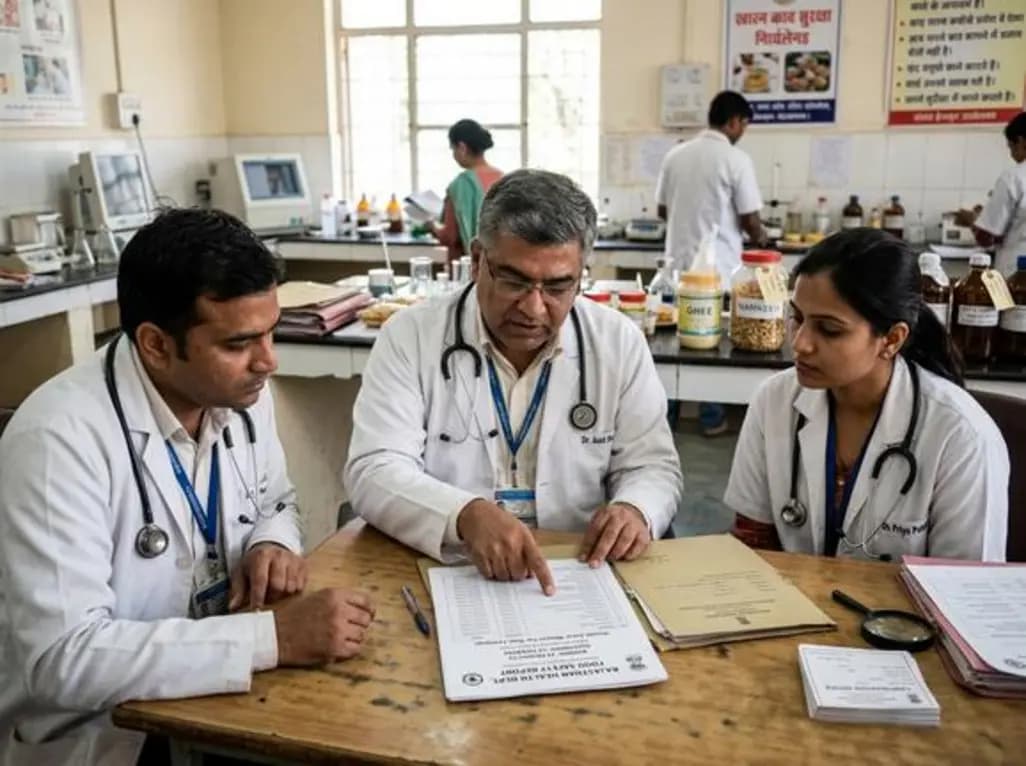
The Rajasthan state health department has taken a strict stance against food adulteration to safeguard public health. Consequently, authorities banned 16 unsafe packaged foods and suspended the licences of 13 food establishments. This decisive action followed a series of comprehensive state-wide inspections. These checks took place under the ongoing 'Shuddh Aahar Milawat Par Waar' campaign.
The Food Safety and Drug Control Department led intensive inspections during May and June 2026. Specifically, teams visited districts like Alwar, Jaipur, Jodhpur, and Bikaner. During these operations, inspectors collected and analyzed food samples at the state public health laboratory. Unfortunately, the laboratory tests revealed that several packaged food items contained dangerous adulterants. Because of these hazardous findings, the state ordered an immediate ban on their distribution, sale, and display.
Health officials blacklisted several prominent brands of ghee, namkeen, and pan masala. For instance, the banned ghee products include Madhu Saras Ghee and Dairy Anmol Ghee by Avery Dairy Traders, Delhi. Additionally, the department banned Dairy Bright Ghee by Krishna Food Products, Delhi, and Prema Brand Ghee by Mahadev Food Products, Hisar. Furthermore, Vandhu Brand Buffalo Ghee and Cow Ghee by Leo Dry Fruits and Spices Trading Ltd also faced a ban. Other banned items include Shagun Brand Mixture Namkeen and Tansen Brand Pan Masala. Moreover, the ban covers Topper Brand Milk Fat, Marwar Ki Shaan-Saras Ghee, and Shri Aahar Ghee. It also includes Shubh Ghee, Dhenushri Ghee, and Solanki Mishthan Bhandar Namkeen.
Alongside the ban on packaged goods, the health department suspended the licences of 13 food firms. This decision came after officials found unsafe loose food samples during surprise checks. Specifically, these units manufactured or sold unsafe paneer, ice candy, pista cutting, and mawa. Some units also used bad cooking oil or sold unsafe marinated chicken, bajra, saunf, and ghee. Consequently, the government halted operations at these facilities in Jaipur, Alwar, Jhunjhunu, Rajsamand, Dholpur, and Hanumangarh. These actions aim to enforce strict compliance with food safety regulations.
Clinicians must remain vigilant regarding the medical consequences of consuming adulterated food. For example, sub-standard ghee and used cooking oil contain harmful free radicals and trans fats. These substances significantly raise cardiovascular risks and cause metabolic disturbances. Similarly, contaminated dairy products like paneer or mawa can lead to severe food poisoning and gastrointestinal infections. Therefore, doctors should educate patients about the dangers of buying uncertified food items.
Q1: Which major ghee brands did the Rajasthan government ban?
The banned brands include Madhu Saras Ghee, Dairy Anmol Ghee, Dairy Bright Ghee, Prema Brand Ghee, Vandhu Buffalo and Cow Ghee, Marwar Ki Shaan-Saras Ghee, Shri Aahar Ghee, Shubh Ghee, and Dhenushri Ghee.
Q2: Why did the Rajasthan government suspend food firm licences?
The health department suspended 13 licences because laboratory tests found loose food samples, including paneer, mawa, used cooking oil, and ice candy, unsafe for consumption.
Q3: Under which campaign did this food safety crackdown happen?
The action took place under the state-wide 'Shuddh Aahar Milawat Par Waar' campaign, which targets food adulteration to ensure public safety.
Disclaimer: This content is for informational and educational purposes only. It does not constitute medical advice or replace professional judgment. Refer to the latest local and national guidelines for clinical practice.
References

Read summarized clinical updates, watch expert medical content, and earn CME certifications right from your smartphone.
Open your smartphone camera to scan and install.





Rajasthan's health department has banned 16 unsafe packaged food items, including popular brands of ghee, namkeen, and pan masala. Additionally, 13 food firm licences were suspended following intensive inspections under the Shuddh Aahar Milawat Par Waar campaign, aiming to eliminate food adulteration.
4 months ago
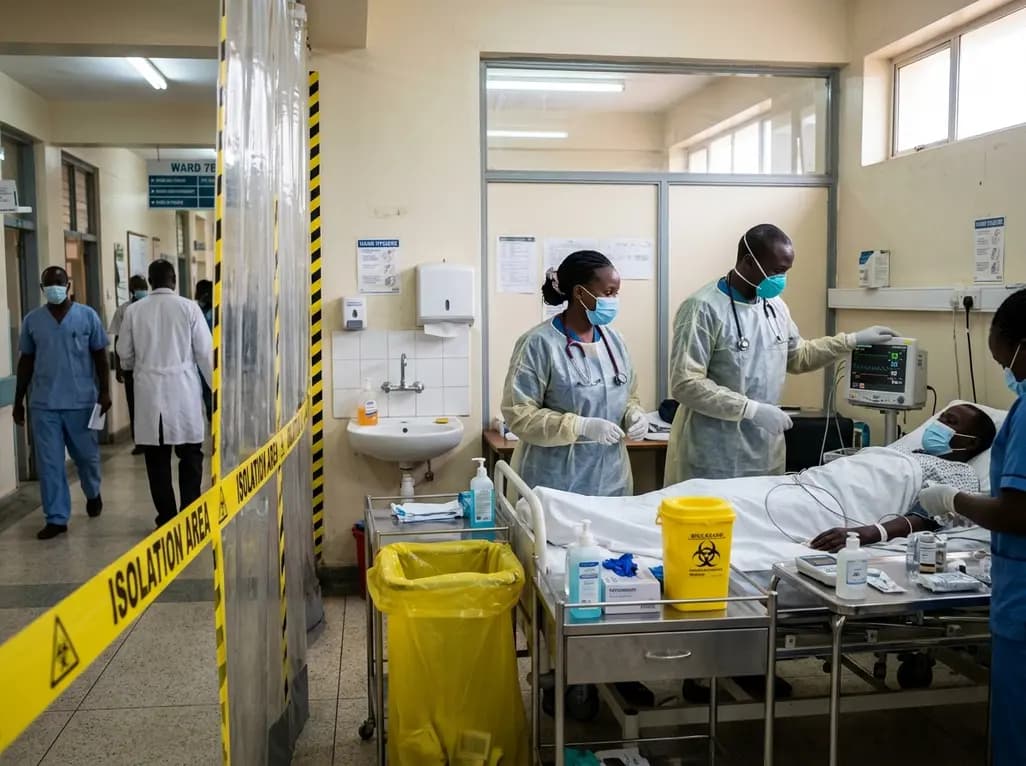
Kenya's confirmation of its eighth Ebola infection highlights the acute risk of secondary transmission in hospital environments. Clinicians must maintain high vigilance, enforce strict infection prevention protocols, and implement rapid triage mechanisms for viral hemorrhagic fevers across healthcare settings.
4 days back
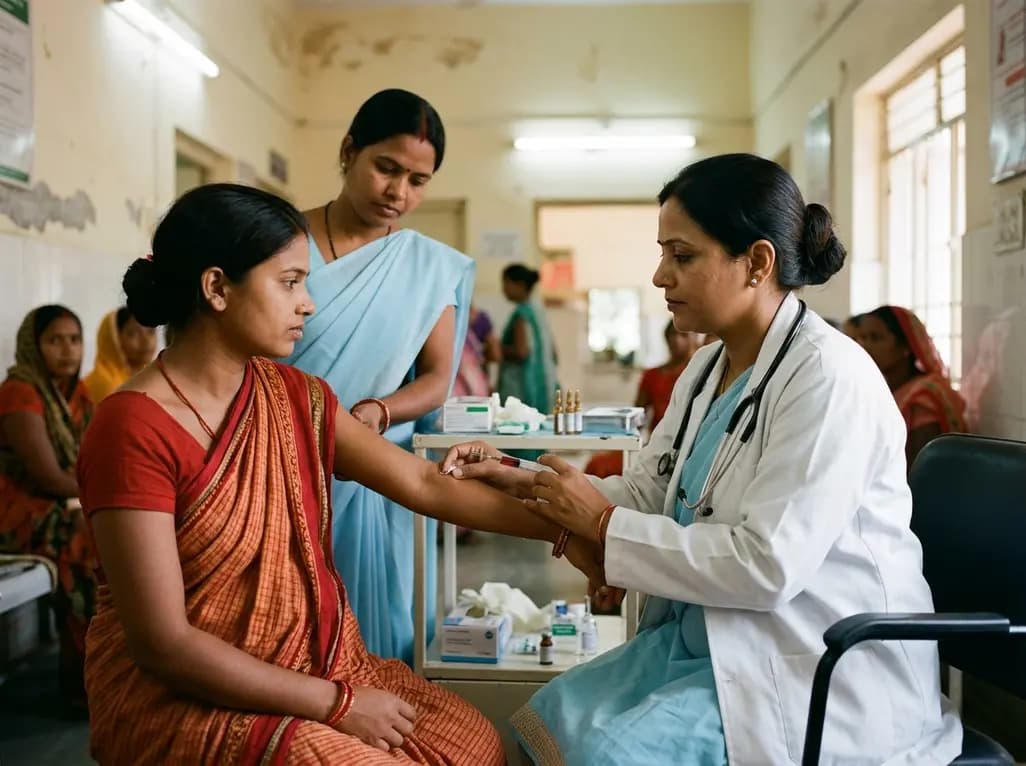
Maternal anaemia contributes to nearly half of pregnancy-related fatalities across India. To prevent complications, Uttar Pradesh has added single-dose parenteral iron to its essential medicines list. This clinical transition aims to restore haemoglobin rapidly and protect high-risk mothers across rural facilities.
Last week

India's food safety authority FSSAI has issued show-cause notices to Gemini Edibles, BigBasket, and Flipkart for unpermitted cardiovascular claims regarding Freedom Rice Bran Oil. This regulatory move highlights the strict enforcement of advertising standards and the clinical necessity of evidence-based lipid care.
6 days back

The state government is deploying helicopter emergency medical services across the Mumbai-Pune Expressway, Samruddhi Mahamarg, and Mumbai-Goa Highway. This initiative establishes unified standard operating procedures to enable rapid triage, advanced prehospital resuscitation, and seamless trauma care transfers.
Last week
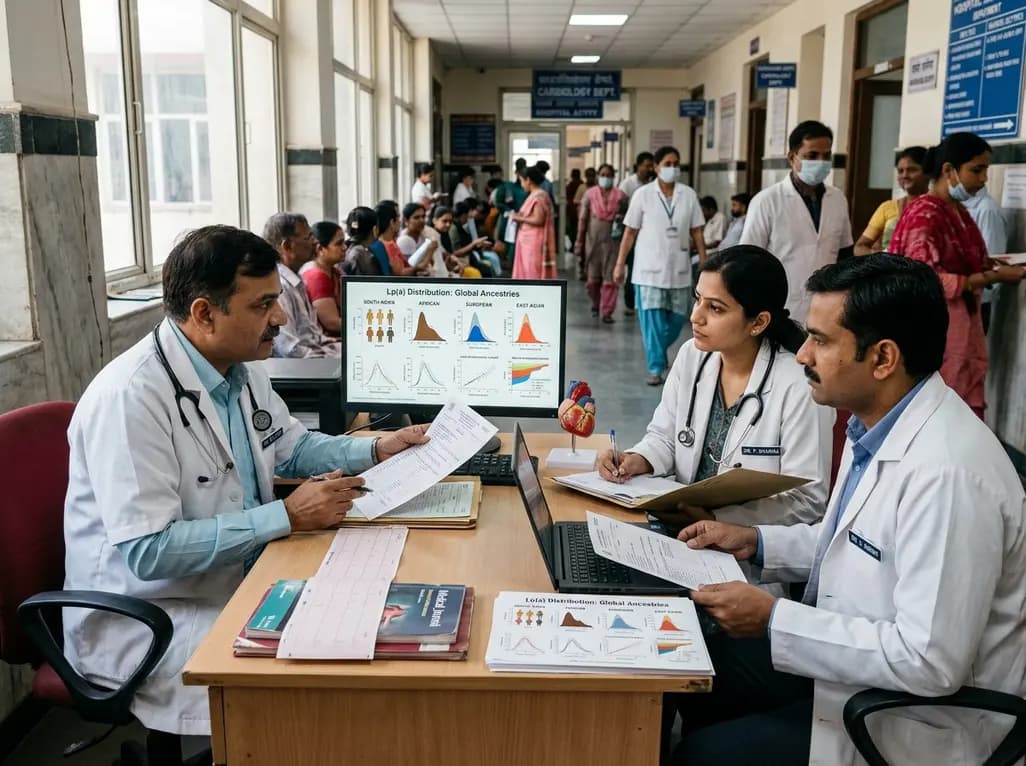
Atherosclerotic cardiovascular disease guidelines often rely on European-derived lipoprotein(a) cutoffs. However, baseline Lp(a) levels vary widely across ancestries, including South Asians and Africans. Clinicians must interpret Lp(a) values within overall absolute cardiovascular risk.
Last week
