.webp&w=384&q=75)

Loading, please wait...
Loading, please wait...

The recently released SESPAS Report 2026 brings a vital spotlight to the hundreds of thousands of independent healthcare professionals working within Spanish neighborhoods and towns. These professionals, often operating as self-employed individuals, provide essential services within the private sector that are deeply embedded in local communities. They demonstrate a high degree of proximity to their patients and frequently participate in health promotion activities. However, despite their significant presence, they often operate independently from large health organizations. This isolation creates a unique challenge for public-private healthcare coordination, as these clinicians remain largely outside the formal structures of the public healthcare system. Consequently, the services they deliver, while impactful, are not always aligned with broader national health strategies. Therefore, recognizing their role is the first step toward building a more cohesive health environment that benefits all citizens. Furthermore, understanding the scale of this private community care is essential for policy planners who wish to improve the continuity of care across diverse delivery models.
A primary concern identified in the SESPAS Report is the massive gap in data integration between independent practitioners and the National Health System. Currently, millions of clinical interventions are carried out in the private community sector annually. Nevertheless, very few of these interactions are ever captured within the national electronic health record system. This lack of data creates two parallel and largely disconnected systems coexisting within the same territory. When patients move between these two systems, the lack of information exchange can lead to significant clinical blind spots. Moreover, healthcare providers in the public sector are often unaware of the treatments or diagnostics already performed by their private counterparts. Such fragmentation hinders the ability to maintain a comprehensive and longitudinal view of a patient’s health history. As a result, the promise of a truly integrated health record remains unfulfilled. Transitioning toward a system where information flows seamlessly is mandatory for achieving effective public-private healthcare coordination in the modern digital era.
Inconsistent communication between public and private healthcare providers is not merely a bureaucratic issue; it is a significant concern for patient safety. When clinical information is siloed, the risk of medication errors, duplicate diagnostic testing, and conflicting treatment plans increases substantially. Patients frequently navigate both sectors, yet the critical details of their journey often fail to follow them. To address this, the SESPAS 2026 report suggests that a regulated exchange of information is necessary to allow collaboration for the patient's benefit. Specifically, integrating communication systems could alert providers to potential drug interactions or recently completed lab work. This coordination ensures that clinicians have access to the most current data at the point of care. Furthermore, it empowers patients to receive consistent advice regardless of the setting. Consequently, bridging this divide is essential for minimizing preventable medical errors and optimizing long-term health outcomes for chronic disease management.
Professional groups and pilot initiatives are already beginning to signal the urgent need for integrated communication systems. These statements emphasize that public-private healthcare coordination is not a luxury but a fundamental requirement for a modern health infrastructure. Many independent practitioners are eager to collaborate more closely with the public system to improve the quality of care they provide. However, they often face structural and technical barriers that make such collaboration difficult. For instance, the absence of standardized protocols for information sharing can deter independent clinics from engaging with public databases. Therefore, health authorities must work to create user-friendly and secure platforms that facilitate this exchange without placing an undue administrative burden on solo practitioners. By incentivizing the use of interoperable digital tools, the system can ensure that all healthcare providers are working toward the same goals. Ultimately, a unified approach will allow for better resource allocation and a more responsive healthcare landscape.
Beyond the clinical advantages, improving coordination between the public and private sectors offers substantial economic and operational benefits. When independent professionals are integrated into the health record network, the system can reduce the financial waste associated with redundant medical procedures. Currently, the public system may pay for tests that have already been conducted in a private clinic simply because the results are inaccessible. Additionally, better coordination allows for more efficient management of community health resources. Specifically, independent practitioners can take on a more formal role in monitoring public health trends and managing minor ailments, thereby reducing the pressure on overstretched public emergency departments. This collaborative model supports a more sustainable health economy by leveraging existing private infrastructure for public good. Furthermore, it allows for more accurate population health analytics, as data from all sectors can be aggregated to identify emerging health threats or care gaps. Consequently, integration serves the interests of both the government and the private practitioner.
The findings of the SESPAS 2026 report offer valuable lessons for healthcare systems worldwide, including the evolving digital health landscape in India. The integration of independent healthcare providers is a global challenge that requires deliberate policy intervention and technical innovation. In many nations, the private sector handles a massive share of the patient load, yet it remains digitally isolated. Successfully implementing public-private healthcare coordination requires a clear legal framework that protects patient privacy while enabling clinical collaboration. Moreover, it necessitates a shift in professional culture toward a more collaborative and less siloed approach to medicine. As digital health initiatives like the Ayushman Bharat Digital Mission (ABDM) expand, the focus must remain on making integration accessible for the small, independent clinic. By learning from the challenges identified in the Spanish context, policymakers can design systems that are more inclusive and resilient. Ultimately, the goal is to ensure that every patient receives high-quality, well-coordinated care, regardless of where that care is delivered.
The primary goal is to integrate independent healthcare professionals into the public health infrastructure to ensure seamless patient care. By fostering a regulated exchange of clinical data and integrating electronic health records, the system aims to reduce clinical blind spots. This coordination ensures that both public and private sectors work collaboratively rather than as parallel, disconnected systems, ultimately improving overall safety and treatment continuity.
A lack of data integration forces clinicians to make decisions based on incomplete patient histories. This fragmentation leads to increased risks of medication errors and the ordering of redundant diagnostic tests. When private sector interventions are not recorded in the national electronic health record, public providers may miss crucial details about a patient's current medications or previous allergic reactions, potentially compromising the quality of care.
Key barriers include a lack of interoperable digital systems, technical hurdles for solo practitioners, and a missing legal framework for standardized information exchange. Furthermore, independent professionals often operate outside the administrative reach of large public organizations, making it difficult to establish formal communication channels. Overcoming these challenges requires focused policy interventions, technical support, and a commitment to shared clinical goals across both the public and private sectors.
Disclaimer: This content is for informational and educational purposes only. It is based on the SESPAS 2026 report and is intended to provide a summary of its key findings within the context of global healthcare systems. Refer to the latest local and national guidelines for clinical practice.
References
Satué-de-Velasco E et al. [Coordination of self-employed community healthcare professionals with the public healthcare system. SESPAS Report 2026]. Gac Sanit. 2026 Jul 03. doi: undefined. PMID: 42398176.
Coronado-Vázquez V et al. Ethical and legal aspects of health care coordination. SESPAS Report 2026. Gaceta sanitaria Suppl 40 1. 2026 Apr 02.
Freire-Campo JM, Jiménez-Pernett J. [Barriers and challenges of care coordination in the Spanish National Health System. SESPAS Report 2026]. Gaceta Sanitaria. 2026 Jun 05.
"
Read summarized clinical updates, watch expert medical content, and earn CME certifications right from your smartphone.
Open your smartphone camera to scan and install.





The SESPAS 2026 report underscores the critical need for better coordination between self-employed community healthcare professionals and the public system. It highlights the safety risks of disconnected care and the necessity of integrating private data into national health records for optimized patient care.
3 months ago
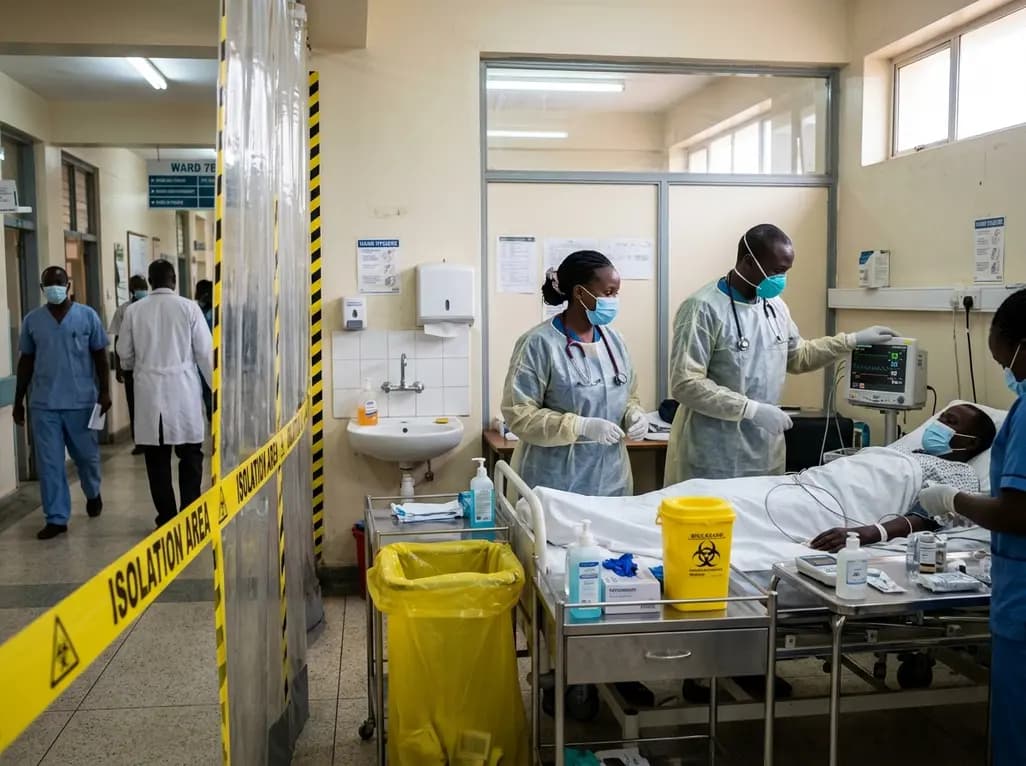
Kenya's confirmation of its eighth Ebola infection highlights the acute risk of secondary transmission in hospital environments. Clinicians must maintain high vigilance, enforce strict infection prevention protocols, and implement rapid triage mechanisms for viral hemorrhagic fevers across healthcare settings.
4 days back
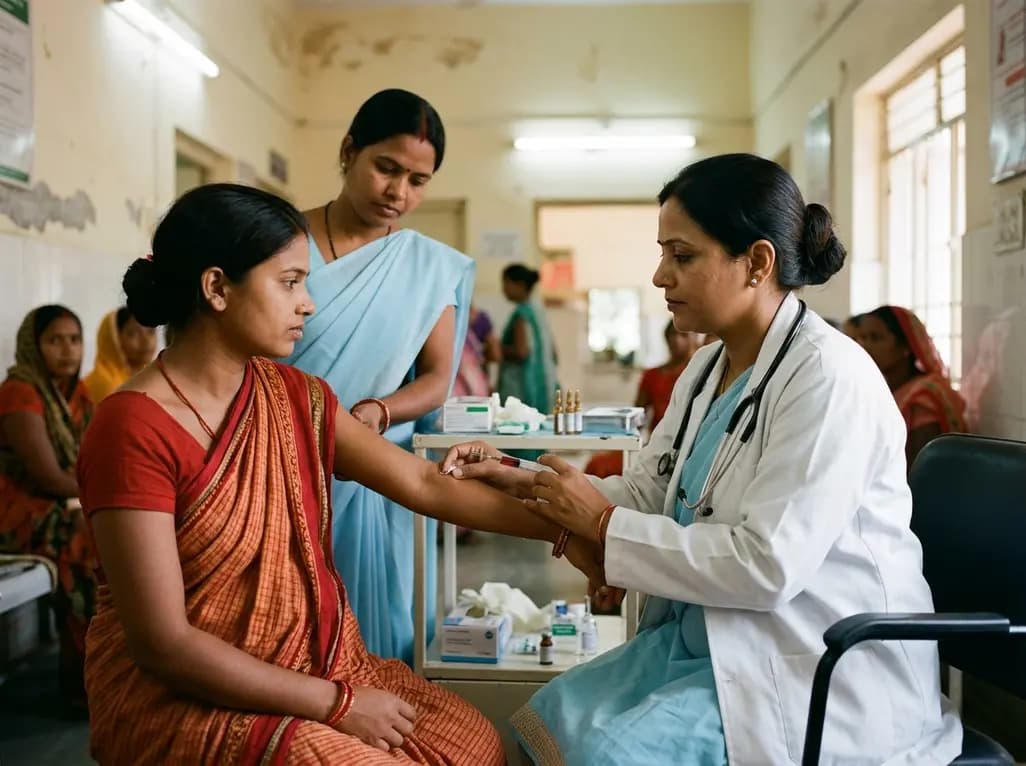
Maternal anaemia contributes to nearly half of pregnancy-related fatalities across India. To prevent complications, Uttar Pradesh has added single-dose parenteral iron to its essential medicines list. This clinical transition aims to restore haemoglobin rapidly and protect high-risk mothers across rural facilities.
Last week

India's food safety authority FSSAI has issued show-cause notices to Gemini Edibles, BigBasket, and Flipkart for unpermitted cardiovascular claims regarding Freedom Rice Bran Oil. This regulatory move highlights the strict enforcement of advertising standards and the clinical necessity of evidence-based lipid care.
6 days back

The state government is deploying helicopter emergency medical services across the Mumbai-Pune Expressway, Samruddhi Mahamarg, and Mumbai-Goa Highway. This initiative establishes unified standard operating procedures to enable rapid triage, advanced prehospital resuscitation, and seamless trauma care transfers.
Last week
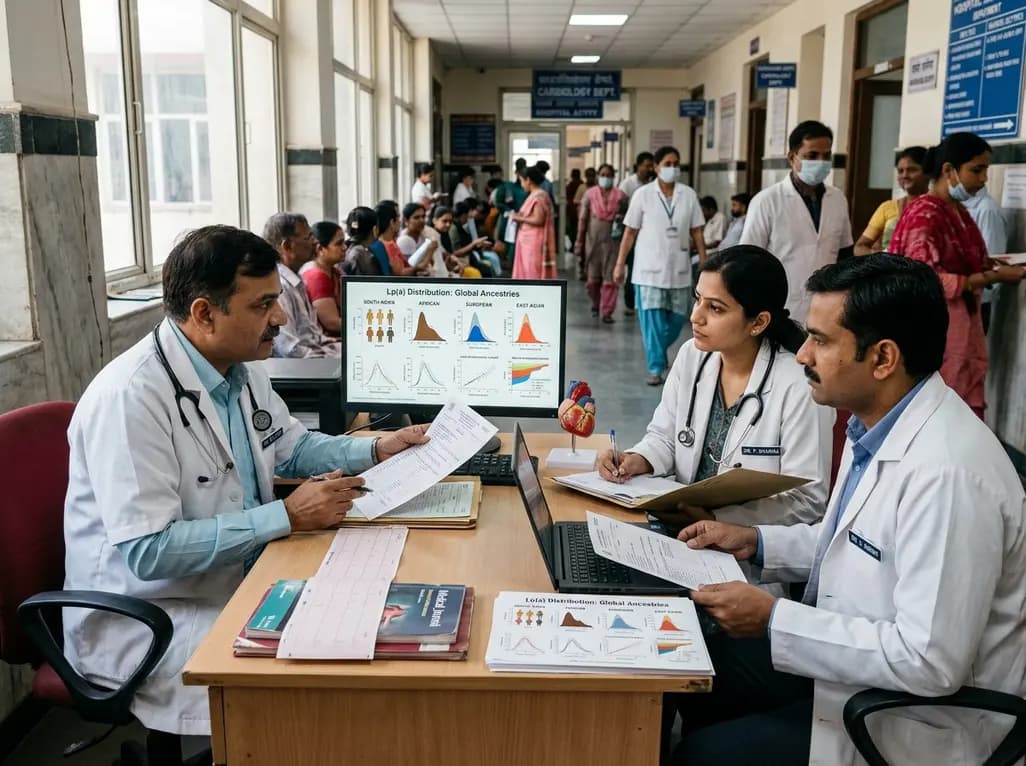
Atherosclerotic cardiovascular disease guidelines often rely on European-derived lipoprotein(a) cutoffs. However, baseline Lp(a) levels vary widely across ancestries, including South Asians and Africans. Clinicians must interpret Lp(a) values within overall absolute cardiovascular risk.
Last week
