.webp&w=384&q=75)

Loading, please wait...
Loading, please wait...
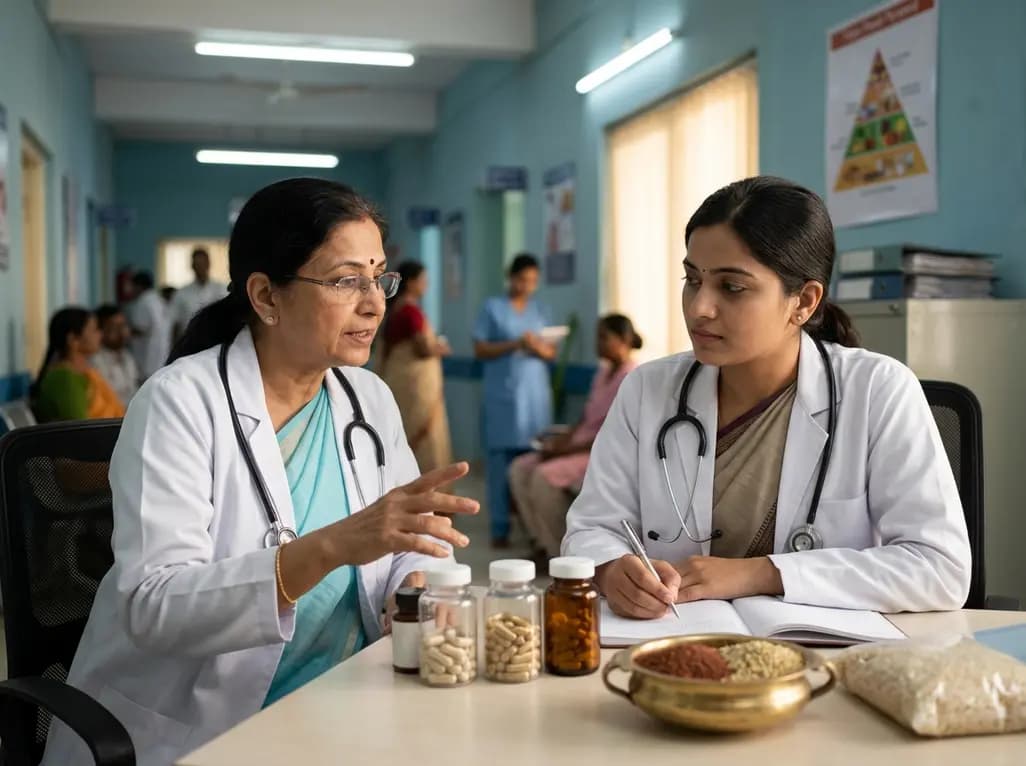
The rising focus on preventive healthcare India is fundamentally reshaping the wellness and medical ecosystem. As a result, India's nutraceuticals market is poised for an unprecedented expansion, with projections estimating it could reach $500 billion by 2047. Pritee Chaudhary, the Regional Director for the Western Region at the Food Safety and Standards Authority of India (FSSAI), recently highlighted this remarkable trajectory. Currently, the nutraceutical industry stands at approximately $10 billion, while the domestic pharmaceutical market is valued at nearly $50 billion. However, if the current pace of growth continues, nutraceuticals will likely outpace pharmaceuticals, expanding to nearly ten times their size over the next two decades. Consequently, healthcare practitioners must understand this transition, as patient care increasingly incorporates proactive nutritional intervention alongside traditional medicine.
The shift from reactive treatment to proactive wellness is a defining characteristic of modern medical practice in the country. Consequently, the massive demand for health supplements, functional foods, and dietary enhancers is driving this transition. Specifically, the concept of preventive healthcare India has transitioned from a niche urban trend to a mainstream public health movement. Currently, metro cities show the highest adoption rates of wellness supplements, but tier-II and tier-III cities are rapidly catching up. This geographic expansion indicates a deep-seated cultural shift toward lifelong health maintenance rather than acute illness treatment. Furthermore, as the national vision of Viksit Bharat by 2047 gains momentum, the nutrition industry represents a strategic pillar for nation-building. Therefore, medical professionals must recognize that their patients are actively seeking alternative and complementary therapies. This behavioral shift necessitates a comprehensive approach to patient counseling, wherein physicians evaluate dietary habits alongside standard pharmacotherapy. By understanding these market forces, clinicians can better guide patients toward safe, scientifically validated wellness solutions. Ultimately, the integration of high-quality nutritional supplements into standard care models can significantly reduce the overall national burden of chronic, lifestyle-related diseases.
As the market expands rapidly, ensuring strict regulatory compliance and uncompromising product quality becomes critically important. Consequently, the FSSAI has established stringent regulations and advanced advertisement monitoring mechanisms to scrutinize product safety. These mechanisms aim to carefully evaluate the scientific validity of health claims made by nutraceutical companies. However, Chaudhary emphasized that the primary responsibility for maintaining high product standards rests directly with the food businesses and manufacturers. As India transitions toward greater self-reliance and self-assessment, the regulatory model is shifting from heavy-handed enforcement to self-compliance. Therefore, the government's role will focus primarily on adopting a model of minimal enforcement while simultaneously creating greater awareness and promoting education. Clinicians should be aware of this regulatory transition, as it places a higher premium on independent verification of product safety. Because manufacturers must self-regulate, medical practitioners must critically evaluate the quality, clinical evidence, and safety profiles of recommended supplements. Specifically, looking for established quality certifications and verified ingredients is essential to protect patients from substandard formulations. This vigilance ensures that patients receive the intended therapeutic benefits without facing unnecessary health risks.
Food fortification represents a powerful tool to address widespread, persistent micronutrient deficiencies across diverse demographic segments. Specifically, this process involves enriching daily staple food products, such as rice, wheat, and milk, with essential vitamins and minerals. Consequently, large-scale public health programs leverage food fortification to combat conditions like anemia, neural tube defects, and severe vitamin deficiencies. In the context of preventive healthcare India, integrating fortified staples into national nutrition schemes provides an efficient and cost-effective preventive strategy. This systemic approach ensures that vulnerable populations receive vital nutrients without requiring drastic dietary modifications. Furthermore, the FSSAI and the government actively promote these fortification initiatives to build a resilient and healthy nation. Medical practitioners should actively support these initiatives by educating patients on the benefits of fortified foods. Additionally, clinicians can recommend these fortified options as a first line of nutritional defense for patients with mild deficiencies. By aligning clinical recommendations with national health guidelines, doctors can play a pivotal role in eradicating malnutrition. Ultimately, systemic food fortification combined with individual supplementation can bridge critical nutritional gaps across the country.
India possesses a unique medical heritage that offers a major competitive advantage in the global wellness market. Specifically, the country features 52 distinct agro-climatic zones and boasts more than 1,700 documented medicinal herbs. This immense biodiversity provides a solid foundation for the Ayur Ahara brand, which combines traditional Ayurvedic knowledge with modern nutritional science. Consequently, the global market is increasingly searching for alternative nutrition solutions and functional bioactive ingredients sourced from India. This transition presents an extraordinary opportunity for the domestic nutraceutical industry to scale globally. By utilizing scientific validation and rigorous clinical testing, manufacturers can transform traditional herbal remedies into trusted, standardized wellness supplements. Therefore, integrating Ayur Ahara into mainstream clinical recommendations can enrich the preventive care toolkit available to Indian physicians. Clinicians can confidently recommend these traditional, scientifically backed formulations to support metabolic health, enhance immunity, and improve overall vitality. Furthermore, this fusion of ancient wisdom and modern technology aligns perfectly with the goals of preventive healthcare India. By leveraging these native resources, the medical community can deliver culturally relevant, highly effective, and sustainable health solutions to diverse patient groups.
The exponential growth of the supplement market highlights the critical need for evidence-based clinical recommendations. Since patients are increasingly self-prescribing nutraceuticals, physicians must proactively initiate open discussions regarding supplement use. Specifically, doctors should evaluate potential drug-nutrient interactions, correct dosages, and the scientific validity of product claims. Furthermore, educating patients on the distinction between supportive health supplements and active pharmaceutical treatments is vital for patient safety. Although nutraceuticals can significantly enhance well-being, they should never replace essential medical therapies for chronic conditions. Consequently, a balanced, integrated approach to patient care remains the gold standard in modern clinical practice. Medical practitioners should familiarize themselves with reliable resources, such as FSSAI databases, to verify supplement registrations. By doing so, they can protect their patients from misleading marketing claims and potentially harmful ingredients. Additionally, fostering a non-judgmental environment encourages patients to disclose all the dietary supplements they currently consume. Ultimately, this collaborative and scientifically rigorous approach ensures that preventive healthcare India remains both safe and highly effective. Clinicians, therefore, serve as the essential link between booming wellness trends and safe, evidence-based clinical outcomes.
Q1: What exactly are nutraceuticals and how do they differ from pharmaceuticals?
Nutraceuticals are products derived from food sources that provide extra health benefits beyond basic nutrition. Specifically, they include health supplements, prebiotics, probiotics, and fortified foods designed to support bodily functions and prevent diseases. Unlike pharmaceuticals, which undergo rigorous clinical trials to treat or cure specific medical conditions, nutraceuticals focus primarily on maintaining wellness and supporting preventive healthcare India strategies without replacing standard medical therapies.
Q2: Who is responsible for ensuring the safety and quality of nutraceuticals in India?
The primary responsibility for product safety and quality lies directly with the food businesses and manufacturers. Although the FSSAI establishes strict regulatory standards and monitors advertisements, the industry operates on a self-compliance and self-assessment model. Consequently, manufacturers must ensure their products are safe and accurately labeled. Therefore, clinicians must carefully evaluate brands and recommend supplements from highly trusted, compliant manufacturers.
Q3: How does the Ayur Ahara initiative benefit the Indian wellness sector?
The Ayur Ahara brand merges India's rich Ayurvedic heritage with modern nutritional standards to create unique, health-promoting food products. By utilizing the country's diverse agro-climatic zones and medicinal herbs, this initiative provides validated, alternative nutrition solutions. Furthermore, it allows Indian manufacturers to offer globally competitive, bioactive ingredients. This combination of traditional wisdom and modern science enhances the scope of preventive healthcare India.
Disclaimer: This content is for informational and educational purposes only. It does not constitute medical advice or replace professional judgment. Refer to the latest local and national guidelines for clinical practice.
References

Read summarized clinical updates, watch expert medical content, and earn CME certifications right from your smartphone.
Open your smartphone camera to scan and install.





Discover how India's nutraceuticals market is projected to reach $500 billion by 2047. Driven by a surge in preventive healthcare, this transition marks a major paradigm shift toward self-compliance, Ayu Ahara, and fortified food solutions, reshaping national medical practices.
3 months ago

Kenya's confirmation of its eighth Ebola infection highlights the acute risk of secondary transmission in hospital environments. Clinicians must maintain high vigilance, enforce strict infection prevention protocols, and implement rapid triage mechanisms for viral hemorrhagic fevers across healthcare settings.
4 days back
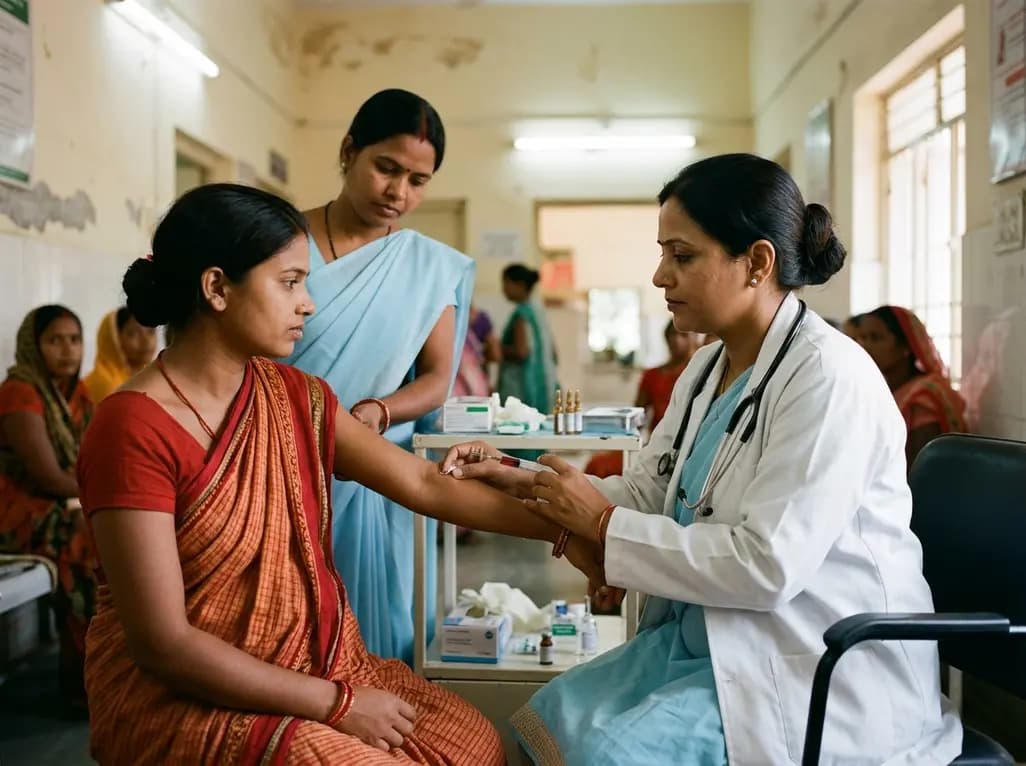
Maternal anaemia contributes to nearly half of pregnancy-related fatalities across India. To prevent complications, Uttar Pradesh has added single-dose parenteral iron to its essential medicines list. This clinical transition aims to restore haemoglobin rapidly and protect high-risk mothers across rural facilities.
Last week

India's food safety authority FSSAI has issued show-cause notices to Gemini Edibles, BigBasket, and Flipkart for unpermitted cardiovascular claims regarding Freedom Rice Bran Oil. This regulatory move highlights the strict enforcement of advertising standards and the clinical necessity of evidence-based lipid care.
6 days back

The state government is deploying helicopter emergency medical services across the Mumbai-Pune Expressway, Samruddhi Mahamarg, and Mumbai-Goa Highway. This initiative establishes unified standard operating procedures to enable rapid triage, advanced prehospital resuscitation, and seamless trauma care transfers.
Last week
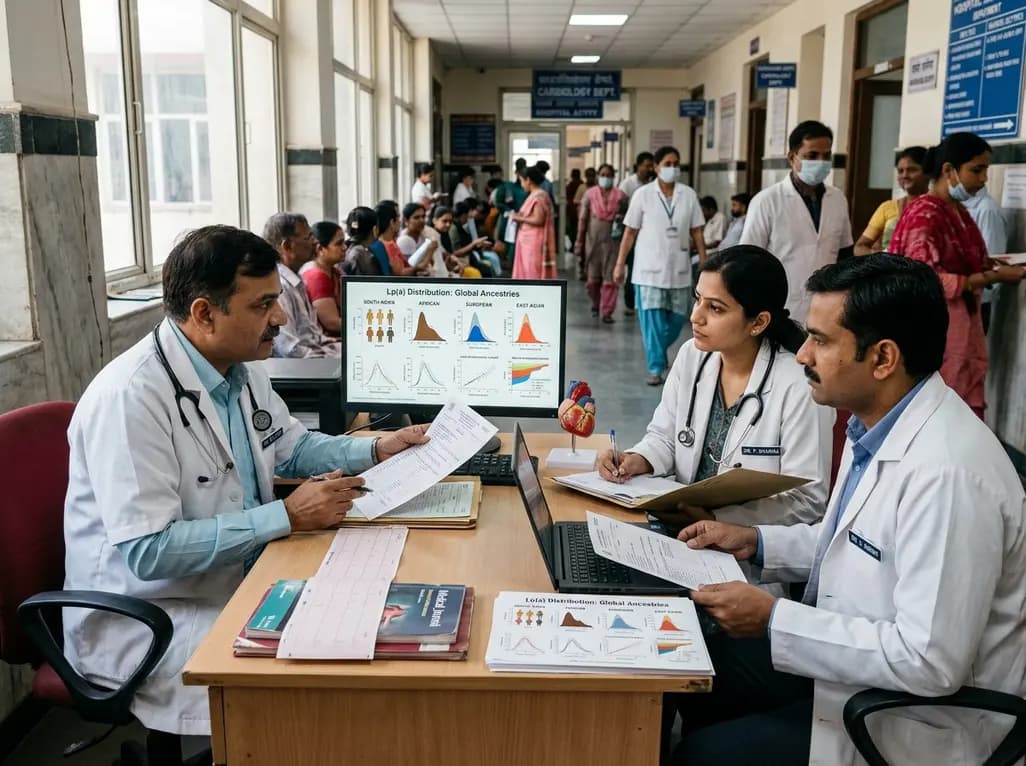
Atherosclerotic cardiovascular disease guidelines often rely on European-derived lipoprotein(a) cutoffs. However, baseline Lp(a) levels vary widely across ancestries, including South Asians and Africans. Clinicians must interpret Lp(a) values within overall absolute cardiovascular risk.
Last week
