.webp&w=384&q=75)

Loading, please wait...
Loading, please wait...
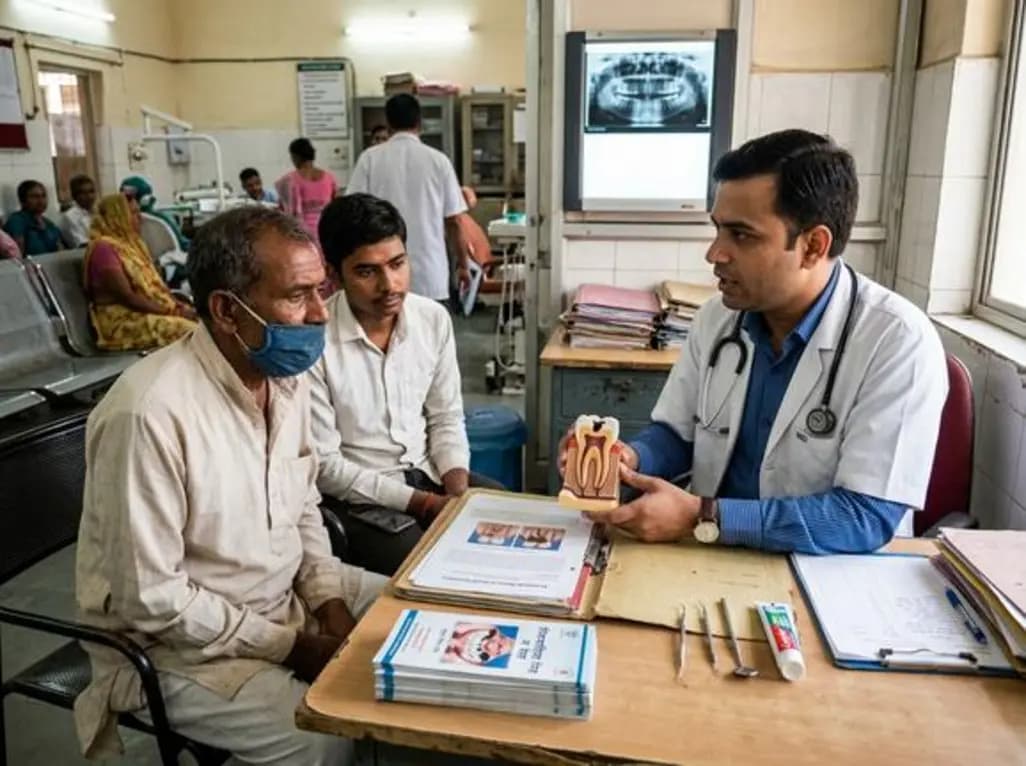
Preventable dental emergencies place an immense economic burden on healthcare systems globally. A systematic review published in 2026 highlights that conditions like dental caries and odontogenic infections are primary drivers of avoidable hospital admissions. These visits often stem from systemic barriers, including financial constraints and limited access to routine care. Understanding the financial impact of these presentations is crucial for developing sustainable healthcare policies.
The review indicates that the mean charges for a single emergency department visit due to preventable dental issues range from $409.73 to $2,740.76. Furthermore, if these conditions progress to hospital admissions, the costs increase significantly, potentially reaching over $62,000. In India, similar trends are observed where out-of-pocket expenditure remains high for oral diseases. Consequently, untreated dental issues often lead to catastrophic health expenditures for low-income households.
Notably, socio-demographic disparities significantly influence the frequency of preventable dental emergencies. Uninsured individuals and residents of low-income areas face the highest risk. Therefore, experts suggest that strengthening the dental workforce and improving oral health literacy are vital. Integration between medical and dental services can also help identify risks early, thereby reducing the need for urgent hospital-based care.
To address this growing crisis, healthcare providers must focus on affordability and preventive services. Specifically, enhancing access to routine dental check-ups can prevent minor caries from evolving into severe odontogenic infections. In fact, policy interventions should prioritize high-risk groups by expanding insurance coverage for basic dental procedures. Ultimately, shifting from reactive to preventive care will save lives and billions in healthcare resources.
The most frequent causes identified are dental caries (tooth decay) and severe odontogenic infections, both of which are manageable through routine preventive care.
Preventable dental emergencies divert critical resources from hospitals. They result in high mean charges for emergency visits and significantly costlier hospital admissions for complications.
Disclaimer: This content is for informational and educational purposes only. It does not constitute medical advice or a professional recommendation. Always consult a qualified healthcare provider for personal health concerns. Refer to the latest local and national guidelines for clinical practice.
References

Read summarized clinical updates, watch expert medical content, and earn CME certifications right from your smartphone.
Open your smartphone camera to scan and install.





A systematic review highlights the massive economic burden of preventable dental emergencies, identifying caries and infections as key drivers. Improving access to routine care and integrating medical-dental services are essential strategies to reduce healthcare costs and patient suffering.
4 months ago
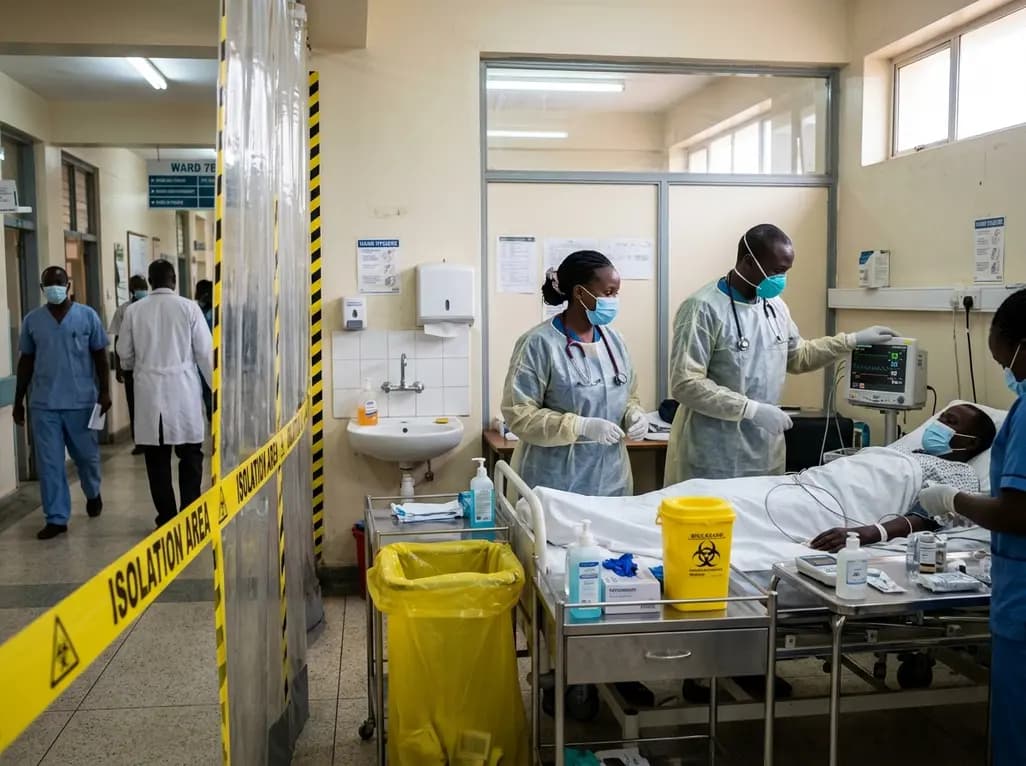
Kenya's confirmation of its eighth Ebola infection highlights the acute risk of secondary transmission in hospital environments. Clinicians must maintain high vigilance, enforce strict infection prevention protocols, and implement rapid triage mechanisms for viral hemorrhagic fevers across healthcare settings.
4 days back
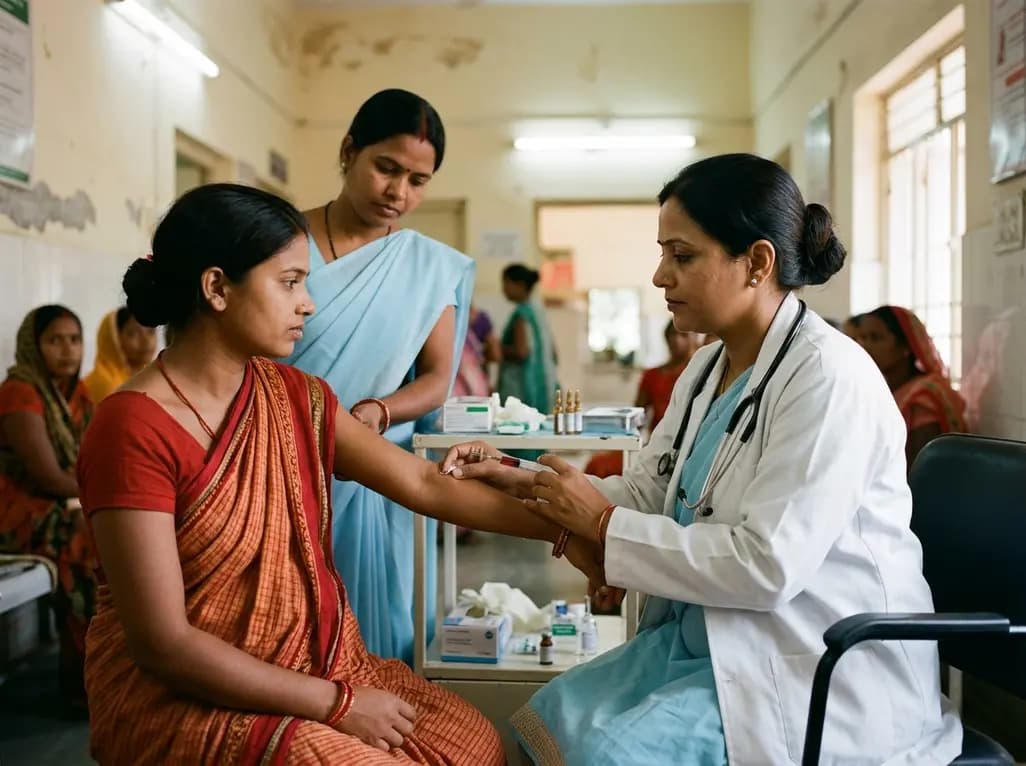
Maternal anaemia contributes to nearly half of pregnancy-related fatalities across India. To prevent complications, Uttar Pradesh has added single-dose parenteral iron to its essential medicines list. This clinical transition aims to restore haemoglobin rapidly and protect high-risk mothers across rural facilities.
Last week
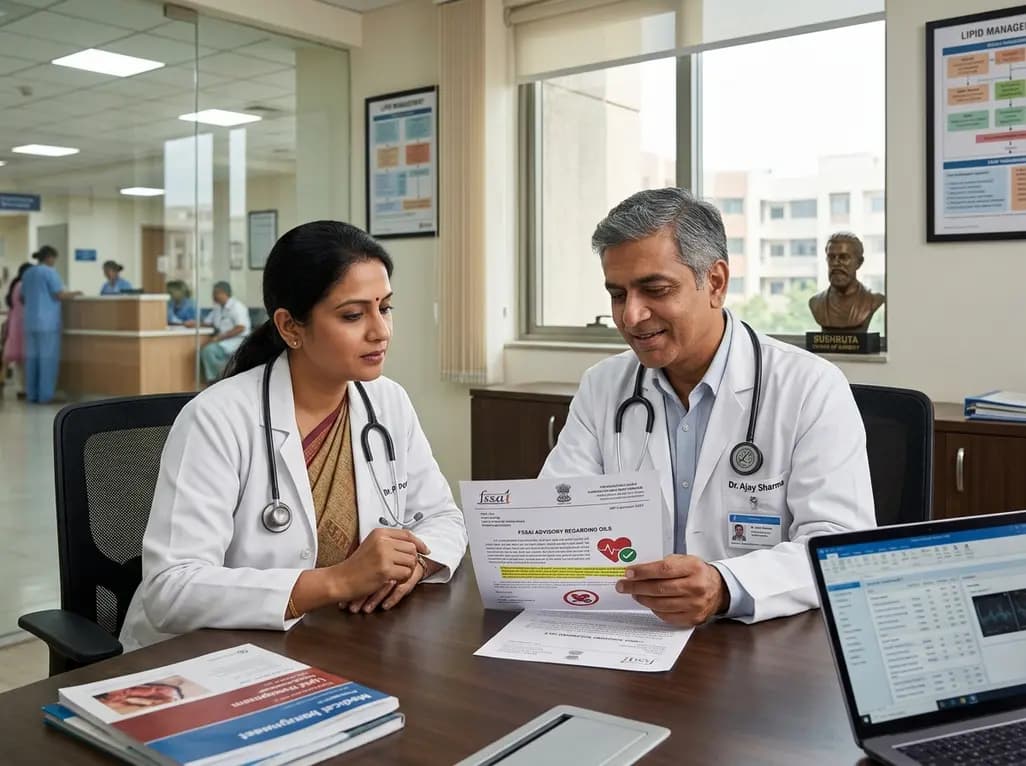
India's food safety authority FSSAI has issued show-cause notices to Gemini Edibles, BigBasket, and Flipkart for unpermitted cardiovascular claims regarding Freedom Rice Bran Oil. This regulatory move highlights the strict enforcement of advertising standards and the clinical necessity of evidence-based lipid care.
6 days back
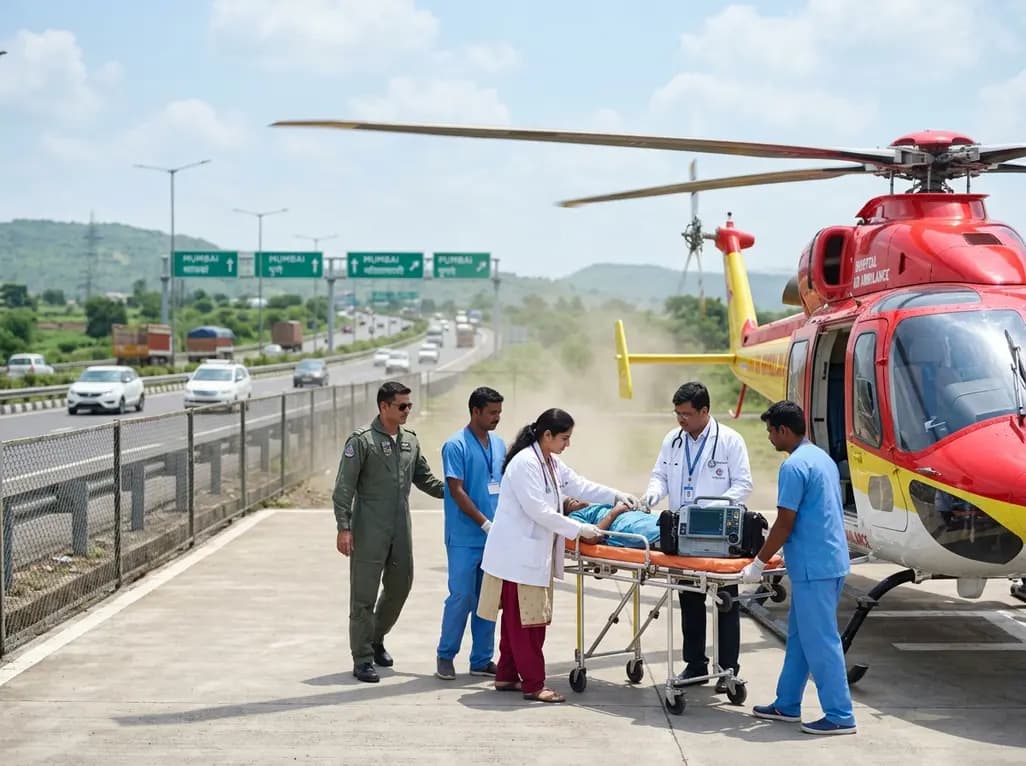
The state government is deploying helicopter emergency medical services across the Mumbai-Pune Expressway, Samruddhi Mahamarg, and Mumbai-Goa Highway. This initiative establishes unified standard operating procedures to enable rapid triage, advanced prehospital resuscitation, and seamless trauma care transfers.
Last week
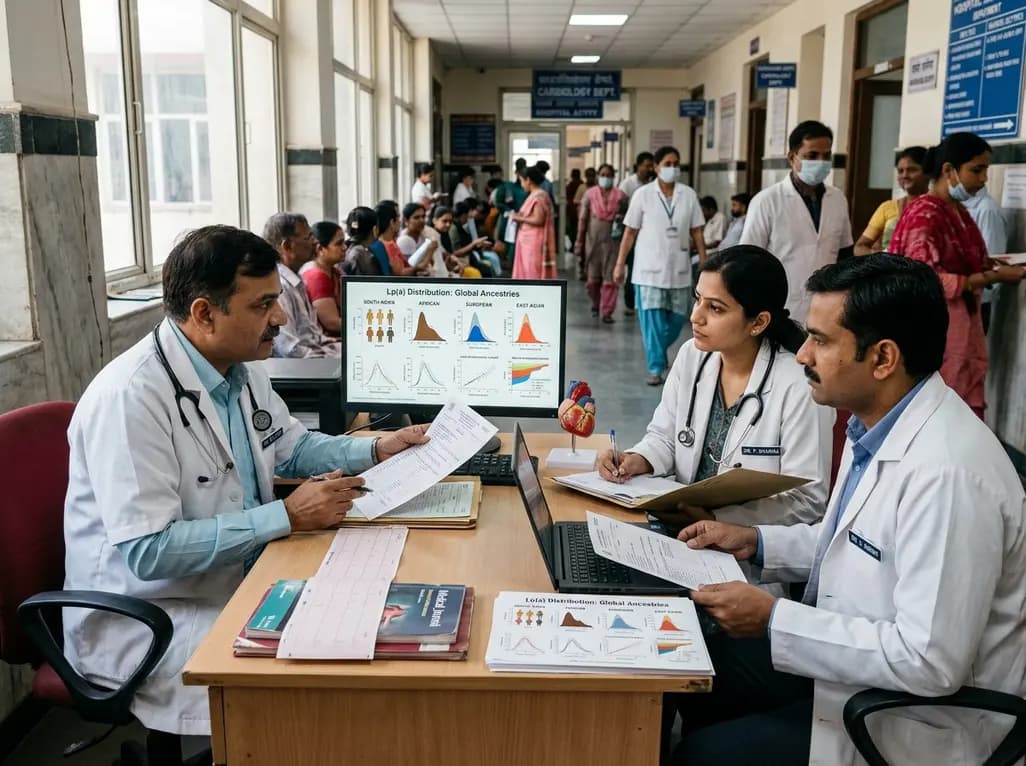
Atherosclerotic cardiovascular disease guidelines often rely on European-derived lipoprotein(a) cutoffs. However, baseline Lp(a) levels vary widely across ancestries, including South Asians and Africans. Clinicians must interpret Lp(a) values within overall absolute cardiovascular risk.
Last week
