.webp&w=384&q=75)

Loading, please wait...
Loading, please wait...
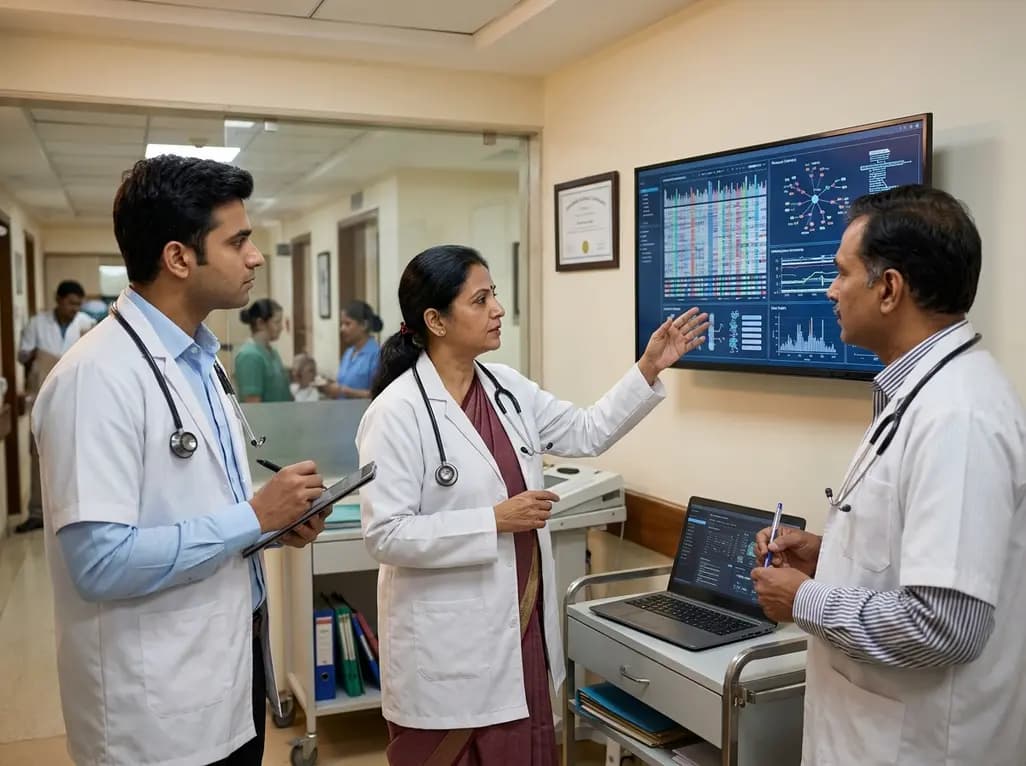
Precision oncology is rapidly transforming cancer therapy by tailoring treatments to individual genetic profiles. Currently, the adoption of advanced precision oncology testing is expanding beyond metropolitan hospitals into smaller cities across India. Furthermore, Bengaluru-based startup 4baseCare recently secured an additional Rs 38 crore in a top-up round led by growX Ventures and Infosys. Consequently, its total Series B funding has reached Rs 128 crore. The company plans to utilize this capital to scale its artificial intelligence platform and expand its global laboratory network.
Historically, genomic testing datasets and clinical trials have focused heavily on Caucasian populations in the United States and Europe. This geographic concentration often limits treatment insights for patients in emerging markets. Consequently, 4baseCare aims to build solutions specifically for underrepresented populations in regions such as India, the Middle East, Southeast Asia, and Latin America. Additionally, the startup operates active laboratories in India, Dubai, Nepal, and the Philippines. Indeed, the organization plans to expand into ten additional countries over the next 18 months.
In addition to international expansion, 4baseCare is actively decentralizing genomic testing infrastructure across India. Typically, clinics send all patient samples to centralized facilities in major metros like Bengaluru. Instead of relying on this model, the startup is setting up in-hospital genomics labs. Recently, the company established strategic partnerships with major institutions including Max Healthcare, AIIMS Jammu, and Shankara Hospital. This decentralized approach brings advanced technology closer to clinicians and patients. Consequently, it significantly reduces turnaround times, enhances local research collaboration, and makes advanced cancer testing far more accessible.
Technology plays a critical role in modern precision oncology testing. For instance, 4baseCare's proprietary platform, OncoTwin, utilizes multimodal datasets to create \"digital twins\" of cancer patients. Specifically, it combines genomic, pathology, radiology, and clinical records to map individual treatment journeys. By comparing these digital profiles, the platform provides clinicians with real-world evidence of therapies that worked for similar patients. Ultimately, this clinical decision support tool helps oncologists select highly personalized remedies like targeted therapies and immunotherapies, which are vital for advanced-stage cancer cases.
Q1: What is OncoTwin?
OncoTwin is an AI-powered clinical decision support platform developed by 4baseCare. It creates digital twins of cancer patients by analyzing multimodal datasets, helping oncologists find real-world evidence of successful treatments for similar patients.
Q2: Why is decentralizing genomic testing important?
Decentralizing testing via in-hospital labs reduces sample shipping times, improves diagnostic turnaround times, and enhances research collaboration, bringing advanced cancer diagnostics closer to patients in tier 2 and tier 3 cities.
Q3: How does precision oncology benefit cancer patients?
Precision oncology uses genomic testing to identify specific molecular changes in a tumor. Consequently, doctors can prescribe targeted therapies and immunotherapies instead of generic chemotherapy, resulting in more effective, personalized treatment.
Disclaimer: This content is for informational and educational purposes only. It does not constitute medical advice or replace professional judgment. Refer to the latest local and national guidelines for clinical practice.
References

Read summarized clinical updates, watch expert medical content, and earn CME certifications right from your smartphone.
Open your smartphone camera to scan and install.





Precision oncology startup 4baseCare raises Rs 128 crore, backed by Infosys and growX Ventures, to scale its AI platform OncoTwin and expand its genomics lab network globally. Learn how this funding will decentralize cancer testing and improve personalized oncology care in India and beyond.
4 months ago
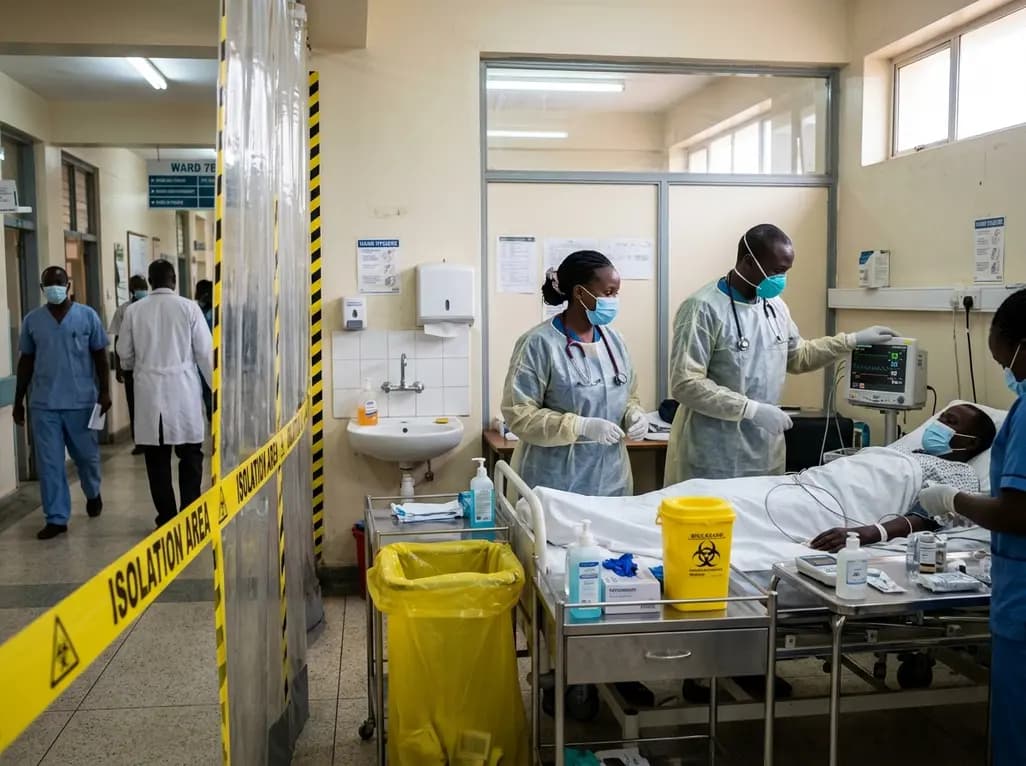
Kenya's confirmation of its eighth Ebola infection highlights the acute risk of secondary transmission in hospital environments. Clinicians must maintain high vigilance, enforce strict infection prevention protocols, and implement rapid triage mechanisms for viral hemorrhagic fevers across healthcare settings.
3 days back
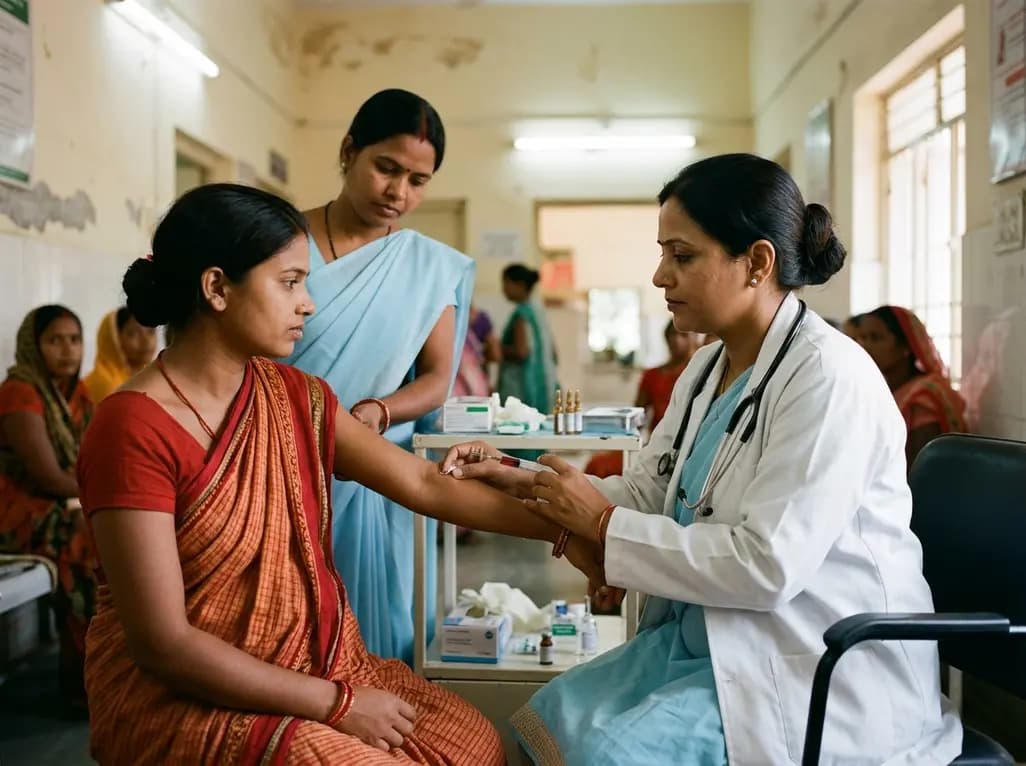
Maternal anaemia contributes to nearly half of pregnancy-related fatalities across India. To prevent complications, Uttar Pradesh has added single-dose parenteral iron to its essential medicines list. This clinical transition aims to restore haemoglobin rapidly and protect high-risk mothers across rural facilities.
Last week
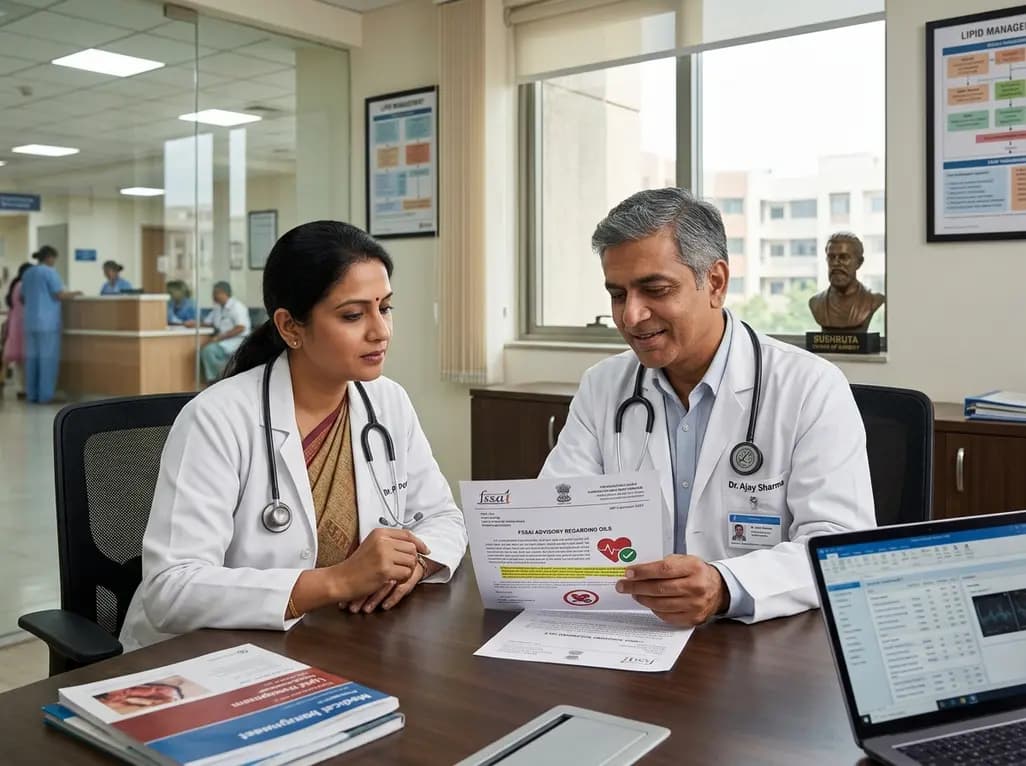
India's food safety authority FSSAI has issued show-cause notices to Gemini Edibles, BigBasket, and Flipkart for unpermitted cardiovascular claims regarding Freedom Rice Bran Oil. This regulatory move highlights the strict enforcement of advertising standards and the clinical necessity of evidence-based lipid care.
5 days back

The state government is deploying helicopter emergency medical services across the Mumbai-Pune Expressway, Samruddhi Mahamarg, and Mumbai-Goa Highway. This initiative establishes unified standard operating procedures to enable rapid triage, advanced prehospital resuscitation, and seamless trauma care transfers.
Last week
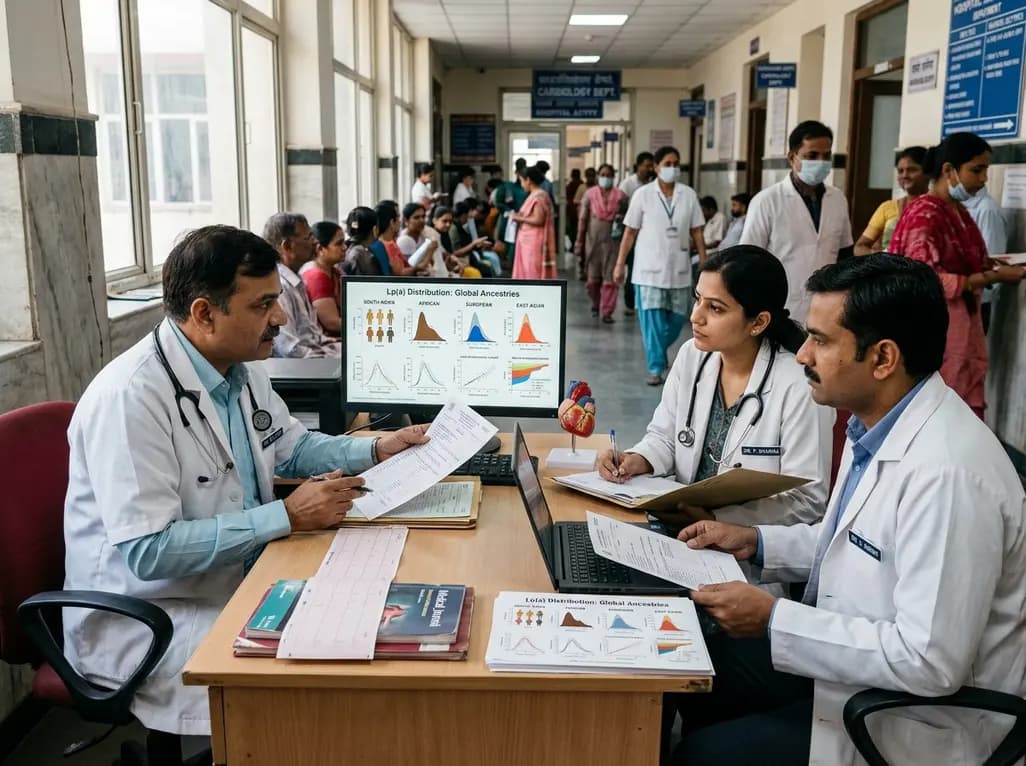
Atherosclerotic cardiovascular disease guidelines often rely on European-derived lipoprotein(a) cutoffs. However, baseline Lp(a) levels vary widely across ancestries, including South Asians and Africans. Clinicians must interpret Lp(a) values within overall absolute cardiovascular risk.
Last week
