.webp&w=384&q=75)

Loading, please wait...
Loading, please wait...
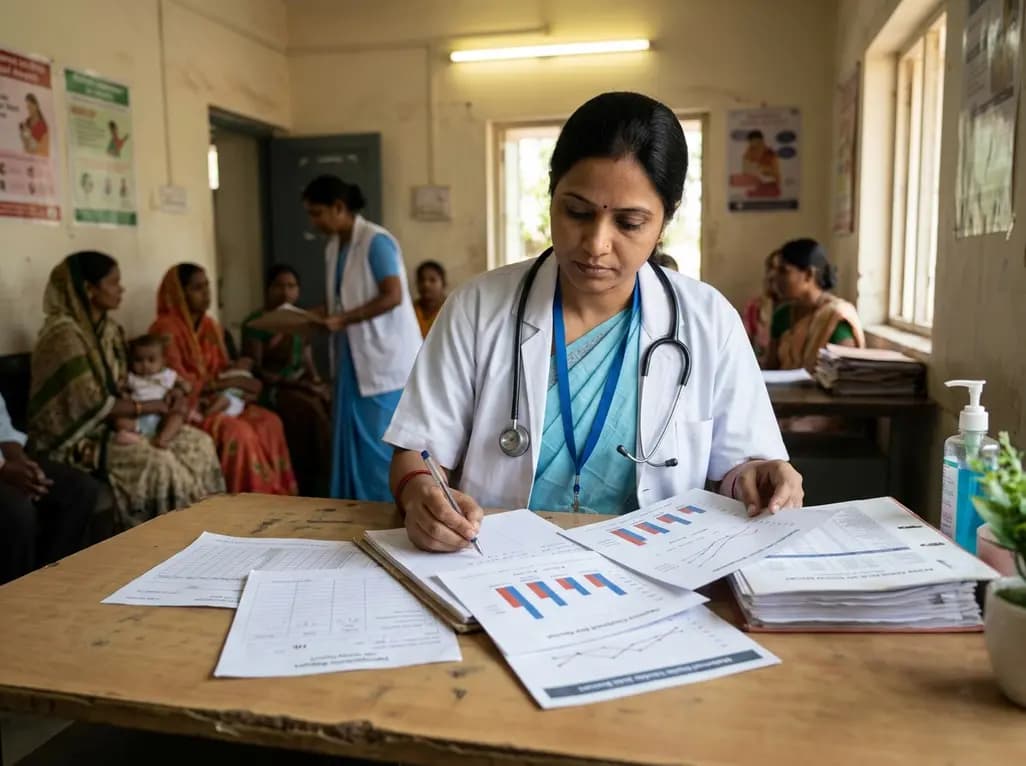
Postpartum anemia in India remains a critical public health issue that significantly impacts maternal health outcomes and long-term physiological well-being. According to the secondary analysis of the NFHS-5 data, the prevalence of this condition is alarmingly high among women within the first six months after delivery. While pregnancy-related iron requirements are widely documented, the persistent deficiency into the postpartum period suggests a distinct failure in the continuum of care. This study provides a comprehensive look at how demographic, socioeconomic, and geographic factors shape the burden of anemia in the country. Clinicians must recognize that postpartum anemia in India is not merely a clinical symptom but a multifaceted challenge rooted in systemic inequalities. The findings highlight that more than half of the women surveyed in this period suffer from some degree of hemoglobin deficiency. Addressing this requires a nuanced understanding of the socio-biological interplay that prevents effective iron stores' replenishment. Consequently, healthcare providers are urged to move beyond standard antenatal care and prioritize postnatal monitoring to mitigate adverse effects on the mother and infant. By focusing on early screening and education, medical professionals can play a decisive role in reversing these trends and improving national health metrics.
The analysis of NFHS-5 data reveals deep-seated socioeconomic inequalities that dictate the risk of developing anemia during the postpartum phase. Notably, wealth status appears as one of the most potent predictors, with women from the lowest wealth quintiles experiencing significantly higher rates compared to their wealthier counterparts. This disparity is often compounded by limited educational attainment, which directly correlates with poor nutritional awareness and lower healthcare-seeking behavior. Furthermore, women belonging to marginalized social groups frequently face systemic barriers that limit their access to iron-rich diets and preventive services. The study indicates that the likelihood of persistent anemia is also higher among women with high-risk fertility behaviors, such as short birth intervals. These factors deplete maternal iron reserves faster than they can be replenished. Consequently, the socioeconomic matrix functions as a major determinant of health, where poverty and lack of education create a cycle of nutritional vulnerability. Therefore, clinical interventions must be accompanied by social support systems that address these underlying inequities. By identifying these high-risk subgroups, healthcare practitioners can better tailor their counseling and treatment protocols to ensure that the most vulnerable women receive the intensive care they require to recover fully from delivery.
Geographic location significantly influences the prevalence of postpartum anemia in India, with substantial variations observed across different states and union territories. The secondary analysis underscores that eastern states like West Bengal and Bihar report some of the highest burdens in the country. In contrast, southern states such as Kerala and Tamil Nadu show relatively better outcomes, likely due to more robust public health infrastructures and higher literacy rates. These regional disparities are not just a matter of local dietary habits but also reflect the varying efficacy of state-level implementation of maternal health programs. For instance, the accessibility of postnatal check-ups and the distribution of Iron and Folic Acid supplements vary widely across the Indian landscape. Urban and rural divides also play a role, where rural women often suffer from a lack of proximity to specialized care centers and diagnostic facilities. Interestingly, even in regions with high institutional delivery rates, the lack of follow-up care within the crucial postpartum window remains a glaring gap. This geographic mapping is essential for policymakers to allocate resources effectively and for clinicians to understand specific local risks. Addressing regional gaps requires a decentralized approach that empowers local health workers to provide individualized and accessible care.
Healthcare factors, particularly the quality and frequency of postnatal care, are pivotal in managing the burden of anemia. The NFHS-5 data suggests that while institutional deliveries have increased, the transition from prenatal iron supplementation to postpartum recovery is often neglected. Current clinical guidelines recommend continued iron and folic acid supplementation for at least 180 days after delivery. However, compliance remains a major hurdle, with many women discontinuing medication due to side effects or a lack of awareness about its importance. Clinicians play a vital role in reinforcing the need for these supplements during every postnatal visit. Moreover, the integration of digital point-of-care testing can help in the early identification and treatment of moderate to severe anemia. For those with severe deficiency, intravenous iron sucrose or ferric carboxymaltose may be necessary, as oral iron might be insufficient to bridge the gap quickly. Furthermore, emphasizing delayed cord clamping and dietary diversity during consultations can provide additional protection against iron depletion. By focusing on a holistic management protocol that combines supplementation and advanced therapeutic options, healthcare providers can effectively reduce the incidence of maternal morbidity associated with low hemoglobin levels.
Reducing the prevalence of anemia necessitates a paradigm shift from sporadic clinical visits to a sustained life-cycle approach. The Anemia Mukt Bharat strategy's framework is a step in the right direction, but its success depends on rigorous implementation at the grassroots level. This involves strengthening the role of community health workers in tracking postpartum women and ensuring they complete their iron regimen. Additionally, public health messaging must be revamped to address cultural myths and dietary restrictions that often impede nutritional recovery. Strengthening food fortification programs can also provide a baseline of iron intake for the entire population. On the clinical front, regular screening during the first six months post-delivery should become a standard part of postnatal care packages. Collaboration between obstetricians, pediatricians, and nutritionists is essential to provide a comprehensive support system for new mothers. Furthermore, addressing non-nutritional causes like malaria and parasitic infections in endemic areas is crucial for holistic management. Only through a combination of social policy, nutritional intervention, and vigilant clinical oversight can India hope to meet its ambitious targets for maternal health. Achieving these goals will not only improve maternal outcomes but also ensure a healthier start for the next generation of children.
Untreated postpartum anemia in India is linked to significant maternal morbidity, including chronic fatigue, increased susceptibility to infections, and postpartum depression. Physiologically, low hemoglobin levels impair oxygen transport, leading to cardiovascular stress and impaired lactation. This can negatively affect infant growth and maternal bonding. Early detection through screening and prompt iron replacement therapy are essential to prevent these complications, ensuring better long-term health outcomes for both the mother and the newborn child.
The Anemia Mukt Bharat (AMB) strategy specifically includes postpartum women in its target groups. It mandates the prophylactic distribution of 180 Iron and Folic Acid (IFA) tablets to be consumed daily for six months following delivery. Furthermore, the program emphasizes behavior change communication to improve compliance and encourages dietary diversity. AMB also supports the management of severe anemia through specialized interventions like intravenous iron at health facilities to ensure rapid and effective maternal recovery.
Socioeconomic factors such as wealth, education, and social status are critical determinants of anemia prevalence in India. Women from lower-income households often lack access to diverse, iron-rich diets and face higher barriers to quality healthcare. Low maternal education levels further correlate with reduced awareness regarding the importance of iron supplementation and postnatal care. Addressing these disparities requires targeted public health interventions that provide subsidized nutrition and intensive community-level monitoring for the most vulnerable populations.
Disclaimer: This content is for informational and educational purposes only. It does not constitute professional medical advice, diagnosis, or treatment. Always seek the advice of a qualified healthcare provider with any questions you may have regarding a medical condition. Refer to the latest local and national guidelines for clinical practice.
References

Read summarized clinical updates, watch expert medical content, and earn CME certifications right from your smartphone.
Open your smartphone camera to scan and install.





A comprehensive analysis of the NFHS-5 data regarding postpartum anemia in India, exploring the prevalence, severity, and the socioeconomic and regional factors contributing to this public health challenge for clinicians seeking to improve maternal health outcomes.
3 months ago
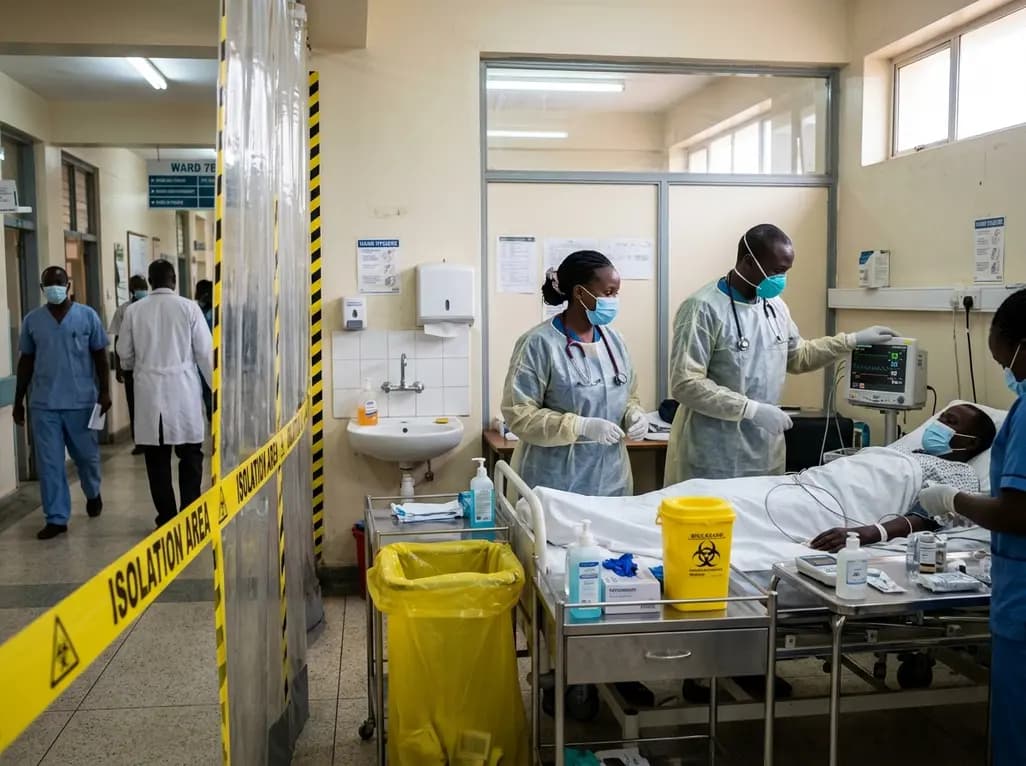
Kenya's confirmation of its eighth Ebola infection highlights the acute risk of secondary transmission in hospital environments. Clinicians must maintain high vigilance, enforce strict infection prevention protocols, and implement rapid triage mechanisms for viral hemorrhagic fevers across healthcare settings.
4 days back
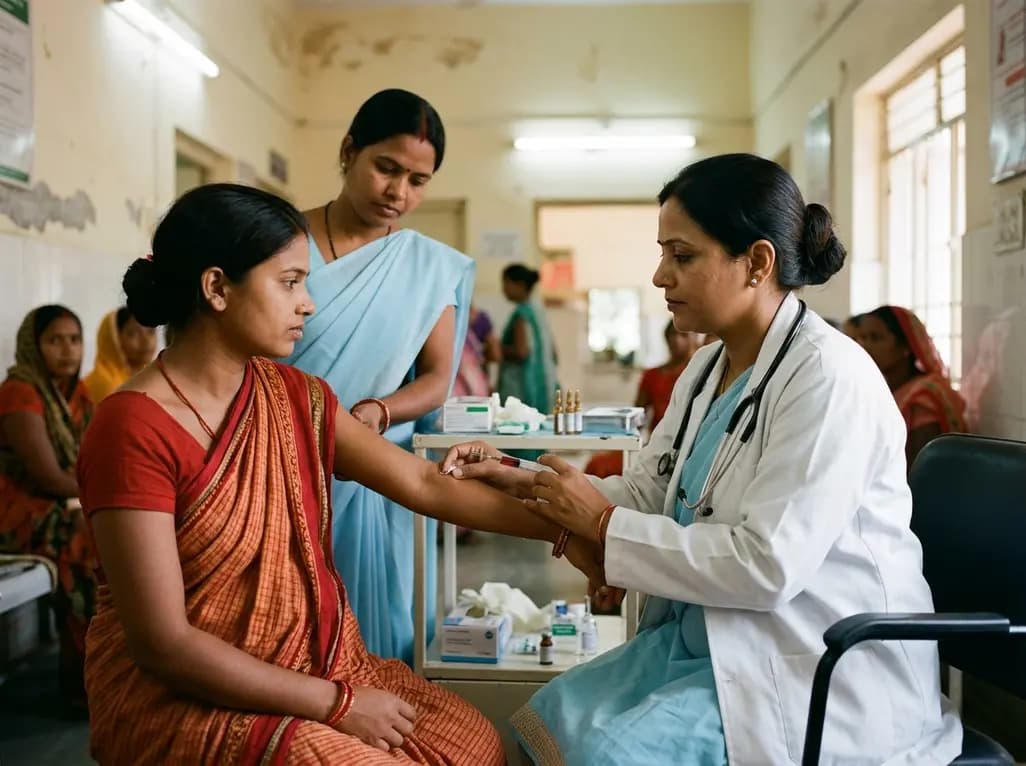
Maternal anaemia contributes to nearly half of pregnancy-related fatalities across India. To prevent complications, Uttar Pradesh has added single-dose parenteral iron to its essential medicines list. This clinical transition aims to restore haemoglobin rapidly and protect high-risk mothers across rural facilities.
Last week
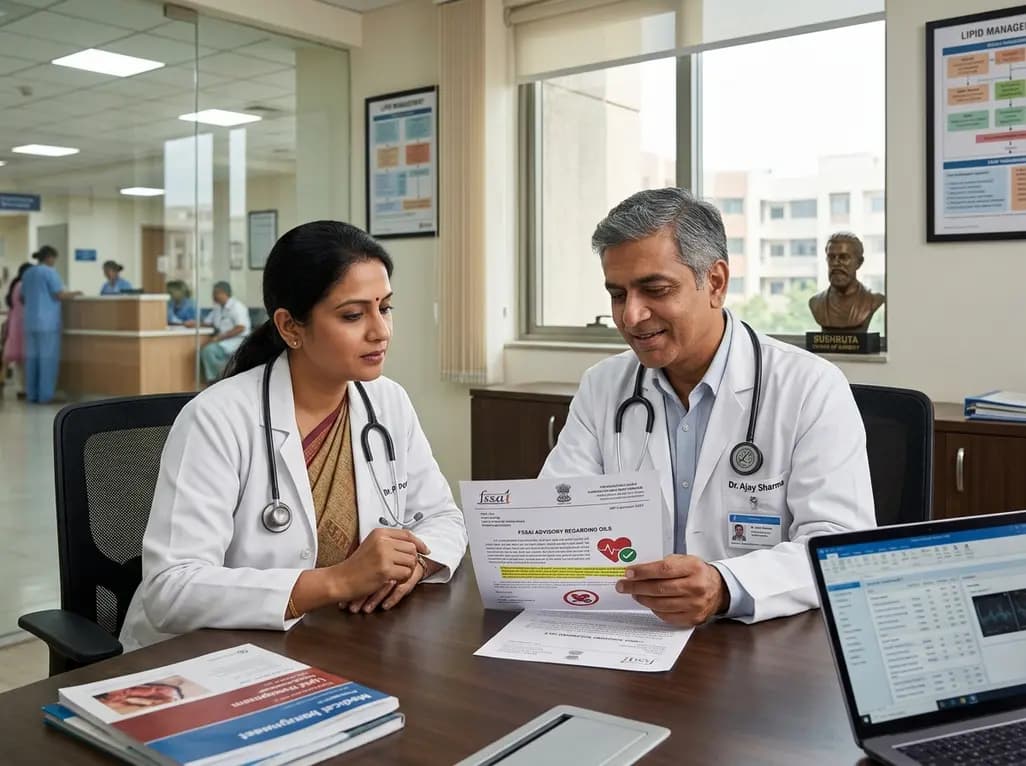
India's food safety authority FSSAI has issued show-cause notices to Gemini Edibles, BigBasket, and Flipkart for unpermitted cardiovascular claims regarding Freedom Rice Bran Oil. This regulatory move highlights the strict enforcement of advertising standards and the clinical necessity of evidence-based lipid care.
6 days back
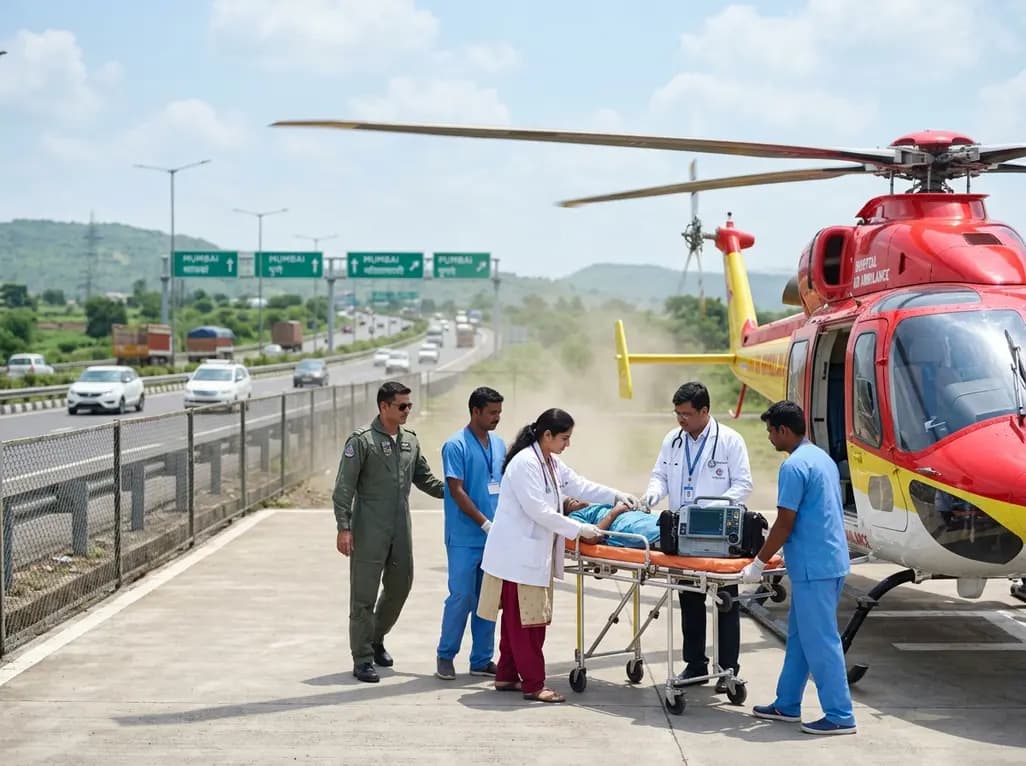
The state government is deploying helicopter emergency medical services across the Mumbai-Pune Expressway, Samruddhi Mahamarg, and Mumbai-Goa Highway. This initiative establishes unified standard operating procedures to enable rapid triage, advanced prehospital resuscitation, and seamless trauma care transfers.
Last week
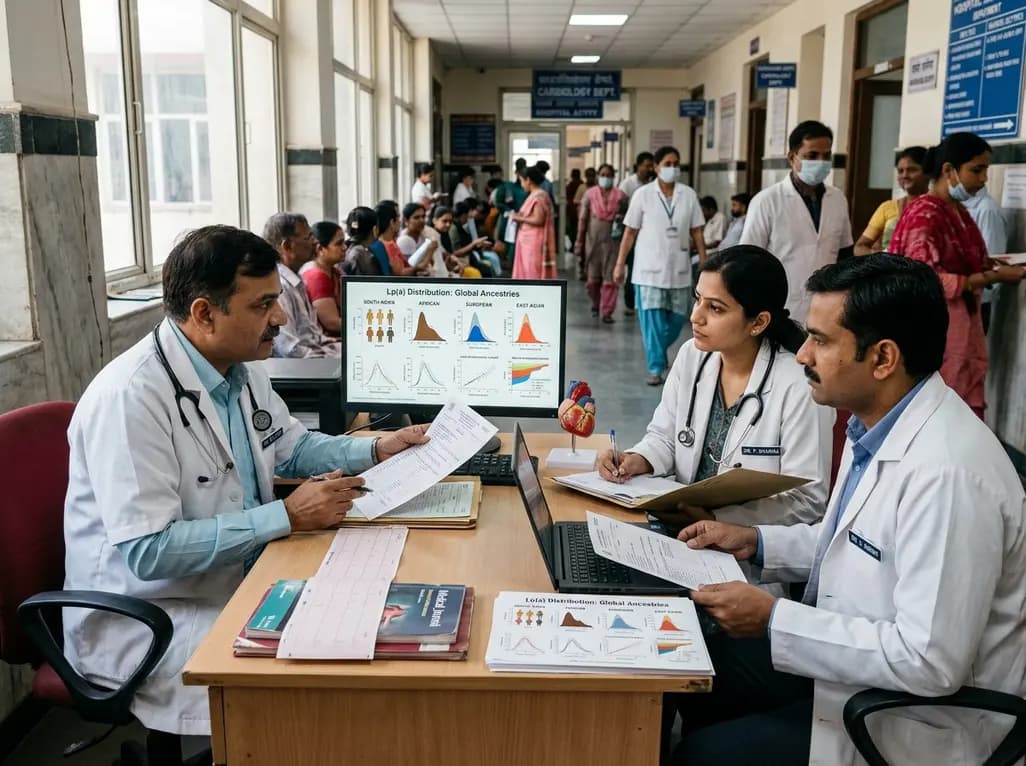
Atherosclerotic cardiovascular disease guidelines often rely on European-derived lipoprotein(a) cutoffs. However, baseline Lp(a) levels vary widely across ancestries, including South Asians and Africans. Clinicians must interpret Lp(a) values within overall absolute cardiovascular risk.
Last week
