.webp&w=384&q=75)

Loading, please wait...
Loading, please wait...
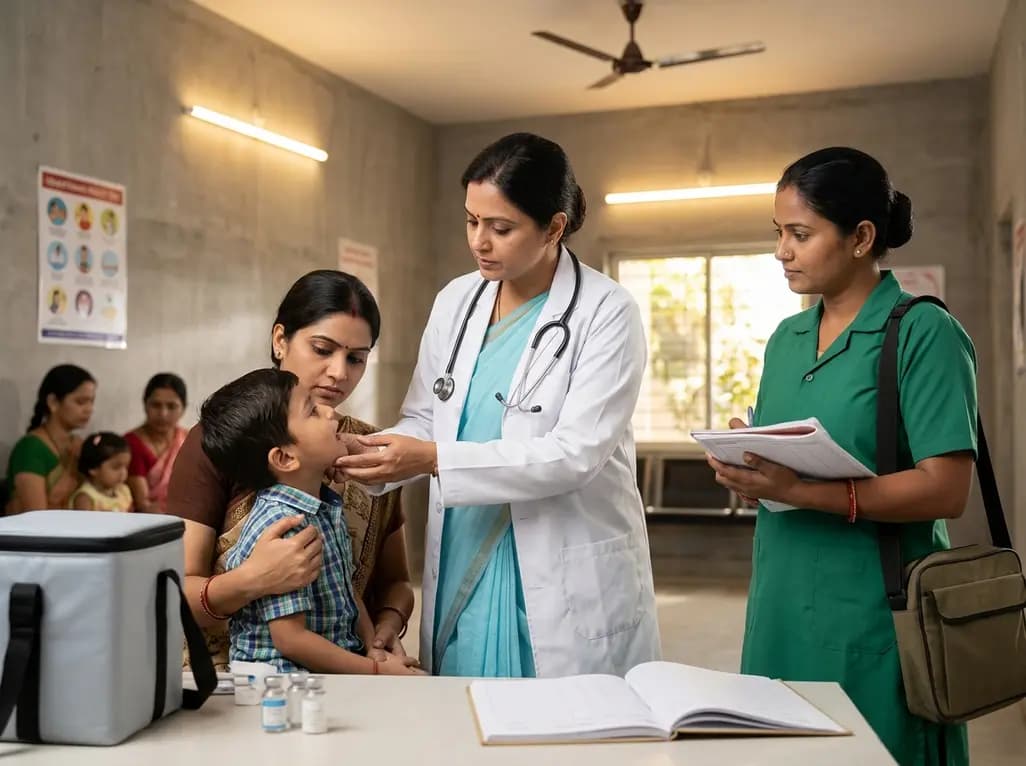
The detection of vaccine-derived poliovirus in Ghaziabad sewage has prompted local health authorities to launch an intensive door-to-door surveillance campaign. Specifically, routine monitoring of a sample from the Dundahera Sewage Treatment Plant confirmed the presence of vaccine-derived poliovirus type-1. Fortunately, Chief Medical Officer (CMO) Sachin clarified that this non-virulent strain does not present an immediate threat to public health. Nevertheless, authorities have initiated proactive measures to prevent any potential risks.
Environmental surveillance is a critical tool for detecting viruses early before clinical cases emerge. In this case, the detected strain originated from the oral polio vaccine (OPV), which contains a live but weakened virus. While OPV works effectively, vaccine recipients can occasionally excrete the weakened virus, which environmental monitoring then detects. Consequently, health authorities closely monitor these findings to assess population immunity. For instance, similar environmental detections occurred previously in Varanasi and Meghalaya without causing outbreaks.
To address this situation, the health department immediately deployed more than 107 specialized teams. These teams are conducting door-to-door screening across 12 designated urban primary health center areas. Furthermore, the campaign covers nearly 1.25 lakh residents to ensure thorough monitoring. During this intensive drive, health workers are checking the immunization status of children under five years of age. In addition, local authorities are coordinating closely with the state, the central government, and the World Health Organization. Therefore, parents must ensure that their children receive all scheduled vaccine doses on time.
Q1: What does the detection of vaccine-derived poliovirus in Ghaziabad mean?
It indicates that routine environmental monitoring identified a weakened polio strain in a sewage sample. Fortunately, this strain is non-virulent and does not signify an active clinical outbreak or immediate public threat.
Q2: Why is the health department conducting a door-to-door survey?
The door-to-door campaign acts as a precautionary measure to check the vaccination coverage of children under five. This screening helps identify and protect any unvaccinated children in the region.
Disclaimer: This content is for informational and educational purposes only. It does not constitute medical advice or replace professional judgment. Refer to the latest local and national guidelines for clinical practice.
References

Read summarized clinical updates, watch expert medical content, and earn CME certifications right from your smartphone.
Open your smartphone camera to scan and install.





Following the detection of vaccine-derived poliovirus type-1 in a sewage sample at Dundahera Sewage Treatment Plant, Ghaziabad health authorities have launched an intensive surveillance campaign. Over 107 health teams are screening children under five across 12 urban primary health centre areas to assess coverage.
4 months ago
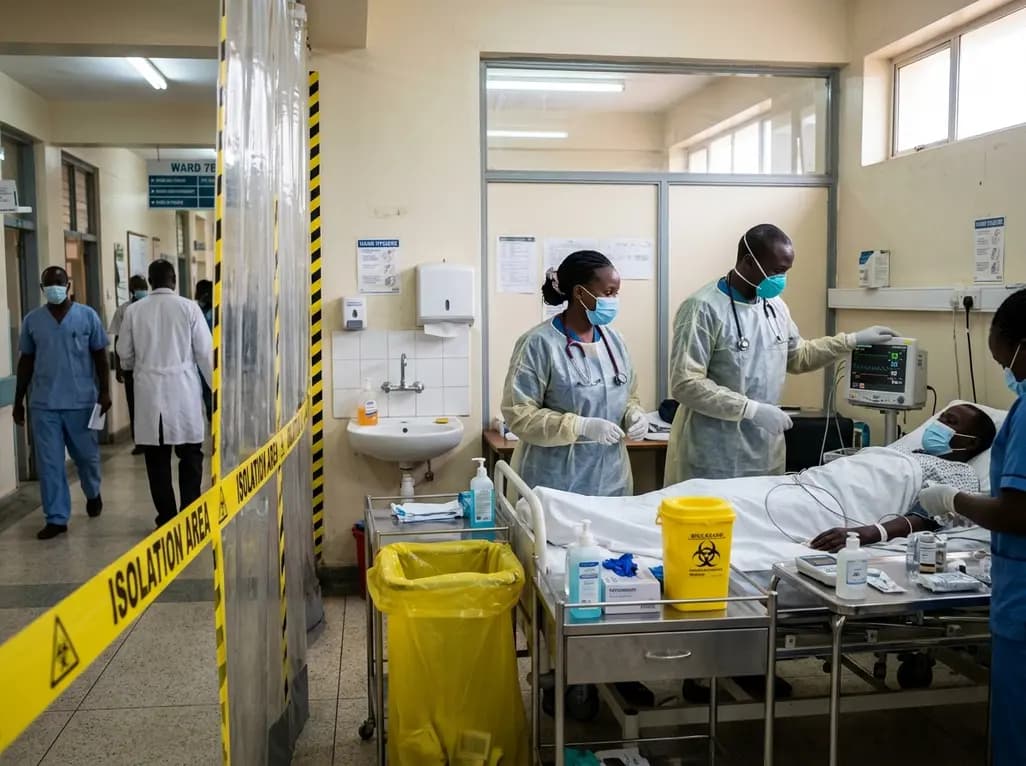
Kenya's confirmation of its eighth Ebola infection highlights the acute risk of secondary transmission in hospital environments. Clinicians must maintain high vigilance, enforce strict infection prevention protocols, and implement rapid triage mechanisms for viral hemorrhagic fevers across healthcare settings.
3 days back
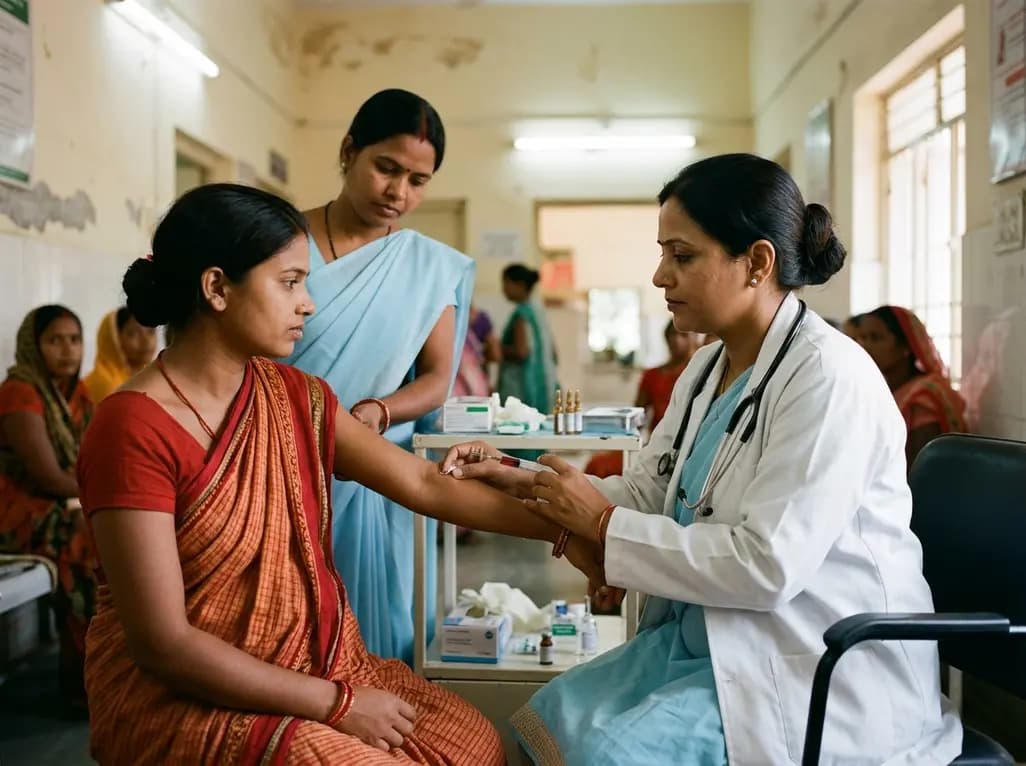
Maternal anaemia contributes to nearly half of pregnancy-related fatalities across India. To prevent complications, Uttar Pradesh has added single-dose parenteral iron to its essential medicines list. This clinical transition aims to restore haemoglobin rapidly and protect high-risk mothers across rural facilities.
Last week
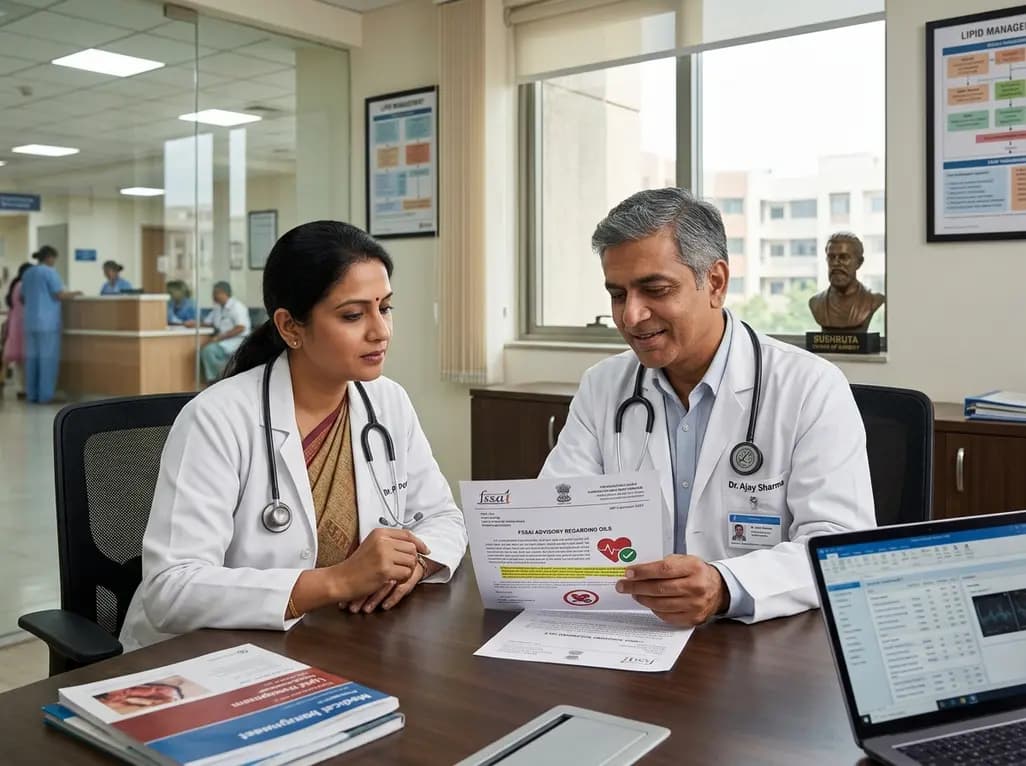
India's food safety authority FSSAI has issued show-cause notices to Gemini Edibles, BigBasket, and Flipkart for unpermitted cardiovascular claims regarding Freedom Rice Bran Oil. This regulatory move highlights the strict enforcement of advertising standards and the clinical necessity of evidence-based lipid care.
5 days back
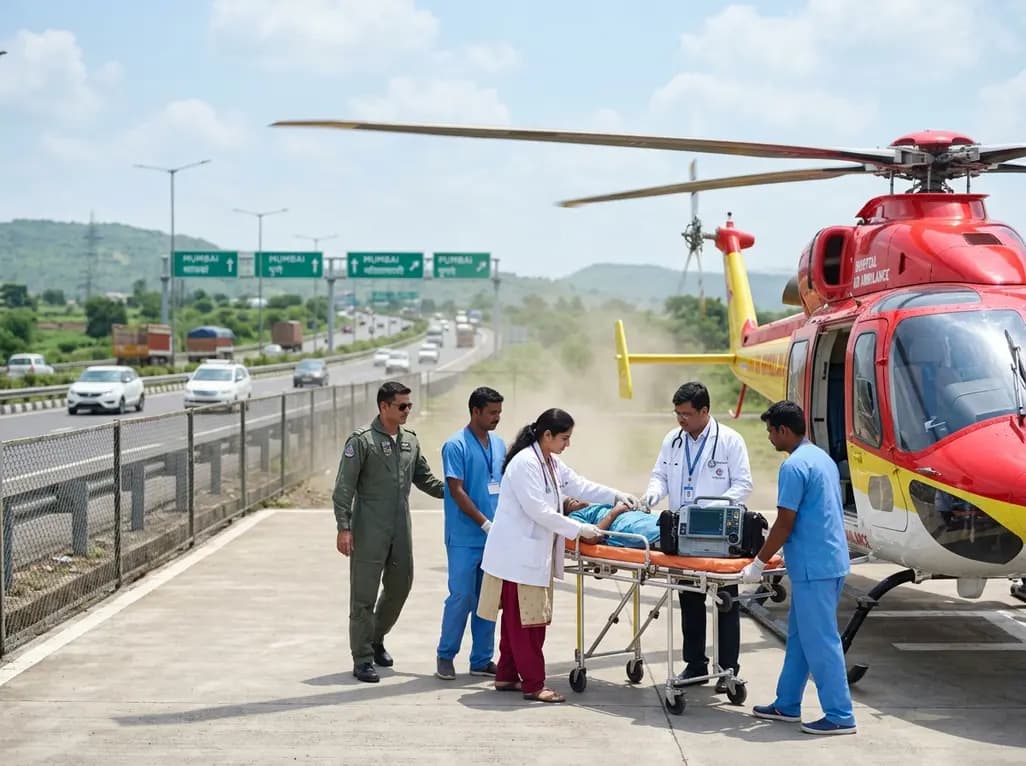
The state government is deploying helicopter emergency medical services across the Mumbai-Pune Expressway, Samruddhi Mahamarg, and Mumbai-Goa Highway. This initiative establishes unified standard operating procedures to enable rapid triage, advanced prehospital resuscitation, and seamless trauma care transfers.
Last week
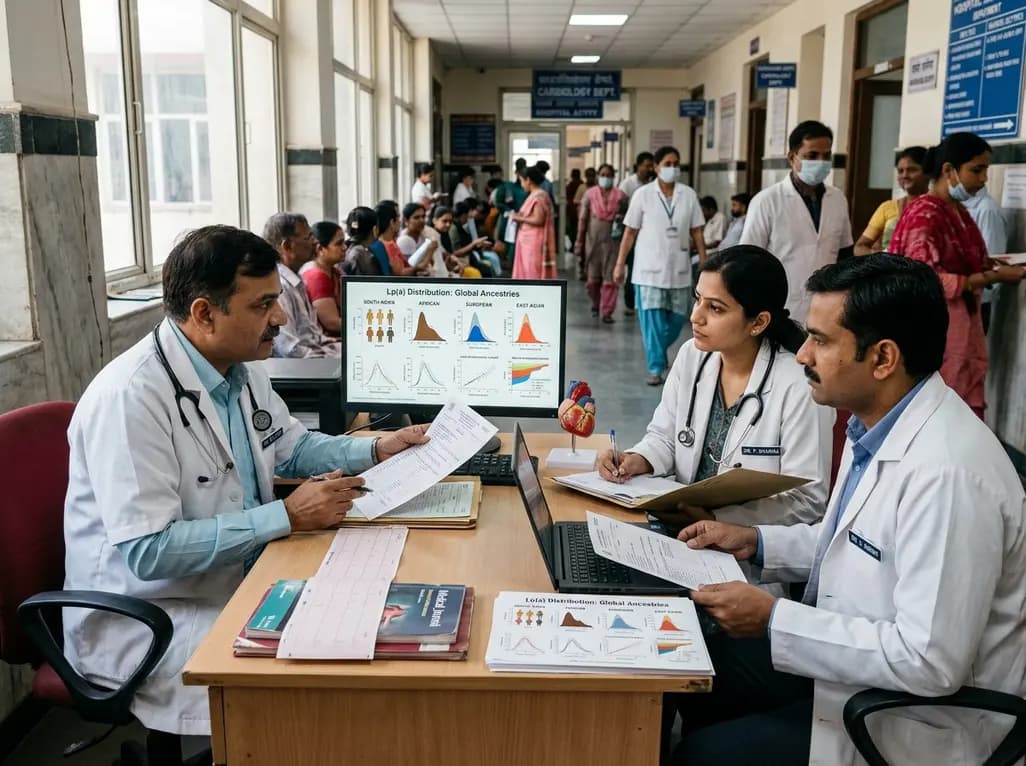
Atherosclerotic cardiovascular disease guidelines often rely on European-derived lipoprotein(a) cutoffs. However, baseline Lp(a) levels vary widely across ancestries, including South Asians and Africans. Clinicians must interpret Lp(a) values within overall absolute cardiovascular risk.
Last week
